Honda Fit Maintenance Schedule Guide
What does the Honda Fit maintenance schedule mean? It’s a detailed plan to help keep your Honda Fit running well and lasting longer.
This guide covers necessary maintenance tasks, when they should be done, and tips to keep your car in great shape.
Following this guide will help your car work smoothly and improve its value if you sell it later.
This guide will show you important routine tasks like oil changes, fluid checks, and rotating your tires.
We’ll also talk about how to figure out if you need regular or more intense maintenance.
It’s also important to use genuine Honda parts and fluids. We’ll teach you how to keep good records of your car’s service history too.
We’re going to go into detail about the Honda Fit maintenance schedule. This will give you the knowledge to take the best care of your car.
What is The Importance of Regular Maintenance?
Regular check-ups for your Honda Fit are key to making it last longer and work better. The importance of regular maintenance can’t be emphasized enough.
It helps your car stay safe and perform at its peak. Routine checks can catch issues early, avoiding expensive fixes later.
Honda Fit maintenance benefits include better gas mileage and less pollution. Keeping your car in top shape doesn’t just save money.
It also helps the planet. Spotting problems early, during regular checks, means you can fix them quickly.
This reduces the chance of your car breaking down and boosts your enjoyment on the road. By choosing to have regular maintenance, you’re looking after your car’s health.
Stick to the manufacturer’s guidelines for a smooth ride. You’ll get the most out of your Honda Fit for many years.
Overview of The Honda Fit Maintenance Schedule
The Honda Fit maintenance schedule is key to keeping your car running well for a long time.
It’s very important for making sure your car stays reliable and performs right. Knowing when to get your Honda Fit serviced helps you plan and keep up with car care.
Maintenance tasks vary based on how you drive, which means you get service that fits your needs.
Normal driving usually means city and highway travel, while severe conditions are tough weather, lots of traffic, and many short drives.
It’s important to know this so you can follow the right Honda Fit maintenance plan.
Following the service schedule, for normal or tough driving, helps keep your Honda Fit at its best.
Doing this before problems start can improve your car’s performance and avoid expensive repairs later.
Regular check-ups and fluid changes are at the heart of the maintenance plan, showing why sticking to it is crucial for your car’s long-term health.
Honda Fit Maintenance Schedule: Normal vs. Severe Driving Conditions
It’s important to know what kind of driving conditions your Honda Fit faces. This helps you decide the right maintenance plan.
If you drive normally, like commuting daily, your car’s needs are different than if you drove in tough conditions. Tough conditions mean your Honda Fit needs care more often.
Identifying Normal Driving Conditions
Normal driving doesn’t strain your car too much. It includes:
- Driving on smooth roads
- Short rides in the city
- Average weather
- Steady speeds with little idling
For these conditions, sticking to Honda’s regular service plan keeps your car in great shape.
Examples of Severe Driving Conditions
Severe driving conditions call for extra care. These include:
- Extreme hot or cold weather
- Lots of stop-and-go traffic
- Long idle times
- Driving over hills or on bad roads
If you often face these tough conditions, you need to check your car more. Doing so helps avoid damage and keeps your Honda Fit running smoothly, even when things get challenging.
Recommended Maintenance For The Honda Fit
Keeping your Honda Fit in top shape is key to its lasting performance. Stick to the honda fit recommended maintenance schedule to keep it running well.
It’s important to use genuine honda parts and fluids. They are made to match Honda’s high standards.
Using Genuine Honda Parts and Fluids
For repairs, it’s smart to use genuine honda parts. They match your car’s original parts for best performance. Plus, genuine oils and coolants keep your engine in good shape.
Knowing The Recommended Service Intervals
It’s vital to know when your Honda Fit needs servicing. Here’s a table of key service times to keep your car running great:
| Service Milestone | Recommended Action | Frequency |
|---|---|---|
| Oil Change | Replace engine oil and filter | Every 5,000 miles |
| Tire Rotation | Rotate tires to promote even wear | Every 7,500 miles |
| Brake Inspection | Check brake pads and discs | Every 15,000 miles |
| Fluid Inspection | Inspect brake, coolant, and transmission fluids | Every 15,000 miles |
| Air Filter Replacement | Replace engine air filter | Every 30,000 miles |
Knowing these service times helps avoid car trouble and prolongs your Fit’s life. A maintenance log can help you remember when services are needed.
Regular checks are key to your vehicle’s dependable performance.

Honda Fit Service Intervals Explained
Knowing about Honda Fit service intervals is key to keeping your car reliable. You’ll hit important milestones at 5,000 miles, 15,000 miles, and 30,000 miles.
At each milestone, your Honda Fit needs certain services and checks to keep it running well. Also, checking your car’s fluids regularly is crucial for its long life.
Key Milestones in The Maintenance Schedule
| Mileage | Service Tasks | Fluid Checks |
|---|---|---|
| 5,000 miles |
|
|
| 15,000 miles |
|
|
| 30,000 miles |
|
|
How Often To Check Fluid Levels?
You should check the fluid levels in your car often, like once a month. Doing this helps you spot problems early.
Keeping an eye on your Honda Fit’s fluids, like engine oil, coolant, and brake fluid, saves money on repairs and keeps you safe on the road. It’s a big part of caring for your Honda Fit.
Detailed Breakdown of Honda Fit Maintenance Checklist
It’s crucial to know your Honda Fit maintenance routine for the best car performance and lifespan.
This guide covers key maintenance points at 5,000, 15,000, and 30,000 miles. By sticking to this schedule, you ensure your Honda Fit runs smoothly and reliably.
Every 5,000 Miles: Basic Maintenance
- Oil and filter change
- Tire rotation and pressure check
- Inspect and top off fluid levels (brake, transmission, coolant)
- Check belts and hoses for wear
Every 15,000 Miles: Intermediate Maintenance Tasks
- Replace engine air filter
- Inspect brake system components
- Check and replace cabin air filter
- Rotate tires if not done at 5,000 miles
Every 30,000 Miles: Advanced Maintenance Requirements
- Replace transmission fluid
- Inspect fuel lines and hoses
- Check alignment and suspension components
- Replace spark plugs

Common Maintenance Services For The Honda Fit
Maintaining your Honda Fit ensures it’s safe to drive and lasts longer. Knowing the usual maintenance tasks can prevent future problems.
Here are some key services to remember:
- Oil Changes: Engine health depends on regular oil changes. Follow your honda fit’s recommended schedule.
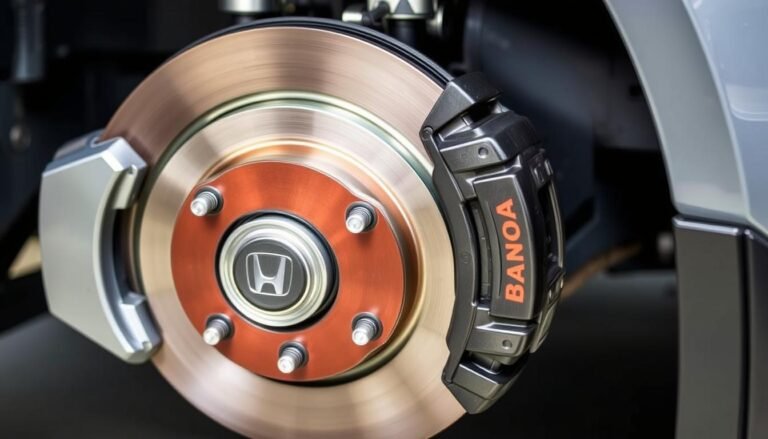
- Brake Service: Check brakes and change pads when needed. This keeps your stopping power reliable.
- Fluid Flushes: Replace fluids like coolant and brake fluid at certain times to keep your car running smoothly.
- Tire Rotations: Rotating tires helps them wear evenly, which improves how your car handles. Your service schedule will tell you when.
- Air Filter Replacement: A new air filter boosts engine performance and ensures the air in your car is clean.
Stick to your car’s maintenance schedule for these services. Doing this helps you deal with issues before they get worse.
Maintaining Your Honda Fit For Longevity
To keep your Honda Fit running well for years, it’s key to stick to a preventive maintenance plan.
Simple tasks can seriously boost how your car runs and its lifespan. Here are the best ways to look after your Honda Fit.
Preventive Maintenance Tips For Honda Fit Owners
- Regularly clean your Honda Fit, both inside and out, to prevent corrosion and maintain aesthetics.
- Check tire pressure monthly to ensure optimal fuel efficiency and tire longevity.
- Examine the oil level and change the oil as recommended by the manufacturer.
- Inspect brake pads and fluid regularly for safety and performance.
- Replace air filters and cabin filters as needed to improve air quality inside the vehicle.
- Keep an eye on the battery’s terminals and connections to avoid electrical issues.
Learning The Maintenance Minder System
Your Honda Fit comes with a cool feature called the Maintenance Minder system. It watches how you drive and the engine’s health, alerting you when it’s time for service.
Using this system makes keeping your Honda Fit in top shape easier and more timely.

| Maintenance Task | Frequency | Importance for Longevity |
|---|---|---|
| Oil Change | Every 5,000 miles | Essential for engine protection and performance |
| Brake Inspection | Every 10,000 miles | Ensures safety and prevents costly replacements |
| Tire Rotation | Every 5,000 to 7,500 miles | Promotes even tire wear and prolongs tire life |
| Battery Check | Every 6 months | Helps prevent starting issues and electrical failures |
| Fluid Levels Check | Monthly | Prevents performance issues and detects leaks |
Expert Tips For Honda Fit Routine Maintenance
To keep your Honda Fit in top shape, be proactive. Trust expert tips for honda fit maintenance to boost its reliability and lifespan.
Begin by checking belts and hoses regularly for any wear like cracks or fraying. It’s vital to replace these parts as needed to avoid future car troubles.
Don’t overlook the brakes, as they’re key for your safety. Regularly examine the pads, rotors, and fluid levels.
If you hear squeaking or notice the brakes aren’t as responsive, get it checked out right away.
Also, keep an eye on the exhaust system for rust or strange sounds, which could mean trouble.
A steady maintenance routine is key to spotting early signs of issues, which saves both time and money later.
Regular checks also prolong the life of your car’s parts and boost its overall performance.
Here’s a checklist to follow in your maintenance routine:
- Check fluid levels each month, replacing or topping off as necessary.
- Inspect tire pressure and tread depth every month.
- Replace engine air filters every 15,000 miles.
- Rotate tires according to the maintenance schedule.
- Inspect windshield wipers regularly for effectiveness.
Being proactive truly makes a difference for your Honda Fit. Keeping up with these tips ensures a smoother drive and increases your car’s value.
Scheduling Your Honda Fit Maintenance
It’s key to schedule your Honda Fit maintenance to keep your car in top shape. Starting off, you need to find a skilled service center.
This ensures your car gets the right care with the best parts and technicians. Keeping a log of all services boosts your car’s value and health.
Finding A Qualified Service Facility
Finding the right service place is very important. You should look for:
- Official Honda dealerships for expert insights and genuine parts.
- Local auto shops with great reviews and Honda experience.
- Make sure they have the right certifications and positive customer reviews.
How To Keep Records of Your Maintenance?
Keeping good records of your car’s service is a big help. Here’s what to do:
- Hold onto all service visit invoices and receipts.
- Write down what service was done, plus the mileage and date.
- Track your Honda Fit’s maintenance with a digital app or a logbook.
- Keep this info somewhere safe for when you need it.

What To Expect During Your Honda Fit Scheduled Maintenance?
Knowing about your Honda Fit’s scheduled maintenance can make your experience better.
It helps you talk more easily with service pros. Generally, the maintenance includes a bunch of important services and checks.
- Oil change: This is a standard procedure to ensure optimal engine performance.
- Fluid checks: Mechanics will inspect all essential fluids including coolant, brake fluid, and transmission fluid.
- Brake inspection: Ensuring your brakes function correctly is crucial for your safety.
- Tire rotation and inspection: This service promotes even tire wear and can extend tire life.
- Battery check: A simple test to ensure your battery remains in top condition.
The time for these services can vary based on what needs to be done. Usually, your Honda Fit’s scheduled maintenance lasts between one to three hours.
This time might increase if they find more issues during the check-up. By knowing what to expect, you’ll feel more prepared and confident about your car’s care.
Talking with your service advisors about what will be done helps you understand better. It also builds trust with the people taking care of your car.
Potential Issues Due To Infrequent Maintenance
Not taking care of your Honda Fit regularly can lead to big problems. These problems can affect how well your car runs and your safety.
If you don’t maintain your car, you might face engine issues, brake failures, and leaks. Skipping oil changes can cause major engine problems.
Dirty oil increases friction, which can make your engine overheat or even fail. Also, not checking your brakes can lead to weaker stopping power.
This is dangerous and can cause your brake pads to wear out faster, possibly requiring expensive fixes.
Fluid leaks pose a big risk too. It’s important to check your car’s fluids, like coolant and brake fluid, often.
Leaks can cause your car to overheat or damage the transmission. These issues become more expensive to fix if you neglect regular maintenance.
Following a strict maintenance schedule can prevent these issues. Taking good care of your Honda Fit makes it safer and more reliable for travel.
It’s better to be proactive with maintenance to avoid the cost and risk of big repairs.
Conclusion
This Honda Fit maintenance summary has shown the critical steps for keeping your car running well. Regular maintenance is key for a good driving experience.
It prevents problems and keeps your Honda Fit smooth on the road. Maintenance is super important.
It keeps you safe, cuts down on repair costs, and helps your car keep its value. A Honda Fit that’s looked after well is more than just reliable transport; it’s also safe for everyone inside.
Keep up with your Honda Fit’s care. Every bit of maintenance makes your drive safer and more fun. This guide gives you all you need to look after your car with confidence.
FAQs
Q: How often should I follow the Honda Fit maintenance schedule?
A: Stick to the Honda Fit service intervals for best care. Get oil changes and inspections every 5,000 miles. Other vital services are needed at 15,000 and 30,000 miles, based on how you drive.
Q: What are the common maintenance services for the Honda Fit?
A: Regular care includes oil changes, checking tires, fixing brakes, refreshing fluids, and changing filters. Follow the Honda Fit’s care plan to keep it running smoothly.
Q: What distinguishes normal driving conditions from severe driving conditions?
A: Driving in the city with little stress is normal. Severe conditions mean facing extreme cold or heat, idling a lot, or driving on steep or rough roads. Knowing this helps plan your car’s maintenance right.
Q: Why is using Genuine Honda Parts important?
A: Using Genuine Honda Parts ensures your car works its best. They match Honda’s high standards, helping your Honda Fit last longer and stay reliable.
Q: How can the Maintenance Minder system help me?
A: The Maintenance Minder system tells you when it’s time for service. It helps keep your maintenance on track, making sure your Honda Fit gets the care it needs when needed.
Q: What should I do if I miss a maintenance interval?
A: If you skip a maintenance date, book an appointment soon. It’s important to catch up on any missed services to keep your Honda Fit safe and reliable.
Q: How can I keep track of my maintenance records?
A: Record every service done on your Honda Fit, noting the date, miles, and what was done. This record is vital for warranty and can boost your car’s resale value.
Q: What can happen if I neglect regular maintenance?
A: Skipping regular maintenance can cause big problems like engine issues, brake failures, and leaks. This risks your safety and the Honda Fit’s reliability.
Q: How do I find a qualified service facility for my Honda Fit?
A: Search for a certified Honda service center or a trusted shop with Honda-experienced technicians. Reliable service places can be found through online reviews and recommendations from friends.