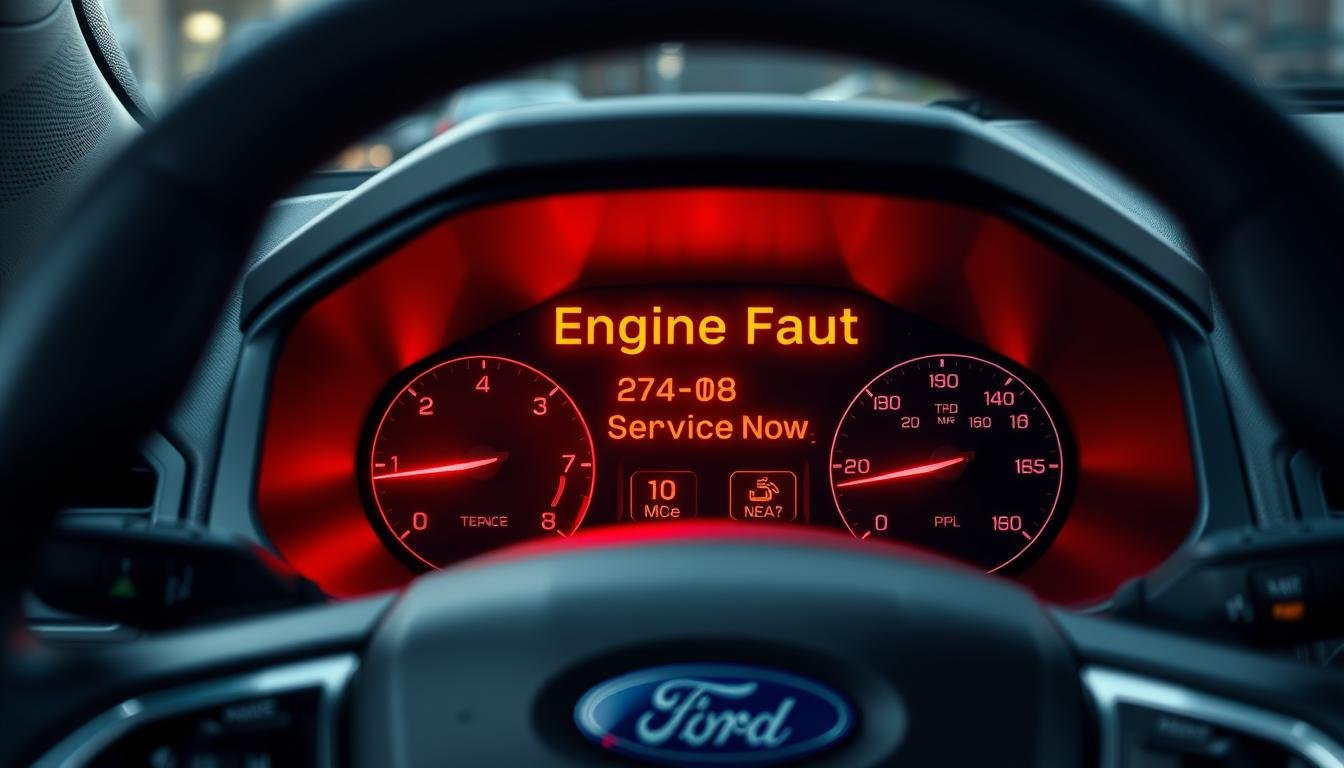
Engine Fault Service Now Ford Escape Alert Fix
What does the “Engine Fault Service Now Ford Escape” alert mean for your vehicles? It signals your car isn’t running at its best. Ignoring this can lead to serious problems.
Knowing about this alert is key for car owners. It helps keep your car running well for a long time.
This guide will show you what steps to take to fix this alert. You’ll learn about common causes and what risks come from ignoring it.
We’ll also cover basic troubleshooting and when to get professional help. Our step-by-step advice will give you the knowledge to fix the Ford Escape alert.
By the end of this guide, you’ll be ready to handle engine fault service now ford escape issues. Your car will stay safe and efficient for your road trips.
What is The Ford Escape Engine Fault Alert?
The Ford Escape engine fault alert shows a big problem in the engine management system. It needs fast action. Not checking it quickly can cause big problems later.
A loose gas cap often causes this alert without the owner knowing. Also, broken sensors might set off this alert.
The throttle position sensor (TPS) is one common culprit, important for checking the engine’s performance.
It’s crucial to quickly find out what’s wrong when your Ford Escape shows an engine fault alert. Many things can cause this warning.
Learning what they are can help you stop bigger issues before they start.
What Does The Engine Fault Alert Mean?
This alert means something is wrong with the engine control system. Ignoring it could make things worse, leading to expensive repairs.
When you see the alert, it means your car needs a check-up to find the problem.
Common Causes of The Engine Fault Alert
- Loose or damaged gas cap
- Faulty throttle position sensor (TPS)
- Malfunctioning oxygen sensors
- Issues with the fuel system
- Electrical faults affecting the engine management system
Knowing these common reasons can help you check your Ford Escape right. Quick action can stop small issues from becoming big repairs, keeping your car running well.
Why Ignoring The Engine Fault Can be Harmful
It’s vital to pay attention when your Ford Escape says “Engine Fault Service Now.” Ignoring these engine fault signals might seem minor but can lead to big problems.
Knowing the risks encourages prompt action, avoiding future troubles.
Potential Risks of Ignoring The Warning Light
Overlooking the engine fault alert can cause:
- Reduced engine power, which affects speed and strength.
- Less fuel efficiency, making driving more expensive.
- Possible mechanical breakdowns, leading to expensive repairs.
Long-Term Consequences on Vehicle Performance
Not fixing small issues can lead to bigger ones. If you keep ignoring engine warnings, it could result in:
- Your Ford Escape’s engine completely failing, making it useless.
- A higher chance of accidents because the car doesn’t work well.
- Big repair bills from not dealing with damage early on.
Basic Troubleshooting Steps For Ford Escape Owners
When your Ford Escape shows an engine fault alert, start by doing some basic checks. This helps spot any obvious problems quickly.
Knowing how to troubleshoot the engine can save you both time and money.
Initial Checks To Perform
- Ensure all dashboard lights are checked for related alerts.
- Confirm that the gas cap is securely fastened; a loose cap can trigger alerts.
- Inspect the engine area for visible leaks or damages.
- Check fluid levels including oil, coolant, and brake fluid.
Using OBD-II Scanners For Diagnostics
Using an OBD-II scanner can give deep insights into your Ford Escape’s troubles. It reads diagnostic trouble codes (DTCs) that show why the engine fault alert went off.
Most local auto parts stores will read these codes for free.

Engine Fault Service Now Ford Escape: What To Do Next
When you see an engine fault service alert on your Ford Escape, act fast. This can stop more troubles.
Knowing diagnostic trouble codes (DTCs) and looking at your owner’s manual are key. They help you fix your Ford Escape engine problems better.
Learning Diagnostic Trouble Codes (DTCs)
Diagnostic trouble codes (DTCs) show specific issues with your vehicle’s engine. Each code points to a certain problem, like a bad sensor or fuel issues.
Knowing these codes helps understand what’s wrong with your Ford Escape. This info makes fixing problems easier.
Consulting The Owner’s Manual for Guidance
It’s important to check the owner’s manual. It has steps and tips for your Ford Escape. Knowing what to do and check helps you address engine alerts well.
The manual has key info for diagnosing and fixing problems, making repairs simpler.
When To Seek Professional Help
If your car’s engine warning light stays on, don’t delay in seeking help. Signs like your car sputtering when you speed up also need expert attention.
Fixing engine problems on your own can lead to more issues later. It’s safer and smarter to get professional advice. Experts can handle the complex problems with the right skills.
Identifying Serious Engine Issues
Knowing when to get expert advice is key to keeping your car running well. Look out for these warning signs:
- Frequent misfires or sputtering sounds
- Increased engine vibrations or rough idling
- Unusual smoke or burning odors
- Decreased fuel efficiency
- Complete loss of engine power
These symptoms can point to big problems that need quick attention. If ignored, they can cause more damage and expensive fixes.
Finding A Certified Ford Service Center
For Ford Escape engine troubles, a certified Ford service center is the best choice. Their technicians know your car’s specifics.
They offer custom solutions and use the right parts for repairs. Here’s how to find a good center:
- Use the Ford official website to find nearby authorized centers.
- Ask other Ford Escape owners or check online automotive forums for suggestions.
- Look at online reviews and ratings to judge service quality and customer happiness.

Choosing a certified center means quality service for your Ford Escape. It ensures your car is looked after by pros, avoiding future problems from bad fixes.
Common Engine Issues Faced by Ford Escape Owners
If you own a Ford Escape, you might run into engine issues that can cause warnings or affect how your car runs.
Knowing what these problems are can help you fix them quickly. This prevents bigger issues later.
Some common problems include a loose gas cap, sensors not working right, and issues with the turbo boost solenoid.
Loose Gas Cap: A Common Culprit
Sometimes, a loose gas cap is to blame for engine problems in a Ford Escape, but it’s easy to miss.
If the cap isn’t tight, fuel can evaporate, and a warning light might come on. Just tighten the gas cap well to fix this issue.
Malfunctioning Sensors and Their Impact
Your car’s sensors are really important for its performance. For example, if the throttle position sensor isn’t working right, your engine might act up.
This can mess with the engine’s air-fuel mix, causing bad acceleration or even stalling. You might need special tools to find out exactly what’s wrong with the sensors.
Turbo Boost Solenoid Problems
Turbo boost solenoid issues are less known but can still impact your Ford Escape a lot. This part controls the turbocharger’s pressure.
If there’s a problem, you might notice your car isn’t as powerful. These issues often don’t show error codes, so it’s tricky to spot them without regular checks.
Preventive Maintenance For Your Ford Escape
Doing regular checks and maintenance is key to keep your Ford Escape’s engine running well.
By taking care early, you avoid high repair costs and make sure your car performs its best. Oil changes and replacing filters are important to keep everything smooth.
Importance of Regular Oil Changes
Changing your oil regularly is a must for your Ford Escape. Oil is important because it keeps parts moving smoothly, reduces friction, and lessens wear and tear.
Follow what your car’s maker says about when to change the oil. This keeps your engine clean and helps your car use fuel better, making it last longer.
Replacing Filters to Maintain Engine Health
Just like with oil changes, changing out your engine air and fuel filters often is key for your car’s health.
These filters keep bad stuff out of your engine and fuel, making sure air and fuel mix right.
If you don’t change them when needed, your engine won’t work as well, and it could pollute more.
Check your owner’s manual to know when to swap them out to keep your car running great.
Cost Estimates For Engine Repair and Service
For Ford Escape owners, knowing about engine repair and maintenance costs is key. This knowledge helps plan your budget and keeps you ready for any costs that might come up.
Average Repair Costs For Common Issues
Ford Escape engine repair costs, like sensor replacements, can change a lot. The costs usually are within these amounts:
| Issue | Estimated Cost Range |
|---|---|
| Oxygen Sensor Replacement | $100 – $300 |
| Ignition Coil Replacement | $150 – $400 |
| Fuel Injector Replacement | $200 – $600 |
| Timing Belt Replacement | $500 – $1,000 |
Cost of Routine Engine Maintenance Services
Keeping up with routine engine maintenance is crucial. It stops big issues from happening and controls the costs for Ford Escape engine repairs.
Typical services include oil changes, filter replacements, and check-ups. Here’s what they might cost:
| Service | Estimated Cost Range |
|---|---|
| Oil Change | $50 – $100 |
| Air Filter Replacement | $20 – $50 |
| Fuel Filter Replacement | $60 – $120 |
| Complete Engine Inspection | $100 – $150 |
Real-Life Experiences From Ford Escape Owners
Learning from the experiences of Ford Escape owners is very valuable. This is true when talking about Ford Escape engine faults.
We get great strategies and insights from real stories. Let’s dive into some examples and the lessons they teach us.
Case Study: Successful Troubleshooting Stories
Many Ford Escape owners have fixed engine faults easily. For some, just tightening a loose gas cap did the trick.
Others found that changing bad sensors made their engines run better right away. These stories show us that simple fixes can often solve big problems.
Lessons Learned From Engine Fault Alerts
Ford Escape owners have learned important lessons. Ignoring early warnings can make things worse later.
It’s crucial to act quickly, like getting help if the problem doesn’t go away. Being proactive and aware helps avoid bigger engine issues.
| Issue | Common Solution | Owner Experience |
|---|---|---|
| Engine alert due to loose gas cap | Tighten gas cap | Resolved the alert within minutes |
| Faulty sensor causing performance issues | Replace sensor | Improved acceleration and fuel efficiency |
| Frequent engine faults without clear cause | Seek professional diagnostics | Avoided costly repairs through early intervention |
Additional Resources For Ford Escape Owners
Having a Ford Escape can sometimes mean facing engine troubles. Finding and using available resources can greatly help.
Joining online forums lets you meet others who own a Ford Escape. They share their stories and tips.
This can give you insight you won’t find in manuals. Reading up on engine care can also boost your know-how. This makes taking care of your Ford Escape easier.
Online Forums and Support Groups
Online forums for Ford Escape owners are super helpful. In these forums, you can:
- Share personal experiences with other Ford Escape owners.
- Seek advice on troubleshooting and repairs.
- Post questions and receive quick responses from knowledgeable individuals.
- Access shared resources and tips that enhance your understanding of common issues.
Recommended Reading For Engine Maintenance
It’s good to look into reading materials about keeping your vehicle in top shape. You should consider:
- User manuals and product documentation from Ford.
- Guides focusing on routine engine maintenance and care.
- Books or articles discussing common engine problems and solutions.
- Online tutorials and videos that provide step-by-step instructions on repairs.
These resources will help you feel more prepared to deal with your Ford Escape’s issues.
Conclusion
It’s critical to address the “Engine Fault Service Now” warning in your Ford Escape. It ensures your car stays in great shape.
If you ignore this alert, you risk damaging your engine. Knowing basic troubleshooting and when to get professional help is key for Ford Escape owners.
This guide boosts your understanding of how your car works. Keeping up with maintenance and acting on warnings is smart.
It saves you money and improves your driving. Taking the right steps for your Ford Escape’s service keeps your car running smoothly.
Being confident in handling common problems is important. Knowing what to do when the “engine fault service now” alert appears is vital. It greatly affects how long and how well your Ford Escape runs.
FAQs
Q: What should I do if I see the Engine Fault Service Now alert on my Ford Escape?
A: First, check your dashboard for other lights that may be on. Make sure the gas cap is tight. Look for any leaks and check your fluid levels. If the alert doesn’t go away, using an OBD-II scanner to find any trouble codes is a good idea.
Q: How can I understand the codes provided by an OBD-II scanner?
A: Diagnostic Trouble Codes (DTCs) are codes that tell you what’s wrong with the engine. You can look in your owner’s manual or find info online to decode these codes. This way, you’ll know what the problem might be.
Q: What risks do I face if I ignore the Engine Fault alert?
A: Ignoring this alert could make your engine run badly. Your car might use more gas and could even get engine damage over time. If you keep ignoring it, your engine might fail completely, and your car won’t work.
Q: When should I seek professional help for my Ford Escape?
A: If the Engine Fault light stays on after you’ve tried to fix it, or if your car sputters when speeding up, get help. It’s best to go to a certified Ford service center for this.
Q: What are common issues that trigger the Engine Fault alert in a Ford Escape?
A: Often, a loose gas cap or bad sensors, like the throttle position sensor, will cause the alert. Sometimes, issues with the turbo boost solenoid that impact how your car drives can also trigger it.
Q: How often should I perform maintenance on my Ford Escape?
A: You should stick to what the manufacturer suggests for maintenance. Usually, changing the oil every 5,000 to 7,500 miles is recommended. But, always check your owner’s manual to be sure.
Q: What are average repair costs for engine issues in a Ford Escape?
A: The cost to fix engine problems can range a lot. For sensors, you might pay 0 to 0. Routine upkeep like oil changes usually costs between and 0.
Q: Where can I find support or additional information regarding my Ford Escape’s engine issues?
A: Joining online forums for Ford Escape owners can be really helpful. You can also read recommended articles about engine care. This will give you tips and help stop future problems.