Check Charging System Ford Explorer? Quick Fixes Best 9 Info
The charging system of your Ford Explorer is crucial for keeping everything running. If you’re looking to check charging system ford explorer, you’ve found the right guide.
Here, you’ll discover common issues and fast solutions for charging system upkeep.
Noticing signs like dim headlights or a flickering dash light early on can save you money on repairs.
This guide will show you simple steps for testing your battery and alternator. You’ll also learn how to check wiring and fuse connections.
Knowing when to call a pro is important too. Follow our easy instructions, and you’ll feel more confident handling charging system issues.
Master the basics of keeping your charging system Ford Explorer’s in tip-top shape, ensuring your ride is always ready and reliable.
What is Check Charging System Ford Explorer?
The charging system is vital for your Ford Explorer to work right. It includes the alternator, battery, and electrical connections.
They turn engine power into electricity, which then runs the car’s accessories and charges the battery. Having this system in good shape means your Explorer is always ready to go.
Keeping the charging system in good condition helps your battery last longer. It also makes your car more reliable.
The battery and alternator work together to keep the power flowing. If there’s a problem here, your Ford Explorer might not perform well. This could mean you’ll need repairs.
Common Signs of Charging System Problems
Spotting signs of trouble in your Ford Explorer’s charging system is vital. It helps avoid breakdowns and keeps your drive safe. Knowing what to look for can save you a lot of trouble.
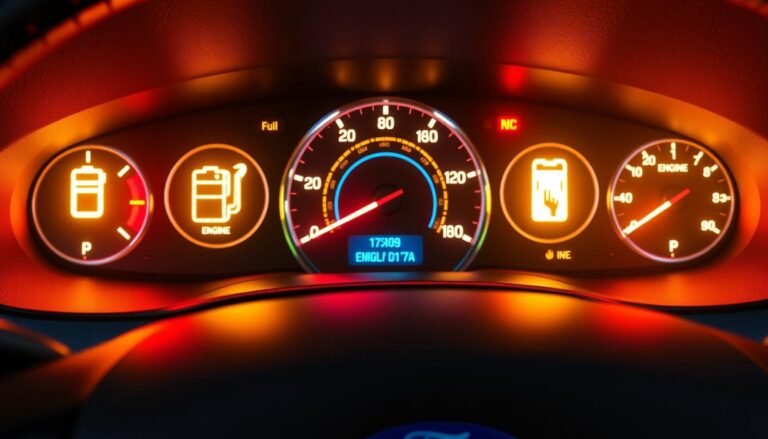
Illuminated Battery Light
A lit battery light on your dashboard is a key warning. It often means the alternator isn’t charging the battery right. If you ignore it, you might end up stuck with a dead battery.
Dashboard Warning Messages
Other dashboard warnings can also point to charging issues. Seeing a message like “Charging System Service Now” means you need to act fast.
Check Charging System Ford Explorer Not fixing these problems can harm your car and lead to expensive repairs.
Check Charging System Ford Explorer – Steps To Diagnose Issues
To figure out what’s wrong with your Ford Explorer’s charging system, follow a few clear steps. Doing this will let you spot any troubles effectively. That way, you’ll know precisely what to fix.
- Start by observing the dashboard warning lights. Look for any indicators that suggest issues with your charging system.
- Next, perform a visual inspection of the electrical connections and battery terminals. Check for any signs of corrosion or damage that might affect performance.
- Use appropriate testing tools to measure battery voltage and alternator output. This step is vital to understand if there are any faults or inefficiencies.
Taking these steps seriously boosts your chances of pinpointing charging system problems accurately. This helps prevent spending on repairs that aren’t necessary.
Testing The Battery: A Crucial First Step
Starting your check with a battery test for your Ford Explorer is key. It helps spot charging problems early on.
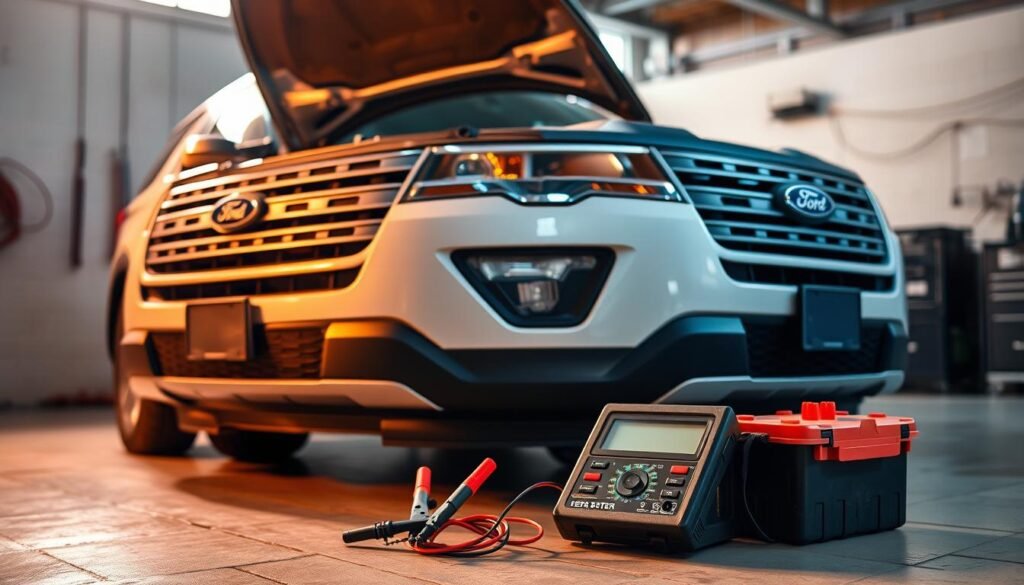
A quick look at your battery’s health can stop sudden issues and expensive fixes. Just use a multimeter to see if your battery works right. A good battery shows around 12.6 volts or more.
How To Perform A Battery Voltage Test
Here’s how you do a battery voltage test:
- Make sure your car is off.
- Get a multimeter and set it to measure DC voltage.
- Attach the red probe to the battery’s positive end, and the black one to the negative end.
- Check the voltage on the multimeter.
- If it shows less than 12.4 volts, your battery might be weak and need a closer look.
Signs of A Failing Battery
Knowing the signs of a bad battery helps you fix it fast. Look out for these warnings:
- Trouble starting the car, especially when it’s cold.
- Lights inside and outside the car getting dim.
- Issues with electrical parts like windows or the radio not working right.
- Having to jump-start your car often.
Testing your battery often and watching for these signs will keep your Ford Explorer running smoothly.
Being one step ahead means you can fix things before they get in the way of your travels.
Alternator Check: Ensuring Proper Functionality
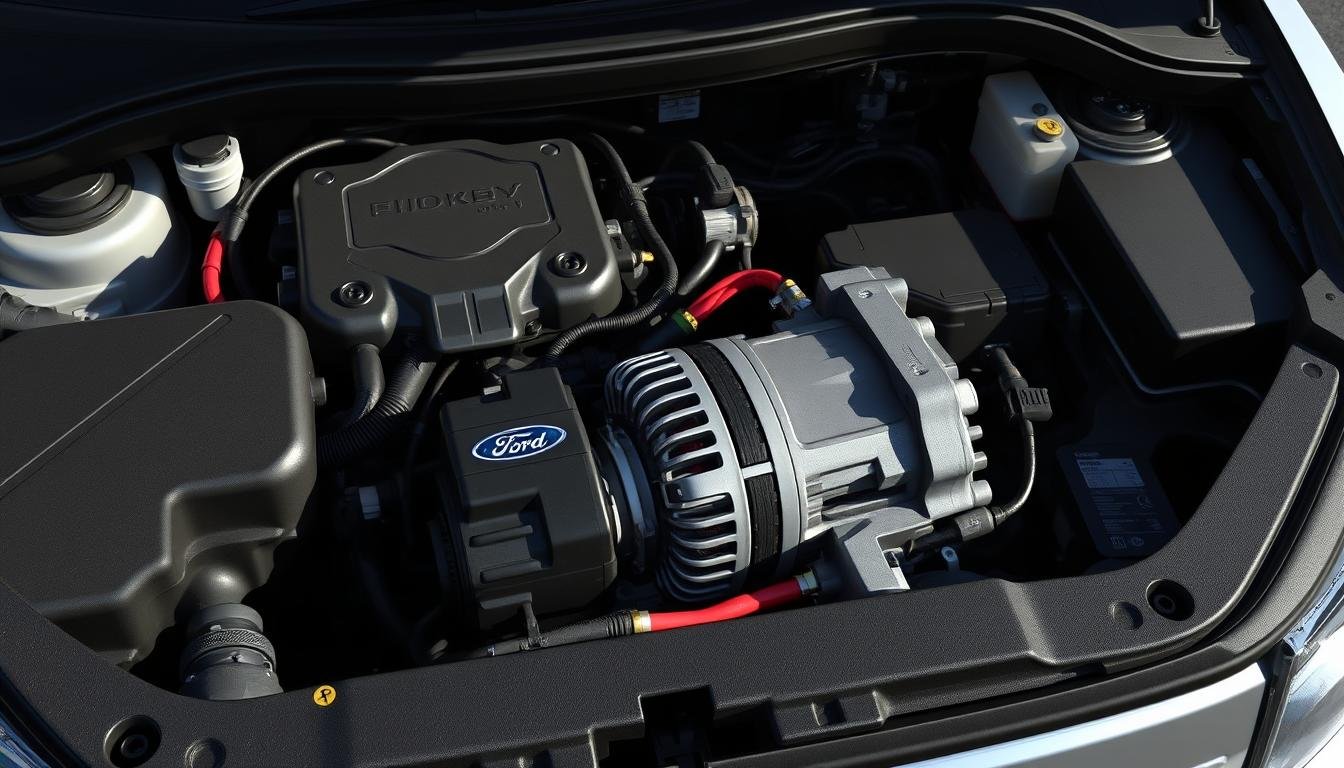
The alternator is a key part of your Ford Explorer’s charging system. It turns engine power into electricity, keeping the battery charged while you drive.
Knowing how it works helps you keep it in good shape and avoid problems.
What is The Role of The Alternator?
While you drive, the alternator makes electrical power. This recharges the battery and runs electrical parts like lights and the radio. A working alternator is crucial for these systems to function right.
How To Test Your Alternator
You can easily test the alternator with a multimeter. Just follow these steps:
- Start your Ford Explorer and let the engine run.
- Set your multimeter to measure voltage.
- Connect the positive lead to the battery’s positive terminal and the negative lead to the negative terminal.
- The voltage should be between 13.8 and 14.5 volts. If it’s lower, your alternator might need attention.
Checking the alternator in your Ford Explorer can spot issues early. This keeps your car reliable and running smoothly.
| Voltage Reading | Interpretation |
|---|---|
| 13.8 – 14.5 V | Normal, alternator functioning properly |
| Below 13.8 V | Potential alternator failure |
| Above 14.5 V | Overcharging, possible faulty voltage regulator |
Investigating Wiring and Fuse Issues
When looking into charging system failures in the Ford Explorer, it’s key to check the electrical system.
Wiring problems or blown fuses can cause big issues. A careful check will find these issues early, for a smoothly running vehicle.
Importance of an Electrical System Inspection
An electrical inspection is vital to keep your Ford Explorer reliable. Checking wiring and connections helps find problems before they get worse.
Look for wear, fraying, or rust at battery terminals and the fuse box. Doing this often cuts down the chance of unexpected charging issues.
Checking For Corrosion at Connections
Corrosion can stop the electrical flow and cause complex wiring problems. It affects how well the vehicle runs.
Always check fuses during regular maintenance to find any blown fuses or corroded terminals.
Cleaning off corrosion and securing connections makes the electrical system work better and more reliably.
| Inspection Areas | Common Issues | Recommended Action |
|---|---|---|
| Battery Terminals | Corrosion, loose connections | Clean terminals, tighten connections |
| Wiring Harness | Fraying, wear | Replace damaged wires |
| Fuse Box | Blown fuses | Perform a fuse check and replace as necessary |
Troubleshooting Ford Explorer Charging System
When you’re fixing the Ford Explorer charging system, you’ll look into common issues that hurt performance.
First, check if the battery works right. Batteries can fail due to age, drastic temperatures, or lack of care.
It’s also key to make sure the alternator, which keeps the battery charged, is reliable.
Checking wiring and fuses is vital to catch or stop electrical problems that mess up the charging system.
Identifying Common Issues
There are a few usual problems to watch for in the Ford Explorer charging system. These are:
- A bad or weak battery
- A malfunctioning alternator
- Poor wiring connections or corroded terminals
- Faulty fuses affecting the charging circuit
Spotting these issues early lets you fix them quick before they get worse.
When To Call A Mechanic
If you can’t fix the problem yourself, or if dashboard warnings don’t go away, it’s time to see a mechanic.
An expert mechanic can thoroughly check the charging system and find hard-to-spot problems.
Not acting on these problems can cause more harm and costly repairs. So, getting help soon is crucial.
Importance of Regular Battery Maintenance
Doing regular battery maintenance is crucial for keeping your Ford Explorer running well. A few simple battery care steps can boost its performance and prevent power cuts.
It’s important to clean the battery terminals often to avoid problems. Keeping the battery fluid at the right level is essential too, especially for certain types of batteries.
It stops the battery from getting too hot and breaking. Also, make sure all the connections are secure.
Loose connections can cause the power to fail, impacting how your car drives. Staying on top of these battery care tasks can help you avoid future headaches.
These easy, yet important maintenance actions can give you confidence on the road. They ensure your drive is smooth, without the stress of battery issues.
Handling Electrical System Problems in Ford Explorer
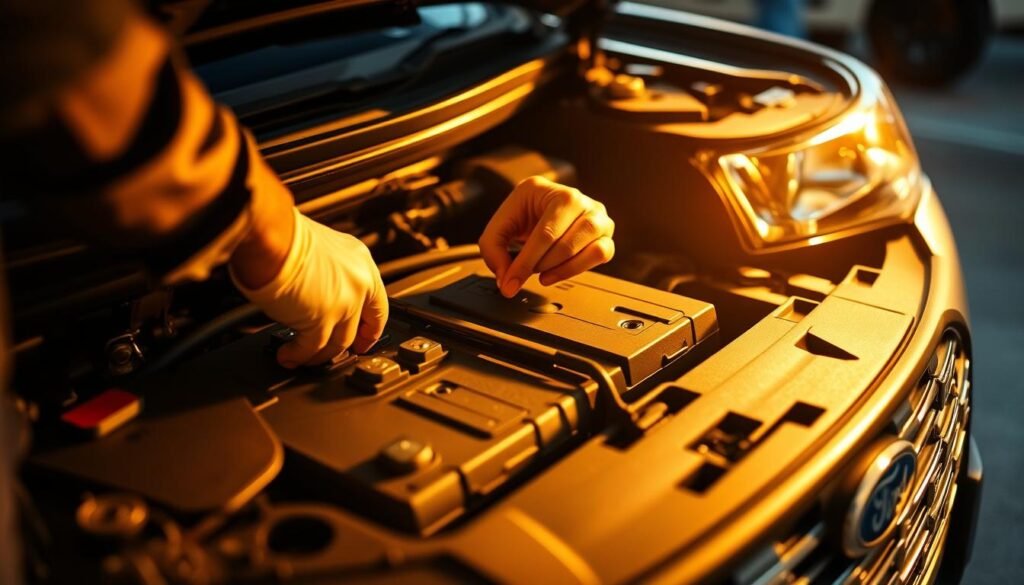
If your Ford Explorer’s battery light turns on, act fast to stop bigger issues. This signal means there might be electrical system troubles.
First, check the battery’s health because it’s often the source of the problem.
What To do When The Battery Light is On
Follow these steps to find and fix the issue:
- Test the battery to make sure it’s charged and works right.
- If the battery looks okay, see if the alternator is working as it should.
- Look at the wiring for damage or corrosion that could cause problems.
- Get help from a professional mechanic if you’re not sure what to do next.
Serpentine Belt Inspection and Its Impact
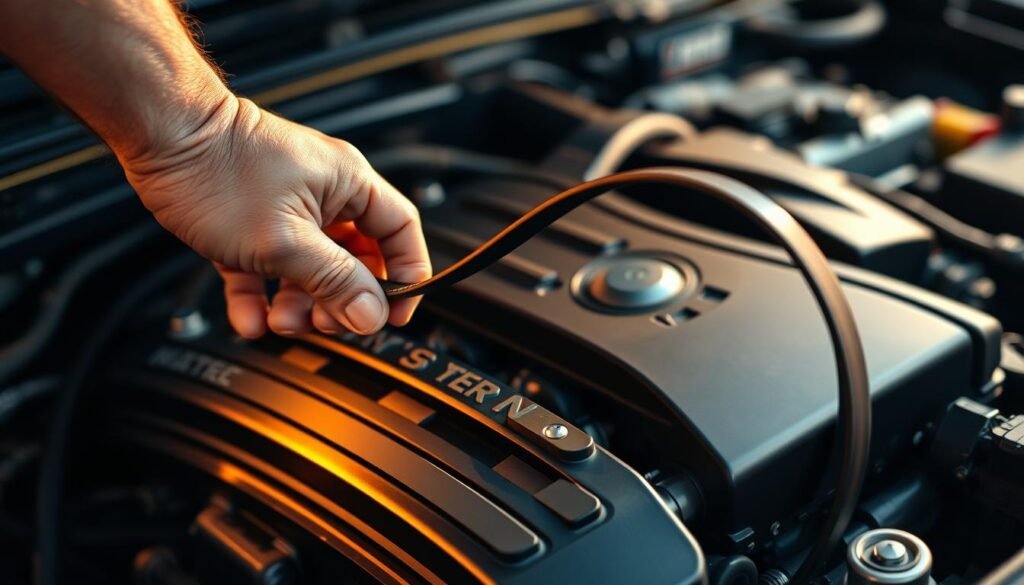
The serpentine belt plays a crucial role in your Ford Explorer. It drives key engine parts, mainly the alternator.
A thorough check of the serpentine belt can reveal problems early on. This makes regular checks important to keep the belt in top shape.
During the belt check, watch out for wear like cracks or fraying. If the belt is damaged, it might not power the alternator well.
This can lead to poor charging. A belt that’s loose or worn out might also slip, which hurts its performance.
If you ignore belt maintenance, you might end up with a drained battery. This not only affects the charging system but also the overall performance of your car.
Keeping up with serpentine belt care prevents these electrical problems. It’s a key part of keeping your vehicle running smoothly.
| Inspection Aspect | Signs to Look For | Recommended Action |
|---|---|---|
| Condition | Cracks, fraying, or missing ribs | Replace belt immediately |
| Tension | Loose or excessively tight belt | Adjust tension, inspect for wear |
| Alignment | Belt misalignment or excessive noise | Realign components, check pulleys |
Using Diagnostic Tools For Charging System Diagnostics
It’s important to know how your Ford Explorer’s charging system works. Using diagnostic tools helps you find and fix issues quicker.
These tools let you check the battery, alternator, and overall electrical health. We’ll look at which tools work best and how to use software for diagnostics.
Popular Diagnostic Tools For Ford Explorers
There are many tools to help you check your charging system. Here are some top recommendations:
- OBD-II Scanner: Useful for retrieving diagnostic trouble codes (DTCs) and real-time data.
- Multimeter: Essential for measuring voltage, current, and resistance in the electrical system.
- Battery Analyzer: Specifically designed to assess battery health and performance under load.
- Alternator Tester: Helps check the alternator’s output to ensure it meets specifications.
How To Use Diagnostic Software
Using diagnostic software helps make finding problems easier. Just follow these steps:
- Connect the OBD-II scanner to the OBD-II port in your Ford Explorer.
- Turn on the ignition without starting the engine.
- Access the diagnostic software on your device and select the vehicle make and model.
- Run a full system scan to identify any trouble codes related to the charging system.
- Review the error codes and live data streams to pinpoint the issue.
Using these tools and steps, you can find issues in the charging system. This approach helps keep your Ford Explorer running well.
Preventative Measures To Avoid Charging Issues
To keep your Ford Explorer running smoothly, a few maintenance tips can make a big difference. Make sure you have regular maintenance checks.
They help catch any problems early. Watch for any dashboard warnings and act on them quickly. This can stop bigger problems later.
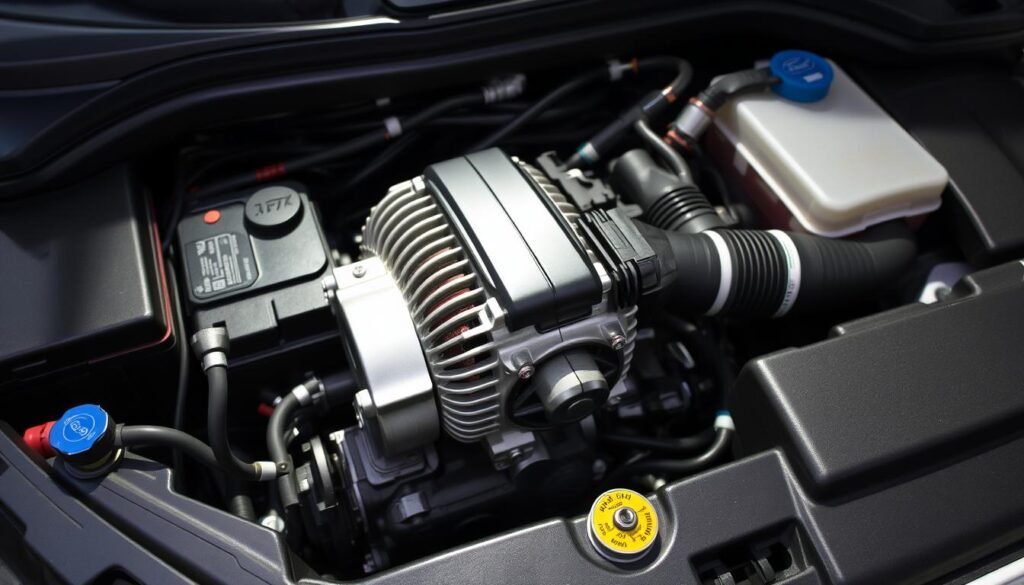
Keeping battery connections clean and tight is key. Dirt and corrosion can cause bad connections, leading to battery problems.
Also, try not to use the electrical parts too much when the engine isn’t running. This can save your battery and help avoid charging troubles.
- Regularly inspect battery terminals for corrosion.
- Schedule routine maintenance with a qualified mechanic.
- Monitor dashboard indicators for early warnings.
- Avoid excessive use of electrical features when the engine is off.
- Keep connections clean and tightly secured.
By following these steps, you can lower the risk of having charging issues with your Ford Explorer.
Conclusion
Keeping your Ford Explorer’s charging system in check is key to a reliable ride. Watch for warning signs and act fast to avoid bigger issues.
This will help you fix problems early, keeping your car running well. Knowing the signs of charging system problems is crucial. It helps you fix things before they get worse.
Don’t forget, regular checks and maintenance are important for your car’s health. With the tips from this guide, you’ll be better at handling your car’s electrical needs.
Stay informed and proactive. This way, your Ford Explorer will stay dependable for all your adventures.
FAQs
Q: What should I do if the battery light on my Ford Explorer is on?
A: First, test the battery to rule out simple issues. If it checks out, look at the alternator and wiring. Still have the light on? It’s time to see a mechanic.
Q: How often should I perform a battery test on my Ford Explorer?
A: Test your battery yearly or if you see problems, like dim lights or starting issues. This helps you avoid sudden battery failures.
Q: What voltage should I expect when testing my battery?
A: A good battery usually shows about 12.6 volts on a multimeter. If it’s much lower, the battery might be failing.
Q: How can I check if my alternator is functioning properly?
A: Check your alternator’s output with the engine on. It should be between 13.8 and 14.5 volts. Outside this range means trouble.
Q: What are common signs of charging system issues in my Ford Explorer?
A: Signs include a lit battery light, dashboard warnings, hard starts, dim lights, and dead electronics. Watch out for these.
Q: How can I perform an inspection of the electrical system?
A: Start with checking the connections and battery terminals for damage or corrosion. Look for damaged wires and blown fuses. Make sure everything’s clean and tight.
Q: What role does the serpentine belt play in the charging system?
A: The serpentine belt drives the alternator, powering your battery while you drive. Checking it for wear can prevent battery issues.
Q: When should I consider getting professional help for charging issues?
A: If basic checks don’t fix the battery light, or if you’re stuck, see a mechanic. They can find the issue.