What Does Vsa Mean on A Honda Accord? Better 7 Feature
The VSA on a Honda Accord means Vehicle Stability Assist. This key system is made to improve how you drive.
It’s vital in keeping your car stable and in control, even in rain or snow. The VSA helps to avoid skidding, keeping you and your passengers safe.
You’ll get to know how the VSA feature works as you read on. It adjusts to different driving conditions and has several parts.
Knowing about VSA helps you take care of your car’s safety features and upkeep. You’ll learn about warning lights, how to fix common problems, and when to get expert help.
Let’s learn more about the VSA in your Honda Accord and drive with more confidence.
What’s Vehicle Stability Assist (VSA)?
Vehicle Stability Assist (VSA) is key to a better driving experience. It helps during tough conditions. Knowing about VSA can increase your safety on the road.
What is VSA?
VSA is a top-notch safety system in Honda cars, like the Honda Accord. It checks things like speed, steering, and how the wheels turn.
If it spots a possible loss of control, VSA steps in to keep the car stable. This explanation shows how it adjusts in real-time to keep your car on the path you want.
How VSA Enhances Safety?
VSA lowers the chance of accidents, especially in bad weather like rain or snow. It can brake certain wheels and change engine power to fix steering problems.
This helps you handle curves and slick spots better. Knowing how VSA works shows its role in making driving safer.
What Does Vsa Mean on A Honda Accord?
VSA means Vehicle Stability Assist in a Honda Accord. This feature is in most modern Honda models, like the Accord. It makes the driving safer and better.
VSA in Context of Honda Technology
VSA is a crucial part designed to keep the driver in control in tough situations. It came with the seventh generation Accord.
Honda added VSA to increase the safety of their vehicles. Through data from sensors in the car, VSA stabilizes the vehicle by making smart adjustments.
This advanced technology makes driving more secure. With VSA, drivers handle the car smoothly, reducing the chances of accidents.
The Functionality of The VSA System
The Vehicle Stability Assist (VSA) system keeps you safe during various driving scenarios. It checks vital factors constantly to keep the vehicle’s performance top-notch.
Knowing how VSA works can improve your understanding of car safety and the complex tech in your Honda Accord.
How To VSA Operates During Driving Conditions?
VSA looks closely at things like wheel speed, steering angle, and side forces. If it senses you might lose control, it acts quickly to keep the car stable.
By adjusting brakes and engine power individually, it prevents skidding and helps you steer better, especially when driving is tough.
Components Involved in VSA
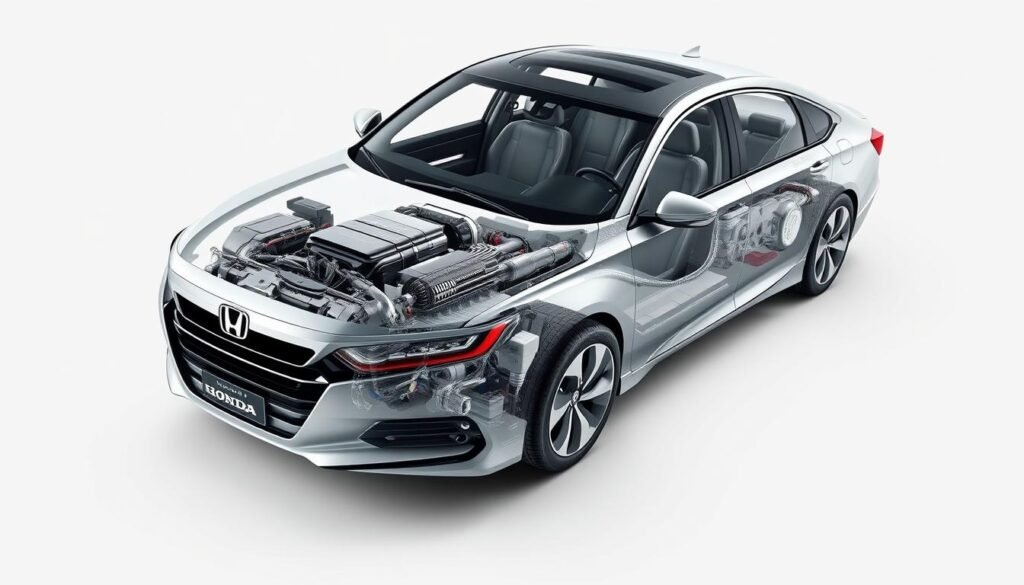
Key parts of the VSA system are crucial for its success. These include:
- Wheel Speed Sensors: Track how fast each wheel is spinning, giving data to help keep the car stable.
- VSA Control Unit: Uses the data from the sensors to decide how to manage brakes and engine power.
- Brake Actuators: Manage how much brake force is on each wheel, allowing VSA to work precisely.
These parts work together smoothly for VSA to function well. Understanding how they interact helps you see the expert engineering that boosts your safety on the road.
Interpreting The VSA Light on Your Dashboard
The VSA light is a key part of your car’s stability control. It offers insights into how well this system is working.
Knowing what different VSA lights mean helps make your driving safer. Let’s look at how to understand the VSA light on your dashboard.
What A Blinking VSA Light Indicates?
When the VSA light blinks, it means the system is making adjustments to keep you on track.
This usually happens in bad weather or when you make quick turns. It’s important to know this means the VSA is helping you stay stable.
When The VSA Light is Solid
A solid VSA light could mean two things. Either you turned the system off, or there’s a problem.
Knowing this helps keep your car running smoothly. If you see this, check the manual or talk to a mechanic.
VSA System Indicator and Warnings
Sometimes, the VSA light comes with extra warnings. Knowing what these mean is good for your car’s health.
Always check what the VSA light is telling you. Doing this on time keeps you safe and avoids bigger problems.
| VSA Light Status | Meaning | Recommended Action |
|---|---|---|
| Blinking VSA Light | System is correcting vehicle path | No action needed; remain alert |
| Solid VSA Light | System disabled or malfunction | Check manual or seek professional help |
| VSA System Malfunction Light | Issue within the VSA system | Diagnose and address potential issues |
Common Problems with The VSA System
Learning issues with your Honda Accord’s VSA system boosts its safety and efficiency.
Knowing VSA problems Honda Accord can save time and avoid complex fixes. Here are some reasons why the VSA might not work right.
Potential Causes For VSA Malfunction
Many things can mess up your car’s VSA system. These common problems include:
- Wheel speed sensor failure
- Low brake fluid levels
- Problems with the steering angle sensor
- Larger tire discrepancies
- Electrical wiring issues
Checking these parts regularly helps catch issues early. Fixing these VSA issues fast can make your car’s stability system last longer.
Diagnosing VSA Issues in Your Honda Accord
Figuring out VSA troubles needs a planned method. First, look closely at the parts we talked about for any damage.
Using tools that read car codes will show what’s wrong with your VSA system. Here’s how to check things:
- Check wheel speed sensors for accuracy and function.
- Inspect brake fluid levels; top off if necessary.
- Examine the steering angle sensor for correct positioning.
- Verify tire sizes and ensure uniformity on all wheels.
- Review electrical connections for signs of damage.
Quickly fixing VSA problems Honda Accord helps these systems work right and keeps you safe on the road.
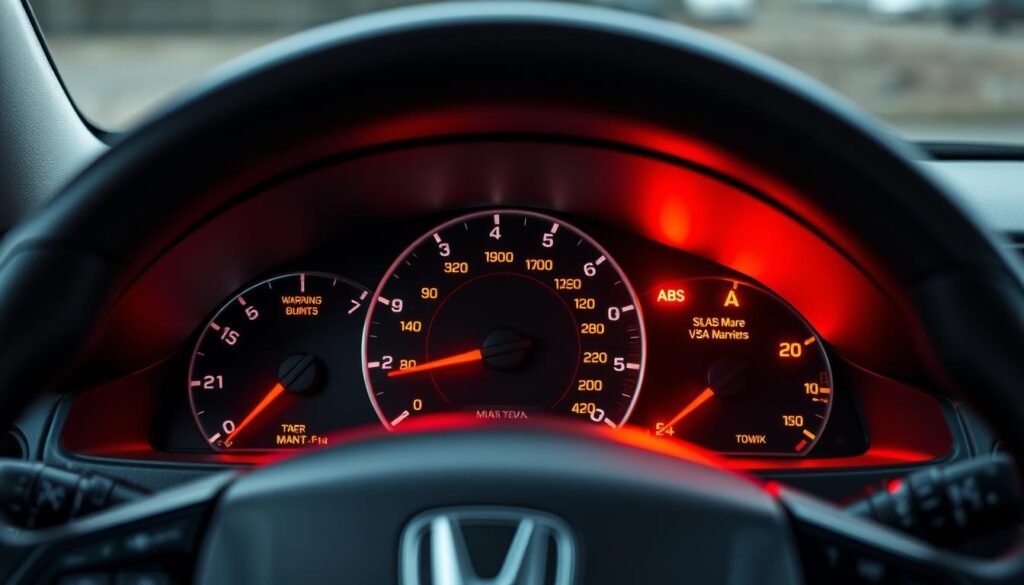
Steps To Take When The VSA Light Illuminates
Seeing the VSA light come on can worry you. Knowing what steps to take is key to fixing the issue and keeping your ride safe. Here’s what to do right away and when to call an expert.
Immediate Actions To Take
If the VSA light pops up, think safety first. Pull over when you can and shut off your car. Take a moment, then start it again. This might fix small problems. If the light stays on, there’s a bigger issue.
- If the VSA light doesn’t go off, look out for other signs on the dashboard. An ABS light could mean an electrical problem that needs checking.
- Notice how your car drives. If it feels odd, you might need to look into the VSA system right away.
When To Seek Professional Help
If the VSA light won’t go out, or you spot issues like hard steering or brakes not responding, get a mechanic’s help.
A professional can make sure your vehicle stays safe and works well for a long time.
- Go for professional help if the light stays on despite your attempts to fix it.
- See a specialist if your vehicle acts up, like losing grip or if driving feels strange.
VSA Off: Learning This Functionality
The VSA Off function lets you turn off the Vehicle Stability Assist system in your Honda Accord when you need to.
This is useful in certain driving situations where VSA doesn’t help with traction control much. Knowing when to use the VSA Off feature can make your drives better.
Reasons For Manually Turning Off VSA
There are good reasons to turn off VSA in some cases:
- Driving in deep snow, where some wheel slip can aid in mobility.
- Navigating through mud that requires a more aggressive driving style.
- Engaging in off-road activities, where the standard traction control may hinder performance.
Even though turning VSA Off can be helpful, it’s important to keep it on during normal driving for better stability and control.
Knowing when to turn off VSA lets you make full use of what your car can do.
VSA vs ESC: Key Differences
If you’re a Honda owner, it’s important to know about VSA and ESC. Both Vehicle Stability Assist (VSA) and Electronic Stability Control (ESC) help your car stay steady.
Especially on difficult roads. The main differences between VSA and ESC are how they work and their use in Honda cars.
VSA is Honda’s special system that uses brakes and engine power to keep your car under control. It’s great for turning sharply or when you have to swerve.
On the other hand, ESC is found in many cars and might have extra tricks depending on the car. While both aim to keep you stable, the way they do it can vary a lot.
To further illustrate these differences, consider the following table:
| Feature | VSA (Honda) | ESC (General) |
|---|---|---|
| Primary Function | Maintains vehicle handling through brake and throttle control | Enhances overall stability, applies brakes to prevent skidding |
| Brand Specificity | Exclusive to Honda vehicles | Used across various automotive brands |
| Response to Slippage | Adjusts throttle and braking to assist driver | Utilizes advanced algorithms for stability correction |
| Applications | Best suited for sharp turns and sudden stops | Effective for various driving scenarios, including slippery roads |
Compromise VSA and ESC helps you appreciate Honda’s smart engineering. Knowing these differences lets you make better choices for your car’s upkeep and safety.
Conclusion
Let’s wrap up what we know about the VSA in the Honda Accord. It’s a big help for keeping safe while driving.
The Vehicle Stability Assist (VSA) is key in keeping the car stable in tough spots. This boosts how well you can drive.
Knowing about VSA means you’re ready to act if the dashboard signals pop up. Looking back at the Honda’s stability help, it’s not just about how it works.
It’s also about being ready and knowing what to do for your car’s safety. Understanding the VSA light lets you know when to get help from a mechanic.
This makes you a smart and secure car owner. In the end, getting these points down means you’ll be better at handling your Honda Accord’s VSA system.
This not only makes you a better driver but also makes your rides safer and more enjoyable.
FAQs
Q: What does VSA mean on a Honda Accord?
A: VSA stands for Vehicle Stability Assist. It’s a safety feature that improves control and stability when you drive, especially in tough conditions.
Q: What should I do if the VSA light is on?
A: If the VSA light stays on or blinks, it suggests the system is working or there’s an issue. Pull over, turn off the engine, then restart. If the light stays on, see a qualified technician.
Q: How does the VSA system work?
A: The VSA system checks wheel speed, steering angle, and lateral forces. It adjusts engine power and brakes certain wheels to keep the car stable.
Q: Can I turn off the VSA system?
A: Yes, there’s a button usually on the dashboard to turn off VSA. But, it’s better to keep it on for safety when you’re driving normally.
Q: What are common problems with the VSA system?
A: Issues often involve bad wheel speed sensors, low brake fluid, or steering angle sensor troubles. Regular checks help avoid these problems.
Q: How can I diagnose VSA issues?
A: To find VSA problems, you usually need to check how parts work and look for error codes. This requires special tools.
Q: What are the differences between VSA and ESC?
A: Both VSA and ESC make a vehicle stable. But VSA is specifically made for Honda vehicles. It controls brakes and speed precisely.
Q: What is the significance of the VSA sensor?
A: The VSA sensor observes how the car moves. It helps the system adjust in real-time to keep the car stable and handle well, even in hard driving situations.