Why Is Honda Pilot Won’t Start? Troubleshooting Better 7 Issues
Is your Honda Pilot refusing to start? You’re not the only one facing this. This guide will walk you through common troubleshooting steps.
You might see dashboard lights flicker or find the engine won’t respond. Knowing these signs is key to fixing your Honda Pilot.
Issues could be due to a weak battery or fuel system troubles. Identifying these causes lets you fix the problem.
This guide gives you essential tips, from simple symptoms to detailed checks. You’ll learn about common causes like a bad starter motor or brake light switch problems.
There’s advice on fixing things yourself and when to see a mechanic. With this information, you’ll have your Honda Pilot running again quickly!
Introduction To Honda Pilot Starting Issues
It’s really annoying when your Honda Pilot won’t start. There are many reasons why your car might not start. These include battery issues or problems with the ignition.
Knowing these issues helps fix the problem faster. And finding out the main cause early can save you time and money.
Often, you might find your Honda Pilot is not turning over or won’t start at all. These problems can be due to several factors.
By understanding what causes these issues, you can quickly figure out how to solve them. This knowledge helps you fix starting problems with your Honda Pilot faster.
Common Symptoms When Honda Pilot Won’t Start
It’s key to spot the signs of starting troubles in your Honda Pilot for quick fixes. Look closely at dashboard lights and other indicators on your instrument panel.
They’re big clues to your car’s condition. When your Honda Pilot has trouble starting, you might see odd behavior from these lights.
This could point to battery issues or other electrical problems. Knowing these signs helps you figure out what’s wrong faster.
Dashboard Lights and Instrument Panel Indicators
Your Honda Pilot’s dashboard tells you a lot. Certain lights warn you about different problems. A steady battery light means the battery might be weak or dead.
The check engine light could hint at more serious electrical issues. Odd light activity, like flickering, should make you want to look deeper.
This is a part of troubleshooting your Honda Pilot. It helps you find out why it won’t start.
Unresponsive Engine and No Crank Situations
An engine that won’t respond can be very aggravating. You turn the key or push the start button, but nothing happens.
This often points to the battery, the starter, or electric troubles. If this happens to you, listen for any sounds, or the lack thereof.
systematic check-up is crucial for diagnosing Honda Pilot problems. Catching these signs early keeps things from getting worse.
What is The Role of The Battery?
The battery is key in your Honda Pilot. If your Honda Pilot won’t start, check the battery first. A bad battery can cause your vehicle not to start.
Signs of A Dead or Weak Battery
Knowing the signs of a weak battery can prevent getting stuck. Look out for these symptoms:
- Dimming headlights when the engine is off or while idling.
- Slow engine crank when trying to start the vehicle.
- No dashboard lights illuminating when turning the key.
Seeing these signs means your Honda Pilot might have battery troubles that need quick action.
How Weather Affects Battery Performance
Extreme weather hits battery performance hard. Cold can lower battery capacity, making starting tough.
On the flip side, heat can evaporate battery fluids, hurting it in the long run. Staying on top of maintenance helps keep your Honda Pilot reliable, no matter the weather.
Checking The Starter Motor Functionality
If your Honda Pilot won’t start and it’s not the battery, look at the starter motor. Spotting issues with the starter helps fix the problem better.
Look for signs that show your starter motor may be in trouble. This can make fixing your car easier and faster.
Signs of A Faulty Starter Motor
- Clicking sounds: Hearing a single click or many fast clicks when you try to start your car? Your starter motor might be the problem.
- No engine crank: If turning the key does nothing and the battery’s fine, the starter could be broken.
- Intermittent starting: If your engine only starts after a few tries, it could mean your starter motor is failing.
Testing Starter Functionality
Testing your starter requires a step-by-step method. Check all electrical connections first to make sure they’re tight and not rusty. A bad connection can cause starter troubles.
Also, try jump-starting your car:
- Use jumper cables to connect your Honda Pilot’s battery to a working vehicle.
- Try to start your car.
- If it starts, your starter motor might be bad. It’s not pulling enough power from the battery alone.
Fuel System Problems in Honda Pilot
Fuel delivery matters a lot for your Honda Pilot to work right. If starting your car is hard, think about fuel delivery issues.
Catching fuel system problems early helps fix them before they get worse.
Indicators of Fuel Delivery Issues
Look out for signs like these:
- Sputtering or stalling engine during acceleration
- Difficulty starting the engine
- Unusual smell of gasoline near the vehicle
- Decrease in fuel efficiency
Common Causes: Clogged Fuel Filter and Failed Fuel Pump
A dirty fuel filter and a broken fuel pump can cause trouble. These problems stop fuel from getting to your engine the right way.
Changing the fuel filter every 30,000 miles helps. Knowing how to check your fuel system is key to avoid damage.
| Component | Potential Issue | Symptoms |
|---|---|---|
| Fuel Filter | Clogged | Engine sputtering, starting issues |
| Fuel Pump | Failed | Engine won’t start, poor fuel delivery |
| Fuel Injectors | Dirty or faulty | Reduced power, uneven acceleration |
Examining The Ignition System
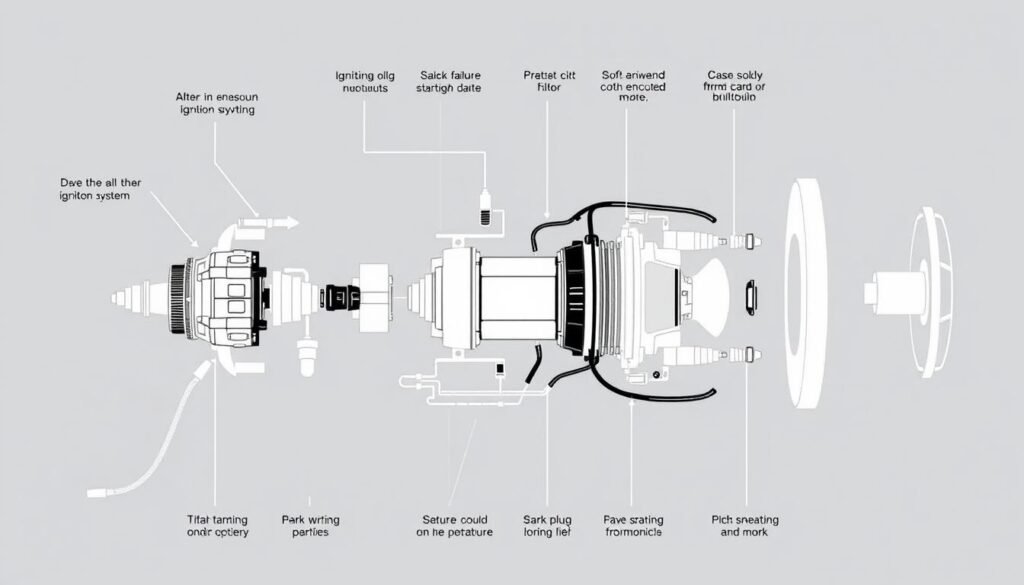
The ignition system is key for your Honda Pilot to start. If your car won’t start, check this system first.
It’s important to know about the ignition coil, spark plugs, and ignition switch. They help find what’s wrong.
Learning The Function of Ignition Components
Each ignition part has its job in starting your car. The ignition coil boosts the battery’s voltage.
This high voltage ignites the fuel-air mix in the engine’s cylinders. Spark plugs then light this mix. If any part breaks, your car might not start.
Identifying Worn or Faulty Parts
Look for signs of wear or damage on ignition parts. Rough idling, slow acceleration, or starting issues are clues.
Checking the spark plugs can tell you if they’re bad. Keeping these parts in good shape stops starting troubles with your Honda Pilot.
Main Causes Behind Honda Pilot Won’t Start
If your Honda Pilot won’t start, it’s essential to dig into the reasons why. Issues with the electrical system can greatly affect your car’s starting ability.
You might face problems like blown fuses or bad wiring, causing parts not to talk to each other well.
Also, if there’s something wrong with the brake pedal, like a faulty brake light switch, it might stop the car from starting. It’s important to understand these parts for effective troubleshooting.
Electrical System Failures
The electrical system in a Honda Pilot powers everything that’s essential. Problems can come from various places, such as:
- Blown fuses that stop the power flow.
- Bad wiring connections that don’t send the right signals.
- Broken relays that can cause system breakdowns.
Fixing these issues in the electrical system is a big step in solving many problems with your Honda Pilot. It makes sure everything works together well.
Potential Brake Pedal Issues Affecting Start-Up
The brake pedal can sometimes cause starting problems too. If the brake light switch is not working right or is out of place, the car won’t start. You might notice:
- Brake lights not turning on when you press the pedal.
- Having trouble moving the shift lever out of park.
Looking into these issues with the brake pedal is key to fixing start-up problems with your Honda Pilot.
Assessing The Role of The Brake Light Switch
The brake light switch is key to start your Honda Pilot. It sends a signal to start the car when you press the brake pedal.
If you have honda pilot starting problems, a bad brake light switch might be why. Signs like the start button not working or a stiff brake pedal suggest brake light switch issues.
To troubleshoot the brake switch, first look at the switch. See if it’s damaged or not lined up right, which could stop it from working.
If it looks okay, you’ll need more tests to make sure it connects right for starting your car. Knowing how your brake light switch works helps you find and fix starting problems.
Troubleshooting Honda Pilot Starting Problems
When you face starting problems with your Honda Pilot, start by checking the battery. This helps rule out a dead or weak battery.
Next, look at the starter, fuel system, and ignition parts. This way, you can quickly find what’s wrong. If your car still won’t start, manual issues might be at play.
Systematic Approach To Diagnosing Issues
For best results in fixing starting issues with your Honda Pilot, follow these steps:
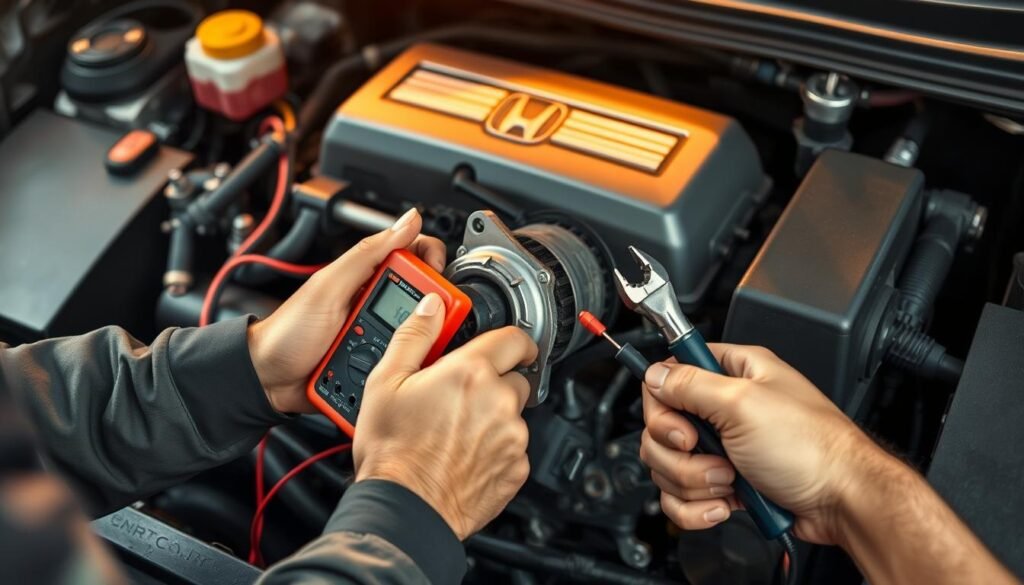
- Use a multimeter to check the battery’s voltage.
- Look for any signs that the starter motor isn’t working right.
- Make sure the fuel pump and filter are in good shape by checking them.
- Check the ignition components like spark plugs and wires closely.
Common Tricks: Jiggling The Brake Pedal
Sometimes a simple fix like jiggling the brake pedal works for Honda Pilot starting problems. A misaligned brake light switch can mess with the ignition system.
Jiggling it might just get your car started, showing that simple steps can solve big issues.
Tips For Fixing Honda Pilot Starting Issues
If you’re having trouble starting your Honda Pilot, don’t worry. There are steps you can take to find and fix the issue before calling in the pros.
Knowing how to maintain your Honda Pilot well can make it easier to solve starting problems by yourself. Let’s look at some helpful strategies.
DIY Maintenance Tips
Regular upkeep can prevent start-up issues. Some key steps to follow include:
- Checking the battery for corrosion and making sure connections are tight.
- Regularly testing the starter motor to make sure it’s working.
- Keeping the fuel system clean and changing filters when necessary.
- Checking ignition components for wear and tear and replacing them if needed.
Doing these things can often fix small start-up problems and help your car run longer.
When To Visit A Professional Mechanic
Sometimes, you might need a mechanic’s help with starting issues. Look out for these signs:
- If your car won’t start after several tries.
- If you hear odd noises when turning the key.
- If your dashboard shows warnings about the electrical system.
Going to a skilled mechanic ensures that any deep-seated problems are found and fixed correctly. If you’re stuck, don’t wait to get professional help for your Honda Pilot.
Preventive Measures For Future Starting Issues
To stop your Honda Pilot from having start problems, take proactive steps. A regular check-up plan helps keep important parts in check and maintained.
This makes your Honda Pilot last longer and more reliable when you need it to start.
Regular Maintenance Schedule
Sticking to a maintenance schedule for your Honda Pilot is key. Doing regular checks spots issues early. Some activities include:
- Regular oil changes
- Air filter replacements
- Fuel system inspections
By doing these, you help avoid start problems and keep your vehicle running well.
Importance of Keeping The Battery Charged
Keeping your battery in good shape is crucial. A charged battery lowers the risk of sudden problems. Here are tips for battery care:
- Regularly check the battery terminals for corrosion.
- Ensure the battery connections are tight and secure.
- Conduct routine voltage tests to assess battery health.
Being careful with your battery helps avoid start issues in your Honda Pilot. Following these easy steps can lead to a better drive without unexpected problems.
Compromise Anti-Theft Features and Their Impact on Starting
Many Honda Pilots have advanced anti-theft features. These features make the car safer but might cause starting problems.
Knowing how they work helps you fix Honda Pilot anti-theft problems quickly.
How Anti-Theft Systems Can Cause Starting Problems
When the anti-theft system messes up, it stops the car from starting. You might see the dash lights act up or the ignition won’t respond.
Learning how to reset the system is important for fixing starting issues.
Dealing with Radio Lock and Security Features
Sometimes, a radio lock may also cause trouble in starting your Honda Pilot. You’ll need a special code or to follow steps to turn off the radio lock.
Knowing these security steps helps you get your car running smoothly again.
Conclusion
Fixing starting problems in a Honda Pilot can seem hard. But knowing what causes these issues helps you solve them.
When you check things like the battery, starter motor, and fuel system, you can spot where the problem is. It’s key to stay alert and well-informed so you can act fast.
Knowing how to handle starting troubles has lots of benefits. This guide gives you a clear way to figure out common issues.
This means you can keep your car working well for a long time. Doing regular checks and taking action early keeps your Honda Pilot ready for the road.
Using the tips we talked about helps keep your car in good shape. This doesn’t just fix problems right now; it makes driving better overall.
With the right info, you can face any starting trouble bravely. This ensures you have a smooth ride always.
FAQs
Q: What should I check first if my Honda Pilot won’t start?
A: Start by checking the battery voltage. It’s often the main reason for the trouble. Look for dimming headlights or slow engine cranks. These are signs of a weak battery.
Q: How can I tell if my battery is dead?
A: Signs of a dead battery include dashboard lights not turning on. Also, if there’s no response when turning the key, and dim headlights.
Q: What are the symptoms of a faulty starter motor?
A: Symptoms include hearing clicking noises without the engine cranking. Also, if it starts sometimes but not always, your starter might need a check or replacement.
Q: How do I troubleshoot fuel delivery issues?
A: Look for signs like the engine sputtering during operation or smelling gasoline. Doing regular checks on the fuel filter helps avoid clogs that block fuel flow.
Q: What components should I inspect in the ignition system?
A: Check the ignition coil, spark plugs, and ignition switch. If your engine runs rough, it could mean the plugs or coils are bad.
Q: How can electrical system failures affect starting?
A: Blown fuses or faulty wiring can cause problems. They disrupt the system, preventing your Honda Pilot from starting. Always check these parts if there are issues.
Q: What role does the brake light switch play in starting issues?
A: A faulty brake light switch can stop the start signal. This prevents the vehicle from starting, which is very frustrating.
Q: When should I consider visiting a mechanic for starting issues?
A: If your own checks don’t fix the problem, see a mechanic. Persistent symptoms mean you need a professional’s help.
Q: How can I reset my Honda Pilot’s anti-theft system?
A: To reset the anti-theft system, you might need to enter a security code. Or fix issues with the radio lock, which stops your vehicle from starting.