Why Is Honda Hrv Years To Avoid? Exclusive 7 Buyer’s Guide
Which Honda HR-V years should you avoid? When looking for a car, watch out for certain models. These are the ones that aren’t so reliable.
This guide focuses on the Honda HR-V years to avoid, especially the ones from 2016 and 2017.
The HR-V is usually reliable but some years have issues with performance and longevity.
This guide gives you details on the Honda HR-V generations, including the Honda HR-V issues to avoid. It also covers maintenance tips.
These will help you make a wise choice. We’ll talk about the reliability problems that have come up over time.
With this info, you can pick a model that fits your needs well, without unexpected problems. Knowing these issues will help you as you think about buying this flexible car.
Introduction To The Honda HR-V
The Honda HR-V entered the U.S. market in 2016. It’s a compact crossover SUV that’s both practical and versatile.
It quickly became popular among city people and small families. The HR-V is smaller than the Honda CR-V, making it perfect for those who need something less bulky but still roomy.
The HR-V’s Magic Seat system is a game-changer. It lets you change the interior to fit all kinds of cargo, from groceries to big stuff.
Plus, it’s good on gas, which is great for city driving and saving money at the pump.
From 2016 to 2022, the first-generation HR-V became known for its reliability and great features. Through the years, it got even better.
New tech and improved driving features made it a top pick in the compact crossover segment.
Overview of Honda HR-V Generations
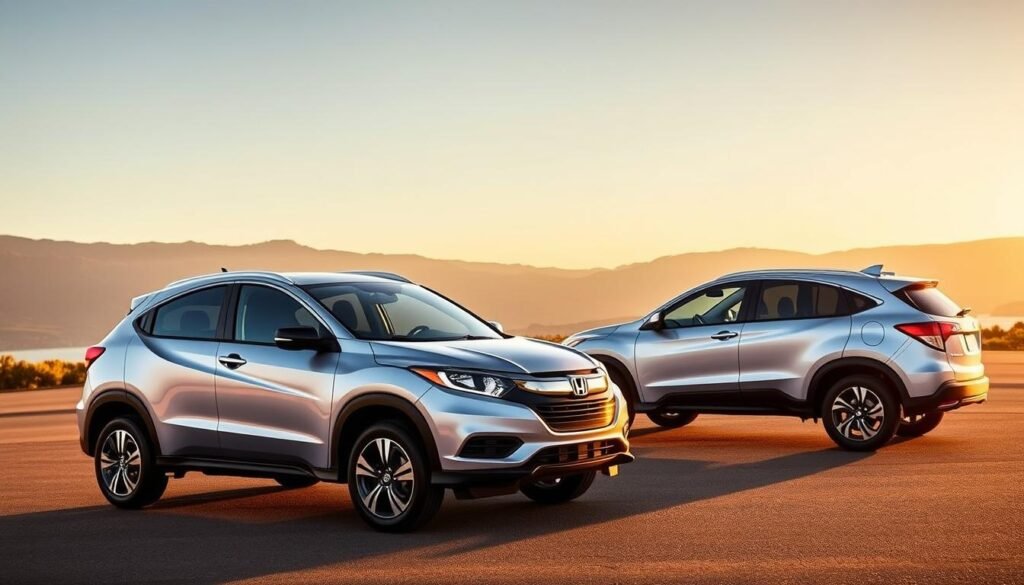
The U.S. market enjoys two different versions of the Honda HR-V. The first one, available from 2016 to 2022, featured a 1.8-liter engine.
This engine was known for its quick response. Buyers could choose between manual and CVT transmissions, depending on what they liked best.
The second generation started in 2023 with a stronger 2.0-liter engine. It brought better performance and cutting-edge tech.
These upgrades include awesome infotainment and safety features. They make this version stand out among Honda HR-V’s.
Learning about these models helps you find the most dependable one for you.
What is The Common Honda HR-V Problems?
Looking into the Honda HR-V, you should know about the issues owners often face.
These problems, seen across several model years, can change how you feel about driving it. Main complaints include seats that are hard on the back during long trips and transmission issues that make driving tricky.
Another common problem is the car not starting due to bad ignition switches. This leaves drivers stuck and annoyed.
Also, the fuel pump might fail, causing the car to suddenly stop. This is risky while driving and was especially frequent in the 2016 and 2017 models.
During those years, people also didn’t like how slowly the car sped up. They also found the entertainment system old and not fun to use.
Knowing these issues helps you when choosing a Honda HR-V, ensuring it meets what you want and expect.
Why Is Honda HR-V Years To Avoid?
The Honda HR-V is popular among compact SUV fans. But, not every model year is reliable.
Knowing which Honda HR-V years to avoid can protect you from big headaches and repair costs.
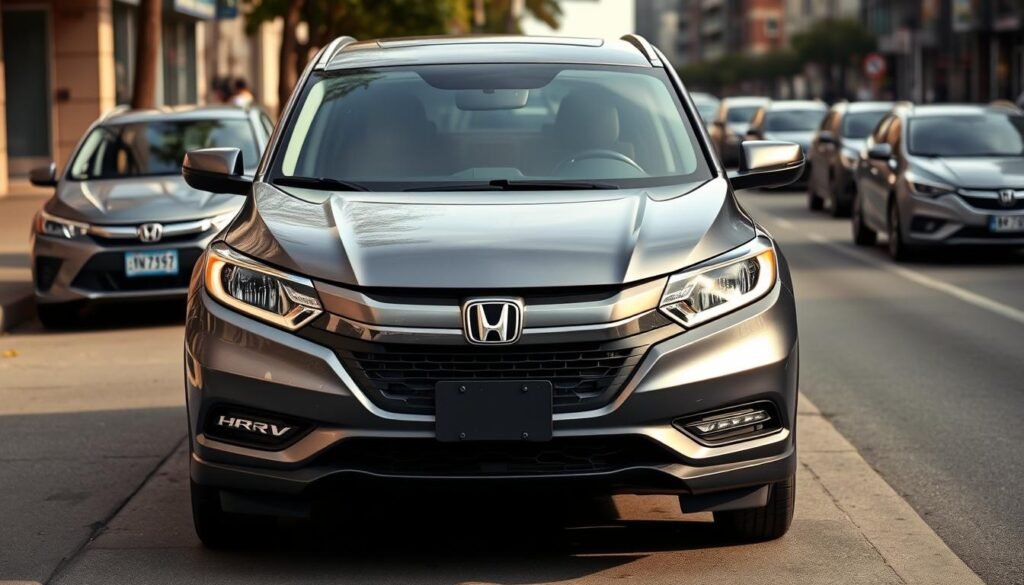
The 2016 and 2017 models have many issues with early models that could ruin your driving fun.
Issues with Early Models (2016-2017)
The 2016 and 2017 Honda HR-Vs have problems, showing the Honda HR-V production faults of those times.
Owners have reported several common complaints:
- Sluggish performance affecting the drive.
- Outdated infotainment systems missing new features.
- Uncomfortable seats making the ride unpleasant.
Known Faults From 2017 HR-Vs
The 2017 model has its own set of problems, adding it to the Honda HR-V years to avoid list. A major issue is fuel pump failures, causing engine problems for some.
Knowing these faults helps you make a smarter choice when looking at these early models.
Honda HR-V Common Problems by Model Year
Knowing the issues with each Honda HR-V model year helps in deciding which to buy.
Recognizing Honda HR-V common problems prevents future trouble. Here, we discuss the main issues for the 2016 and 2017 models.
2016 Model Year Concerns
The 2016 Honda HR-V has notable issues that buyers should know. Many report that the seats are uncomfortable.
Also, some have had starting problems due to a bad ignition starter switch. Knowing these issues helps avoid discomfort and repair costs.
2017 Model Year Concerns
The 2017 HR-V faces similar and new challenges. It has transmission problems that can affect driving.
There are also fuel pump issues, which may lead to costly repairs. Being aware of these concerns helps in making a smart choice for a 2017 HR-V.
Honda HR-V Reliability Concerns
The Honda HR-V is known for being reliable. But, some older models do have issues.
Problems with transmissions and fuel systems in early versions can make people question their durability. This impacts the long-term trust in the HR-V’s performance.
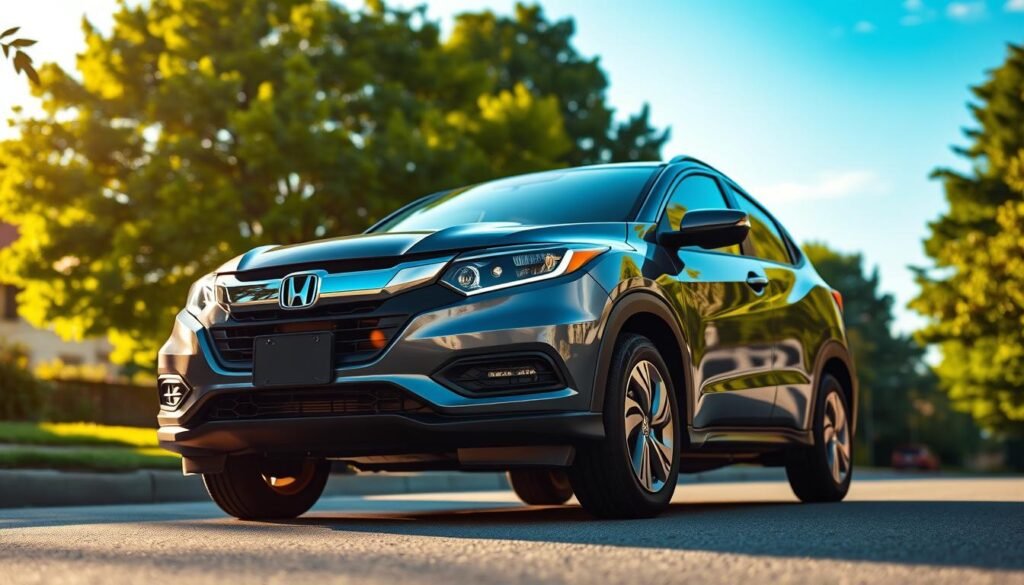
Looking closely at the HR-V’s reliability, it’s clear not all years are equal. Early compact SUV models, especially from 2016 and 2017, faced transmission and fuel issues.
These issues can overshadow the car’s usual strengths. It’s smart to check out reliability ratings and reviews before buying.
The newer models are often more reliable thanks to updates and fixes. Knowing about the HR-V’s reliability over the years is key to making a good choice.
Aim for the models known to be more dependable for a better ownership experience.
Benefits of Various Honda HR-V Model Years
Finding the right Honda HR-V model can make your driving better. Some years have big benefits in reliability and tech.
Let’s look at the perks of different HR-V years, focusing on the most reliable ones and how new tech makes driving better.
Best Years For Reliability
The best Honda HR-V models for reliability are from 2018 onwards. These models have better engineering, leading to fewer car problems, improved gas mileage, and they last longer.
Owners of these models are really happy, showing these years are a good choice for the long run.
Updating Technology Across Generations
Each new Honda HR-V generation brings in updated tech. This includes better screens, safety features, and ways to connect your devices.
These upgrades make driving more comfortable and keep the car up-to-date, offering big benefits to those looking to buy.
Honda HR-V Maintenance Pitfalls To Avoid
Keeping your Honda HR-V in top shape is key for its long life and performance. Watch out for certain maintenance traps that could cause big issues.
A critical point is changing CVT fluid on time. If you skip this, you might face expensive transmission troubles that are tough to fix.
Another mistake HR-V owners make is ignoring recalls or advisories from Honda. There have been problems with bad fuel pumps and ignition parts.
It’s vital to keep up with these warnings. Taking quick action can prevent major problems later.
To take good care of your HR-V, follow these tips:
- Schedule regular maintenance checks to keep your vehicle running smoothly.
- Stay updated on recalls by visiting Honda’s official website or subscribing to service notifications.
- Check and replace fluids, including transmission, engine oil, and coolant, according to the manufacturer’s schedule.
- Inspect brakes and tires frequently to identify wear and tear early.
- Pay attention to any warning lights on your dashboard; they can indicate underlying issues that require immediate attention.
Honda HR-V Red Flags To Watch For
When looking into buying a Honda HR-V, it’s important to keep an eye out for trouble signs.
Key red flags include wear inside the car, which could mean it was not well-taken care of or used a lot. Also, strange sounds from the engine might show mechanical problems.
And if the car picks up speed slowly, it may have issues that are expensive to fix. Don’t forget to check the electronic parts too.
Problems with the infotainment system or dashboard could spell trouble. Make sure to look at the car’s service history. Ignored recalls or many repetitive problems are big red flags for the Honda HR-V.
Knowing these red flags helps you steer clear of models that might bring unexpected problems and costs later on.
Advice For Potential Buyers
When looking to buy a used Honda HR-V, careful steps should be taken. First, inspect the car well. Then, get a vehicle history report.
This ensures you make a confident purchase. Aim for models made after 2018 because they got better over those years. Choosing higher trim levels is wise.
They have better tech and safety features. Kicking off with the right knowledge is key when exploring your options. Make sure to know common issues of various model years.
This guide on Honda HR-V can enlighten you about each model’s pros and cons. Good advice helps secure a great deal while avoiding extra costs.
Conclusion
The Honda HR-V is a great choice for those looking at compact SUVs. Just remember to stay away from the 2016 and 2017 models.
These early versions have had their share of issues. Instead, check out models from 2018 and later. They’re more reliable and come with better features.
We’ve tried to give you the key facts and tips to help with your decision making. Knowing the problems with older models helps you make a smart choice.
It ensures you get a vehicle that meets your needs and desires. If you want a car that’s dependable, packed with technology, and gives you value, the HR-V could be it.
Just pick the right year to get the most out of your money. Keeping this advice in mind will make your driving better and give you confidence in your purchase.
FAQs
Q: What are the Honda HR-V years to avoid?
A: You should stay away from the 2016 and 2017 Honda HR-Vs. They often have slow performance, old infotainment systems, and fuel pump issues.
Q: What are the common problems associated with the Honda HR-V?
A: The HR-V often has seats that aren’t comfy, broken ignition switches, and transmission troubles. Early models also face fuel pump failures.
Q: How does the reliability of the Honda HR-V vary by model year?
A: From 2018, HR-V models got more reliable. This came with better tech and engineering, improving upon issues found in 2016-2017 models.
Q: What are some maintenance pitfalls Honda HR-V owners should avoid?
A: Honda HR-V owners shouldn’t skip CVT fluid changes. They must also pay attention to recalls and services needed for ignition and fuel pumps.
Q: What red flags should I look for when buying a used Honda HR-V?
A: Look out for signs like too much wear inside, strange sounds from the engine, slow acceleration, and electronics that don’t work right. Always check for any recalls that haven’t been fixed.
Q: Which Honda HR-V model years are considered the best for reliability?
A: Models from 2018 and later are usually best. They have improved safety, handle better, and come with newer tech.
Q: Are there specific issues linked to the 2017 Honda HR-V?
A: Yes, the 2017 HR-V often has troubles with its transmission and fuel pump. These problems can be expensive to fix and may lower performance.
Q: How can I make a well-informed decision when purchasing a Honda HR-V?
A: Check the car thoroughly, get a history report, and prefer models made after 2018. Choose higher trims for more features and better reliability.