Why Is Honda Accord Won’t Start? Essential troubles 7 Tips
Is your Honda Accord Won’t starting? It’s a common problem many drivers face. Knowing why it happens is the first step to fixing it.
Battery issues to ignition troubles can stop your car from starting. This guide will show you important steps to figure out what’s wrong.
We’re going to look at the electrical system, check if there’s enough fuel, and see if the engine gets a spark. These are all important in getting your Accord to start.
To fix your car, finding the main problem is important. With these tips, you’ll be ready to solve the starting issues.
What is Common Starting Problems?
Many Honda Accord owners face issues when their car won’t start. This can be due to many reasons.
It’s important to know these problems to fix your car quickly. Issues often come from the car’s electrical system, fuel, or ignition parts.
When electrical problems happen, your car might not crank, leaving the dashboard quiet. If there’s a fuel issue, it could be a dirty fuel filter or a broken fuel pump.
our car might crank but not start. This shows there could be a problem getting fuel to the engine or with the ignition, like bad spark plugs or ignition coils.
Noticing these signs early helps you come up with solutions faster. Taking action quickly can save you time and money on repairs.
| Common Issues | Symptoms | Possible Causes |
|---|---|---|
| Electrical Failure | No dashboard lights or cranking | Dead battery, blown fuses |
| Fuel Supply Issue | Engine cranks but doesn’t start | Clogged fuel filter, faulty fuel pump |
| Ignition Problem | Engine cranks with no combustion | Faulty spark plugs, ignition coils |
Initial Checks For Honda Accord Starting Issues
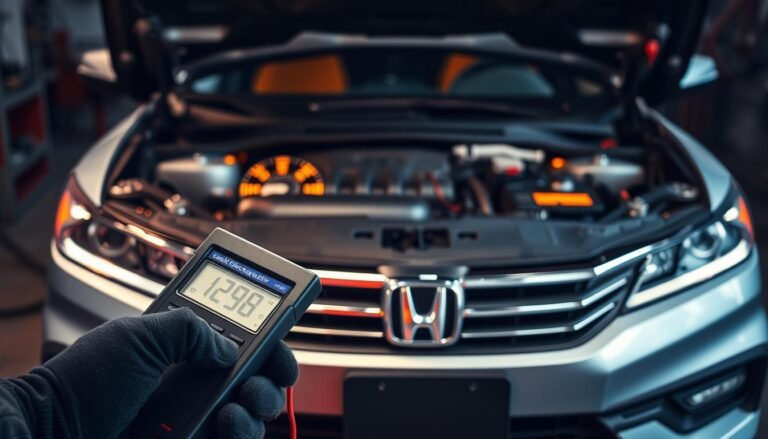
When your Honda Accord won’t start, start with basic checks. First, look at the battery voltage using a multimeter. This tells if the battery has enough power.
A good battery will show about 12.6 volts or more. Less than this might mean the battery is weak and might need charging or a replacement.
Then, make sure there’s enough fuel in the tank. An empty tank can stop the engine from starting. With enough fuel in the tank, next look for any blown fuses.
These fuses are crucial for starting your car. A blown fuse can stop power from reaching important parts needed to start the engine.
While doing these checks, keep an eye on any warning lights or messages on the dashboard.
They can give you hints about what’s causing the start problem. Finding the problem early can make it easier and quicker to fix.
| Initial Check | Description | Tools Needed |
|---|---|---|
| Battery Voltage | Check if the battery is providing sufficient voltage to start the vehicle. | Multimeter |
| Fuel Level | Ensure there is enough fuel in the tank for the engine to start. | None |
| Fuse Integrity | Inspect fuses related to the starting system for any blown fuses. | Fuse Tester |
Diagnosing The Honda Accord Electrical System
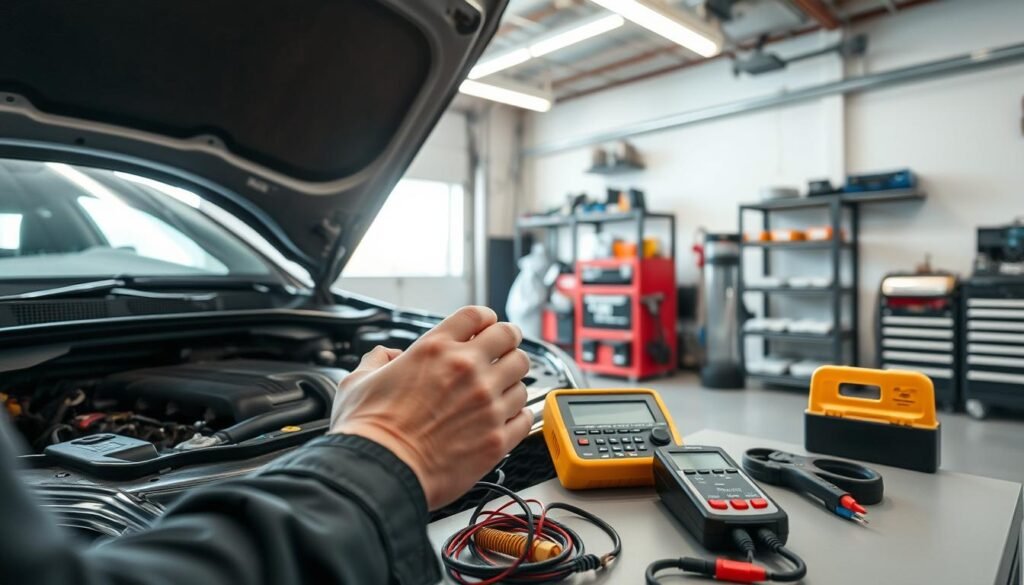
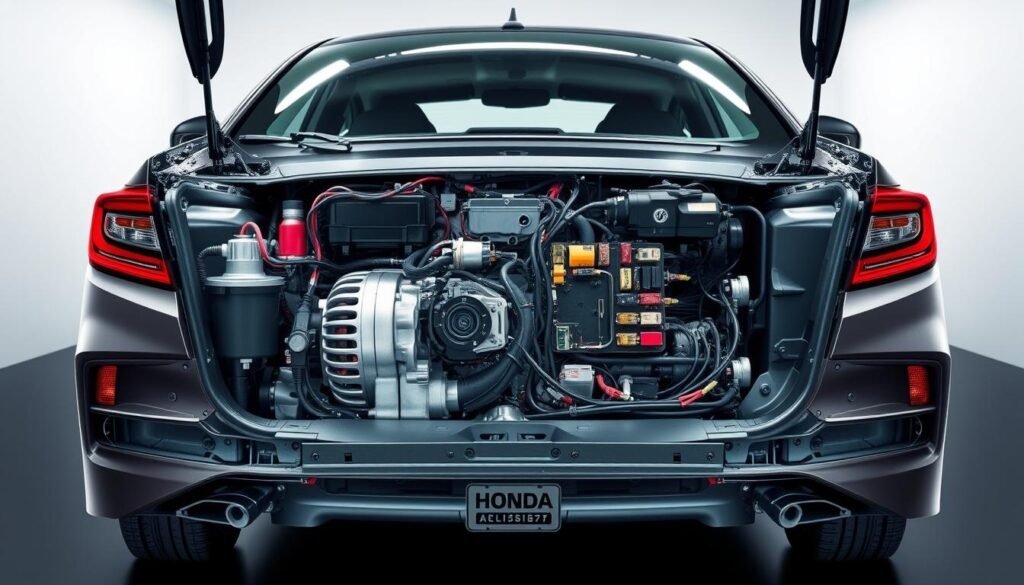
When fixing starting problems in a Honda Accord, checking the electrical system is key. First, look at the battery connections for corrosion.
Dirty or loose terminals can make starting hard. Make sure connections are tight and clean for the best start.
Then, check the starter motor. If your engine won’t start, the starter might be the issue. Listen for clicking noises when you use the key.
If you hear them, you might need a new starter. Also, see if other electrical parts are using battery power, making it hard to start the car.
Using tools to diagnose problems can shed light on your Honda Accord’s electrical health. Test the alternator and wiring to make sure they work right.
Checking both voltage and amperage shows if electrical parts are okay. Following these steps will help fix any starting problems with your Honda Accord.
Assessing Fuel Supply To Your Honda Accord
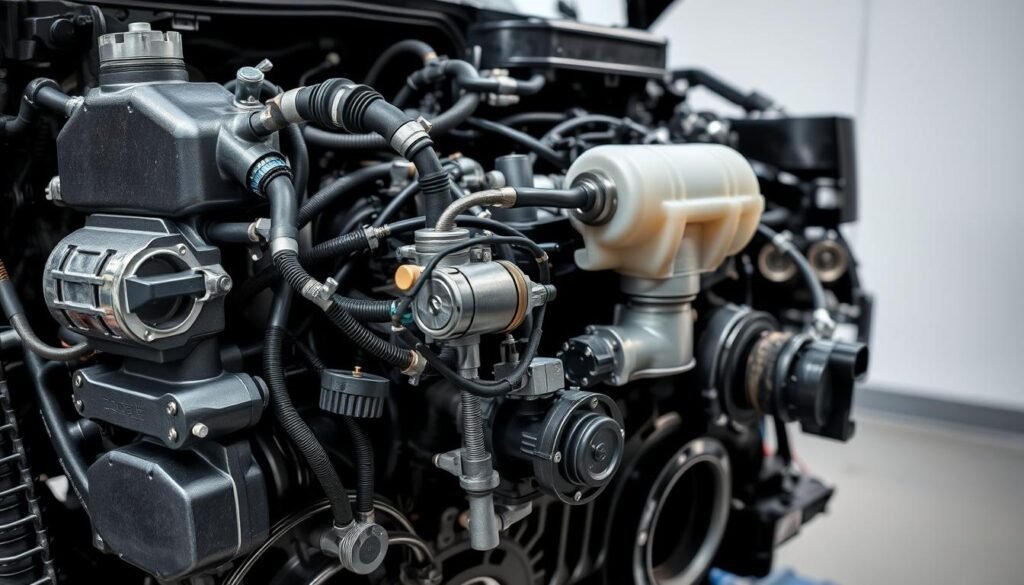
When your Honda Accord won’t start, checking the fuel supply is key. Start with the fuel pump relay. If it’s faulty, the fuel pump won’t get power.
Turn on the ignition and listen for a hum in the fuel tank to check it. Look at the fuel lines for blockages or leaks next. Clogged lines can cause starting problems.
If you think there’s a block, take out the fuel line. Then, carefully blow air through it to clear any debris. Having enough fuel is important for starting your car.
Always use fresh, high-quality gas in your Honda Accord. A dirty fuel filter can also cause issues, so check it when you’re looking at the fuel supply.
Here is a quick reference table to summarize the key checks for fuel supply:
| Check | Description | Action |
|---|---|---|
| Fuel Pump Relay | Ensures power to fuel pump | Test and replace if faulty |
| Fuel Pump Activation | Hums when ignition is on | Listen for sound |
| Fuel Lines | Inspect for blockages | Clear any debris |
| Fuel Levels | Check if there is enough fuel | Refuel as necessary |
| Fuel Quality | Avoid stale fuel | Replace old fuel |
Knowing these steps can really help with figuring out fuel issues in your Honda Accord. It can guide you on how to fix starting problems.
Checking For Spark in The Engine
When you’re figuring out why your Honda Accord won’t start, it’s key to check the engine’s spark. Spark is vital for the engine to start.
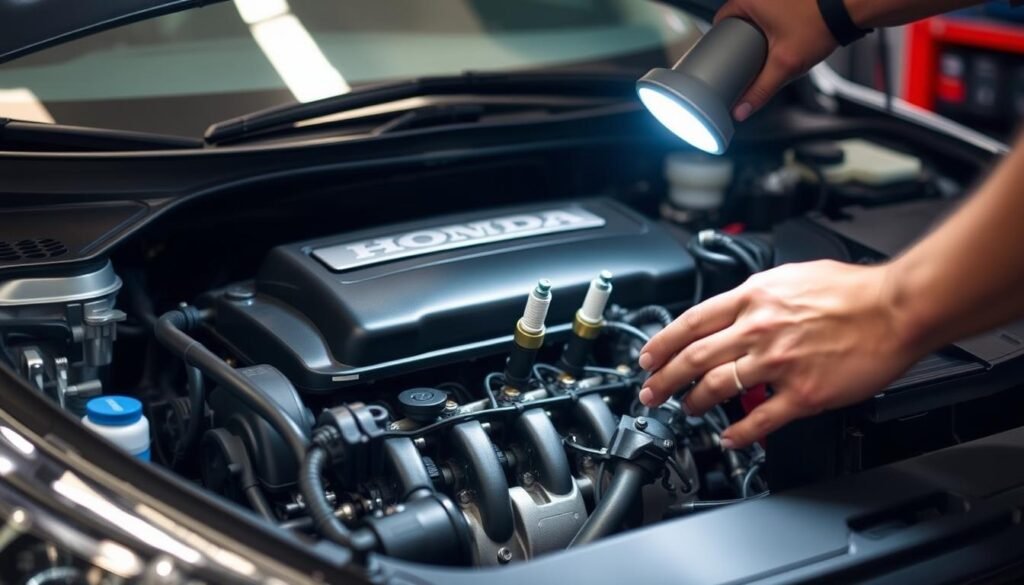
You can check if your Accord is getting spark by using a spark tester. Or you can take out a spark plug, hook it back up, and see if it sparks when you start the engine.
If you see a spark, then the ignition system is good. Now, you can look at other areas that might be causing problems.
But if there’s no spark, you need to check the ignition system more. Look at the ignition coil, ignition module, and the wires connected to them.
| Method | Description | Tools Needed |
|---|---|---|
| Spark Tester | A spark tester lets you check for spark without having to remove the spark plug. Just connect it to the plug wire, start the engine, and watch. | Spark tester |
| Spark Plug Inspection | To check a spark plug, you take it out and look at it. Put the wire back on and watch it as you crank the engine. | Socket wrench, spark plug |
These steps help figure out what’s wrong when a Honda Accord won’t start. If there’s no spark, check the ignition parts for issues. This careful method helps you find the problem accurately.
Honda Accord Won’t Start: Battery Troubleshooting
If your Honda Accord won’t start, it might be a battery issue. A dying battery shows clear signs. Spotting these early helps you fix the problem so you can drive again.
Signs of A Weak Battery
Here are some signs of a weak battery you should look out for:
- Dim lights when you turn on the ignition.
- Slow cranking sounds as the engine attempts to start.
- Electrical accessories, like the radio or power windows, not working right.
How To Test Your Battery
Testing your Honda Accord’s battery is easy with a multimeter. Just follow these steps:
- Turn off your car and unplug anything connected to the battery.
- Switch your multimeter to the DC voltage setting.
- Put the red probe on the positive terminal and the black on the negative one.
- Check the voltage. If it’s below 12.4V, your battery might be bad.
If you get a low reading, think about jump-starting or charging the battery. Doing this the right way keeps you safe and gets your car running.
Steps To Diagnose Honda Accord Engine Problems
When your Honda Accord won’t start, diagnosing the engine is key. Start by checking the timing belt because a worn or snapped belt stops the engine from working.
If the belt is okay, check the engine’s compression next. Low compression points to issues like worn piston rings or a damaged head gasket, which mess up starting.
To figure out what’s wrong, follow these steps:
- Inspect the timing belt for wear, tightness, or damage.
- Use a compression gauge to check compression in each cylinder.
- Listen for a clicking noise from the fuel injectors when the ignition is on.
- Read any error codes from the On-Board Diagnostics (OBD) system for clues about problems.
- Check the spark plugs for signs of fouling or too much wear.
These steps help you find and fix starting problems in your Honda Accord with confidence.
| Diagnosis Step | What to Look For |
|---|---|
| Timing Belt Inspection | Check for wear, tension, and signs of fraying. |
| Engine Compression Test | Measure compression levels in each cylinder. |
| Fuel Injector Check | Make sure each injector clicks, showing it works. |
| OBD Code Reading | Look for error codes pointing to certain issues. |
| Spark Plug Condition | Search for fouling, wear, or bad gap adjustments. |
Potential Causes of Honda Accord Starting Problem Solutions
Learning the causes behind a Honda Accord’s starting issue is the first step. Knowing why your Honda Accord won’t start helps you fix it quickly.
Let’s dive into these causes and their solutions. If you think a relay is at fault, check it. Swap it with another one in the fuse box to test.
If the engine then starts, you’ve found the issue. Bad sensors like the crankshaft or camshaft ones can also cause trouble.
The engine might crank but fail to start. Use an OBD-II scanner for error codes. If found faulty, replace these sensors. A broken security feature might also stop ignition.
This problem usually involves the key or ignition. If you see the anti-theft light on, fixing the security system might help. You could need to reprogram the key or reset the system.
A fuel system issue can also prevent starting. If the fuel pump’s pressure is low, the engine won’t start. Listen for a humming sound when you turn on the ignition.
No sound means you might need to check the fuel pump relay or replace the pump. Battery issues are common too.
A low battery is a top reason cars don’t start. Check the battery’s voltage with a multimeter. A reading under 12.4 volts means it might need a recharge or replacement.
To sum up, here’s a breakdown of common causes and fixes:
| Cause | Potential Solution |
|---|---|
| Faulty relays | Replace with identical relay from fuse box |
| Bad sensors | Use an OBD-II scanner and replace faulty sensors |
| Malfunctioning security feature | Reprogram key or reset security system |
| Fuel system failure | Test fuel pump; replace if necessary |
| Battery problems | Test voltage; replace or recharge if low |
When To Seek Professional Help For Your Honda Accord
Knowing when to get professional help for your Honda Accord is key. It can save time and avoid expensive repairs.
If your car won’t start, even after trying to fix it, it might mean a bigger issue. Look for signs that you need an expert’s help.
- Recurring starting problems, even after performing basic repairs or maintenance.
- Lack of advanced tools and equipment required for thorough diagnostics.
- Inability to identify the root cause after following recommended troubleshooting steps.
- Expectation of serious electrical or engine issues that could lead to further damage if not addressed.
When looking for a mechanic, find one skilled in dealing with Honda models. Reading reviews or talking to other Honda owners can lead you to a reliable specialist.
Conclusion
Facing a time when your Honda Accord won’t start is really annoying. It’s important to stay logical and problem-solve step by step.
Follow the detailed steps we discussed, and you’ll find the root problem quickly. From checking the battery to looking at the electrical system, each part is critical.
Also, keeping your car in top shape means it will last longer and be more reliable. By diagnosing issues early and fixing them on time, you save both time and money.
Plus, you’ll know about any upcoming troubles. Regular care stops many starting issues with your Honda Accord, showing how crucial it is to catch problems early.
To wrap up, use these tips next time you run into starting troubles with your Honda Accord. A planned approach helps you solve car issues well, making driving more fun.
FAQs
Q: What common issues can prevent my Honda Accord from starting?
A: The common issues are electrical problems, fuel issues, ignition failures, and battery problems. If your engine cranks but won’t start, it’s likely one of these issues.
Q: How can I check if my battery is the reason my Honda Accord won’t start?
A: Look for signs like dim lights or a slow engine crank. Use a multimeter to check the battery’s voltage. If it’s under 12.4V, your battery might need replacing.
Q: What should I do if I suspect a fuel supply issue in my Honda Accord?
A: Check the fuel pump relay first. Then, listen for a sound when you turn the key. Lastly, make sure the fuel lines are clear.
Q: How do I test for spark in my Honda Accord’s engine?
A: Try using a spark tester. Or, take out a spark plug, reconnect it to the wire, and look for a spark when you crank the engine. No spark means there might be an issue with the ignition system.
Q: What initial checks can I perform at home if my Honda Accord won’t start?
A: First, check the battery voltage. Make sure there is fuel in the tank. Also, look for any blown fuses. A multimeter can help you get accurate battery readings.
Q: When should I consider seeking professional help for Honda Accord starting issues?
A: Seek professional help if problems keep happening after you’ve tried to fix them, if you don’t have the right tools for deeper checks, or you think there is major damage.
Q: What are some potential diagnostic tools I should use for troubleshooting my Honda Accord?
A: You should use a multimeter to test the battery voltage. A diagnostic scanner to read error codes, and a spark tester for checking the ignition, are also advisable.
Q: How can proper maintenance help prevent starting problems in my Honda Accord?
A: Keeping up with maintenance, like battery and fuel system checks, and fixing problems right away, helps your car run smoothly. It cuts down on starting issues too.