How Long Do Ford Explorers Last? Lifespan Mileage & Better Durability
A Ford Explorer can last 10 to 17 years on average. Many owners report mileages over 200,000 miles with good care.
Since 1990, this SUV is popular for being tough and flexible. This article covers how to keep your Ford Explorer running longer.
It includes tips on maintenance and driving. And it tells you about problems to look out for. To help your Ford Explorer last longer, regular maintenance is key.
Also, drive carefully and watch how the weather affects your car. Knowing How long do Ford Explorers last will help you care for it better.
This means your car will be reliable for many years. Next, we will explore ways to make your Ford Explorer last longer.
Introduction To Ford Explorer Longevity
If you’re thinking of getting a Ford Explorer, understanding its longevity is key. It’s a top choice in the U.S. for its dependable performance and roomy interior.
This reputation is thanks to strong engineering and smart design. Keeping up with maintenance and driving carefully plays a big role in how long your Explorer will last.
It’s great for families and those who love adventure, offering comfort and usefulness. Its tough materials mean it’s ready for city drives and off-roading.
The Ford Explorer is known for staying strong through many miles. It has a solid fan base, with lots of owners happy for years.
Learning about its long-term performance can guide your buying decision, whether you’re looking for something new or used.
How Long Do Ford Explorers Last?
The lifespan of a Ford Explorer is key for both new and current owners. Knowing how long Ford Explorers usually last helps you know what to expect.
Keeping up with maintenance is key to a longer life for your car.
Typical Lifespan Range
A Ford Explorer typically lasts between 10 to 17 years, depending a lot on maintenance.
Those who take great care of their vehicles and follow maintenance guides see longer use. If you drive around 12,000 miles each year, your Explorer could last you a long time.
Real-World Mileage Examples
Looking at real-world examples, we see how care affects how long these cars last. Owners have reported mileage from 80,000 to more than 200,000 miles.
Some Ford Explorers, if well-taken care of, have even hit over 300,000 miles, showcasing their great durability.
| Mileage Range | Typical Lifespan (Years) | Real-World Examples |
|---|---|---|
| 80,000 miles | 6-10 years | Regular maintenance observed |
| 150,000 miles | 10-12 years | Used for daily commuting |
| 200,000 miles | 12-15 years | Maintained with dedicated service |
| 300,000 miles | 15-20 years | Exceptional care and upkeep by owner |
Factors Influencing Ford Explorer Lifespan
It’s important to know what affects the life of a Ford Explorer. This includes how you maintain it, your driving style, and the environment it’s in.
All these things come together to decide how long your car will last.
Maintenance Practices
Keeping up with regular maintenance greatly helps your Ford Explorer’s life. This involves:
- Changing the oil on time to ensure the engine runs well.
- Checking the brakes to keep the car safe and working right.
- Keeping an eye on fluid levels for the engine, transmission, and brakes.
Sticking to these maintenance tasks can prevent issues that could cut your car’s life short.
Driving Habits
The way you drive has a big impact on your Ford Explorer’s longevity. Keep these tips in mind:
- Avoid harsh driving to reduce wear and tear.
- Drive smoothly to put less stress on the car.
- Watch out for sudden lane changes and sharp turns.
Driving thoughtfully helps your car last longer.
Road and Environment Conditions
The condition of the roads and the environment also affects your car’s life. Here’s what to watch out for:
- Rough roads can damage the suspension.
- Extreme weather can ruin tires and batteries.
- Changes in seasons can lead to rust or other damage.
Knowing how road and environmental conditions affect your car can lead to better driving and upkeep plans.
Average Lifespan and Reliability of Ford Explorers
Ford Explorers can last between 10 and 17 years. This depends on how well they are taken care of. Regular maintenance can help them last longer than expected.
Mileage is also important. These strong SUVs can usually run between 80,000 to 200,000 miles. Some even go past this range if maintained well.
Years of Service
Ford Explorers can serve you well for many years with proper upkeep. They are known for their durability in the SUV market.
Different models might last differently, but they’re made to handle tough use.
Mileage Expectations
The mileage of a Ford Explorer depends on regular care. Many owners who take good care of their Explorers report high mileage.
These vehicles have a reliability rating of about 3.5 out of 5 stars. This shows they can be dependable, though some models might vary.
With careful maintenance, a Ford Explorer can be a trustworthy choice for years.
| Model Year | Average Lifespan (Years) | Mileage Range (Miles) | Reliability Rating (1-5) |
|---|---|---|---|
| 2011 | 10-15 | 100,000-200,000 | 3.5 |
| 2015 | 10-17 | 80,000-180,000 | 4.0 |
| 2020 | 12-17 | 60,000-150,000 | 4.5 |
Ford Explorer Durability Insights
The Ford Explorer is known for its strong build and smart design. These elements help it last longer. It’s made to handle different weather and keep going strong.
Drivers who love adventure and casual trips both like the Explorer for its reliable power and toughness.
Construction and Design Features
The Ford Explorer is built to last. Important features include:
- High-strength steel frame: This makes the SUV sturdy and safe from crashes.
- Advanced suspension system: Improves how smoothly it rides, even off-road.
- Corrosion-resistant materials: Keeps important parts free from rust and damage.
High-Mileage Reports
Many people who own a Ford Explorer say it can go for miles without big problems. Here’s what they say:
| Model Year | Average Mileage | Owner Reports |
|---|---|---|
| 2015 | 150,000 miles | 85% report no major issues |
| 2017 | 130,000 miles | 80% report consistent performance |
| 2020 | 90,000 miles | 75% report minimal maintenance needed |
Common Issues Affecting Longevity
The Ford Explorer is mostly a reliable vehicle. But, owners might face some common issues. These vary from transmission problems to troubles with the engine and electrics.
Knowing about these issues helps in spotting them early and dealing with them swiftly. This way, your vehicle can last longer.
Transmission Problems
Transmission woes are especially common in models from 2006 to 2013. You might notice gears slipping, shifting delays, or odd sounds when driving.
Tackling these issues quickly is key to avoiding more trouble. Keeping up with fluid changes and checks can keep your Explorer running smoothly.
Engine and Electrical Issues
Engine troubles crop up in older Explorers, like using too much oil or engine misfires. These problems hurt your car’s performance and efficiency.
Electrical issues can also arise, such as sensor failures and infotainment glitches. By keeping an eye out, you can fix these issues fast and keep your Explorer dependable.
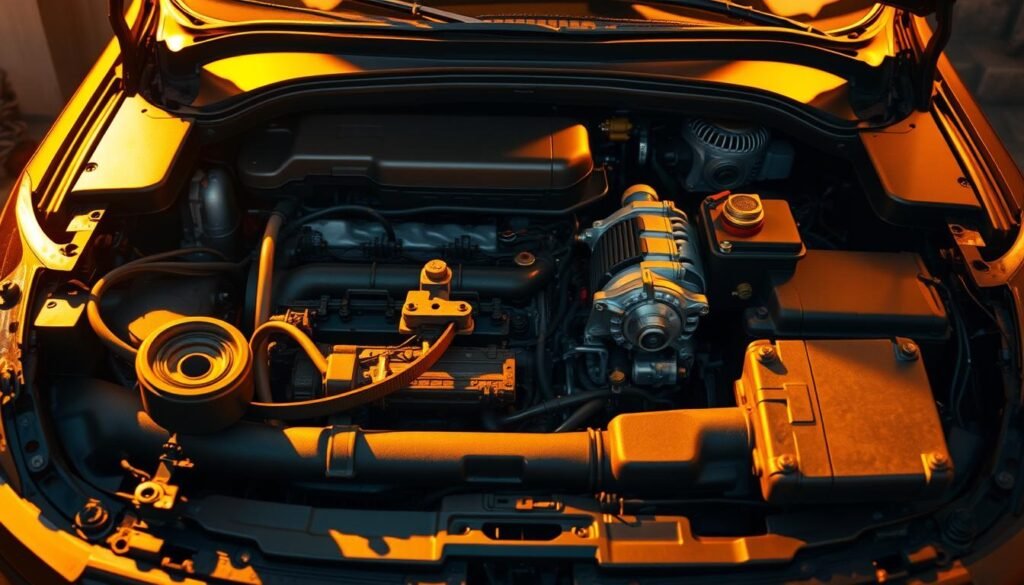
Ford Explorer Performance Over Time
As your Ford Explorer gets more miles, the way it drives can really change. Many drivers see a slow drop in how quick and smoothly it moves.
Yet, with the right care, these vehicles can still stand strong against other SUVs. We’ll look into how the driving feels changes with more miles and compare it to other vehicles.
Driving Experience as Mileage Increases
When your Ford Explorer has a lot of miles, you might notice it shows its age. Let’s think about a few things related to how it drives:
- It might not speed up as fast as it once did.
- Turning and moving through traffic could need more effort.
- The ride might feel different because the suspension parts wear out.
- It could use more gas, making trips more expensive.
Comparative Performance To Other SUVs
When looking at how the Ford Explorer holds up over time against other SUVs, we need to look at a few things.
This table shows how the Ford Explorer compares in speed, gas mileage, and handling:
| SUV Model | Acceleration (0-60 mph) | Fuel Efficiency (mpg) | Handling Rating (out of 10) |
|---|---|---|---|
| Ford Explorer | 6.0 seconds | 20 city / 28 highway | 8 |
| Toyota Highlander | 7.0 seconds | 21 city / 27 highway | 7 |
| Honda Pilot | 6.5 seconds | 20 city / 26 highway | 8 |
With good care, your Ford Explorer can keep giving you a great ride and stay tough among SUVs.
Knowing how it changes as it ages helps you take care of it better. This makes sure it keeps performing well over the years.
Ford Explorer Maintenance Tips
Keeping your Ford Explorer in great shape is key. Using smart maintenance tips makes your car perform better and last longer.
Regular check-ups avoid heavy repair costs and add years to your car’s life. Here we share vital routine care and preventive steps to keep your Explorer running smoothly.
Routine Services To Extend Lifespan
- Perform regular oil changes every 5,000 to 7,500 miles to ensure engine health.
- Rotate tires every 6,000 to 8,000 miles for even wear and better traction.
- Inspect and replace brake pads as necessary to maintain stopping power.
- Check fluid levels including coolant, brake fluid, and transmission fluid during each service visit.
- Replace air filters every 15,000 to 30,000 miles to promote better air quality and engine efficiency.
Preventive Measures For Common Issues
- Change spark plugs according to the manufacturer’s recommendations, typically around every 100,000 miles.
- Inspect the battery and clean terminals to prevent electrical issues.
- Regularly check the tire pressure to ensure safety and fuel efficiency.
- Inspect wiper blades and replace them annually for clear visibility in adverse weather.
- Maintain a thorough inspection of hoses and belts to avoid breakdowns.
Buying A Used Ford Explorer
When you’re looking to buy a used Ford Explorer, make sure to choose models praised for reliability. The ones made after 2017 often work better and have fewer problems.
It’s vital to check the vehicle’s history for any past accidents or big repairs. This helps you make a smart choice.
Choosing Models with Better Longevity
Pick model years known for lasting a long time. Try to find Explorers with strong features and not many issues reported.
The car’s upkeep history and what previous owners say are key. This knowledge guides you away from models with known issues.
Inspection and History Check
Follow these tips before you buy:
- Get a vehicle history report to see past repairs and who owned the car before.
- Do a detailed check of the engine, transmission, and suspension’s condition.
- Look for rust or corrosion signs, warning you of possible long-term problems.
- Make sure you get all maintenance records to confirm the car was well-kept.
By sticking to these steps, you increase your chances of getting a good Ford Explorer.
Owner Experiences and Testimonials
Many people who own or have owned a Ford Explorer love it for its toughness and dependability.
They often talk about how well it performs, handles, and stays comfortable over time. These stories really help us understand why people think so highly of this SUV.
Insights From Long-term Ford Explorer Owners
Owners usually say they don’t have to fix much if they take good care of their Explorer.
They tell us how the Explorer lasts a long time, making it a smart pick for both families and singles.
We hear about Explorers going over 200,000 miles without big problems, proving it’s built to last.
Community Feedback on Reliability
The community agrees the Explorer is reliable. Even though there are a few complaints, most feedback is good. People stress how taking good care of the Explorer makes it last longer.
They often talk about the need for regular check-ups and fixing things quickly, showing they trust what other owners say.
Conclusion
Ford Explorers are known for their long-lasting and reliable nature when well-cared for.
Looking into maintenance, how you drive, and common problems gives a full view of how long these cars last.
This helps you, the car owner, make smart choices to keep your Ford Explorer in top shape.
If you have a Ford Explorer or plan to get one, knowing about its lasting power is crucial. Taking care of it and driving wisely helps it stay reliable for a long time.
This means your Explorer will be a dependable car for years. Being a knowledgeable car owner benefits you and your vehicle.
It ensures your driving experience is better and your Explorer stays strong. Go forward with your journey confidently, armed with the know-how to maintain your Ford Explorer’s strength.
FAQs
Q: How long do Ford Explorers typically last?
A: Ford Explorers can last between 10 to 17 years. This depends on how well they are taken care of and how they are driven.
Q: What is the average mileage I can expect from a Ford Explorer?
A: Owners usually see their Ford Explorers reach 80,000 to 200,000 miles. Some that are kept in great shape go beyond that.
Q: How can I maximize the longevity of my Ford Explorer?
A: Doing regular check-ups like oil changes and brake checks is key. Always follow the recommended service schedule to keep it running smoothly.
Q: Are there common issues that can affect Ford Explorer longevity?
A: Yes, some issues include transmission problems in models from 2006 to 2013. Older models might use too much oil, and some have electrical issues.
Q: What driving habits can influence the durability of my Ford Explorer?
A: Driving hard can make your Explorer wear out faster. Driving carefully can make it last longer.
Q: Which model years of the Ford Explorer are considered more reliable?
A: The models made after 2018 are usually more reliable. Always check the car’s history before buying.
Q: What are some routine services I should perform on my Ford Explorer?
A: Make sure to get oil changes and check tires and brakes regularly. Changing spark plugs as needed can also prevent problems.
Q: What do owners generally say about the Ford Explorer’s performance over time?
A: Many owners say that with good care, their Ford Explorer stays reliable and performs well, even after many miles.