Ford F150 3.5 EcoBoost MPG & Urgent Efficiency Guide
Is the Ford F150 3.5 EcoBoost fuel-efficient? Yes, this truck combines power with good gas mileage. It stands out for both work and daily driving.
This guide will show you the Ford F150’s MPG ratings and tips to enhance your truck’s efficiency. The Ford F150 3.5 EcoBoost merges strength with fuel-saving features.
We’ll look into engine choices, compare MPG across models, and explore how upkeep and driving habits can impact fuel use.
Our goal is to help you get the best MPG from your EcoBoost. This way, you can save money on gas and still enjoy your truck’s power.
If you’re familiar with trucks or new to the Ford F150, this guide is for you. It’s filled with insights on maximizing your vehicle’s fuel efficiency and performance.
So, let’s get into the details and find out how to make your F150 both effective and economical.
Overview of The Ford F-150 EcoBoost Engine Options
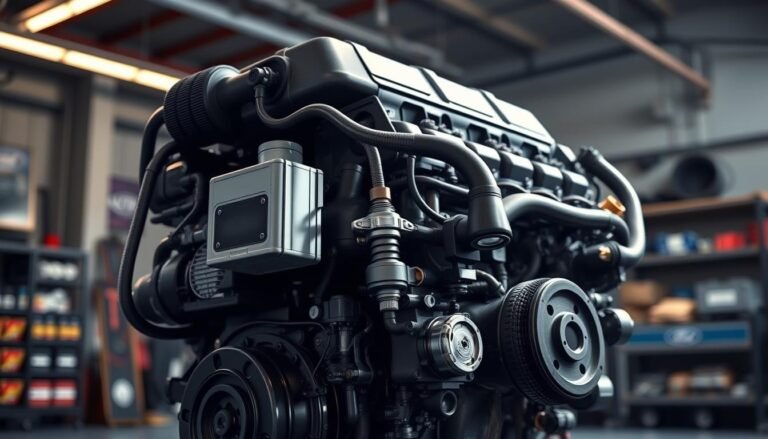
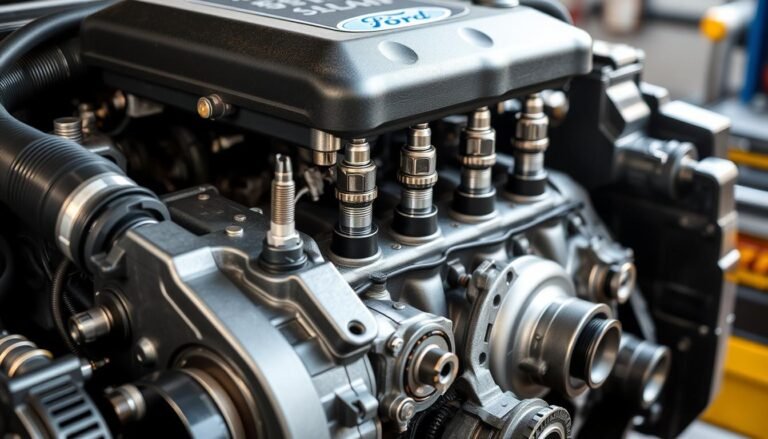
The Ford F-150 offers a range of engine choices for different needs and styles. The 3.5-liter EcoBoost V6 engine is a highlight.
It combines turbocharging with a V6 setup. This mix delivers both power and better fuel efficiency, making it a favorite among truck lovers.
The ford f150 3.5 ecoboost mpg stands out, attracting those wanting to make the most of their drive. In 2024, the Ford F150 will offer even more engine options.
Along with the EcoBoost, there’s the classic 5.0-liter V8 and the hybrid 3.5-liter PowerBoost engine.
Each engine offers unique benefits, whether it’s for towing, saving fuel, or enjoying the ride. Picking the right engine is crucial for finding the perfect Ford F-150.
Below is a table summarizing the main engine options for the 2024 Ford F-150:
| Engine Option | Type | Horsepower | Torque (lb-ft) | Estimated MPG |
|---|---|---|---|---|
| 3.5L EcoBoost V6 | Turbocharged V6 | 400 hp | 500 lb-ft | 20 city / 26 highway |
| 5.0L V8 | Conventional V8 | 400 hp | 410 lb-ft | 16 city / 22 highway |
| 3.5L PowerBoost Hybrid | Hybrid V6 | 430 hp | 570 lb-ft | 24 city / 24 highway |
Looking at these engines can help you decide which one matches your lifestyle and need for fuel economy.
What is Ford F150 3.5 EcoBoost MPG?
The Ford F-150’s 3.5-liter EcoBoost engine is known for its fuel efficiency. It is a top pick among truck lovers. Knowing its MPG ratings helps you find what suits your driving.
Getting to know how different things affect your ford f150 3.5 ecoboost mpg is key. This knowledge helps get the most out of your vehicle and boosts its fuel economy.
MPG Ratings For The 3.5 EcoBoost Engine
The Ford F-150 with the 3.5 EcoBoost engine has these fuel economy ratings from the EPA:
| Configuration | City MPG | Highway MPG | Combined MPG |
|---|---|---|---|
| 4×2 | 17 | 25 | 20 |
| 4×4 | 16 | 24 | 19 |
Factors Impacting Fuel Efficiency
Many things can change how much fuel your Ford F-150 uses. These are some of them:
- Driving Habits: Quick starts and stops can decrease your MPG.
- Maintenance: Keeping up with oil changes and air filter replacements is vital for your engine.
- Load Conditions: More weight or towing can use more fuel.
- Tire Pressure: Tires with the right air pressure improve your mileage.
Fuel Efficiency Comparisons Among F-150 Models
Looking into Ford F-150’s fuel efficiency means checking out its engines. Each one is different, so think about what you need from your truck.
The 2.7-liter EcoBoost is a standout in 2024, with 19/25/21 MPG. It’s a top choice for those wanting good gas mileage.
Comparing Different Engine Configurations
Each F-150 engine offers different fuel efficiency. Here’s a quick look at how some of them measure up:
| Engine Type | MPG City | MPG Highway | Combined MPG |
|---|---|---|---|
| 2.7L EcoBoost | 19 | 25 | 21 |
| 3.5L EcoBoost | 18 | 24 | 20 |
| PowerBoost Hybrid | 22 | 24 | 23 |
Best MPG Ford F150 EcoBoost Options
When you’re after the best ford f150 fuel efficiency, engine choice is key. The 3.5-liter EcoBoost tows well but drinks more gas than the PowerBoost hybrid.
If saving on gas matters a lot but you still want power, the 2.7-liter EcoBoost shines as the top pick.
How The 3.5 EcoBoost Stacks Against Competitors?
The Ford F-150 3.5 EcoBoost engine really shines among full-size pickups. This engine is known for its great performance and good fuel economy.
It often does better than rivals like the Chevrolet Silverado 1500 and Ram 1500, especially when it comes to towing.
People like the Ford F150 3.5 EcoBoost MPG because it’s powerful yet efficient. Here’s how the Ford F-150 stacks up against its main competitors:
| Model | Towing Capacity (lbs) | MPG City | MPG Highway | Engine Type |
|---|---|---|---|---|
| Ford F-150 3.5 EcoBoost | 14,000 | 18 | 24 | V6 Twin-Turbo |
| Chem Chevrolet Silverado 1500 | 12,500 | 16 | 21 | V8 |
| Ram 1500 | 12,750 | 20 | 25 | V8 |
The table shows that the Ford F-150 3.5 EcoBoost is top for towing. This mix of strength and efficiency makes the F-150 a top pick for those who want a dependable, fuel-saving truck.
Maximizing Fuel Efficiency in Ford F150 3.5 EcoBoost
To get the best performance and fuel economy from your Ford F-150 3.5 EcoBoost, you need to drive thoughtfully and keep up with car maintenance.
Following these steps will really help your F-150 run more efficiently.
Driving Habits For Enhanced MPG
Small changes in how you drive can make a big difference in your fuel usage. Here are some tips:
- Maintain a steady speed on highways to use less fuel.
- Try to avoid fast starts and aggressive driving to keep your MPG high.
- Keep idling short because idling wastes fuel without moving you forward.
Vehicle Maintenance Tips For Optimal Performance
Keeping your car in good shape is key to using less fuel. Here are some important things to do:
- Change the oil when it’s time to keep your engine happy.
- Make sure your tires are properly inflated to prevent wasted fuel.
- Change the air filter regularly for better air flow and engine performance.
Eco-Friendly Features of The Ford F-150
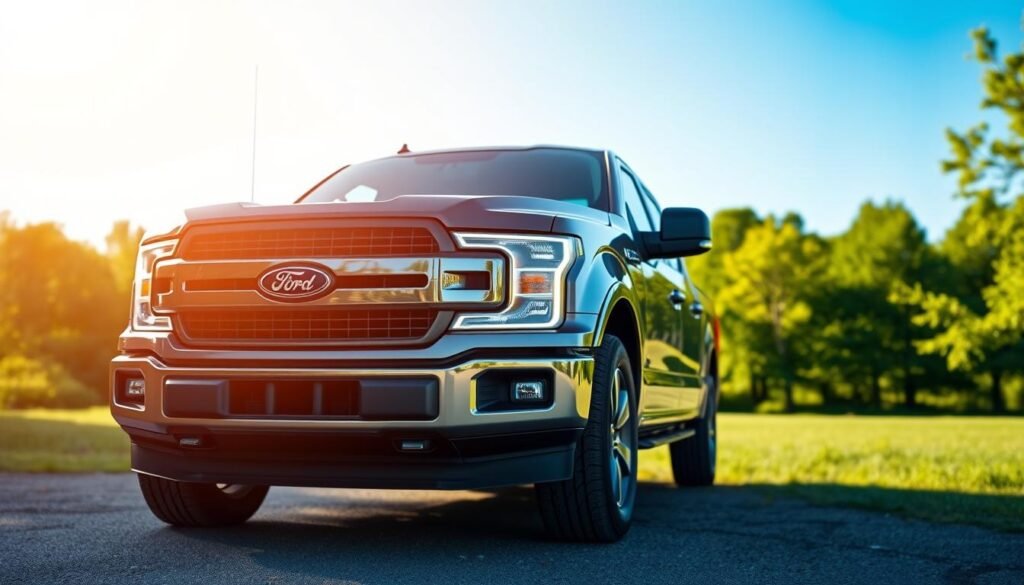
The Ford F-150 shines in the truck world with its green features. It lets drivers enjoy power without hurting the planet.
This is key for anyone wanting to lower their carbon footprint but still demand strong performance.
The truck reduces drag with its sleek design, helping to save on gas. The use of light materials makes the F-150 easier to handle and lighter.
This means it uses less fuel, letting you drive farther without spending more. It also has an Auto Start-Stop system.
This saves fuel by turning off the engine when the truck is idling. Ford shows its commitment to efficiency and greener driving with this technology.
Tips To Improve F150 EcoBoost Fuel Economy
Want to make your F-150 with an EcoBoost engine more efficient and save cash? Adopting simple strategies can make a big difference in how much fuel your truck uses.
Here’s how to do it:
- Reduce Excess Weight: Remove stuff you don’t need from your truck. Extra weight makes your engine work harder, using more fuel.
- Keep Windows Closed: At high speeds, closed windows reduce drag. This makes your truck more fuel-efficient.
- Check Tire Pressure Regularly: The right tire pressure improves safety and fuel economy; low pressure increases resistance.
- Use Cruise Control: On highways, cruise control keeps your speed steady. This often saves fuel.
- Adopt Smooth Driving Habits: Avoid speeding up and braking quickly. Smooth driving saves more fuel.
By following these tips consistently, your F150 EcoBoost can become more fuel-efficient. Every little change helps you go further on each tank of gas.
Innovative Technology For Fuel Efficiency
The Ford F-150 uses new tech to save gas and keep you safe on the road. It has systems to help you drive better and use less fuel.
These include adaptive cruise control and collision warning that stop you from speeding up and braking too much.
Smart Driving Assistance Features
Adaptive cruise control keeps a safe gap from the car in front. This is good for both safety and gas mileage.
The collision alert system warns you of danger, making driving smoother. Together, these help the Ford F-150 use less fuel by reducing sudden speed changes.
Comparative Analysis with Hybrid Options
The Ford F-150 PowerBoost hybrid is great for saving gas. It still lets you tow a lot, just like other F-150s.
Looking at hybrids vs. gas models in the F-150 range can help you choose the best one for you.
| Engine Type | Fuel Economy (City/Highway) | Towing Capacity |
|---|---|---|
| PowerBoost Hybrid | 24/24 MPG | 12,700 lbs |
| 3.5L EcoBoost Gasoline | 20/26 MPG | 14,000 lbs |
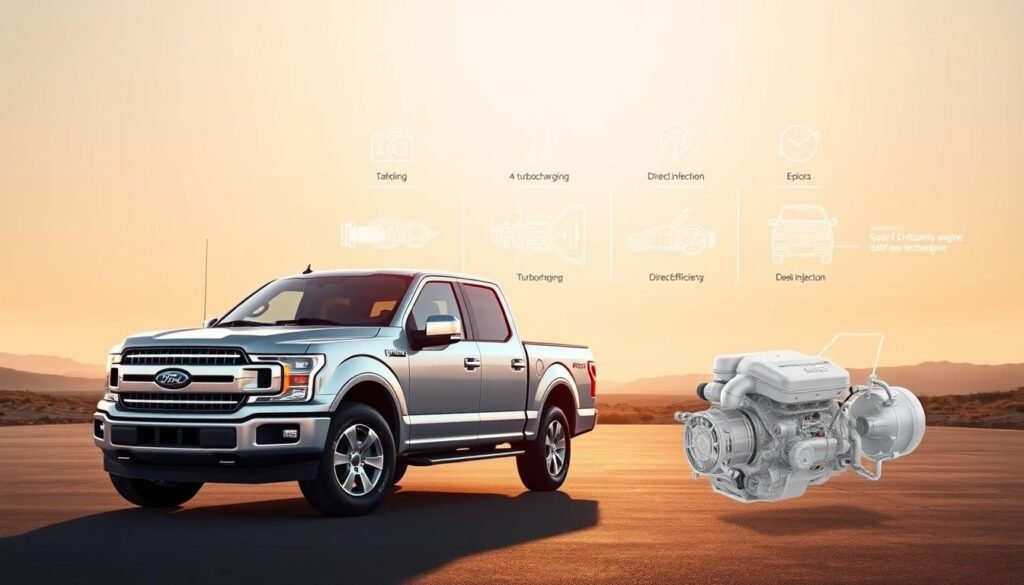
Real-World Experiences: F150 EcoBoost Fuel Economy
User comments are key to really getting how the Ford F150 3.5 EcoBoost mpg works in real life. Many drivers have talked about their driving experiences.
They cover city roads, highways, and mixed driving. Keeping up with regular maintenance helps them get mpg ratings close to what the EPA says.
User Feedback on MPG Performance
Most users are happy with the F-150’s 3.5 EcoBoost engine’s gas mileage. They say highway driving gives better mpg, but city driving is still good. This link leads to more info.
- On highways, drivers often get about 22-25 MPG.
- In cities, they usually get around 17-20 MPG.
- Carrying heavy loads or towing can reduce it to 15-17 MPG.
Driving Conditions Impacting Mileage
User stories show driving conditions affect mpg. Things like the landscape, weather, and how you drive play big roles. For example, hills can lower mpg more than flat roads.
- Driving straight on highways makes fuel last longer.
- City traffic with lots of stopping reduces mpg.
- Driving wisely can help save gas in various situations.
Compromise EPA Ratings For The Ford F-150
Knowing about EPA fuel economy ratings for the Ford F-150 makes owning one better. This info helps you see what affects its fuel efficiency.
The EPA uses a detailed method to figure out these ratings. This ensures you get true MPG numbers, which is key for making good choices.
How EPA Ratings Are Calculated
The EPA looks at several things, like engine type, how the power gets to the wheels, and how heavy the vehicle is.
These factors give a full view of how fuel-efficient the vehicle is. They do tough tests under certain conditions to get the MPG figures you see in ads.
It’s key to remember that EPA ratings are a starting point for what to expect. But real driving might give different numbers.
How you drive, the roads you’re on, and how well you keep up your vehicle matter a lot.
Knowing this lets you manage how your vehicle uses fuel, staying close to the EPA’s numbers.
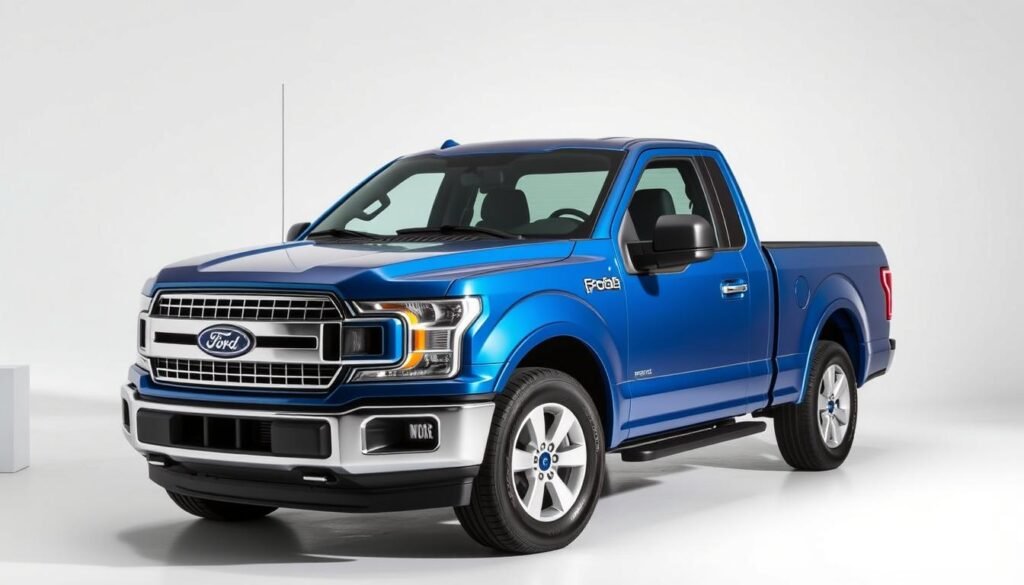
Ford F150 Gas Saving Tricks To Implement
To make your Ford F-150 more efficient, start with simple gas-saving tricks. These tips can boost your truck’s performance.
Let’s look at some strategies designed especially for Ford F-150 owners:
- Use Quality Fuel: Invest in top-tier gasoline. Better fuel provides cleaner combustion, ensuring you get the most out of your F-150 EcoBoost.
- Maintain Proper Tire Pressure: Regularly check and inflate your tires to the manufacturer-recommended levels. Under-inflated tires increase rolling resistance and negatively impact fuel efficiency.
- Perform Regular Engine Check-Ups: Schedule maintenance checks to ensure components like air filters, spark plugs, and injectors are functioning optimally. This enhances overall performance and conserves fuel.
- Monitor Driving Habits: Adopt gentle acceleration and braking practices. Harsh driving can lead to increased fuel consumption, undermining the f150 ecoboost gas mileage tips you implement.
- Reduce Weight: Minimize unnecessary cargo and remove rooftop carriers when not in use. A lighter truck consumes less fuel.
By using these Ford F150 gas saving tricks, you gain control over your vehicle’s efficiency. Stick with them, and you’ll see a drop in your fuel costs.
Future of Fuel Efficiency in Ford Trucks
Ford trucks are getting more fuel-efficient, thanks to the company’s hard work. They’re focusing on new technologies.
This includes creating hybrid and electric trucks, like the Ford F-150 Lightning. This truck doesn’t use gas and is a big step towards cleaner air.
The electric F-150 Lightning helps keep the planet clean. It also saves money on gas over time. Ford is using new tech to make trucks that use less fuel but still perform well.
In the future, Ford trucks will see big changes, including:
- Improved batteries that charge fast and go further.
- Smart systems that help drivers save fuel.
- Hybrid engines that don’t skimp on power.
- Lighter materials for better fuel economy and performance.
With these updates, Ford trucks are becoming more eco-friendly. They’re also offering more to buyers who care about the Earth.
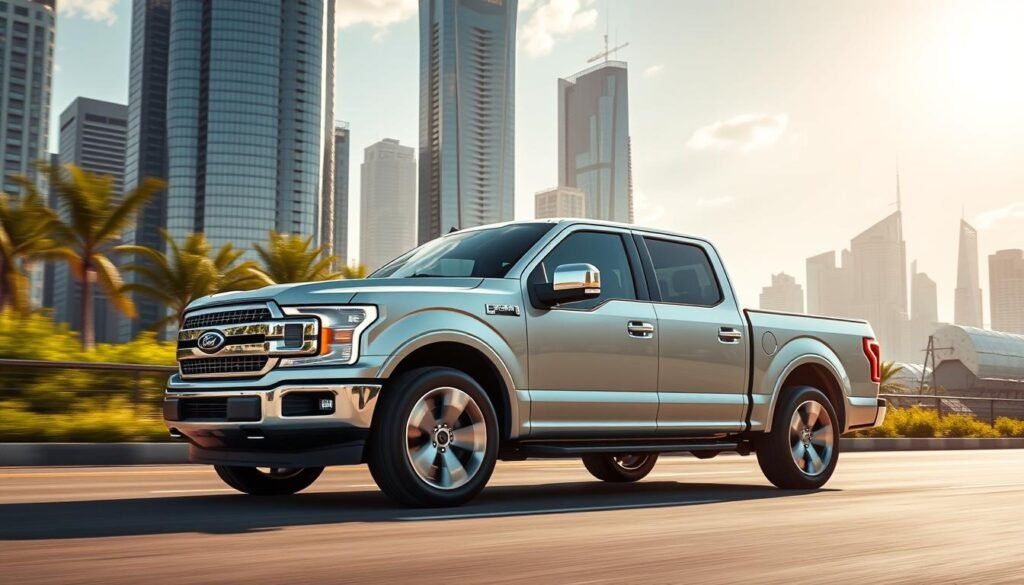
| Model | Type | Fuel Efficiency (MPGe) | Features |
|---|---|---|---|
| Ford F-150 Lightning | Electric | Over 70 MPGe | Zero emissions, Smart towing, Advanced connectivity |
| Ford F-150 Hybrid | Hybrid | Over 24 MPG | Powerboost technology, Intelligent all-wheel drive |
| Ford F-150 EcoBoost | Gasoline | Up to 27 MPG | Turbocharged engines, Eco mode efficiency |
Conclusion
The Ford F-150 3.5 EcoBoost is a top choice for its strong power and great gas mileage.
Knowing how the ford f150 3.5 ecoboost mpg works helps you make smart choices about your truck’s use and costs.
We’ve explained the important features of this engine, showing how it’s built and what it can do. To keep your F-150 running well and save on gas, follow our tips.
From how you drive to the latest tech, our guide to ford f150 fuel efficiency shows how to cut fuel expenses but still have a powerful ride.
Using these tips every day can make your Ford F-150 run well for a long time. The 3.5 EcoBoost engine is made for efficiency without losing power. It’s perfect for city driving or off-road adventures.
FAQs
Q: What is the EPA-estimated fuel economy for the 2024 Ford F-150 3.5 EcoBoost?
A: The 3.5 EcoBoost engine boasts an EPA-estimated 17 MPG in the city and 25 MPG on the highway for 4×2 setups. It also averages 20 MPG combined. The 4×4 models get 16 MPG in the city and 24 MPG on the highway.
Q: How can I improve the fuel efficiency of my Ford F-150 EcoBoost?
A: To boost your truck’s fuel efficiency, keep your speed steady and avoid fast starts. Also, lighten your load and keep windows shut on the freeway. Regular maintenance, like oil changes and keeping tires properly inflated, helps too.
Q: How does the F-150 3.5 EcoBoost compare with other pickup trucks regarding fuel efficiency?
A: Compared to rivals like the Chevrolet Silverado and Ram 1500, the EcoBoost engine offers great towing power and competitive MPG numbers. This makes the F-150 a top choice in the full-size truck segment.
Q: What driving habits should I adopt to enhance my F-150’s MPG?
A: To better your F-150’s MPG, gradually speed up, maintain even speeds, and limit idling time. These steps will help improve fuel efficiency.
Q: What eco-friendly features does the Ford F-150 offer to improve fuel efficiency?
A: The Ford F-150 features slick aerodynamics and uses lightweight materials to improve MPG. It also has fuel-saving tech like the Auto Start-Stop system, lowering gas use in city drives.
Q: What are some gas-saving tricks specifically for Ford F-150 owners?
A: F-150 owners can save gas by using top-quality fuel and getting regular engine check-ups. Also, keeping your tires at the right pressure and reducing idle time helps.
Q: How does the EPA calculate the fuel economy ratings for the Ford F-150?
A: The EPA’s fuel economy ratings consider the engine type, drivetrain, and vehicle weight. They use specific tests to generate MPG estimates under standard conditions.
Q: What future trends in fuel efficiency can I expect from Ford trucks?
A: Looking ahead, Ford is focusing on hybrid and electric trucks, like the electric Ford F-150 Lightning. These promise no emissions and lower fuel costs over time.