Ford 6.7 Diesel Problems Exclusive Issues & Common Malfunctions
The Ford 6.7L Power Stroke diesel engine is popular among truck enthusiasts. It delivers strong performance and can carry heavy loads with ease.
But, you might run into some common issues that can affect its efficiency and reliability.
In this guide, we’ll explore the typical problems found in the Ford 6.7 diesel engine. We’re talking about EGR cooler failures, fuel injector problems, and more.
You’ll learn about the symptoms of these issues and get tips on fixing them. Knowing ford 6.7 diesel problems will help you keep your vehicle in top shape.
Introduction To The Ford 6.7 Diesel Engine
The Ford 6.7 diesel engine is known for its strength. It is a V8 turbocharged beast that performs greatly.
With its huge torque and horsepower, it’s perfect for tough jobs that Super Duty trucks face. This engine uses advanced fuel tech for quick response and fuel efficiency.
That’s key for diesel engines. Ever since it joined the Super Duty series, it’s only gotten better. It’s all about boosting its reliability and performance.
Knowing how the Ford 6.7 diesel engine works is key. It helps with upkeep and fixing issues. This way, your Super Duty truck stays at its best for longer.
Is The Ford 6.7 Diesel A Reliable Engine?
The Ford 6.7 diesel engine is well-known for its strong build and its ability to handle heavy loads.
Owners are happy with how reliable it is, saying it lasts many years with the right care. This makes the Ford 6.7 a top pick for truck lovers.
However, the engine does have some issues, like EGR cooler and turbocharger failures.
This highlights why it’s important to follow the maintenance schedule closely. Staying on top of engine care can help avoid these common problems.

With proper maintenance, the Ford 6.7 diesel is both powerful and reliable. Knowing the engine’s pros and cons helps owners use it to its fullest, while avoiding common reliability issues.
Common Ford 6.7 Diesel Problems
The Ford 6.7 diesel engine is great for its power, but it does have issues. Knowing these problems lets you fix them early, so your vehicle stays in good shape. Here are some common issues to watch out for.
EGR Cooler Issues
EGR cooler problems are big with the ford 6.7 diesel engines. These coolers can get clogged or break, hurting performance and making more emissions.
If the EGR cooler breaks, coolant can leak into the intake, causing misfires and damage over time.
Diesel Turbo Failure
The turbo can also fail, which is a big problem for the Ford 6.7 diesel. You might notice less power and weird noises.
Keeping up with car maintenance can prevent this. But, a broken turbocharger might mean a costly fix.
Fuel Injector Failure
Another issue is with the fuel injectors. When they’re clogged or broken, your car might idle rough, use more fuel, and not speed up well.
Cleaning them regularly and using good fuel can help stop worse problems.
EGT Sensor Failure
Problems can also happen with the Exhaust Gas Temperature (EGT) sensor. A broken sensor can give wrong readings, affecting how well your engine runs and controls emissions.
It’s important to replace any sensors that aren’t working right.
Radiator Coolant Leaks
Coolant leaks from the radiator are also common and can cause your engine to overheat if not fixed.
Check your cooling system often and keep an eye on coolant levels to avoid this problem and prevent big damage to your engine.
Troubleshooting Ford 6.7 Diesel Problems
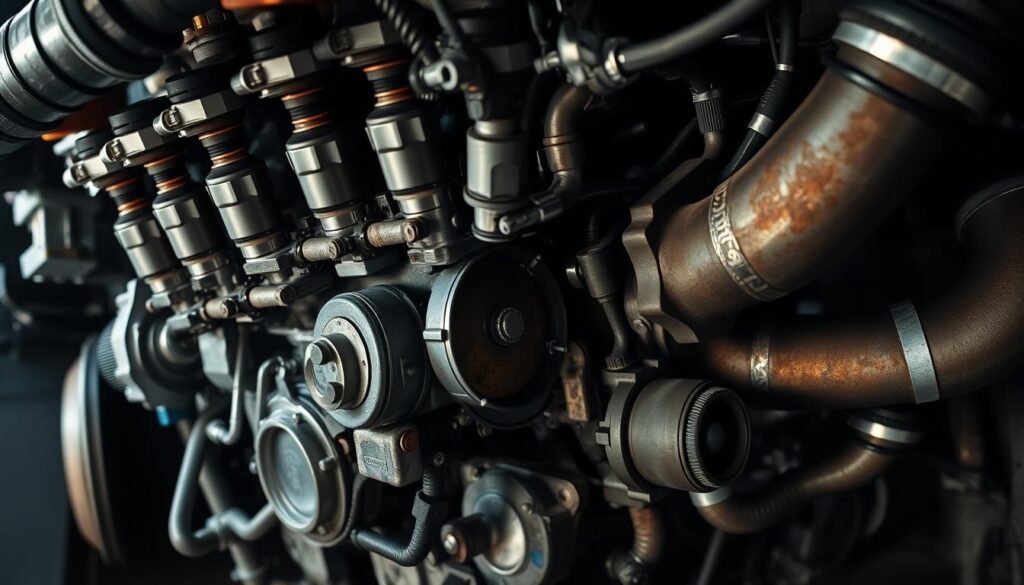
Learning to fix Ford 6.7 diesel issues can improve its performance and lifespan. Recognizing early symptoms stops minor problems from becoming major.
Look out for lower performance, strange sounds, or dashboard lights. Addressing these signs quickly matters a lot.
Identifying Symptoms
Correctly spotting problems with your Ford 6.7 diesel is key. Watch for these trouble signs:
- Decreased Power: Performance drops, especially during acceleration, are noticeable.
- Unusual Sounds: Clicking, knocking, and hissing noises suggest issues.
- Warning Lights: Alerts on the dashboard mean something needs checking.
- Poor Fuel Economy: A sudden decrease in fuel efficiency is a warning.
- Difficulty Starting: Starting troubles might point to fuel system or electrical issues.
Regular Maintenance Tips
Regular upkeep can extend your Ford 6.7 diesel’s life. Try these tips:
- Change Oil Regularly: Keep up with the manufacturer’s oil change schedule.
- Inspect Filters: Frequent inspections and changes help airflow and fuel delivery.
- Monitor Coolant Levels: Watch your fluid levels to avoid overheating.
- Check Battery Health: A healthy battery ensures reliable starts.
- Schedule Professional Inspections: Yearly exams by experts can prevent big problems.
Ford 6.7 Diesel Repair Tips
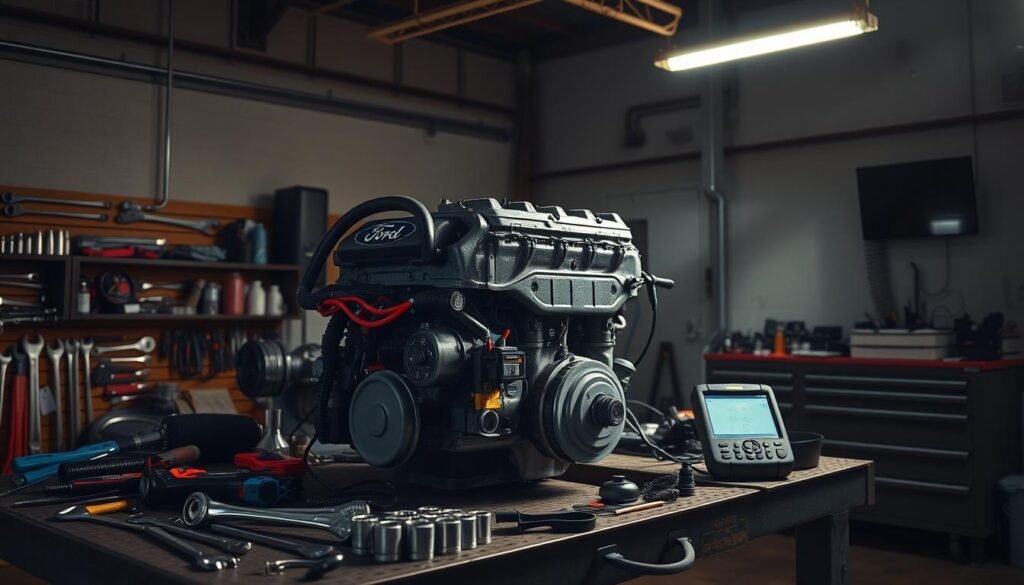
Fixing problems with the Ford 6.7 diesel engine starts with being ahead of the game. Regular checks and taking care of your engine early can prevent big repair bills.
Here are some tips for Ford 6.7 diesel engine care:
- Use top-notch engine oil and fuel to reduce engine wear.
- Change old parts like the fuel filter housing early to avoid leaks from weak plastics.
- Make upgrades to parts like the cold-side charge pipe to increase their strength and reliability.
By following these guidelines, you can deal with Ford 6.7 diesel problems more effectively. It also helps your engine last longer.
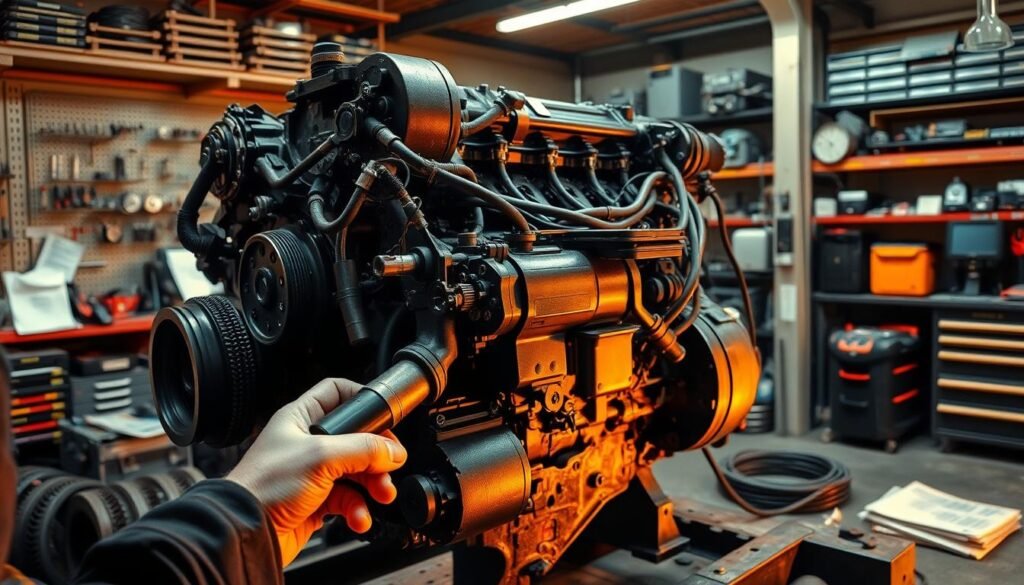
What is Known Faults with Ford 6.7 Diesel?
The Ford 6.7 diesel engine is robust but has its problems. Owners have found several issues that can lower performance and dependability.
One big issue is the failure of the high-pressure fuel pump, which can cause power loss and make the engine act up.
The fuel system is key to the engine’s performance. So, it’s important to fix any problems in that area quickly.
Problems with the DEF (Diesel Exhaust Fluid) system are also common. These issues can set off warning codes.
This affects how the vehicle drives and its emissions compliance. Knowing about these problems helps you deal with them quickly.
Other issues include sensors not working right and troubles with exhaust gas recirculation (EGR) parts.
Keeping an eye on these and doing regular maintenance can stop them from getting worse. Knowing these common problems helps with managing your vehicle better.
| Fault Type | Description | Impact | Potential Solution |
|---|---|---|---|
| High-Pressure Fuel Pump | Failure in fuel delivery | Loss of power, rough idling | Replacement of pump |
| DEF System Errors | Warning codes related to emissions | Reduced drivability, compliance issues | Diagnostic check and repairs |
| EGR Component Issues | Blockages affecting exhaust flow | Increased emissions, poor performance | Cleaning or replacement of components |
| Sensor Failures | Faulty readings leading to engine management issues | Engine warning lights, performance drops | Replace faulty sensors |
Ford 6.7 Powerstroke Concerns
It’s important to know about ford 6.7 powerstroke concerns if you use your engine for heavy duties.
Issues often arise from managing fuel under hard work. This leads to overheating, showing the cooling system might be overwhelmed.
To lower these risks, keep these points in mind:
- Monitor engine temperatures during towing operations.
- Ensure that the cooling system is fully functional.
- Maintain proper fuel quality and management practices.
Regular check-ups and staying ahead of maintenance can reduce ford 6.7 powerstroke concerns.
Knowing how your engine handles stress helps understand its durability. This lets you make smart choices on repairs or changes needed.
| Concern | Description | Mitigation Strategy |
|---|---|---|
| High-Performance Towing | Increased strain on engine components during heavy loads. | Regularly check towing capacity and adjust driving style accordingly. |
| Fuel Management | Variations in fuel quality can affect engine performance. | Use high-quality diesel and consider additives when necessary. |
| Overheating | Engine can overheat due to extended load conditions. | Install a performance intercooler to enhance cooling efficiency. |
Cold Side Charge Pipe Failure
The performance of a Ford 6.7 turbo can suffer from cold side charge pipe failure. The original plastic pipes often break under high boost, leading to power loss.
This can slow down your vehicle and make it less efficient. Switching to metal charge pipes can boost reliability and performance.
These stronger pipes stand up better in harsh conditions, keeping airflow to the engine smooth. More airflow means a turbo that responds better, making your drive stronger and more fun.
For those thinking about switching, here’s a table showing the differences:
| Feature | Stock Plastic Pipe | Upgraded Metal Pipe |
|---|---|---|
| Durability | Moderate | High |
| Resistance to High Boost | Low | High |
| Weight | Lightweight | Heavier |
| Performance Impact | Variable | Consistent Improvement |
Choosing a sturdy metal pipe instead of the standard plastic can help you avoid problems.
It not only makes your Ford 6.7 turbo more reliable but also unlocks your engine’s full power.
CP4 Injection Pump Issues
The CP4 injection pump is known for failing often, causing big problems for the ford 6.7 fuel system. When it breaks, it sends metal pieces through the fuel system.
This leads to expensive repairs and worse performance. The metal can damage many parts of the engine, causing more problems.
Changing fuel filters regularly is key to avoid these issues. Clean fuel helps prevent metal from harming the engine.
Adding filtration kits adds more protection, helping your engine stay safe from harm. Knowing about these possible issues lets you take care of your vehicle better.
Keeping up with maintenance, especially checking the CP4 pump, can stop problems early. This care keeps your engine running longer and more reliably.
Conclusion
Knowing the common issues with the Ford 6.7 diesel is key for keeping your truck running well.
We’ve pointed out several problems that can hit your engine’s performance, like EGR cooler troubles and CP4 pump issues.
Catching these problems early is vital to avoid expensive fixes and missing your truck while it’s down.
Sticking to a regular maintenance schedule for your Ford 6.7 diesel helps a lot. It makes sure your truck stays in top shape and runs great.
Doing routine checks and fixing problems early keeps your truck performing its best. It helps you get the most out of your Ford 6.7 Diesel.
Overall, knowing the challenges your Ford 6.7 diesel might face helps you handle them better.
By focusing on maintenance and watching for early warning signs, you keep your truck going strong. This way, you protect your truck and your investment for the long haul.
FAQs
Q: What are the common issues with the Ford 6.7 diesel engine?
A: The Ford 6.7 diesel often faces EGR cooler failures and fuel injector issues. Turbo problems and CP4 injection pump issues are also common. These can lead to fuel system contamination.
Q: How can I troubleshoot Ford 6.7 diesel problems?
A: Look for signs like reduced power, odd noises, or alert lights on the dash. Keeping up with checks and maintenance is key.
Q: Is the Ford 6.7 diesel engine reliable?
A: When well-kept, the Ford 6.7 diesel engine is usually dependable. Users often feel happy with it, but staying on top of upkeep is crucial.
Q: What maintenance tips can help avoid Ford 6.7 diesel issues?
A: Opt for top-grade engine oil and fuel. Swap out failing parts like the fuel filter housing. Choose sturdier upgrades for components such as the cold-side charge pipe.
Q: How does the CP4 injection pump affect the Ford 6.7 diesel?
A: The CP4 pump often fails, sending metal bits into the fuel system. Changing the fuel filters often can lessen this issue.
Q: What should I be aware of regarding Ford 6.7 Powerstroke concerns?
A: Keep an eye on how the engine runs when towing. Heavy loads can cause overheating.
Q: How can I fix Ford 6.7 diesel issues myself?
A: Tackle some troubles with regular care, swapping out old parts, and learning about common issues. Yet, some problems might need an expert’s touch.
Q: What are signs of EGR cooler failure in the Ford 6.7 diesel?
A: Look out for coolant leaks, the engine getting too hot, and loss of power. Catching these early can stop worse damage.