Ford 6.7 Belt Routing Single Alternator Best 9 Guide
Wondering how to set up the serpentine belt on a Ford 6.7 Powerstroke with one alternator?
Proper setup helps your engine work well and last longer. This guide shows you how to do it right, from spotting key parts to avoiding common mistakes.
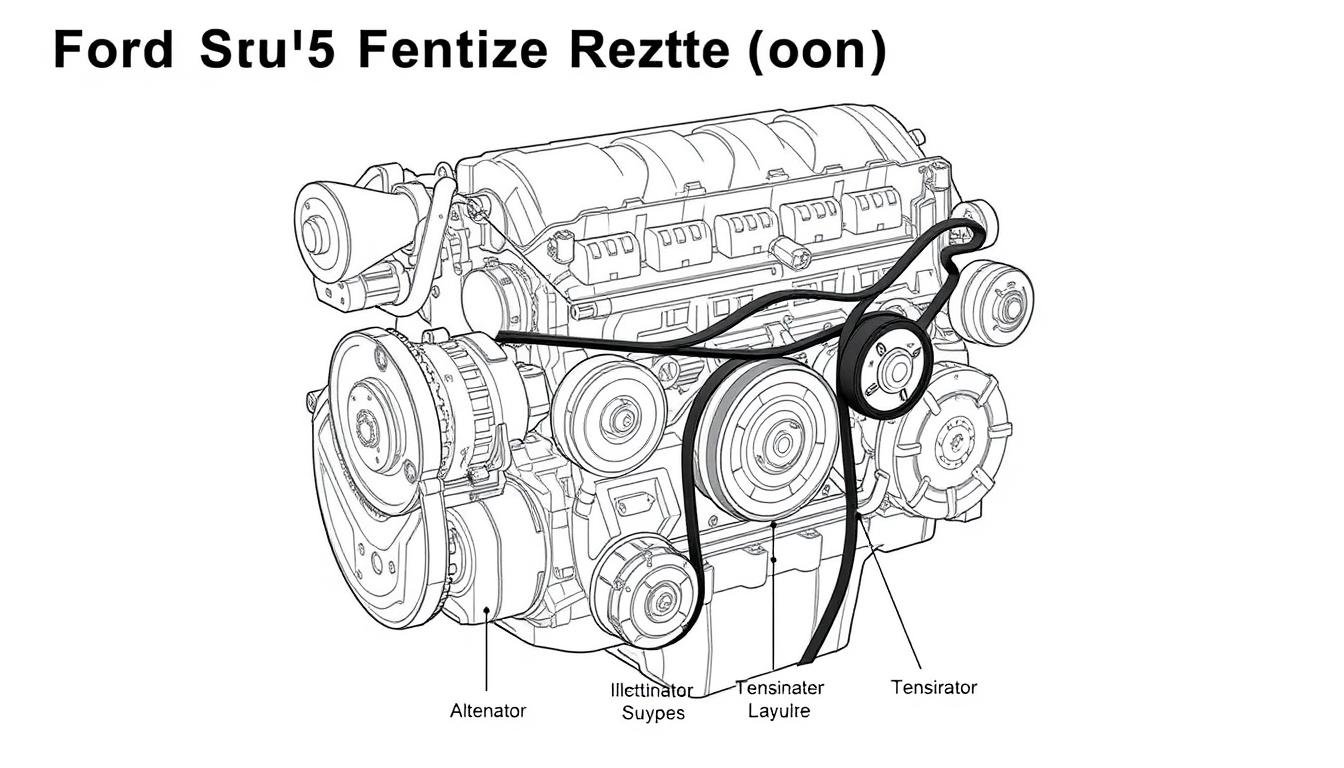
We’ll explain why it’s crucial to route your serpentine belt the right way. You’ll get a step-by-step diagram for the ford 6.7 belt routing single alternator.
It’s designed to make your engine run smoothly. This easy-to-follow guide is great for anyone, whether you’re doing it yourself for the first time or you’re experienced.
Introduction To Ford 6.7 Belt Routing Single Alternator
The Ford 6.7L Powerstroke diesel engine is known for its impressive power and efficiency. It’s a top choice among truck lovers.
Learning the Ford 6.7 Powerstroke belt routing is key to keeping this engine running well.
Proper belt routing boosts the engine’s performance and makes sure vital parts like the alternator and water pump work right.
Knowing how to handle the serpentine belt is crucial for maintenance. This part of the guide highlights the importance of correct belt routing.
It gets you ready for more detailed information. You’ll see how proper belt placement is essential for your vehicle’s function and life.
What is The 6.7L Powerstroke Engine?
The 6.7L Powerstroke engine was introduced in 2011. It quickly became a key part of Ford’s heavy-duty trucks.
Known for its high performance, reliability, and fuel efficiency, it’s great for both personal and commercial use.
This engine is designed to handle tough jobs while saving on gas. The engine uses turbocharging and intercooling to improve power.
By adding more air to the combustion chamber, turbocharging increases power and fuel efficiency. Intercooling keeps the intake air cool, preventing overheating and enhancing efficiency.
It’s important to understand parts like the alternator and serpentine belt for upkeep. The alternator charges the battery and powers the truck’s electrical systems.
The serpentine belt makes sure things like the alternator work properly. Knowing these parts helps you get more from your engine.
| Specification | Detail |
|---|---|
| Engine Type | 6.7L V8 Turbo Diesel |
| Horsepower | 450 hp at 2,800 rpm |
| Torque | 1,000 lb-ft at 1,600 rpm |
| Fuel System | Direct Injection |
| Transmission Options | 6-Speed Automatic |
| Max Towing Capacity | 37,000 lbs (when properly equipped) |
Importance of Proper Belt Routing For Functionality
Getting the belt route right is key for your Ford 6.7 engine to work well. The serpentine belt connects important parts like the alternator and water pump.
If routed wrong, these parts can wear out fast, making your engine less efficient. Don’t ignore the dangers of a bad belt route.
A wrong belt can make the water pump fail, causing your engine to overheat. It can also make the alternator work poorly, hurting your car’s electrical systems.
This could even lead to your vehicle breaking down. It’s important to follow the maker’s guide for routing the belt.
When done correctly, everything runs smoothly. Knowing this helps keep your car in good shape, avoiding expensive fixes later.
Ford 6.7 Belt Routing Single Alternator
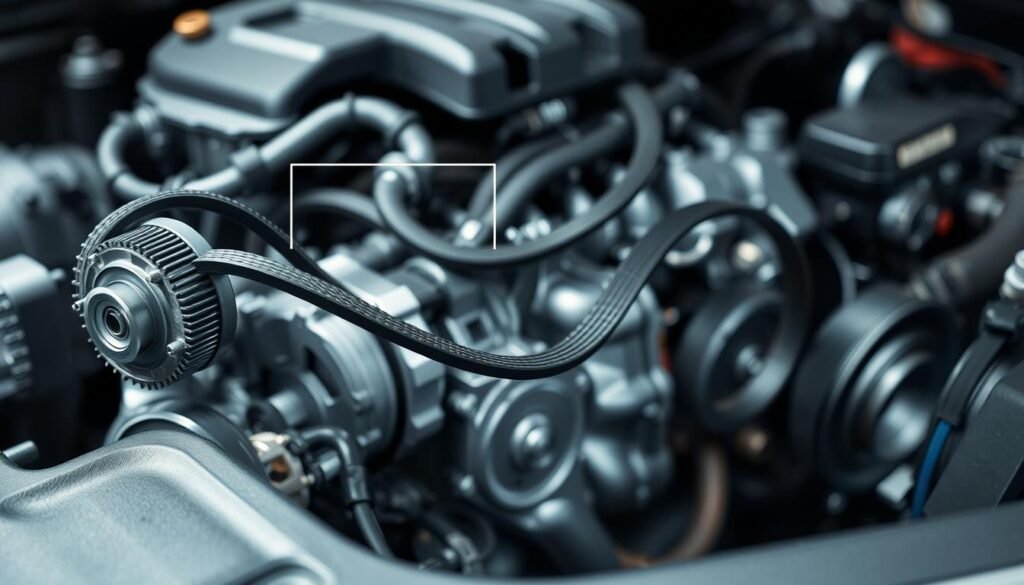
The ford 6.7 belt routing single alternator engine uses a single alternator to manage power.
This makes maintenance easier and reduces failure points. It’s important to route the belt correctly to keep the engine running well.
Overview of Single Alternator Configuration
With one alternator, the Ford 6.7 engine’s electrical system is simpler. This setup ensures better reliability.
It’s straightforward to fix and maintain, boosting engine performance and efficiency.
Common Issues with Incorrect Belt Routing
Correct belt routing is key to avoid problems. The wrong path can cause interference and wear. It also strains the alternator and other parts.
Proper routing keeps the alternator working well, preventing costly repairs.
Components Driven by The Serpentine Belt
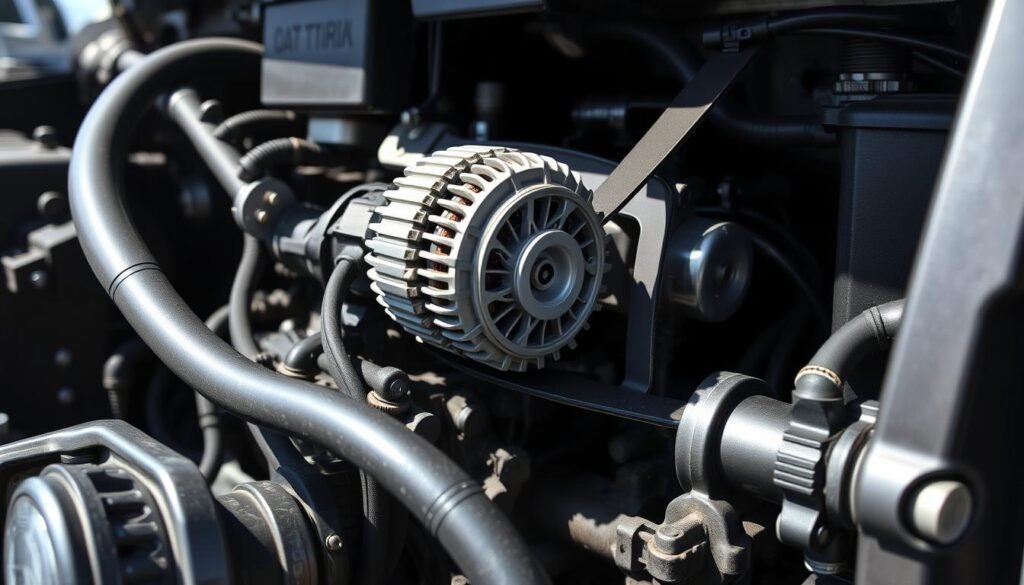
The serpentine belt is key to your Ford 6.7’s performance. It powers important parts that keep your vehicle running smoothly.
Knowing what these ford 6.7 components are and the issues a bad belt can cause is crucial.
How The Belt Affects The Alternator and Water Pump
The belt is vital for the alternator’s function, charging the battery and powering your car’s electric system.
A damaged belt may cause the alternator to underperform. This affects the battery and how well it works.
It also runs the water pump, keeping the engine cool by moving coolant. If the belt fails, your engine could overheat. This threatens the engine’s health.
Impact on Additional Components Like A/C and Fan
But it’s not just about the alternator and water pump. The belt also keeps your A/C compressor working. Without it, you won’t get cold air, reducing comfort when it’s hot.
It drives the cooling fan too, important for keeping the engine at the right temperature. A malfunctioning belt can harm these parts, lowering your car’s performance.
Visual Guide: Ford 6.7 Belt Diagram
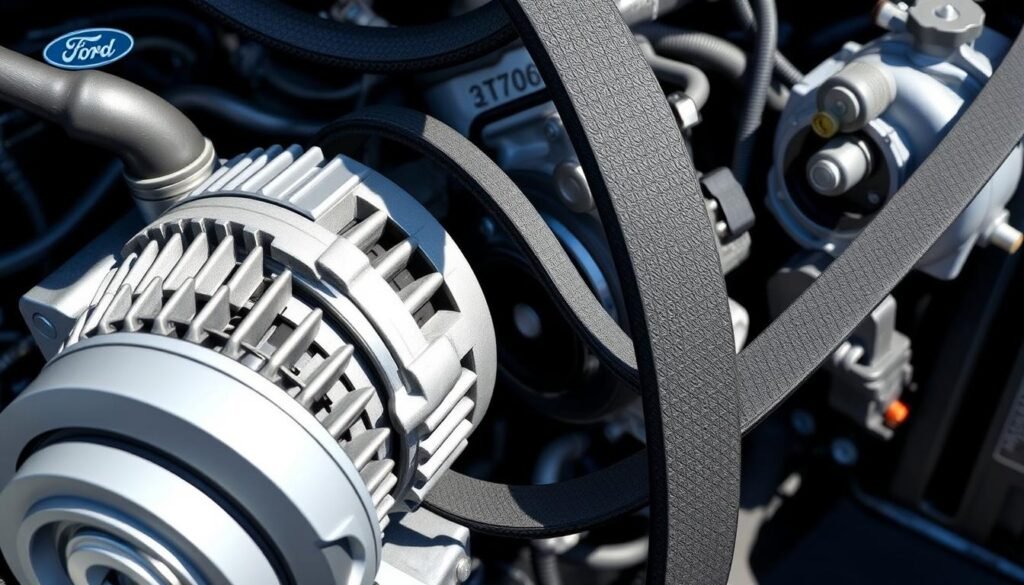
This visual guide makes the serpentine belt routing simple to understand. It uses the ford 6.7 belt diagram to show where each pulley and component is located.
ford 6.7 belt routing single alternator With this diagram, you can easily figure out where to place the belt.
Learning The Various Pulley Locations
Knowing where each pulley is located is crucial for proper belt installation. Every piece, like the idler pulley and tensioner, is important for your vehicle’s performance.
Using the correct setup in the ford 6.7 belt diagram helps your serpentine system work smoothly, making your truck run better.
Identification of Key Components on The Belt Diagram
The belt diagram does more than show where the pulleys go. It also points out important parts you need to recognize, such as:
- Alternator
- Water Pump
- Power Steering Pump
- A/C Compressor
- Idler Pulley
- Tensioner
Identifying these pieces in the ford 6.7 belt diagram helps you make sure everything works right. This helps avoid problems later.
Steps For Routing The Ford 6.7 Serpentine Belt
For a successful serpentine belt installation on your Ford 6.7, follow these steps closely. Make sure you have your ratchet and socket set ready before you start.
- Begin by disconnecting the negative battery terminal. This step prevents electrical problems.
- Find the belt routing diagram on the engine cover. You will use this for guidance.
- Use a ratchet to ease tension on the tensioner pulley and remove the old belt. Be careful as you guide it off the pulleys.
- Check all pulleys and components for wear or damage. Replace any that are not in good shape.
- Place the new serpentine belt according to the diagram, making sure it goes around the pulleys the right way.
- After the belt is in place, double-check its alignment. Adjust as needed.
- Reapply tension to the tensioner pulley with your ratchet to secure the belt.
- Make sure the belt sits well on all pulleys and the tension is correct.
- Finally, reconnect the negative battery terminal. Start the engine to ensure everything is working as it should.
Common Mistakes To Avoid When Changing The Belt
Replacing a serpentine belt looks easy, but some car owners make mistakes routing the belt. These errors can cause big problems.
Knowing what to avoid helps improve your fixing skills and keeps your car running better, longer.
Misrouting Over/Under The Idler Pulley
One major issue is putting the serpentine belt wrong around the idler pulley. This misstep can cause a few big problems:
- Increased wear on the belt from not touching the pulleys right.
- Driven parts like the alternator won’t work as well.
- The belt may make noise if it slips out of place.
Effects of Improper Tensioning on Performance
Getting the belt tension right is also key. If it’s not, you might see:
- Slippage of the belt, affecting how well it generates power or cools.
- Early damage, meaning you’ll have to replace the belt sooner.
- Accessories like the air conditioning and water pump might not work smoothly.
Routine Maintenance: When To Replace The Serpentine Belt
Keeping up with your Ford 6.7 engine’s serpentine belt is key. An inspection will reveal if wear and tear make a replacement needed.
Look out for cracks, fraying, or a shiny surface on the belt. Strange noises from the engine might show there’s a belt issue.
A squealing sound often means the belt is slipping. This could lead to serious problems if not fixed. Also, if the alternator or water pump loses power, the belt might be worn out.
Following a set schedule for replacing your Ford 6.7 belt helps your vehicle run smoothly. Track your mileage and service dates to plan maintenance well.
Your owner’s manual will tell you how often to replace the belt. Being proactive helps avoid sudden car troubles that are expensive and annoying.
By looking for signs and following a regular maintenance plan, you keep your vehicle in great shape.
Conclusion
This guide showed you how to manage your vehicle’s serpentine belt system. Knowing how important the serpentine belt is, is crucial.
It helps with the alternator and water pump. Using the right routing techniques helps avoid problems. This means your engine runs better for a longer time.
Checking and properly routing your belt boosts your car’s performance. It also makes it last longer.
With this knowledge, you can take care of your vehicle better. Applying what you’ve learned saves you time and money.
FAQs
Q: What is the correct belt routing for a Ford 6.7 Powerstroke with a single alternator?
A: The right way to route a belt on a Ford 6.7 Powerstroke with a single alternator is by following a specific path. This path includes the alternator, water pump, idler pulley, and tensioner. Check the belt diagram provided for the exact routing.
Q: How often should I replace the serpentine belt on my Ford 6.7?
A: You should check the serpentine belt regularly. This is typically every 60,000 to 100,000 miles. Or, follow what your vehicle’s owner manual says. If you find cracks or fraying, it’s time to replace it.
Q: What are the symptoms of a failing serpentine belt?
A: If your serpentine belt is failing, you might hear squeaking noises from the engine. You could also lose power steering. Other signs are an overheating engine or an alternator that fails. Fix these signs quickly to avoid more damage.
Q: Can I replace the serpentine belt myself?
A: Yes, changing the serpentine belt by yourself is possible with the right tools. Make sure you follow detailed instructions. Also, use the belt routing diagram to avoid making mistakes.
Q: What are the common mistakes to avoid when routing the Ford 6.7 serpentine belt?
A: When routing the Ford 6.7 serpentine belt, people often mess up. They might route the belt wrong over the idler pulley or not tension the belt enough. Both can cause your belt to wear out fast and make your vehicle run poorly.
Q: How do I know if my belt tensioner is functioning properly?
A: A good belt tensioner keeps the right amount of tension on the serpentine belt. It should not be too loose. Check for wear or if the belt feels loose. If so, you might need a new tensioner.
Q: Is there a visual guide available for the Ford 6.7 belt routing?
A: Yes, there is a visual guide available. It has a belt diagram that shows the correct routing. This guide helps with installation and keeps your vehicle running smoothly.