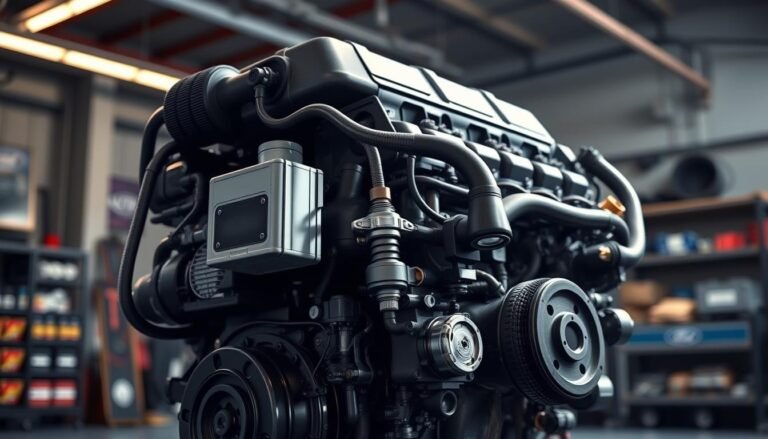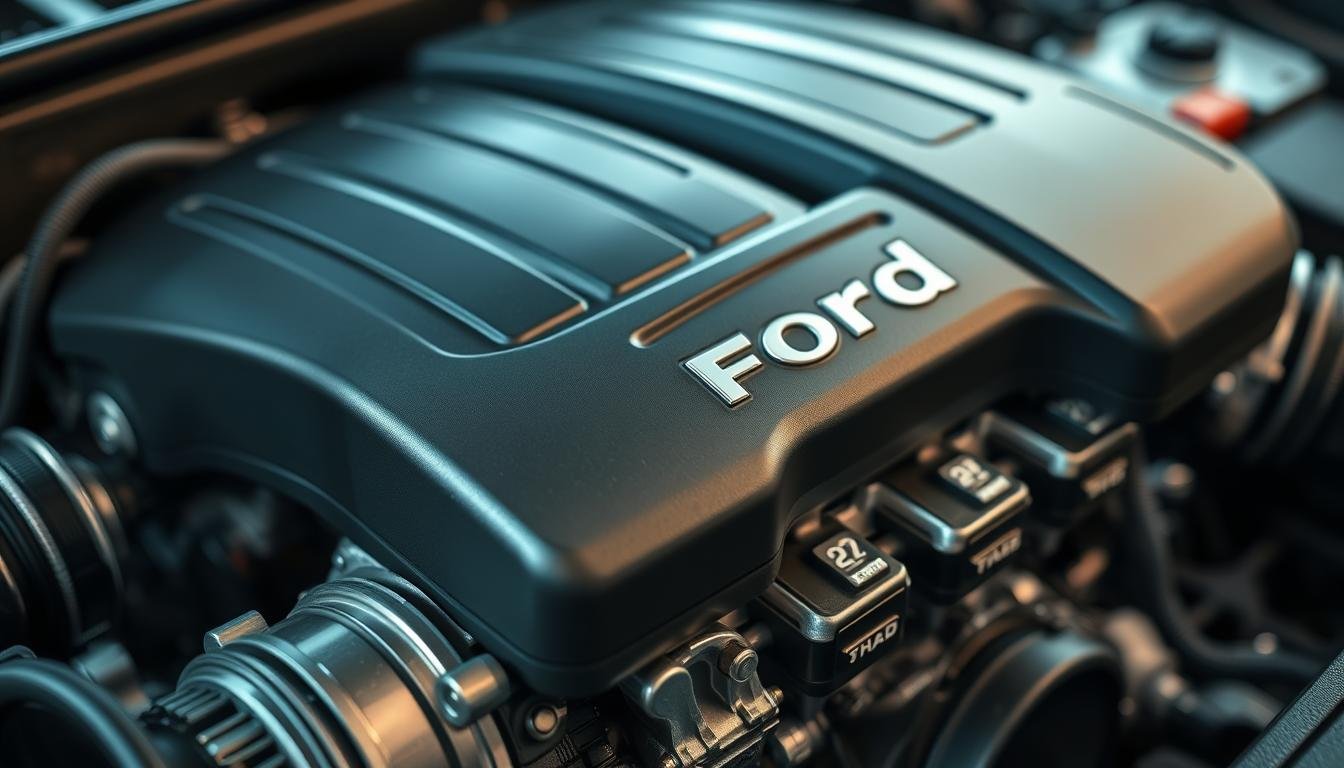
Ford 2.7 EcoBoost Reliability Truth Revealed
Are you thinking about getting a Ford with a 2.7 EcoBoost engine? It’s important to know how this engine holds up over time.
The 2.7 EcoBoost is known for being both powerful and fuel-efficient thanks to its turbocharged setup.
We’ll explore what makes the Ford EcoBoost reliable and point out any weaknesses.
We’re going to look at everything from common myths to real user experiences with the Ford 2.7 EcoBoost.
You’ll find out how to deal with common engine problems and learn why keeping up with maintenance matters.
Let’s dive into the real story of the Ford EcoBoost engine’s reliability and how it can affect your drive.
Introduction To The Ford 2.7 EcoBoost Engine
The Ford 2.7 EcoBoost engine debuted in 2015. Ford aimed to boost both power and efficiency in their vehicles.
This twin-turbocharged V6 engine is known for its strong performance, offering up to 325 horsepower and 400 lb-ft of torque.
Its popularity has grown among truck fans who value towing power and good gas mileage.
The engine’s design includes cutting-edge technology, helping it perform well in many Ford models. Knowing about this engine is key for buyers and Ford fans.
It shows how this engine is different from others, thanks to its innovative design.
The Ford 2.7 EcoBoost engine has changed how we think about efficiency and power together. It’s known as a dependable choice in the car world.
Whether you have a Ford truck or are thinking about getting one, learning about this engine can help you see its benefits.
What is Ford EcoBoost Engine Technology?
Ford’s EcoBoost technology is a big step forward in car engineering. It combines turbocharged engines with direct fuel injection.
This mix boosts fuel efficiency while keeping power strong. EcoBoost engines offer top performance but stay green. They give you a great blend of power for exciting drives.
The key benefit of EcoBoost advantages is getting more from a smaller engine. Turbocharging adds more air, leading to better fuel use.
This lets you have the power of a big engine without spending more on gas. Ford also uses multi-port injection in some engines.
This keeps key parts like valves clean, making the engine last longer. Choosing Ford EcoBoost technology means you pick the latest in car innovation.
It changes the game in making cars more fun and eco-friendly. Knowing about this technology helps you make smart choices for your car’s care and upgrades.
Ford 2.7 EcoBoost Reliability: An Overview
The Ford 2.7 EcoBoost engine is often talked about, especially its reliability.
It shows both good and bad points.
It’s vital to know the truth about this engine’s performance. Many owners hear wrong info about EcoBoost’s reliability. This affects their choices and how they see the engine’s life and upkeep needs.
Common Misconceptions About Reliability
A lot of myths can trick people interested in buying. A big myth is that turbocharged engines like the EcoBoost are less reliable than engines without turbo.
This idea comes from doubts about turbo technology. But the 2.7 EcoBoost is designed with features that ensure it stays reliable.
- Turbochargers are built strong to deal with more pressure and help the engine use fuel better, which makes the engine last longer.
- Simple maintenance, such as changing oil and checking the cooling system, is key to keeping any engine reliable.
- Many reports show that owners of the 2.7 EcoBoost engine find it reliable, which goes against worries about constant problems.
When looking at cars with the Ford 2.7 EcoBoost engine, knowing the truth about EcoBoost reliability is helpful.
Knowing the real deal on reliability and how well it works helps you make better choices for your next car.
Performance of The Ford 2.7 EcoBoost
The Ford 2.7 EcoBoost engine shines with its speed and strength in pulling weight. It’s a strong part of Ford’s EcoBoost group, offering an exciting ride for all types of drivers.
Acceleration and Towing Capacity
This engine is a top pick for quickness and power in pulling. It can tow up to 8,500 pounds.
That beats many V8 engines, perfect for moving trailers, boats, or big loads without losing power.
Comparisons To Other Engines
When we look at towing power, the 2.7-liter leads against rivals. Here’s how it compares with others:
| Engine | Towing Capacity (lbs) | Horsepower | Torque (lb-ft) |
|---|---|---|---|
| Ford 2.7 EcoBoost | 8,500 | 325 | 400 |
| Chevrolet 5.3L V8 | 11,600 | 355 | 383 |
| Ram 5.7L HEMI V8 | 11,610 | 395 | 410 |
| Toyota 5.7L V8 | 10,000 | 381 | 401 |
This side-by-side shows the Ford 2.7 EcoBoost is very capable, especially in pulling different loads. By comparing each engine, you can choose the best one for your needs.
Fuel Efficiency: Ford 2.7 EcoBoost MPG
The Ford 2.7 EcoBoost engine stands out for its mix of power and fuel savings. Drivers look for information on the Ford 2.7 EcoBoost MPG to know how it affects costs.
Mileage reports from owners give insights into expected fuel efficiency in different conditions.
Real-World Mileage Reports
Owners who have the Ford 2.7 EcoBoost engine often talk about its fuel efficiency. They usually report getting 20 to 25 miles per gallon from mixed driving.
Yet, this can change with the car model, how one drives, and the vehicle’s use.
Factors Affecting Fuel Efficiency
Many factors play a role in the fuel efficiency of the Ford 2.7 EcoBoost.
- Driving habits: Quick starts or always driving fast can reduce MPG.
- Load weight: More weight or towing decreases fuel efficiency.
- Maintenance practices: Keeping up with oil changes and tire upkeep helps the engine run better.
- Environmental conditions: Weather and the roads you drive on can impact how well your car uses fuel.
Knowing these factors helps you make smart choices for better MPG with the Ford 2.7 EcoBoost. Careful driving and regular maintenance can improve your fuel economy.
Ford EcoBoost Engine Problems
The Ford EcoBoost engine is known for its cool technology and how well it can perform. But, like all things, it has some problems.
These issues may make owners look for ways to fix them. Knowing about these issues helps you take better care of your car.
Common Issues Reported by Owners
Owners often report a few common problems with the Ford EcoBoost engine:
- Turbo Lag: A lot of drivers feel a delay in speed when they try to go faster.
- Carbon Buildup: Over time, carbon can gather in the intake valves, which messes with performance and gas mileage.
- Cooling System Faults: Problems with the cooling system can cause the engine to get too hot, leading to damage.
- Oil Leaks: Sometimes, oil may leak from various parts of the engine, which needs quick fixing.
How To Troubleshoot EcoBoost Problems?
To fix EcoBoost engine troubles, here’s what you can do:
- Assess Performance: If your car is slow to speed up, you might need to tweak the engine’s computer settings.
- Inspect for Carbon Buildup: Use walnut blasting on intake valves to get rid of carbon and boost airflow.
- Monitor Cooling System: Always check your coolant levels and look out for any leaky hoses.
- Examine for Oil Leaks: Keep an eye out for oil spots under your car and on the engine to spot leaks.
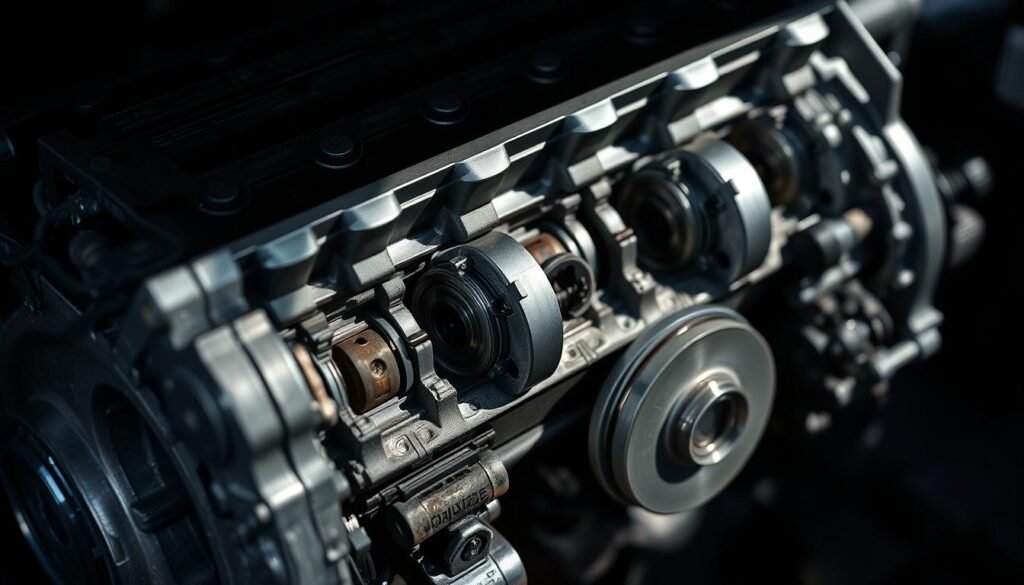
Ford EcoBoost Engine Longevity Examination
The Ford EcoBoost engine combines power with efficiency uniquely. Knowing what affects its longevity helps you care for it wisely.
This part talks about the life of the Ford 2.7 EcoBoost engine. It also gives tips for its maintenance for the best performance over time.
Averaging Lifespan and Maintenance Tips
The Ford 2.7 EcoBoost engine usually lasts between 150,000 to 200,000 miles. This is with regular care and safe driving.
To help reach this lifespan, you should follow these tips:
- Regularly check and change the oil at recommended intervals to reduce engine wear.
- Keep the air and fuel filters clean to optimize engine performance and efficiency.
- Monitor coolant levels and ensure the cooling system is functioning properly.
- Inspect spark plugs and replace them as needed to maintain smooth engine operation.
- Pay attention to any warning lights and address issues promptly to avoid further damage.
Following these tips can help your Ford EcoBoost engine last longer and run better.
Performance vs Reliability: A Critical Balance
The Ford 2.7 EcoBoost engine shows a big challenge: balancing speed and trustworthiness. How you drive can really change your experience.
Whether you’re in the city, countryside, or carrying heavy stuff, the EcoBoost’s performance is put to the test.
Evaluation in Different Driving Conditions
Testing the Ford 2.7 EcoBoost in various conditions sheds light on its dependable performance:
- Urban Environments: In the city, stop-and-go traffic can affect how well the engine works. This start-stop driving can wear out parts faster.
- Rural Roads: Out in the country, you can drive more steadily. The EcoBoost does well here, using less energy and still giving enough power.
- Towing Scenarios: Towing heavy loads needs more from the engine. The 2.7 EcoBoost handles it, but towing a lot needs careful maintenance to stay reliable.
Knowing how driving conditions affect EcoBoost’s performance helps you keep it running well.
It gives you the info you need to face any driving challenge with your Ford 2.7 EcoBoost.
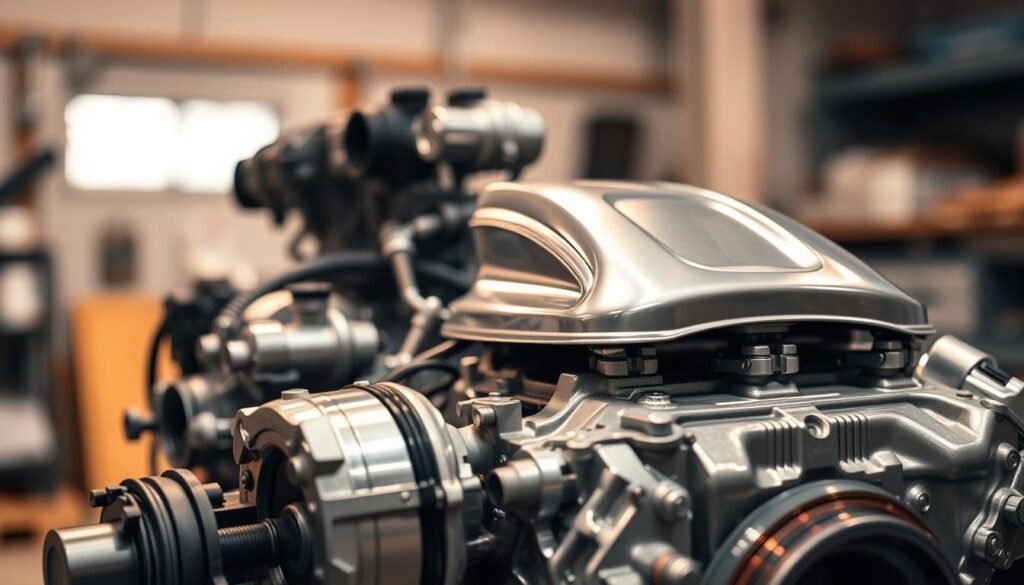
Ford 2.7 EcoBoost Reliability vs Competition
The Ford 2.7 EcoBoost engine shines in the competitive truck market. It’s reliability when compared to other truck engines offers key insights for buyers.
Performance and consumer satisfaction play big roles in seeing how it stacks up.
How It Stands Against Other Trucks
The Ford 2.7 EcoBoost stands out for a few reasons. It boasts great fuel efficiency and strong power. Chevy and Ram, however, bring their own benefits and drawbacks to the table.
| Feature | Ford 2.7 EcoBoost | Chevrolet 2.7L Turbo | Ram 3.0L EcoDiesel |
|---|---|---|---|
| Horsepower | 325 hp | 310 hp | 260 hp |
| Torque | 400 lb-ft | 348 lb-ft | 480 lb-ft |
| Fuel Economy (City/Highway) | 20/26 MPG | 19/22 MPG | 22/32 MPG |
| Reliability Rating | Above Average | Average | Above Average |
Ford leads with horsepower and innovative tech, while others might win on fuel economy.
These engine battles show why the Ford 2.7 EcoBoost is a top choice in reliability and power. Considering how reliable different brands are is key in choosing the right truck.
Consumer Feedback on Ford EcoBoost Engine Reliability
It’s key to listen to what owners say about the Ford EcoBoost engine’s reliability. Reviews from consumers are mixed, showing both love and concerns.
People note how it balances power with fuel efficiency well. The feedback is important, shedding light on what’s good and what’s not.
This helps potential buyers understand what owning one feels like in the long run. So, the reliability scores really point out what to expect.
User Reviews and Ratings
Many drivers share good things about their Ford EcoBoost engines. They point out positives like:
- Responsive power delivery
- Excellent towing capabilities
- Impressive fuel efficiency in daily driving
However, there are some worries too. Issues mentioned include:
- Potential coolant leaks
- Turbocharger performance under heavy load
- Fuel pump failures in early models
On average, owners rate the reliability at about 7-8 out of 10. This shows that most owners are pretty happy, but there are some things to think about.
Lessons Learned From Long-Term Owners
Owners who’ve had their Ford EcoBoost for a while share some advice. They suggest:
- Regular maintenance significantly enhances engine longevity.
- It’s crucial to know when your turbocharged engine needs service.
- Using high-quality fuels helps with reliability and performance.
- Stay updated with software to avoid common problems.
This advice highlights that taking good care of Ford EcoBoost engines helps keep them reliable for years.

Regular Maintenance For Optimal Reliability
Keeping your Ford 2.7 EcoBoost engine in top shape is key for its reliability. By following maintenance tips, you can boost its performance and extend its life.
Knowing when to service it and using best practices will help keep your engine smooth.
Recommended Service Intervals
For EcoBoost engine reliability, stick to these service times:
| Service Type | Recommended Interval |
|---|---|
| Oil Change | Every 5,000 to 7,500 miles |
| Air Filter Replacement | Every 15,000 to 30,000 miles |
| Fuel Filter Replacement | Every 30,000 miles |
| Coolant Flush | Every 60,000 miles |
| Transmission Fluid Change | Every 30,000 to 60,000 miles |
Best Practices For Owners
Following these best practices can help avoid engine issues:
- Regularly inspect fluid levels and top off as necessary.
- Stay current with recalls and service notifications from Ford.
- Use high-quality, manufacturer-approved parts during replacements.
- Monitor engine performance for any unusual noises or behaviors.
- Keep the engine clean to avoid debris buildup.
Future of The Ford EcoBoost Engine
The Ford EcoBoost engine is getting better, promising cool updates for your rides.
Looking ahead at future Ford EcoBoost models, there’s a ton of new stuff coming up. They’re designed to make cars run better and use less fuel.
Upcoming Innovations and Features
Ford is working hard on new tech for the EcoBoost engines. They want to make cars that are strong but also save on gas.
Here’s what’s coming:
- Advanced Turbocharging Techniques: They’re making turbochargers that work faster and cut down on delay.
- Hybrid Integration: Combining EcoBoost with hybrid tech to save gas and keep the car zooming.
- Enhanced Engine Management Systems: Using smart tech for better engine control, adjusting things as you drive.
- Lightweight Materials: Using strong, light materials to make cars more efficient and fun to drive.
- Smart Cooling Systems: Better cooling to keep engines running smoothly for longer, even when pushed hard.
With these updates, the Ford EcoBoost engine is a top pick for those who want power and savings. Knowing about these changes helps make smart choices when buying a car.

Expert Reviews on The Ford 2.7 EcoBoost
The Ford 2.7 EcoBoost engine stands out to car experts. It blends performance, efficiency, and reliability well. Experts say it does great in various driving conditions.
It also keeps a good balance between power and saving fuel. These reviews are helpful for people thinking about buying or who already own one.
An Overview of Automotive Reviews
Experts say the Ford 2.7 EcoBoost engine has strong performance. They like its quick speed, especially when the car is carrying a heavy load.
They note its fast response, good for city and highway trips. They often talk about its great fuel efficiency.
This aspect attracts those wanting to save on gas but still have power. Reviews say the EcoBoost’s design and engineering make it dependable over time.
Comparison To Other Ford Engines
The 2.7 EcoBoost often gets noticed for its special features among Ford engines. It excels with its turbocharged power, unlike standard V6 engines.
This makes it popular among those who care about performance. Reviews say it’s more efficient than the 3.5-liter EcoBoost.
While both have great features, the 2.7 version is better for everyday use and cost over time. These comparisons help show the 2.7 EcoBoost’s place in Ford’s lineup.
Conclusion
In concluding our look at the Ford 2.7 EcoBoost, its power and fuel efficiency stand out. These features make it great for both truck lovers and daily drivers.
Knowing its strong points and weaknesses helps you get the best out of your vehicle. People praise the engine’s longevity, especially with regular upkeep.
Following the maintenance schedule boosts your engine’s reliability for years. This emphasizes how taking good care of your engine is key to its performance and durability.
The Ford 2.7 EcoBoost blends top-notch technology with reliable performance. Keeping up with maintenance helps you enjoy its full benefits.
This makes your car strong and ready for any challenge, combining efficiency, toughness, and quick response to meet your driving needs.
FAQs
Q: How reliable is the Ford 2.7 EcoBoost engine?
A: The Ford 2.7 EcoBoost engine is known for being reliable. It has a strong performance track record. But, it needs regular maintenance to last longer.
Q: What common problems are associated with the Ford EcoBoost engine?
A: Owners have reported issues like turbo lag and carbon buildup. These can be fixed with regular oil changes and cleaning engine parts.
Q: What performance metrics does the Ford 2.7 EcoBoost engine achieve?
A: The 2.7 EcoBoost has up to 325 horsepower and 400 lb-ft of torque. It can tow up to 8,500 pounds. This makes it as good as some bigger V8 engines.
Q: How does the fuel efficiency of the Ford 2.7 EcoBoost compare to its competitors?
A: This engine gets about 20-25 MPG, depending on how you drive. Its turbocharging helps it use less fuel while keeping strong performance.
Q: What maintenance practices should I follow for my Ford 2.7 EcoBoost?
A: Do regular oil changes, replace the air filter on time, and check the cooling system. Stick to the service schedule for better reliability.
Q: Are there any misconceptions about the reliability of turbocharged engines like the 2.7 EcoBoost?
A: Some think turbo engines aren’t dependable. Yet, many, including the 2.7 EcoBoost, last long if cared for properly.
Q: What factors can influence the longevity of the Ford 2.7 EcoBoost engine?
A: Its life depends on consistent service, how you drive, the loads it carries, and where it’s used. Keeping up with maintenance is crucial.
Q: What do owners say about their long-term experiences with the Ford EcoBoost engine?
A: Many owners like its fuel efficiency and power. But some point out issues like turbo lag and the need for careful maintenance.