Ford 2.7 EcoBoost Problems Issues & Common Faults
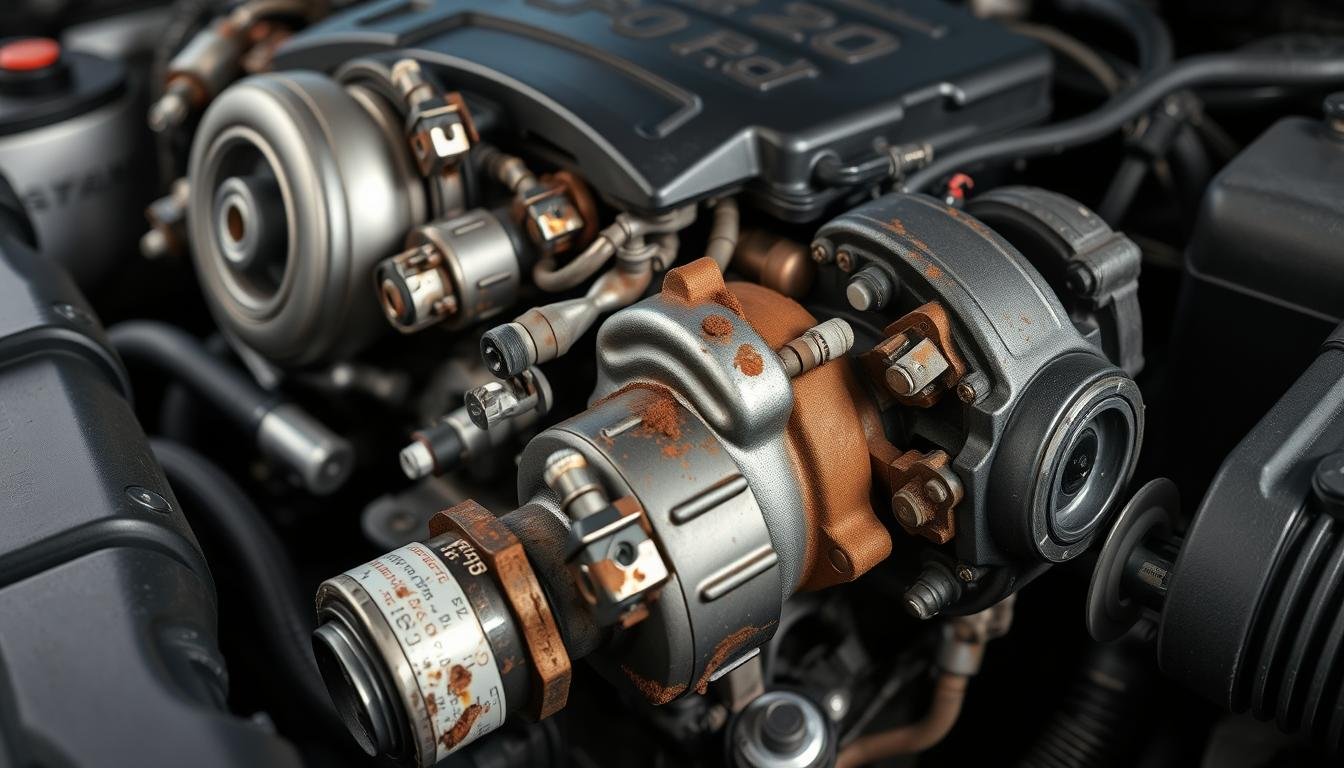
The Ford 2.7 EcoBoost engine shines in models like the F-150 and Explorer, boasting solid performance and efficiency.
Yet, a few common issues can affect its reliability and lifespan. This piece looks at troubles like carbon deposits, oil pan leaks, failing ignition coils, and high oil consumption.
We will also cover troubleshooting steps and possible fixes. Catching problems early helps avoid more damage and keeps your engine running well.
Besides, you’ll find details on recalls, warranty options, and tips to check your engine’s health. Whether you’re already facing engine troubles or just want to be prepared, this guide offers the insights you need.
Dive in to navigate Ford 2.7 EcoBoost engine challenges and keep your ride in great shape.
Overview of Ford 2.7 EcoBoost Engine
The Ford 2.7 EcoBoost is a turbocharged V6 engine known for power and efficiency. It came out in 2015, using advanced tech to push out 325 horsepower.
And it does this with low emissions and a torque of 400 lb-ft. This engine is built strong, but it has parts that might cause trouble as it ages.
Knowing these issues helps keep the engine running smoothly for a long time.
Common Ford 2.7 EcoBoost Problems
The Ford 2.7 EcoBoost engine is powerful and efficient. However, it does have some common issues.
To keep your vehicle running well, it’s important to know these problems. By understanding them, you can take steps for better maintenance and repair.
Carbon Build-Up
Carbon deposits can form in the engine’s intake valves and combustion chambers. This build-up might lower the engine’s performance and responsiveness.
Cleaning regularly helps prevent these issues from affecting engine performance significantly.
Oil Pan Leaks
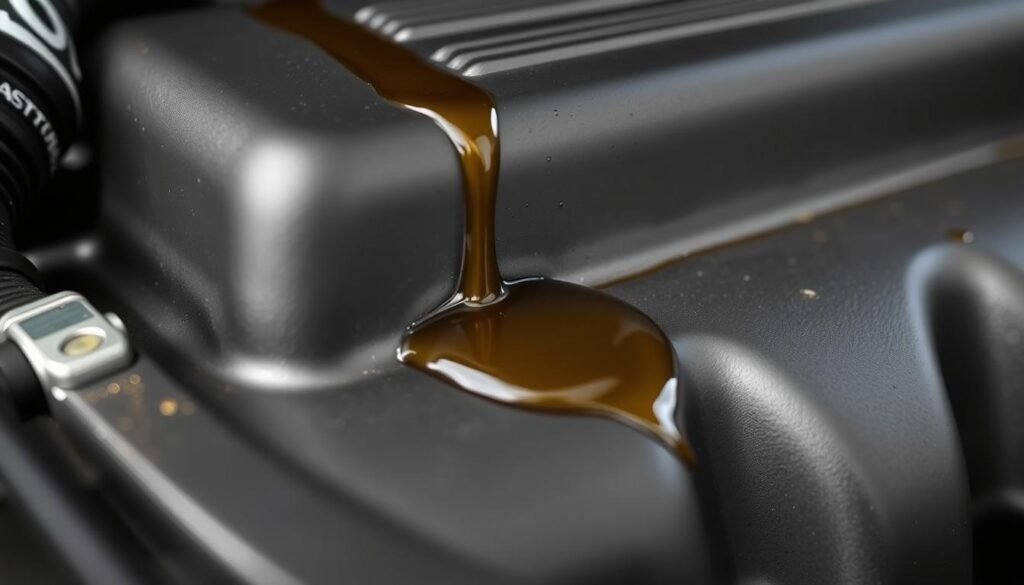
Oil pan leaks are another issue you might face. They can happen due to wear and tear or incorrect installation after a repair.
These leaks can cause a drop in oil levels, risking the engine’s health. Spotting these leaks early is key to avoiding major damage.
Ignition Coil and Spark Plug Failures
Problems with ignition coils and spark plug failures are common, too. These could cause rough idling, misfires, or reduced fuel efficiency. To fix these issues, replace the problematic ignition components.
Head Gasket Failures
Head gasket failures are a severe problem, leading to overheating and oil mixing with coolant.
This can damage the engine badly if not dealt with quickly. Regular checks can detect these failures early on.
Excessive Oil Consumption
Excessive oil use can also trouble this engine. It might be due to worn piston rings or valve guides.
Keep an eye on oil levels and address issues promptly to keep the engine in good shape.
Detailed Exploration of Carbon Build-Up
Many owners of Ford 2.7 EcoBoost engines face a big challenge: carbon build-up.
Knowing why it happens, spotting the signs, and finding good solutions help keep your engine running well.
What Causes Carbon Build-Up?
The Ford 2.7 EcoBoost engine uses direct fuel injection. It sends fuel right into the combustion chamber but doesn’t clean the intake valves.
This leads to carbon deposits over time. Bad fuel quality, not enough maintenance, and long drives can make it worse.
Symptoms of Carbon Build-Up
Finding carbon build-up early can avoid bigger ford 2.7 ecoboost engine problems. Some common signs are:
- Engine misfires
- Rough idling
- Less power
- Using more fuel
Potential Fixes For Carbon Buildup
To get your engine’s performance back, dealing with carbon deposits is key. A top choice is walnut blasting, which costs $400 to $600.
This method cleans without harming the engine. Regular checks and using good fuel also help prevent carbon build-up.
| Method | Description | Cost Estimate |
|---|---|---|
| Walnut Blasting | Uses walnut shells to clean off carbon deposits. | $400 – $600 |
| High-Quality Fuel | Fuel that has cleaners to keep deposits low. | Depends on the place |
| Regular Maintenance | Keeping the engine clean with frequent service. | Changes with the service provider |
What is Oil Pan Leaks?
Oil pan leaks often trouble vehicle owners, especially if you have a Ford 2.7 EcoBoost engine.
They result from various factors, like faulty installation or natural wear and tear. Knowing why these leaks happen and their signs can help you fix them quickly and well.
Common Causes of Oil Pan Leaks
Oil pan leaks in your Ford 2.7 EcoBoost can come from several places. These are:
- Gasket failure due to age or damage.
- Warping of the plastic oil pan from thermal cycling.
- Improper installation during previous repairs.
Identifying Symptoms of Oil Pan Leaks
Spotting oil pan leaks early is key for fast repairs. Be on the lookout for these clues:
- Low oil levels, which may lead to engine damage.
- Visible oil spots or puddles under the vehicle.
- Warning lights indicating low oil pressure on the dashboard.
Effective Repairs For Oil Pan Leaks
To fix oil pan leaks well, follow these steps:
- Replace the oil pan gasket to ensure a proper seal.
- Inspect the oil pan for any warping and replace if necessary.
- Ensure proper installation using the appropriate sealants to prevent future leaks.
Ignition Coil and Spark Plug Issues
It’s essential to know about ignition coil and spark plug problems for your Ford 2.7 EcoBoost engine.
These issues are more likely in turbocharged engines because they are under a lot of pressure.
High heat and stress can harm ignition coils, leading to misfires and poorer engine performance. Noticing these symptoms early can cut down on both time and costs.
Causes of Ignition Coil Failures
Ignition coil problems can come from:
- Too much heat breaking down materials
- Electrical problems such as voltage spikes
- Getting old and wearing out from use
- Getting dirty from oil or water
These issues can cause misfires, which means you need to quickly fix your ford 2.7 ecoboost problems to avoid major engine harm.
Symptoms Indicating Spark Plug Issues
When spark plugs go bad, you’ll likely see signs like:
- The engine hesitates when you speed up
- Bad gas mileage
- Check engine light turns on with misfire codes
- Engine idles roughly or shakes
Getting ahead of these signs can stop worse problems and keep your car running well.
Recommended Repairs For Ignition and Spark Issues
To fix ignition coil and spark plug problems:
- Change old spark plugs around every 60,000 to 100,000 miles.
- Replace ignition coils if they fail, maybe all at once for better engine performance.
- Keep the engine clean to avoid overheating and dirt.
- Regular checks can catch ignition issues early on.
Head Gasket Failures in Ford 2.7 EcoBoost
Head gasket failures can quickly lead to serious engine problems. It’s essential for Ford 2.7 EcoBoost owners to know the signs and causes.
Catching these issues early helps with repairs and keeps your engine running smoothly.
Signs of Head Gasket Problems
- Loss of coolant without any visible leaks
- White smoke emitting from the exhaust
- Overheating engine during operation
- Presence of oil in the coolant
- Bubbles in the radiator or coolant reservoir
Factors Contributing To Head Gasket Failure
Many factors can cause head gasket failures in the Ford 2.7 EcoBoost. Some common reasons include:
- Overheating due to insufficient coolant levels or a malfunctioning thermostat
- Manufacturing defects that may weaken the gasket
- Improper installation during previous repairs
- Age and wear from prolonged engine use
Repairs For Head Gasket Issues
Fixing head gasket problems needs a lot of work and knowledge. The repair steps for the Ford 2.7 EcoBoost include:
- Thorough inspection for any signs of warping in engine components.
- Replacing the defective head gasket with a high-quality alternative.
- Reassembling engine components while ensuring proper torque specifications are followed.
- Conducting follow-up tests to confirm that the repairs were successful.
Taking care of head gasket issues quickly helps avoid more damage and expensive repairs later.
Excessive Oil Consumption Explained
It’s important to address excessive oil use in engines quickly. For those with a Ford 2.7 EcoBoost, knowing the signs and causes is key.
This helps avoid expensive repairs later. Here’s what to look for and how to handle common oil issues.
What To Look For with Excessive Oil Use
Watch for signs like:
- Adding oil often between changes.
- Seeing blue smoke from the exhaust.
- A drop in engine power.
- Oil spots under the car.
Reasons Behind High Oil Consumption
Several issues can cause a Ford 2.7 EcoBoost to use too much oil:
- Piston rings that don’t seal can let oil into the chamber.
- Bad valve seals allow oil into the cylinders.
- A blocked PCV system can cause oil leaks.
Solutions To Oil Consumption Problems
To fix high oil consumption, you should:
- Check and change bad piston rings or valve seals.
- Make sure the PCV system is clean and working.
- Keep an eye on oil levels and change oil and filters when needed.
Is There A Recall For Ford’s 2.7 EcoBoost Engine?
In August 2024, Ford announced a big ford 2.7 ecoboost recall. It impacts almost 100,000 cars with the 2.7 and 3.0 EcoBoost engines.
The issue is with the intake valves, which can crack and cause major problems, even making the engine fail.
If your car is part of this recall, stay alert and keep up with new info. You should contact your local dealer or the NHTSA for help and repairs.

To avoid troubles, always check for any safety alerts for your engine. Knowing about the ford 2.7 ecoboost recall helps keep your vehicle safe and dependable.
Evaluating Ford 2.7 EcoBoost Reliability Concerns
The Ford 2.7 EcoBoost engine is known for its good performance and efficiency. Yet, some early models from 2015 to 2017 had performance concerns.
It’s important for buyers to know about these issues. Many drivers are happy with their cars. But knowing the common problems can help you decide better.
To keep your Ford engine running well, regular maintenance is key. This helps catch problems early. Newer models have improved, making the engine more reliable for owners.
| Model Year | Reported Concerns | Driver Satisfaction |
|---|---|---|
| 2015-2017 | Varied issues and recalls | Mixed to Satisfactory |
| 2018-Onwards | Improved Design, Fewer Issues | Generally High |
Knowing about the Ford 2.7 EcoBoost’s past can help you as an owner. Being proactive in maintenance and knowing your engine’s history gives peace of mind. It helps you enjoy your vehicle more.
Troubleshooting Ford 2.7 EcoBoost Problems
To tackle issues with the Ford 2.7 EcoBoost, start with regular checks. Make sure to check the oil and look for leaks.
This helps catch problems early. Using Ford EcoBoost diagnostics is key to finding specific issues, like those with the ignition.
If your car is not running well, check the diagnostics for error codes. These codes can tell you if there’s a problem with things like ignition coils or spark plugs.
Knowing signs, like engine misfires or less power, helps identify problems quickly. It’s important to inspect your vehicle regularly to avoid big engine problems.
By troubleshooting systematically, you can avoid sudden car breakdowns. Catching problems early means they’re easier to fix. This way, your Ford 2.7 EcoBoost will keep running smoothly.

| Inspection Type | Frequency | Description |
|---|---|---|
| Oil Level Check | Monthly | Ensures proper lubrication and prevents engine wear. |
| Leak Inspection | Monthly | Identifies any fluid leaks that may affect performance. |
| Diagnostics Read | Every 6 months | Detects error codes related to ignition and performance issues. |
| Visual Inspection | Every 6 months | A visual check can reveal signs of wear or damage. |
How To Fix Ford 2.7 EcoBoost Issues
Fixing Ford 2.7 EcoBoost issues often means following a step-by-step plan. For tough issues like head gasket failures or cleaning intake valves, it’s smart to get help from pros.
Trying to fix these problems on your own might make things worse. It’s crucial to keep up with regular maintenance.
This includes changing fuel and oil filters as the maker recommends. Doing so helps your engine run its best.
If you’re just looking to replace spark plugs, here is what to do:
- Collect all the tools and high-quality replacement parts you will need.
- Make sure to disconnect the battery for safety before starting your work on the engine.
- Carefully remove the ignition coils to get to the spark plugs.
- Put in new spark plugs, making sure to use the right amount of torque.
- Put the ignition coils back and reconnect the battery.
Dealing with small issues quickly can stop big problems later. It helps to know a good mechanic who knows EcoBoost engines well.
They can fix problems fast, before they get worse, making repairs less of a headache. Regular check-ups with your mechanic can catch issues early.
Being proactive about maintenance can save you money on big repairs later on. It also makes your EcoBoost engine last longer.
| Issue | Recommended Action | Professional Help Needed |
|---|---|---|
| Head Gasket Failure | Replacement | Yes |
| Carbon Build-Up | Cleaning | Yes |
| Ignition Coil Failure | Replacement | No |
| Oil Pan Leak | Seal Replacement | Yes |
| Excessive Oil Consumption | Inspection and Repair | Yes |
Who Pays For Repairs of Ford 2.7 EcoBoost Problems?
Repair costs for Ford 2.7 EcoBoost can vary a lot, depending on the warranty. If your car is still under the ford 2.7 ecoBoost warranty, then Ford might cover the repair costs.
This includes fixing any engine issues that the warranty recognizes. If your car’s issue is due to a recall or Technical Service Bulletins (TSBs), you probably won’t have to pay.
Knowing your rights as a car owner is beneficial. Always check for any recalls on your vehicle to save on repairs.
When your warranty ends, you might wonder about repair costs. You will have to pay out of your own pocket. To keep costs down, get estimates from qualified Ford mechanics.
Being aware of what your warranty covers and filing claims on time can reduce stress over repair costs.

Conclusion
The Ford 2.7 EcoBoost engine comes with great performance but has its issues. It’s important to know about common problems like carbon build-up, oil pan leaks, and ignition coil failures.
This knowledge helps owners take steps to keep their vehicles in top shape. Keeping up with ecoBoost maintenance is crucial for your engine’s longevity.
Doing regular checks and fixing problems early stops small issues from getting worse.
Plus, knowing your rights about recalls helps protect your investment and keeps your car running well.
To sum it up, being informed about your ford 2.7 ecoboost conclusion is key to solving problems effectively.
Maintenance and timely repairs boost your vehicle’s performance and your driving experience.
FAQs
Q: What are the most common Ford 2.7 EcoBoost problems?
A: The most common issues are carbon build-up and oil pan leaks. Other problems include ignition coil and spark plug failures, head gasket failures, and using too much oil.
Q: How can I diagnose Ford 2.7 EcoBoost engine issues?
A: Check the oil levels and look for any leaks. Use diagnostic tools to find error codes that point to ignition or performance problems.
Q: What are the symptoms of carbon build-up in the Ford 2.7 EcoBoost engine?
A: Signs include the engine misfiring, rough idling, and a drop in power. Clean it regularly to avoid these problems getting worse.
Q: How do I fix an oil pan leak in my Ford 2.7 EcoBoost?
A: To fix an oil pan leak, replace the oil pan gasket. Make sure everything is installed correctly to stop future leaks. It’s smart to regularly check for issues.
Q: Why is excessive oil consumption a concern for the Ford 2.7 EcoBoost?
A: Using too much oil can show there are big problems with the engine. Issues like worn piston rings or broken valve seals can cause major damage if not fixed.
Q: Is there any recall for the Ford 2.7 EcoBoost engine?
A: Yes, in August 2024, Ford recalled nearly 100,000 vehicles. The reason was potential fractures in the intake valves, which could make the engine fail.
Q: How often should I replace spark plugs in my Ford 2.7 EcoBoost?
A: You should change spark plugs every 60,000 to 100,000 miles. This will help avoid ignition problems and keep your engine running well.