

What Year Chevy Traverse To Avoid Steer Clear From
Some Chevy Traverse models are known for reliability problems and many complaints. If you’re thinking of buying a used Chevy Traverse, it’s important to know which years to avoid.
This could save you a lot of trouble later on. Since its 2008 debut, the Traverse has been liked for its roomy design and smooth drive.
But, some years have had lots of mechanical issues. This guide will show you which years had more problems.
We’ll go over the main issues with these models. This information will help you make a smart choice when buying your next car.
By knowing which years to avoid, you can find a good Chevy Traverse without worry.
Overview of The Chevy Traverse Model Years
The Chevy Traverse has grown a lot since it first came out. It now spans two generations, from 2009 to today.
Every model year of the Chevy Traverse offers something special, from big, comfy interiors to the latest tech.
From 2009 to 2017, the first-generation models were loved for their big cabins and good control. But, some years had issues that affected how long they lasted.
Knowing which Chevy Traverse years are reliable can help pick the best models. Starting in 2018, the second generation brought new designs and tech upgrades.
These changes aimed to fix problems from before. Yet, some early models still had reliability issues.
Knowing the history of the Chevy Traverse can show which models are the most reliable and safe.
Chevy Traverse Reliability Issues
Knowing the Chevy Traverse’s reliability issues is key for potential buyers. Over time, certain models have faced various issues.
It’s important for buyers to know about engine failures, transmission complications, and electrical issues.
Models made between 2009 and 2011 often have engine problems. Owners have reported excessive oil use and timing chain issues.
These problems lead to major concerns and complaints. Models from 2018 and 2019 are known for transmission failures and battery issues.
This contributes to discussions on their reliability. Before buying, shoppers should research well on specific years.
Knowing the common issues will help make a good purchase decision. It ensures the buyer’s investment is wise.
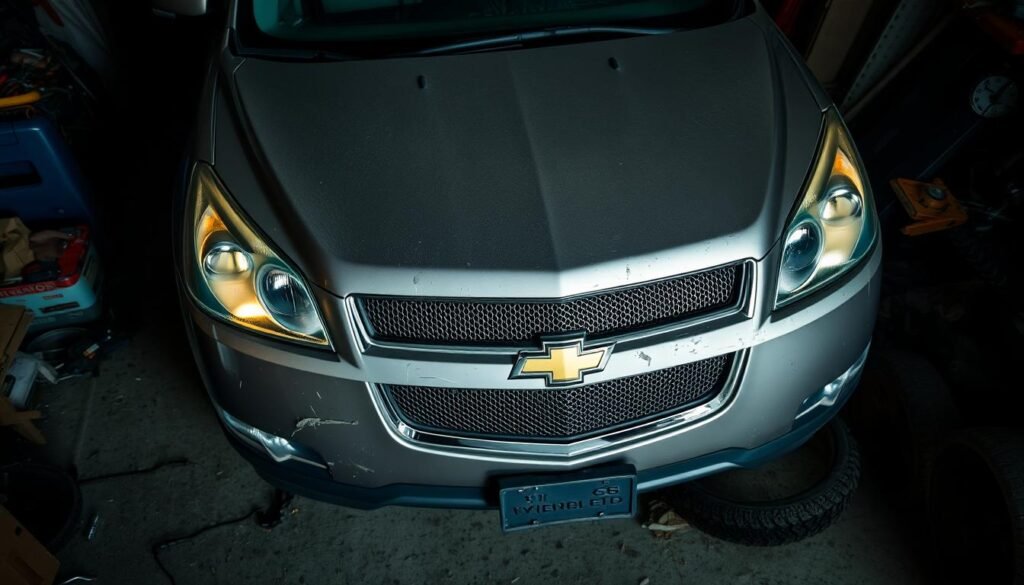
What Year Chevy Traverse To Avoid?
When thinking about buying a Chevy Traverse, certain years should be avoided. This is because they have ongoing issues.
Knowing which years have problems can save you future headaches and costs.
2010 Model Year Problems
The 2010 Chevy Traverse is known for engine issues. Many owners talk about problems like power loss and stalling.
These often come from ignition and timing chain failures, making driving a hassle.
2011 Model Year Issues
The 2011 Chevy Traverse also had its share of troubles, especially with the engine. Issues with engine failure, power steering, and electronics made it unreliable. This year has a bad reputation for reliability.
2015 Chevy Traverse Concerns
The 2015 Chevy Traverse had problems with the transmission and air conditioning. Users often report stalling due to compressor issues.
Even though it was slightly better, it still didn’t live up to reliability hopes.
2018 Model Year Problems
The redesigned 2018 Chevy Traverse faced transmission problems. Many people report a “Shift to Park” issue.
This stops the car from turning off correctly and raises safety worries. It left many users unsatisfied.
Common Chevy Traverse Problems
When you think about buying a Chevy Traverse, it’s good to know about its common problems. These issues can affect your choice and help you avoid trouble.
Engine Troubles
Some people have had major engine problems with the 2010 and 2011 Traverse. These include:
- Loss of engine power
- Persistent check engine lights
- Unexpected stalling
Such engine issues often mean spending a lot on repairs. Checking a used Traverse well is key.
Transmission Issues
Transmission troubles are also common, usually around 80,000 miles. Chevy Traverse transmission woes often show as:
- Slipping gears during acceleration
- Delayed responses when shifting
- Complete transmission failure
These problems can make repair costs skyrocket, sometimes needing a rebuild or replacement that costs thousands.
Steering Complications
In the 2011 model, steering problems are frequent. Users have faced:
- Loss of power steering
- Noisy steering operations
- Fluid leaks that affect performance
These steering issues can make driving hard and risky for you and your passengers.
Best Years To Consider For The Chevy Traverse
When you’re looking for a good Chevy Traverse, it’s important to pick one known for reliability. Based on what drivers say and expert advice, here are the best years:
- 2017 Chevrolet Traverse: This model shines because it has fewer complaints and recalls. It ranks high in customer happiness, which is great for families.
- 2019 Chevrolet Traverse: This is often seen as the most reliable year. It comes with new safety features and fewer problems, making it attractive to buyers.
- 2016 Chevrolet Traverse: This year offers a nice balance of features and dependability. It has some minor electrical issues but is still considered reliable.
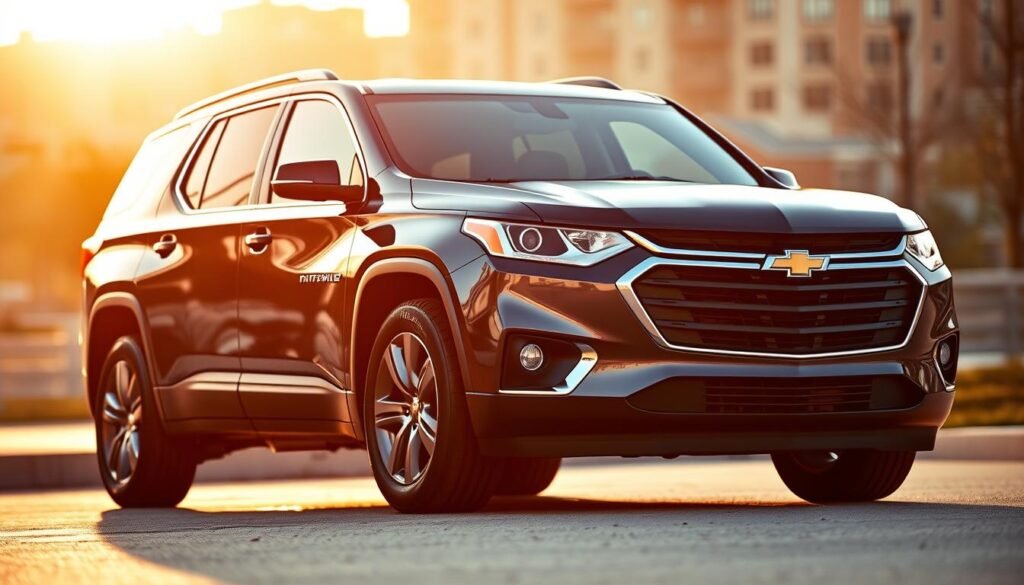
How To Evaluate A Used Chevy Traverse?
If you’re planning to buy a used Chevy Traverse, make sure you check it carefully to avoid problems. Here are some key tips when looking for a Chevy Traverse:
- Perform a Vehicle History Report: Get detailed records that include past accidents, service records, and any issues with the title.
- Inspect for Recalls: Make sure all recalls have been fixed to meet safety standards.
- Mechanical Inspection: Have a mechanic you trust look at the engine, transmission, and electrical systems. This can help spot problems that weren’t mentioned by the previous owner.
- Test Drive: Always drive the car yourself. Notice how it feels on the road, how it steers, and how comfortable it is. This tells you a lot about the car’s condition.
Doing a thorough check on a Chevy Traverse before you buy it is smart. These steps can help you make a choice you feel good about.

| Evaluation Step | Description |
|---|---|
| Vehicle History Report | Look into accidents, service history, and title issues. |
| Recall Inspections | Make sure recalls have been fixed. |
| Mechanical Inspection | A professional should check the car’s mechanics. |
| Test Drive | Test for handling, comfort, and smoothness. |
Conclusion
The Chevy Traverse is known for mixing comfort with lots of room. But, when looking at used ones, be careful.
Avoid buying models from 2009, 2010, 2011, 2014, 2015, and 2018 due to many known issues.
Knowing each year’s pros and cons helps you make a smart choice. Pick from the best years to avoid big repair costs. This can save you money and stress.
Doing your homework on the Traverse pays off. By dodging the problematic years and choosing a solid model, you’ll get the most out of this SUV.
FAQs
Q: What are the worst years for the Chevy Traverse?
A: Stay away from the 2009, 2010, 2011, 2014, 2015, and 2018 models. They have had a lot of reliability problems and customer complaints.
Q: What common problems should I expect in a Chevy Traverse?
A: You might see engine and transmission failures or issues with steering. This is especially true for the models from 2010 and 2011.
Q: Are there specific reliability issues with the 2015 Chevy Traverse?
A: Yes. The 2015 Traverse had big problems with its transmission and air conditioning. These issues often caused the car to stall unexpectedly.
Q: Is the 2018 Chevy Traverse a reliable option?
A: Not really. The 2018 Traverse has a lot of complaints about its transmission and general unhappiness from its users.
Q: Which Chevy Traverse models are considered reliable?
A: The 2016, 2017, and 2019 models are your best bets. They have fewer complaints and have shown better performance.
Q: How can I ensure I buy a dependable Chevy Traverse?
A: Make sure to get a vehicle history report, check for recalls, have it inspected mechanically, and take it for a test drive. This will help you pick a good one.
Q: What specific issues were noted in the 2011 model year?
A: The 2011 model had a lot of engine failures. There were also issues with its power steering and electronics.


