
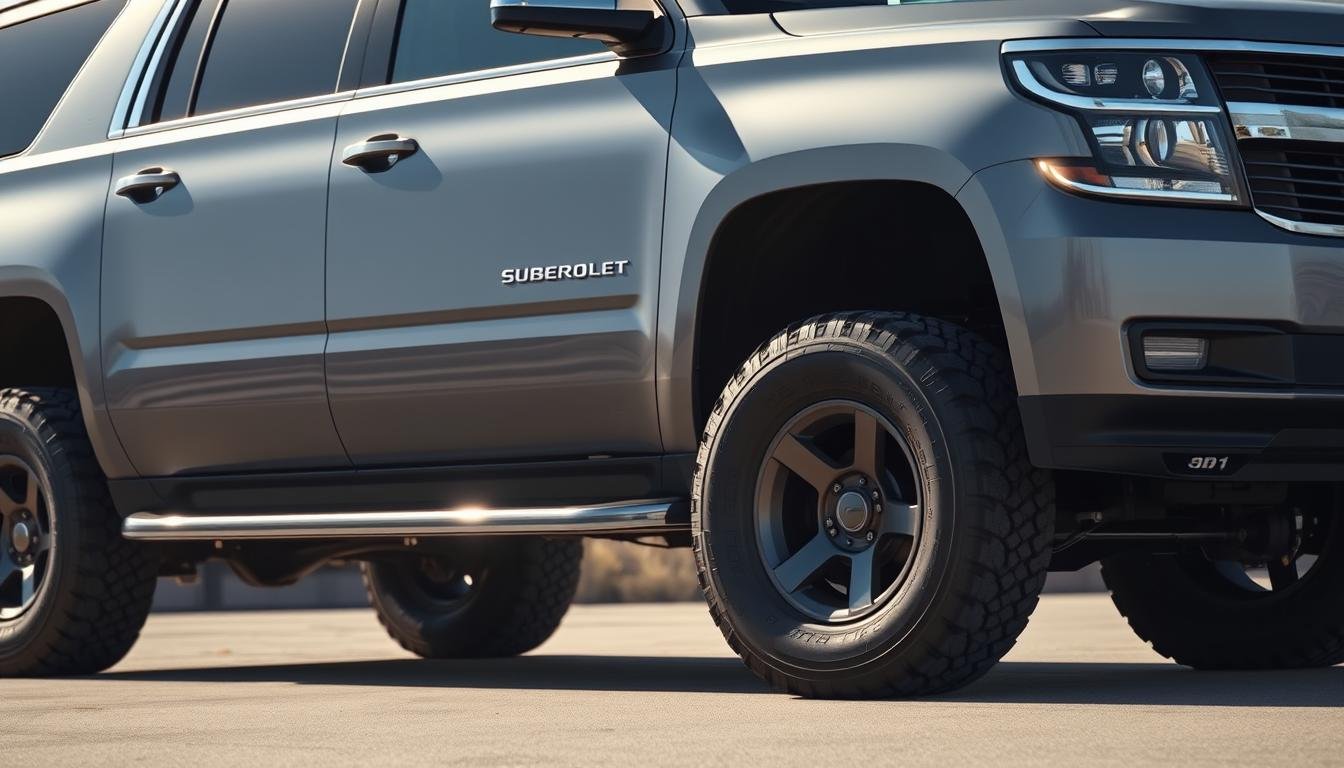
How Much Does A Chevy Suburban Weight? Better 9 Info
The weight of a Chevy Suburban ranges from 5,500 to 6,300 pounds. This depends on the model and engine you pick. Such weight gives the Suburban its strong build.
It makes sure you and your family stay safe and steady on the road. We will look at what affects the Suburban’s weight including engine choices and how much it can carry.
Knowing your Chevy Suburban’s weight is vital. It plays a big role in how well the vehicle drives, its gas usage, and how much it can tow.
We’ll go in-depth about the weight specifics, showing how different Suburban models compare.
You’ll also find out how this weight impacts the way the Suburban drives and its safety scores.
If you’re thinking about buying one or just want to know more about your car, this guide has all you need on the Chevy Suburban’s weight. Ready to learn more? Let’s dive in!
Introduction To The Chevy Suburban
The Chevy Suburban is a big deal in the car world. It’s famous for its long history and many features.
This huge SUV is loved by families who need a dependable car for up to eight people. It’s very strong and has tons of room for everyone’s stuff.
Since it first came out, the Suburban has been getting better and better. The 2021 model brings new tech and safety features to the table.
These improvements make the Chevy Suburban a great choice for anyone needing a large, safe, and comfy family car.
History of The Chevy Suburban
The Chevy Suburban began its journey in 1935, known as the “Carryall Suburban.” It was crafted for families and businesses needing a practical vehicle.
Throughout the years, its evolution reflects changes in what people want and technology advancements.
Evolution of The Suburban Nameplate
The Suburban’s name has evolved over the years. Initially, it was a basic utility vehicle.
Later, it became luxurious, with safety features, modern tech, and improved comfort. This transition made it a trusted SUV known for reliability and versatility.
Generations of The Chevy Suburban
The Chevy Suburban has seen twelve generations. Each brought important design and technology updates.
This ranged from the simple classic models to today’s sophisticated versions. These changes have kept the Suburban at the forefront of the full-size SUV market.
| Generation | Year Range | Key Features |
|---|---|---|
| 1 | 1935-1940 | Original utility design, basic features |
| 2 | 1941-1946 | Post-war updates, enhanced power and capacity |
| 3 | 1947-1955 | Introduction of modern styling, improved comfort |
| 4 | 1955-1966 | Expanded size, introduction of V8 engines |
| 5 | 1967-1972 | More spacious interior, updated safety features |
| 6 | 1973-1991 | Luxury trims introduced, modern amenities added |
| 7 | 1992-1999 | Incorporation of advanced safety technology |
| 8 | 2000-2006 | New engine options, advanced entertainment systems |
| 9 | 2007-2014 | Modernized design, improved fuel efficiency |
| 10 | 2015-2020 | Enhanced luxury features and connectivity |
| 11 | 2021-Present | Latest tech advancements, improved safety ratings |
What is Curb Weight?
Curb weight is the total weight of a vehicle without passengers or cargo. It’s the vehicle’s weight right from the factory, designed for best performance and efficiency.
To really understand curb weight, you must consider various important factors.
Definition of Curb Weight
The idea of curb weight is simple. It includes the vehicle’s weight with all necessary fluids like fuel, oil, and coolant, but without any extra cargo or people.
This weight is key to knowing more about your vehicle’s abilities, how it handles, and its gas mileage.
Factors Affecting Curb Weight
Many factors can change a vehicle’s curb weight, such as with the Chevy Suburban. These include:
- The engine type—larger engines usually mean more weight.
- The trim level—higher trims often have added features that increase weight.
- Installed options—extras such as bigger wheels or advanced tech can make a vehicle heavier.
- Materials used—companies are using lighter materials more and more to cut down on curb weight, which boosts overall performance.
Knowing these factors helps you understand how they affect performance, fuel economy, and how the car drives.
How Much Does A Chevy Suburban Weight?
The weight of a Chevy Suburban can change quite a bit depending on its model year and specs. For instance, the 2024 Chevy Suburban tips the scales at about 5,530 pounds.
It’s one of the heavier SUVs out there today. Its solid build and roomy inside meet the needs of big families and their stuff.
For a better idea, let’s look at how the weight varies over different model years of the Chevy Suburban:
| Model Year | Curb Weight (lbs) |
|---|---|
| 2020 | 5,400 |
| 2021 | 5,400 |
| 2022 | 5,500 |
| 2023 | 5,540 |
| 2024 | 5,530 |
This detail shows the weight variations of the Chevy Suburban. It reflects the vehicle’s robustness and design principles.
Knowing the weight helps buyers make smart choices. Learning the weight is key to gauging its suitability for your needs.

Suburban Weight Specifications
The Chevy Suburban’s weight varies by trim level and engine type. Knowing these weights is key for performance and driving enjoyment. This knowledge lets you pick a model that meets your needs.
Detailed Weight Breakdown by Trim
Different trims of the Chevy Suburban have unique features affecting their weight. Here’s how much each trim weighs:
| Trim Level | Weight (lbs) |
|---|---|
| Base Models | 5,530 |
| LT | 5,660 |
| RST | 5,760 |
| Premier | 5,850 |
| High Country | 5,880 |
Comparison of Weight by Engine Type
The Chevy Suburban’s engine type slightly impacts its weight. All trims are built on the same framework. See how engine types compare:
- 5.3L V8 – Similar weight across all trims
- 6.2L V8 – Consistent with trim variations
- 3.0L Turbo Diesel – Engine weight remains balanced, not significantly heavier
Chevy Suburban Curb Weight
The 2024 Chevy Suburban has a curb weight of 5,530 pounds. This heavy weight helps the car perform better overall. It makes the Suburban more stable, which improves how it handles when driving.
2024 Model Curb Weight Analysis
The 2024 model’s weight is a big plus for its performance. Being heavier means it feels more solid on the road.
This is great in bad weather or on highways. You can count on the Suburban for a stable and controlled ride.
Implications of Curb Weight on Performance
However, the Chevy Suburban’s heavy curb weight does have a downside. It usually means less gas mileage compared to lighter cars.
So, the more it weighs, the less efficient it is. Knowing this helps you decide if it’s the right car for you.

| Year | Curb Weight (lbs) | Performance Effects |
|---|---|---|
| 2024 | 5,530 | Enhanced stability, lower fuel economy |
| 2023 | 5,490 | Stable handling, reduced efficiency |
| 2022 | 5,460 | Good control, mileage trade-offs |
Suburban Weight Capacity
The Chevy Suburban isn’t just for riding in comfort; it’s also made for tough work.
Knowing its weight capacity lets you use its features fully while keeping safe. This is key to getting good performance from it.
Maximum Payload Capacity
The Chevy Suburban can carry up to 1,970 pounds, no matter the model. This lets you transport heavy stuff while the car stays stable and easy to control. Just make sure not to load it too much to prevent damage.
Towing Capacity and Weight Considerations
The towing capacity of the Chevy Suburban changes with different engines. For example, the 5.3-liter V8 engine can pull up to 8,300 pounds if it has the Max Trailering package.
Knowing what it can tow and carry helps you plan better for trips or moving things.
Staying within these limits makes driving better and safer. It’s important for a good road experience.
What is Weight Distribution in The Suburban
Effective weight distribution is key to a great driving experience in the Chevy Suburban. A well-balanced vehicle offers better stability, especially during quick turns.
Knowing how weight spreads across your car can improve how it handles and performs, no matter the road conditions.
Importance of Weight Distribution
Weight distribution shapes how your vehicle moves on the road. Even weight on all wheels leads to:
- Enhanced stability during cornering
- Better traction on slippery surfaces
- Reduced tire wear
- Improved braking efficiency
Compromise these factors helps you get the most out of your Chevy Suburban in different situations.
Effect on Handling and Driving Performance
The way a Suburban handles is closely linked to its weight distribution. Proper balance results in:
- Responsive steering
- Consistent road feedback
- Confidence in aggressive driving situations
Knowing how weight distribution affects performance gives you a smoother ride. This is especially true over tough terrains.

Comparative Analysis of Suburban Weight
When we look at the chevy suburban weight comparison, it stands out. It’s heavier than the Ford Expedition and Toyota Sequoia.
This extra weight means it can carry more people and tow more weight. It has always been strong, which makes it a favorite among those who love big SUVs.
The history of the Suburban’s weight offers great insights. As it has evolved, it’s gotten heavier.
This reflects safety improvements and better performance. Chevy aims to make a vehicle that’s both powerful and flexible, for all kinds of needs.
Comparison with Competitors
Next to its rivals, the Chevy Suburban holds a strong position. It’s heavier than similar models, meaning it can take more passengers and tow more.
Below, a table shows how it compares to the main competitors:
| Model | Curb Weight (lbs) | Towing Capacity (lbs) |
|---|---|---|
| Chevy Suburban | 5,600 | 8,300 |
| Ford Expedition | 5,500 | 6,000 |
| Toyota Sequoia | 5,700 | 7,400 |
Suburban Weight Across Generations
An in-depth look at the weight across generations shows a clear trend. Each new Suburban model is heavier than the one before it.
The added weight comes with new tech and safety features. These advancements make driving safer and the experience better for everyone inside.
Performance Implications of Chevy Suburban Weight
The Chevy Suburban’s weight impacts its performance, especially fuel economy and how it drives.
Learning the effects of a heavier vehicle on efficiency and control is important.
Impact on Fuel Economy
The Chevy Suburban, being heavy, shows lower fuel efficiency. This happens because it needs more energy to speed up and keep moving.
Knowing how weight affects fuel economy helps owners make smart choices about driving and fuel use.
Driving Dynamics and Stability
The Suburban’s weight helps with stability and handling. Its heavy build means better control during turns and stops.
This stability matters for drivers wanting a secure and confident drive. It’s important for future owners to think about how weight and fuel economy affect performance.

Safety and The Weight of Chevy Suburban
The Chevy Suburban’s heavy weight enhances its safety, offering better protection in crashes.
This larger vehicle scores higher in crash tests than smaller ones. Its strong frame and construction help it excel in safety evaluations.
Weight and Crash Test Ratings
The National Highway Traffic Safety Administration (NHTSA) praises the Chevy Suburban for its crash safety.
Its heaviness adds to its stability in accidents, a key safety measure. The Suburban’s build and weight lessen the chance of injury in collisions.
Advancements in Safety Features Related to Weight
Chevy Suburban’s makers keep adding new safety features. These take advantage of the vehicle’s heft. Features like advanced airbags, stronger structures, and better brakes make it safer.
This means drivers and passengers feel safer, especially in bigger vehicles. They’re better equipped to handle dangers on the road.
| Safety Feature | Description | Impact on Safety |
|---|---|---|
| Adaptive Cruise Control | Automatically adjusts speed to maintain a safe distance from the vehicle ahead. | Reduces the risk of rear-end collisions. |
| Electronic Stability Control | Helps maintain control during skids and slippery conditions. | Enhances vehicle stability and handling. |
| Lane Keep Assist | Provides steering assistance to prevent unintentional lane departures. | Minimizes accidents due to lane drift. |
Conclusion
The Chevy Suburban stands out in the full-size SUV market for its strength, roominess, and towing power.
When looking into the Chevy Suburban, it’s key to know how its weight affects driving, safety, and fuel use.
This knowledge is crucial for assessing the SUV’s value and performance. Our analysis of suburban weight reviews the differences between models and trims.
This information helps you pick the right SUV for your needs. Whether for family use or heavy-duty tasks, the Suburban’s rich history ensures it meets many needs.
At its core, the Chevy Suburban is more than a vehicle; it’s a versatile tool for your daily life.
By understanding its weight, capacity, and performance, you can make a smart choice for your next SUV.
FAQs
Q: How much does a Chevy Suburban weigh?
A: The 2024 Chevy Suburban weighs about 5,530 pounds.
Q: What is the difference between curb weight and gross vehicle weight?
A: Curb weight is the car’s weight without people or things in it. Gross vehicle weight is the car plus passengers, cargo, and extras.
Q: What affects the curb weight of a Chevy Suburban?
A: The Suburban’s curb weight changes with different engines, features, and added equipment.
Q: What is the maximum payload capacity of the Chevy Suburban?
A: It can hold up to 1,970 pounds no matter the model.
Q: How does the weight of the Chevy Suburban impact its towing capabilities?
A: Its weight lets it tow a lot, up to 8,300 pounds with a special towing package and the right engine.
Q: How does the weight distribution of the Suburban affect driving performance?
A: Good weight balance makes it stable and easy to handle. This is especially true when turning or in sudden stops.
Q: How does the Chevy Suburban’s weight compare to competitors?
A: The Suburban is heavier than rivals like the Ford Expedition and Toyota Sequoia. This means more room and better towing.
Q: What implications does a heavy vehicle like the Chevy Suburban have on fuel economy?
A: A heavier car uses more gas. The Suburban’s MPG is lower than lighter cars. Yet, its weight improves stability and control.


