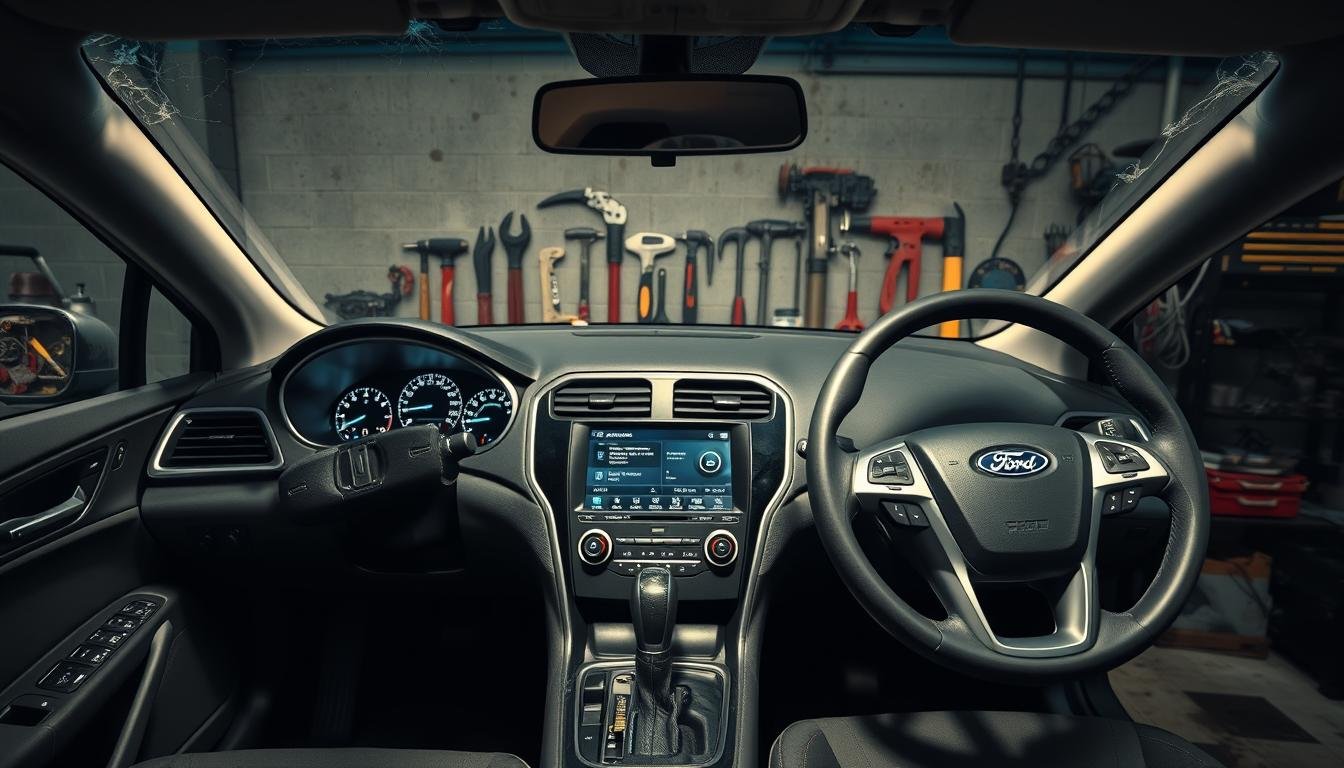
Ford Fusion Common Problems & Reliability Issues
Since its debut in 2005, the Ford Fusion has captured the hearts of many with its comfort and style. But, anyone looking to buy should know about its issues.
Problems like transmission hiccups and electrical glitches are important to note when judging its reliability.
This guide will cover various issues Ford Fusion owners might face, including common repairs and complaints.
Plus, you’ll find tips on how to keep your Fusion in good shape. With this knowledge, you can feel sure about your decision to buy or keep a Fusion.
Overview of The Ford Fusion
The Ford Fusion is a well-liked mid-size car. It’s known for its stylish looks, big interior, and flexibility.
It offers both gas and hybrid versions to suit different drivers. The Fusion became famous for its dependability from 2006 to 2020.
The Fusion stands out for its great gas mileage and top safety scores. It comes in many trims, letting you choose the one that fits you best.
Its mix of efficiency and power has won many fans over time. Looking at the Fusion’s specs shows Ford’s focus on innovation.
It boasts strong engines, the latest tech, and a smooth ride. This car handles well in city jams and is great for long trips too. Driving the Fusion is always a pleasure.
Ford Fusion Common Problems
Many Ford Fusion models face issues that impact their performance and reliability. Recognizing these problems early can help lower repair costs.
We’ll look into common issues like transmission setbacks, electrical system failures, and steering troubles.
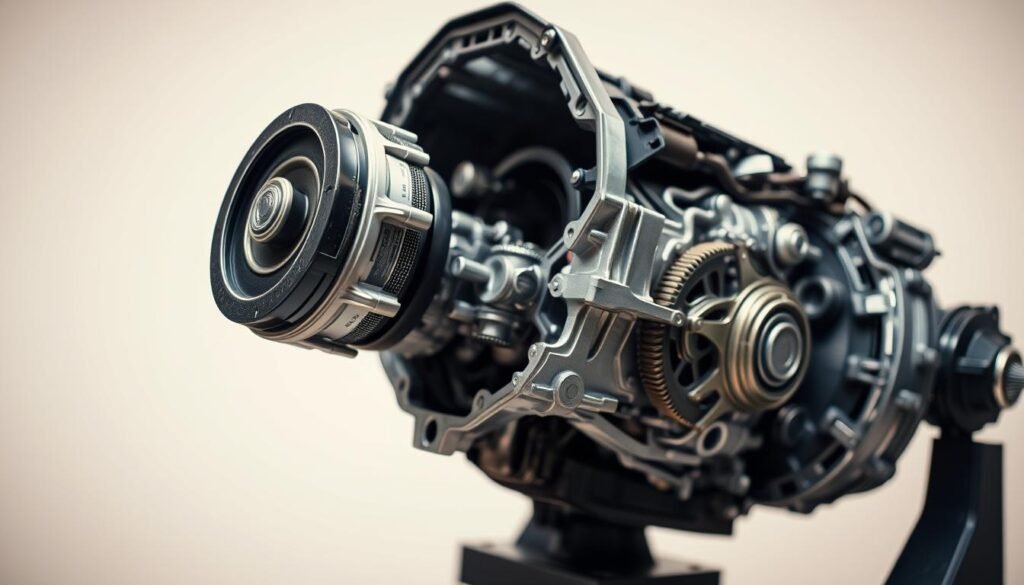
Transmission Issues
Transmission troubles are frequent in Ford Fusions with the 6-speed automatic. Owners report harsh shifting and fluid leaks. Fixing these problems can be pricey, with costs sometimes over $1,250.
Electrical System Failures
Ford Fusion’s electrical issues often hit radios and backup cameras. They range from minor glitches needing updates to major failures requiring replacement. Promptly fixing these can dodge bigger problems later.
Power Steering Problems
Models from 2010 to 2016 often face steering problems. These troubles make steering hard and pose safety risks. Repairs might cost anywhere from $400 to $1,600, depending on the damage.
Common Ford Fusion Defects
Ford Fusion owners must know about common defects for their car’s safety and reliability.
The main issues are with the brakes and engine overheating. These problems can be dangerous and expensive to fix.
Braking System Failures
The brakes on some older Ford Fusions, made between 2006 and 2010, often have issues.
A faulty ABS hydraulic control unit can make the brakes work poorly. Fixing this can cost up to $800, a big expense for the car owner.
Engine Overheating and Stalling
Engine problems are common in Ford Fusions made after 2013. Leaks and head gasket failures can cause the engine to overheat or stall.
These repairs might cost more than $2,100 because they need thorough work to fix.

Year-by-Year Analysis of Reliability
Looking closely at the ford fusion reliability by year, we see trends in its model generations. From 2006 to 2012, the first generation faced early issues.
Especially, the 2008 and 2009 models had braking system problems, which were fairly easy to fix.
The second generation, from 2013 to 2020, had new engineering advancements. Yet, it wasn’t free from big problems.
The 2013 model, for example, saw many recalls due to engine leaks. This shows why a detailed ford fusion reliability analysis is vital for used car buyers.
In a ford fusion years comparison, some years are more reliable than others. It’s important to choose a model year that combines new features with proven reliability.
This choice will lead to a more trustworthy car experience.
Ford Fusion Owner Complaints
Listening to what Ford Fusion owners have to say is key to understanding your car’s reliability. People often share their experiences on websites like RepairPal.
By looking into their complaints, you can learn a lot about the car’s performance and how long it lasts.
Review of complaints by model year
The 2010, 2011, and 2013 models of the Ford Fusion are often talked about when it comes to customer happiness. The main issues for these years relate to steering and the transmission.
These problems usually start showing up after 76,000 miles. This shows how important regular check-ups and proper care are.
Most frequently reported issues
Owners have pointed out several common problems, including:
- Transmission failures, like slipping gears and slow shifting.
- Electrical problems that may affect lights and other electronics.
- Issues with power steering, making the steering wheel hard to turn.

Cost of Repairs and Maintenance
Knowing what it costs to fix and maintain a Ford Fusion helps owners plan their budget.
The costs vary based on what needs fixing. Regular check-ups are vital for the car’s long life and can help avoid high repair costs.
Typical repair costs For common problems
Common repairs for the Ford Fusion have a range of prices. Being informed helps you set aside money for these issues. Here’s a closer look at what you might pay:
| Repair Type | Estimated Cost |
|---|---|
| Transmission Fluid Change | $100 – $300 |
| Transmission Rebuild | $2,500 – $3,500 |
| Electrical Repair (Radio Replacement) | $700 |
| Steering Pump Replacement | $400 – $1,600 |
Knowing these costs can prevent surprises. Regular check-ups can lower repair expenses, keeping your Ford Fusion running smoothly.
Long-term Reliability of The Ford Fusion
The Ford Fusion is known for reliable long-term use. Many owners say with good care, these cars last a long time.
On average, a Ford Fusion can go up to 200,000 miles. By keeping up with maintenance, some have reached up to 300,000 miles.
Sticking to a strict maintenance schedule is crucial. This includes getting oil changes on time, checking fluids regularly, and following the manufacturer’s service advice.
Doing these things can really help your car last longer. It ensures many years of reliable driving.
| Maintenance Task | Recommended Frequency | Impact on Lifespan |
|---|---|---|
| Oil Changes | Every 5,000 to 7,500 miles | Prevents engine wear and maximizes efficiency |
| Fluid Checks | Monthly | Ensures all systems function properly |
| Tire Rotation | Every 5,000 to 7,500 miles | Improves tire life and handling |
| Brake Inspection | Every 10,000 miles | Prevents costly damages and enhances safety |
Following these maintenance tips can maximize your Ford Fusion’s reliability. By doing so, your car will remain dependable for many miles to come.
What Years To Avoid When Buying A Ford Fusion
When looking for a used Ford Fusion, know which years to skip. Some models have more problems, affecting how well they work. Knowing which ones to avoid helps you choose wisely.
Years with The most complaints
The years 2007, 2008, 2010, 2011, and 2013 stand out for bad feedback. These versions often have transmission woes and other issues. The 2007 and 2008 models are notably unreliable.
Avoid these specific years to dodge future issues and repair bills. Doing your homework on these models helps you find better Ford Fusion choices.
Expert Opinions on Ford Fusion Issues
Experts say it’s key to keep your Ford Fusion well-maintained to avoid problems. They point out that being proactive can help your car last longer.
It’s especially important to check the transmission and electrical systems before buying. It’s a good idea to look into the recall history of the Ford Fusion’s model year.
Knowing about past recalls gives you important information about possible car issues. Talking with mechanics who know Ford cars well can also give you useful tips on taking care of your vehicle.
Experts often suggest keeping your car’s software up to date to improve the transmission. These updates can make your car work better and prevent common problems.
By listening to these tips, both potential and current Ford Fusion owners can understand how to manage their car better.
Ford Fusion Maintenance Tips
To keep your Ford Fusion running well, it’s all about being careful and knowing what works best.
Taking good care of your car can make it last longer and run better. Make regular checks a habit to dodge big problems later.
Proactive maintenance strategies
Adding some key Ford Fusion care tips to your routine is smart. They can help your car stay reliable for a long time.
Here are a few tips to consider:
- Regularly inspect fluid levels, including oil, coolant, and brake fluid.
- Adhere to a strict oil change schedule every 5,000 to 7,500 miles to ensure engine health.
- Replace brakes, tires, and wiper blades as needed, based on wear and performance.
- Utilize OEM parts for repairs to maintain vehicle integrity and longevity.
- Rely on certified dealerships for diagnostics to identify potential issues early.
- Check for software updates periodically, as they can significantly influence mechanical performance.
By sticking to these tips, your Ford Fusion will run more smoothly. This means better reliability and more comfort while driving.
Conclusion
The Ford Fusion is a top pick in the mid-size sedan world. It wins over many drivers with its cool looks, comfy interior, and useful features.
Yet, it’s wise to know about some issues, like transmission and electrical problems, especially in certain years. This knowledge is key when thinking about buying one.
Some models of the Ford Fusion are known for their solid performance and reliability. However, some have a history of complaints that buyers should pay attention to.
Taking good care of your car and keeping up with its needs can make it last longer. This effort makes owning a Ford Fusion more rewarding.
By keeping an eye on maintenance, you can truly enjoy what the Ford Fusion offers. It’s about getting the most out of the car’s comfort and flexibility.
FAQs
Q: What are the most common problems faced by Ford Fusion owners?
A: Ford Fusion owners often find trouble with their car’s transmission, electrical systems, and power steering. They notice the automatic transmission shifts harshly. Also, the accessories might not work right, and the power steering can fail.
Q: How reliable is the Ford Fusion?
A: The Ford Fusion is seen as pretty reliable, especially if it’s well-maintained. But, the 2010 and 2013 models have had more problems. These issues could lower the car’s reliability.
Q: What are the typical repair costs for common Ford Fusion issues?
A: Fixing a Ford Fusion can cost a lot or a little, depending on the problem. Fixing the transmission might cost between $2,500 and $3,500. Brake repairs usually are about $800. Replacing the radio could cost you $700, and fixing the power steering might run from $400 to $1,600.
Q: Which years of the Ford Fusion should I avoid?
A: It’s wise to stay away from the 2007, 2008, 2010, 2011, and 2013 Ford Fusions. These models have many reports of issues, mainly with the transmission and steering.
Q: What major defects have been reported in the Ford Fusion?
A: Big troubles with the Ford Fusion include braking system faults, like the ABS hydraulic control unit going bad. And from 2006 to 2010 and again in 2013 onwards, the engine might overheat because of coolant leaks.
Q: How can I maintain my Ford Fusion to prevent common problems?
A: To avoid troubles, keep your Ford Fusion well-maintained. Make sure to change the oil on time and check fluid levels regularly. Also, replace the brakes, tires, and wiper blades when necessary. Using original parts and updating the software can also help make your car run smoother.
Q: Are there any recalls associated with specific Ford Fusion models?
A: Yes, there have been recalls on some Ford Fusion models. The 2013 model, for example, had issues with engine leaks leading to recalls. Always look up the recall history for the model year of the Fusion you’re interested in.
Q: What should I inspect before buying a used Ford Fusion?
A: Look closely for transmission and electrical problems when checking out a used Ford Fusion. You should also look into the car’s recall history. Getting a mechanic who knows Ford cars to take a look can help you spot any potential issues.
,600.
Q: Which years of the Ford Fusion should I avoid?
A: It’s wise to stay away from the 2007, 2008, 2010, 2011, and 2013 Ford Fusions. These models have many reports of issues, mainly with the transmission and steering.
Q: What major defects have been reported in the Ford Fusion?
A: Big troubles with the Ford Fusion include braking system faults, like the ABS hydraulic control unit going bad. And from 2006 to 2010 and again in 2013 onwards, the engine might overheat because of coolant leaks.
Q: How can I maintain my Ford Fusion to prevent common problems?
A: To avoid troubles, keep your Ford Fusion well-maintained. Make sure to change the oil on time and check fluid levels regularly. Also, replace the brakes, tires, and wiper blades when necessary. Using original parts and updating the software can also help make your car run smoother.
Q: Are there any recalls associated with specific Ford Fusion models?
A: Yes, there have been recalls on some Ford Fusion models. The 2013 model, for example, had issues with engine leaks leading to recalls. Always look up the recall history for the model year of the Fusion you’re interested in.
Q: What should I inspect before buying a used Ford Fusion?
A: Look closely for transmission and electrical problems when checking out a used Ford Fusion. You should also look into the car’s recall history. Getting a mechanic who knows Ford cars to take a look can help you spot any potential issues.