
Ford Fusion Tire Pressure Sensor Fault Fix Better Tips
Are you dealing with a tire pressure sensor issue in your Ford Fusion? It’s important to know about your car’s Tire Pressure Monitoring System (TPMS).
This system helps keep you safe and your car performing well. Knowing the signs of TPMS problems is key. These include warning lights and changing tire pressures.
Solving these issues can make driving better and prevent dangers on the road. We will show you how to check and fix tire pressure sensor problems.
Learn to spot early sensor failure signs and what affects their readings. We’ll also share how to reset the TPMS, change sensor batteries, and keep tire pressure right.
Our goal is to help you understand these issues and solve them quickly. Let’s look at how to fix Ford Fusion tire pressure sensor fault. This will keep your Ford Fusion running smoothly and safely.
What is The Importance of Tire Pressure Monitoring System (TPMS)?
The Tire Pressure Monitoring System (TPMS) helps keep your vehicle safe. It alerts you if your tire pressure gets too low. Low tire pressure can make your car harder to control,
wear out your tires faster, and use more fuel. This is super important for Ford Fusion owners to remember.
Keeping the right tire pressure helps your car perform better and drive smoother.
Checking your tire pressure with the TPMS can help you avoid dangerous blowouts and make your tires last longer.
With the right amount of air in your tires, your car handles better and is safer to drive.
Knowing how the Ford Fusion TPMS works helps you keep your tires in great shape. This makes driving more enjoyable and gives you peace of mind on the road.
Common Symptoms of Ford Fusion Tire Pressure Sensor Fault
It’s key to know when there’s a problem with the Ford Fusion’s tire pressure system. The system warns you, mainly with the ford fusion TPMS warning light.
By understanding what these warnings mean, you can tackle issues early on.
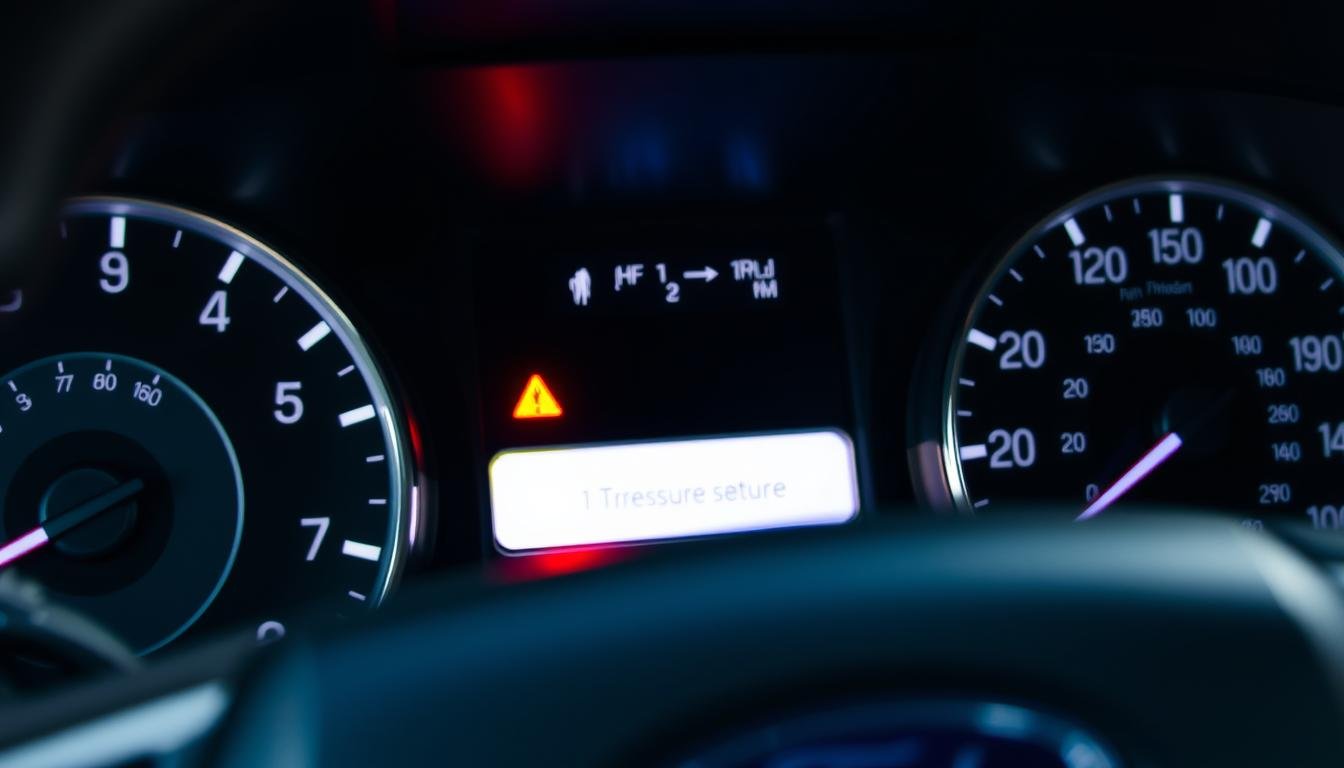
Recognizing The TPMS Warning Light
When the TPMS warning light comes on, it means a tire is much too low on air. This is a red flag to check your tires right away.
If you don’t, it could hurt the tires, rims, or how well your car drives. Ignoring these warnings can wear out your tires faster and make driving risky.
What is Flashing Light Indicators?
A flashing TPMS light usually signals a sensor issue, like a dying battery. This calls for quick action to avoid wrong tire pressure readings.
Regular checks on the sensors, as advised by the maker, keep them working right. Quick attention to these issues keeps your Ford Fusion running safely and smoothly.
What Causes Ford Fusion TPMS Issues?
Learning Ford Fusion TPMS issues helps in vehicle care. Problems often lead to warnings of low tire pressure and sensor errors. It’s crucial to know these causes for early fixing.
Low Tire Pressure Problems
Low tire pressure is a common TPMS issue. It happens due to:
- Punctures or leaks in the tire.
- Natural pressure loss over time.
- Changes in temperature affecting tire pressure.
Fixing low tire pressure quickly improves your car’s function and safety.
Sensor Battery Life and Wear
Sensor battery wear also causes TPMS problems. Ford Fusion’s sensors work well for 5 to 10 years. After this, they might not be reliable. Check the battery often to avoid sensor issues.
Environmental Factors Affecting Tire Pressure
Environmental changes impact tire pressure. Both hot and cold weather can change the air in tires.
This leads to more low pressure alerts and sensor damage. Regularly check your tire pressure, especially with big weather shifts.
| Factor | Description |
|---|---|
| Low Tire Pressure Problems | Punctures, leaks, and natural pressure loss. |
| Sensor Battery Life | Batteries typically last 5-10 years. |
| Environmental Factors | Temperature fluctuations affect air pressure in tires. |
How To Diagnose Ford Fusion Tire Pressure Sensor Fault
To find a Ford Fusion tire pressure sensor fault, start by checking the tire sensors closely.
Look for any visible damage that might cause issues with the TPMS. Regularly checking your tires is key for safety and keeping them working well.
Visual Inspection Techniques
Start checking with these visual inspection techniques:
- Look for cuts or wear on the tire surface.
- See if the tire wear is uneven, which could mean alignment problems.
- Make sure the tire edge is sealed right on the rim.
- Check valve stems for any cracks or leaks.
Using TPMS Diagnostic Tools
Next, use TPMS diagnostic tools after you’ve looked the tires over. These gadgets help pinpoint TPMS errors more accurately. They tell you:
- The specific tire sensor codes.
- How much battery each sensor has left.
- Which sensors might need to be changed or fixed.
Using these tools along with checking the tires visually helps find problems better. This way, you can keep the tire pressure monitoring system in top shape.

Step-by-Step Guide To Fixing Ford Fusion TPMS Problem
To fix a Ford Fusion TPMS issue, you need to follow certain steps carefully. This makes sure your tires stay safe and work well.
By keeping up with maintenance, you can reset the TPMS light, change sensor batteries, and keep the right tire pressure.
Resetting The TPMS Light
First, reset the TPMS light. Make sure your tires have the right amount of air, as your car’s manual suggests.
Then, find the TPMS reset button. It’s usually under the steering wheel or near the console.
Push and hold it till the TPMS light blinks and then shuts off, showing you’ve reset it successfully. This is a key step in solving the Ford Fusion TPMS issue.
Replacing Sensor Batteries
If the TPMS light is still on after you’ve reset it, you might need new sensor batteries. If the sensors don’t work right, the light can stay on even if your tires have enough air.
The car’s manual will show you how to reach the sensor batteries. Remember to use the right type of battery to avoid more problems with the system.
Checking Tire Pressure and Re-inflating
Keep an eye on your tire pressure with a trusted gauge. Make sure it matches the recommended level. If the pressure in any tire is too low, pump it up.
Checking your tires often not only helps avoid TPMS issues but also makes tires last longer and uses less fuel.
| Step | Description |
|---|---|
| 1 | Inflate tires to the recommended pressure. |
| 2 | Locate and press the TPMS reset button until the light blinks. |
| 3 | Replace sensor batteries if the warning persists. |
| 4 | Regularly check and maintain proper tire pressure. |
Ford Fusion Tire Pressure Sensor Replacement Options
When your Ford Fusion has a tire pressure sensor problem, it’s important to choose wisely.
Deciding between OEM and aftermarket sensors impacts your car’s performance and safety.
Pick the option that suits your needs and budget to keep your car running smoothly.
Choosing OEM vs. Aftermarket Sensors
OEM sensors match Ford Fusion’s specs, offering quality and compatibility. They are more reliable and have a longer life span.
Alternatively, aftermarket sensors are cheaper but may not perform as well. Consider your vehicle’s needs and your budget to decide wisely.
When To Consult A Professional Mechanic
If tire pressure issues persist, or replacing sensors seems daunting, seek a mechanic’s help. They can diagnose the problem and suggest the right solution.
Getting professional help ensures your Ford Fusion’s tire sensor is replaced correctly, preventing future issues.
Common TPMS Problems in Ford Fusion
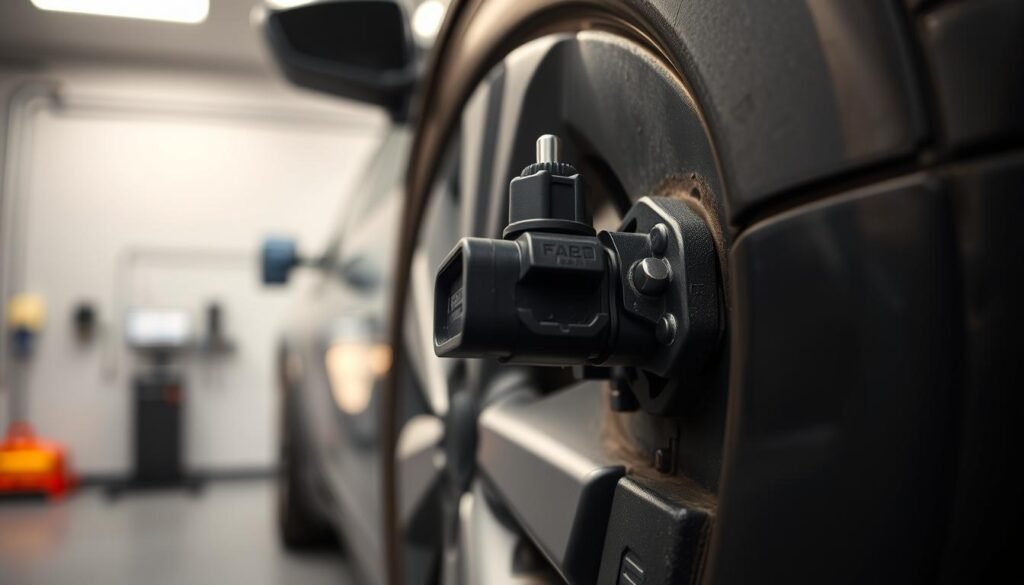
Compromise the tire sensor fault codes in your Ford Fusion is key. These codes tell us about issues like low battery or malfunctioning sensors. Knowing what the codes mean helps fix problems faster.
Learning Tire Sensor Fault Codes
Tire sensor fault codes are important for figuring out TPMS issues. You might see codes for:
- Low battery signal in the sensor
- Sensor communication error
- Sensor not detected
By knowing these codes, you can find the main problems with your TPMS and take the right steps.
Identifying Software Malfunctions in TPMS
Software issues can also mess up your TPMS, causing wrong readings or alerts. These problems can be due to:
- Outdated software versions
- Glitches in the system
- Interference from other electronic systems within the vehicle
Fixing software issues is crucial for your TPMS to work right. It helps you drive safely.
How To Reset The TPMS After Adjusting Tire Pressure
After you adjust your tire pressure, make sure to reset the Tire Pressure Monitoring System (TPMS). You can do this in two main ways.
Both methods will get your TPMS back to working right. You can choose between a manual reset or an automatic one.
Method For Manual Resetting
To manually reset the TPMS, find the reset button by the steering wheel. Then, just follow these steps:
- Turn the ignition key to the “On” position without starting the car.
- Press and hold the TPMS reset button until you see the TPMS light blink three times, then let go.
- Start the car and wait for the TPMS light to shut off.
Driving Techniques For Automatic Resetting
If you prefer an automatic reset, driving your car a certain way can do the trick. Just do this:
- Speed up to about 50 mph.
- Keep at this speed for 10 minutes so the TPMS can reset itself.

By resetting the TPMS, you’ll clear any errors, making sure it reads right. This keeps your car safe and running well.
Maintaining Optimal Tire Pressure For Your Ford Fusion
Keeping the right tire pressure is key for your Ford Fusion’s performance and safety. Checking regularly helps avoid problems and improves your drive.
Check your tire pressure monthly and before any long trips to keep it in the recommended range.
Knowing how the weather affects tire pressure will also improve your maintenance plan.
Regular Tire Checks and Importance of Maintenance
Looking after your Ford Fusion’s tires does more than just keep the pressure right. It also saves fuel, helps the car handle better, and makes tires last longer. Remember to:
- Inspect tires for visible wear and damage.
- Check and maintain pressure as your owner’s manual says.
- Rotate tires as suggested for even wearing.
Compromise Seasonal Tire Pressure Variations
Tire pressure drops with colder weather. About 1 psi is lost for every 10 degrees Fahrenheit the temperature falls.
It’s important to adjust the pressure with the seasons. Keep a close eye when it gets cold, as low pressure can worsen traction and tire wear. To manage this:
- Adjust tire pressure when the seasons change.
- Monitor ambient temperatures to predict necessary changes.
- Utilize a reliable tire gauge for accurate measurements.
Ford Fusion Tire Pressure Sensor Fault Diagnosis
To figure out a tire pressure sensor issue in a Ford Fusion, you need to know basic and expert tricks.
You might not have fancy tools pros use, but you can still pinpoint problems by yourself. This helps guess what’s wrong before going to a pro.
Professional Diagnosis Options Available
Many mechanics use high-tech tools to get a precise read on Ford Fusion tire pressure sensor troubles.
These gadgets find specific errors with the TPMS quickly. They show hidden issues that you can’t see just by looking.
Consumer Tips For Accurate Self-Diagnosis
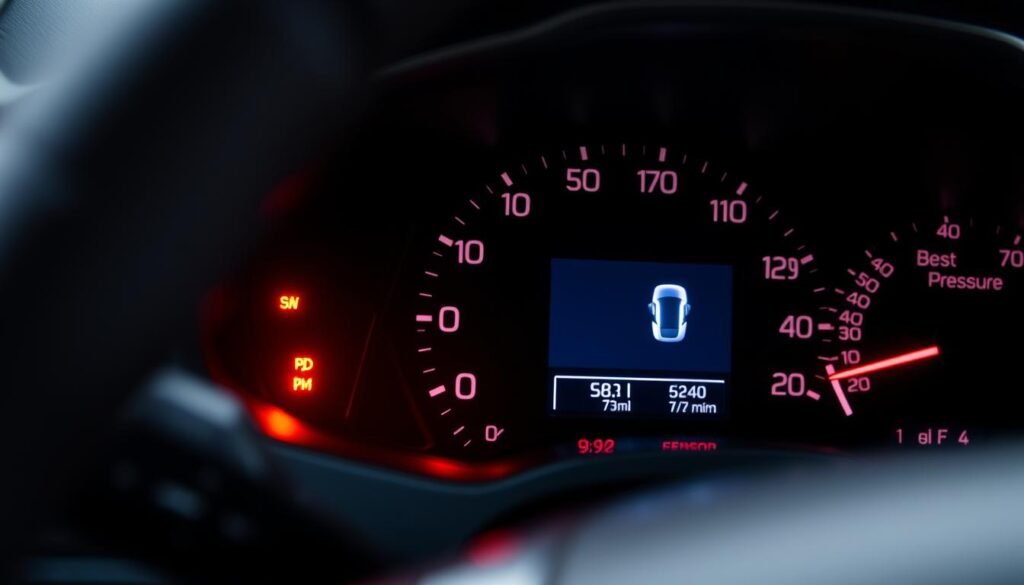
To spot issues yourself, watch the TPMS light and regularly check your tire pressure. Know the signs of a problem, like uneven tire pressure or warning lights flashing.
Following these steps lets you find issues early and makes fixing them easier.
Resolving Ford Fusion Tire Pressure Sensor Issues
Fixing the Ford Fusion’s tire pressure sensor can make your drive safer and more enjoyable.
By tackling these issues head-on, you not only fix ongoing problems but also boost your car’s overall performance. Let’s dive into some smart ways to solve these issues.
Common Fixes For Persistent TPMS Problems
There are simple steps to tackle TPMS issues. Here are some:
- Check sensor connections to ensure a secure fit.
- Replace any faulty tire pressure sensors that may impact performance.
- Ensure that all tires are consistently inflated to the manufacturer-recommended levels.
Tips For Long-Term Reliability of TPMS
To keep your TPMS working well for a long time, follow these tips:
- Establish a regular tire inspection schedule to catch potential issues early.
- Periodically check sensor batteries, replacing them as necessary to maintain functionality.
- Stay informed about how environmental changes, such as temperature fluctuations, can affect tire pressure.
Conclusion
Keeping your Ford Fusion’s TPMS in check is key for safety and how well the car runs. A good tire pressure system helps stop accidents and saves gas.
Knowing how it works lets you prevent problems, making your rides smoother and your car last longer.
To fix TPMS problems, just follow the steps we talked about. Check your tires regularly and look after the sensors. This keeps your car in top shape.
Keep an eye on your Ford Fusion’s TPMS to drive safely and without worry. Use what you’ve learned and tackle TPMS issues right away.
This way, you avoid problems and keep your car running smoothly. With these tips, you’ll be safer and more confident on the road.
FAQs
Q: How do I know if my Ford Fusion has a tire pressure sensor fault?
A: If the TPMS warning light on your dashboard is on, it means low tire pressure. A flashing light often means a sensor’s battery is having issues.
Q: What causes TPMS issues in a Ford Fusion?
A: Low tire pressure from leaks or punctures can cause issues. So can old sensor batteries or environmental conditions that change pressure.
Q: How can I reset the TPMS light in my Ford Fusion?
A: First, inflate the tires to the recommended pressure. Then, press the TPMS reset button near the steering column until it blinks. Or, drive at 50 mph for 10 minutes for an auto reset.
Q: Can I replace the tire pressure sensors myself?
A: You can replace the sensors yourself with the right tools and know-how. But, it’s usually best to see a mechanic for proper fitting and calibration.
Q: How often should I check my tire pressure?
A: Check your tire pressure once a month and before long trips. Tire pressure can change with the seasons, so check it more often then.
Q: What should I do if the TPMS warning light keeps coming on?
A: If the TPMS light stays on, check and set the tire pressures right. Then, look at the sensors and replace batteries as needed. Use a diagnostic tool for more detailed troubleshooting.
Q: What is the typical lifespan of a tire pressure sensor battery?
A: Sensor batteries usually last 5 to 10 years, based on how you use them. Regular checks are key to catching failing batteries early.
Q: How do environmental factors impact tire pressure?
A: Temperature changes can really affect tire pressure. Tire pressure can drop about 1 psi with every 10-degree Fahrenheit decrease in temperature. It’s vital to keep an eye on tire pressure when the seasons change.


