Troubleshooting Ford 3.7 V6 Problems & Solutions
The Ford 3.7 V6 engine is popular among drivers. Yet, every engine might face issues that affect its performance.
Problems like spark plug issues or coolant leaks are common. This guide aims to help you fix ford 3.7 v6 problems issues on your own.
In this article, you will learn how to spot performance issues. You’ll also learn to use diagnostic tools and know when to get professional help.
We’ll share solutions for typical problems and tips to keep your engine in top shape. With our easy troubleshooting steps, you can solve your engine’s problems.
This means your engine will run smoothly for many years. Now, let’s get started on taking care of your Ford 3.7 V6 engine challenges.
Introduction To Ford 3.7 V6 Engine
The Ford 3.7 V6 engine first appeared in 2011. It’s a member of Ford’s famous modular engine family.
This motor has an aluminum build which makes it light and strong. It has 3.7 liters, providing 305 horsepower and 280 lb-ft of torque.
This engine is used in many Ford vehicles. It’s great for those wanting both efficiency and power.
For those curious about this engine’s abilities, exploring its features and specs is rewarding.
Learning about the ford 3.7 v6 engine is smart if you care about maintenance or upgrades. This engine is a versatile choice for Ford trucks, SUVs, or sedans.
What is The Common Ford 3.7 V6 Problems?
Owners of Ford vehicles equipped with the 3.7 V6 engine often face various challenges.
These challenges can affect the engine’s performance and reliability. It’s important to know about these issues early to avoid bigger problems later.
Overview of Issues Faced by Owners
Some common issues with the ford 3.7 v6 include:
- Engine misfires that may lead to rough idling.
- Excessive oil consumption, which can be indicative of internal engine wear.
- Cooling system failures that can result in overheating and potential engine damage.
Specific Symptoms and Signs
It helps to recognize the symptoms of these problems early. Owners should look out for these warning signs:
- Illuminated warning lights on the dashboard, signaling potential engine troubles.
- Unusual engine sounds, such as knocking or rattling, which may indicate internal issues.
- Performance changes, such as stalling or noticeable loss of power, hinting at underlying engine problems.
Diagnosing Ford 3.7 V6 Issues
Fixing your Ford 3.7 V6’s performance problems starts with accurate diagnostics. The right tools can reveal what’s wrong.
Knowing how to check the engine visually, by sound, and through its mechanics helps find issues early. This means you can fix them on time and keep your engine running well.
Top Diagnostic Tools and Techniques
For issues with your Ford 3.7 V6, several diagnostic tools are helpful. OBD-II scanners are great for decoding engine trouble codes.
They tell you where the problem might be. Manual gauges can show you real-time engine info like temperature and pressure.
Looking over the engine can spot leaks or worn parts. And hearing odd sounds can signal something’s wrong.
When To Seek Professional Help
Sometimes, it’s best to get help from a pro for your Ford 3.7 V6 issues. If warning lights stay on or you hear weird noises that don’t go away, see a mechanic.
Some fixes are too complex to do on your own. Skilled mechanics have the right tools and know-how to fix them.
Common Ford 3.7 V6 Problems and Faults
When you have a Ford 3.7 V6 engine, knowing its common issues is key. You might face engine problems that affect how well you drive every day.
Learning about these issues early can help fix them quicker.
Engine Performance Issues
The Ford 3.7 V6 can have problems like hesitating when speeding up, rough idling, or losing power.
These performance issues come from different places, such as:
- Clogged fuel injectors or filters stopping good fuel flow
- Ignition system troubles leading to poor spark plug function
- Sensor issues that confuse the engine’s control system
To find out what’s causing the engine trouble, a detailed check is needed. Keeping up with maintenance, like cleaning the fuel system and checking ignition parts, helps avoid these issues.
Electrical System Malfunctions
The Ford 3.7 V6 can also have electrical issues, like wrong gauge readings, battery drains, or broken electronics.
These problems can mess up your vehicle’s performance. It’s key to figure them out quickly. When troubleshooting the electrical system, look at:
- The battery’s connections and health
- The condition of the wiring
- How well fuses and relays work
Knowing about these faults helps keep your vehicle’s electrical system running smoothly, making driving better.
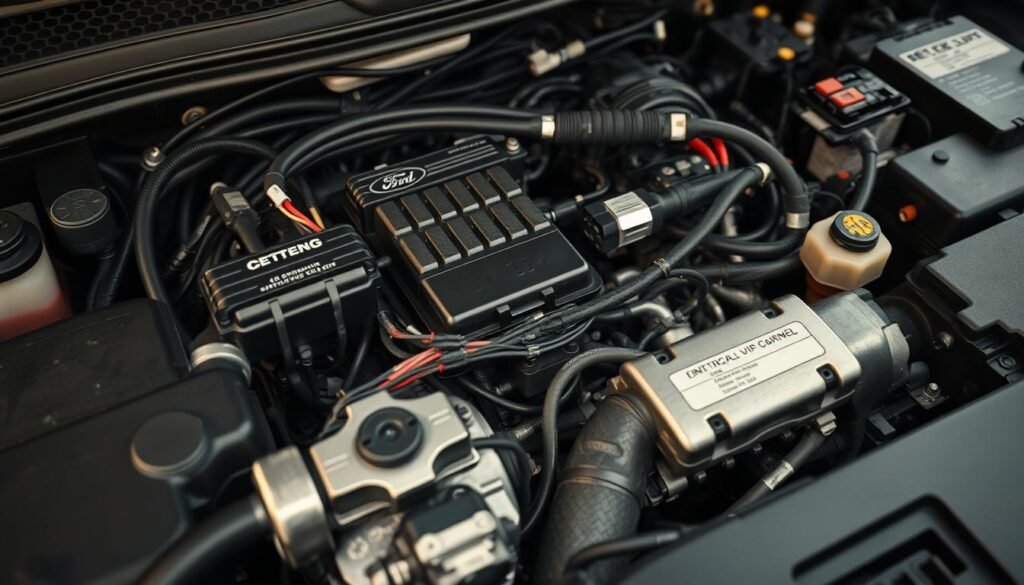
Troubleshooting Ford 3.7 V6 Problems
Finding solutions for Ford 3.7 V6 issues often involves simple DIY fixes. Start with a visual check under the hood for leaks, cracks, or loose parts.
An OBD-II scanner is vital. It reads diagnostic codes, pinpointing engine problems.
DIY Troubleshooting Techniques
Handling minor issues yourself prevents bigger troubles later. Consider these steps:
- Perform a thorough visual inspection of engine components.
- Utilize OBD-II scanners to retrieve diagnostic trouble codes.
- Consult online forums to gather insights from fellow Ford 3.7 V6 owners.
- Check wiring and connectors for signs of wear or corrosion.
Common Diagnostic Codes To Watch For
Knowing common diagnostic codes boosts your troubleshooting skills. Relevant OBD-II codes are:
| Code | Description |
|---|---|
| P0300 | Random/Multiple Cylinder Misfire Detected |
| P0420 | Catalyst System Efficiency Below Threshold |
| P0191 | Fuel Rail Pressure Sensor Range/Performance Problem |
| P0171 | System Too Lean (Bank 1) |
Knowing these codes helps target Ford 3.7 V6 problems more accurately.
Fixing Ford 3.7 V6 Performance Problems
Focusing on the Ford 3.7 V6 engine’s noise and fuel efficiency is key. By pinpointing and addressing these issues, you can enhance the engine’s performance. This leads to a better driving experience.
Solutions For Engine Noise and Vibration
Engine noise often points to bigger problems. For engine noise solutions, try these steps:
- Tighten loose parts to stop rattling or clunking sounds.
- Replace old engine mounts for less vibration and smoother operation.
- Keep oil clean by changing it regularly to avoid noise and bad performance.
To fix noise issues, figure out what each sound means. For example, ticking could mean a timing chain problem. A whining noise may show belt system issues.
Addressing Fuel Efficiency Concerns
Boosting ford 3.7 v6 fuel efficiency improves your drive. Focus on these areas if the engine uses more fuel than before:
- Change a dirty air filter for better airflow.
- Check spark plugs for wear, as old ones harm combustion.
- Make sure fuel injectors are clean and work well.
Keep up with maintenance and replace parts when needed. This helps your engine use fuel more efficiently.
Taking care of these things can greatly improve performance and fuel usage.
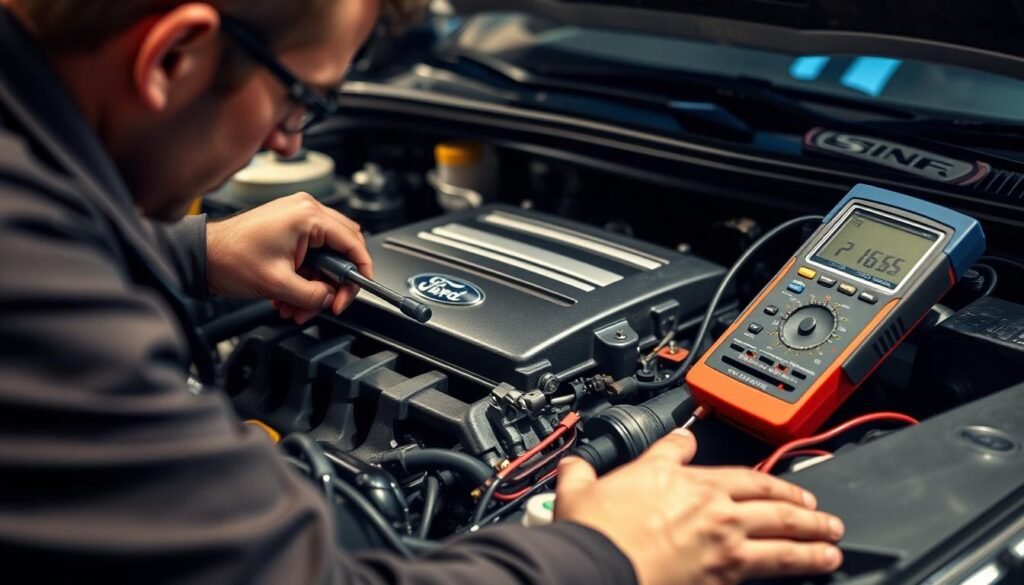
Ford 3.7 V6 Reliability Concerns
If you own a Ford 3.7 V6, knowing about its reliability is key. By doing regular upkeep, you can both boost its performance and avoid future issues. Follow good maintenance advice to keep your car in top shape.
Maintenance Tips For Longevity
Keeping your Ford 3.7 V6 engine running well is easy with these tips:
- Regular oil changes to keep the engine lubricated.
- Frequent checks of coolant and other fluid levels.
- Inspect belts and hoses for signs of wear.
- Replace air and fuel filters as recommended.
- Conduct routine inspections of spark plugs and ignition systems.
Recalls and Known Issues
It’s crucial to know about any recalls or issues with your Ford 3.7 V6. These can affect both safety and reliability. Stay updated on recalls to fix problems quickly.
| Recall Type | Issue Description | Impact on Reliability |
|---|---|---|
| Component Recall | Potential coolant leaks leading to engine overheating | High |
| Safety Recall | Defective fuel systems causing fire hazards | Critical |
| Software Update | Engine management system updates for improved performance | Medium |
Common Repairs For Ford 3.7 V6 Engine
The Ford 3.7 V6 engine is reliable, but it sometimes needs repairs. Knowing the typical issues can help you be ready for maintenance.
The main repairs involve the head gasket, transmission, and valve timing systems. Catching these problems early can save both time and money.
Overview of Major Repairs
Major concerns for this engine include:
- Head gasket replacements, often because of overheating or leaks.
- Problems with the transmission, like shifting issues or power loss.
- Issues with valve timing parts that affect how the engine runs.
Knowing about these repairs lets you take good care of your car and keep it running well.
Costs Associated with Common Repairs
The cost of repairing a Ford 3.7 V6 can vary. It depends on what needs fixing and where you live. Generally, you might spend:
| Repair Type | Estimated Cost Range |
|---|---|
| Head Gasket Replacement | $1,000 – $1,500 |
| Transmission Repair/Replacement | $1,200 – $1,800 |
| Valve Timing Component Replacement | $500 – $1,000 |
Being informed about these costs helps you plan for upkeep and future fixes.
Expert Maintenance Tips For Ford 3.7 V6 Owners
Keeping your Ford 3.7 V6 in top shape is crucial for its performance and life. Use a detailed maintenance checklist to keep things in order.
Routine upkeep cuts down unexpected problems and boosts reliability.
Scheduled Maintenance Checklist
Here’s what to add to your Ford 3.7 V6 maintenance schedule:
- Regular oil changes (every 5,000 to 7,500 miles)
- Replacing air and fuel filters (every 15,000 miles)
- Brake inspections (every 10,000 miles)
- Tire rotations and inspections (every 5,000 miles)
- Inspecting and replacing spark plugs (every 30,000 miles)
- Coolant and brake fluid checks (annually)
Preventive Measures To Avoid Problems
Here are some preventive care tips for your Ford 3.7 V6:
- Regularly check fluid levels and look for leaks
- Inspect belts and hoses for wear and tear
- Listen for unusual sounds while the engine runs
- Keep the engine clean to prevent dirt buildup
Keeping a log of your maintenance helps you track service history. This proactive approach saves time, money, and avoids headaches later.
Conclusion
The bottom line is, knowing about the ford 3.7 v6 issues is key. It helps you fix your engine faster, for a smoother ride.
Learn the symptoms and problems we’ve listed. By doing so, you’re setting yourself up for a reliable drive.
Keeping your car in top shape is crucial. Check out our engine care guide often to keep problems away.
This way, you’re not just fixing issues, but stopping them before they start. Staying informed helps you handle any trouble that comes your way.
Caring for your car makes a big difference in how it drives. Learning from our troubleshooting conclusion empowers you to meet your engine’s needs.
A little effort in maintenance goes a long way. It keeps your car going strong, mile after mile.
FAQs
Q: What are the common Ford 3.7 V6 engine issues?
A: The Ford 3.7 V6 often faces engine misfires, uses too much oil, and has cooling problems. Spotting these early can save you money.
Q: How can I troubleshoot Ford 3.7 V6 problems?
A: Start with visual checks and use an OBD-II scanner for codes. Online forums offer great advice from other Ford owners.
Q: What symptoms indicate a Ford 3.7 V6 engine issue?
A: Look out for dashboard warnings, odd engine noises, stalling, or less power. Acting fast on these signs is key.
Q: When should I seek professional help for my Ford 3.7 V6?
A: Seek a mechanic if you see constant warning signs, hear weird noises, or face tough issues. Some repairs need expert hands.
Q: What diagnostic tools do I need for my Ford 3.7 V6?
A: You’ll need OBD-II scanners to read trouble codes. Also, evaluate your engine visually and by sound for the best diagnosis.
Q: How can I improve fuel efficiency in my Ford 3.7 V6?
A: Regularly changing the air filter, spark plugs, and fuel injectors helps. Routine upkeep boosts your fuel efficiency.
Q: What are the common repairs needed for the Ford 3.7 V6 engine?
A: Often, you might need to fix the head gasket, transmission, or other parts. Knowing this helps you plan your budget.
Q: How can I ensure the longevity of my Ford 3.7 V6 engine?
A: Keep up with oil changes, check fluids, and inspect crucial parts. A detailed maintenance schedule prevents future problems.