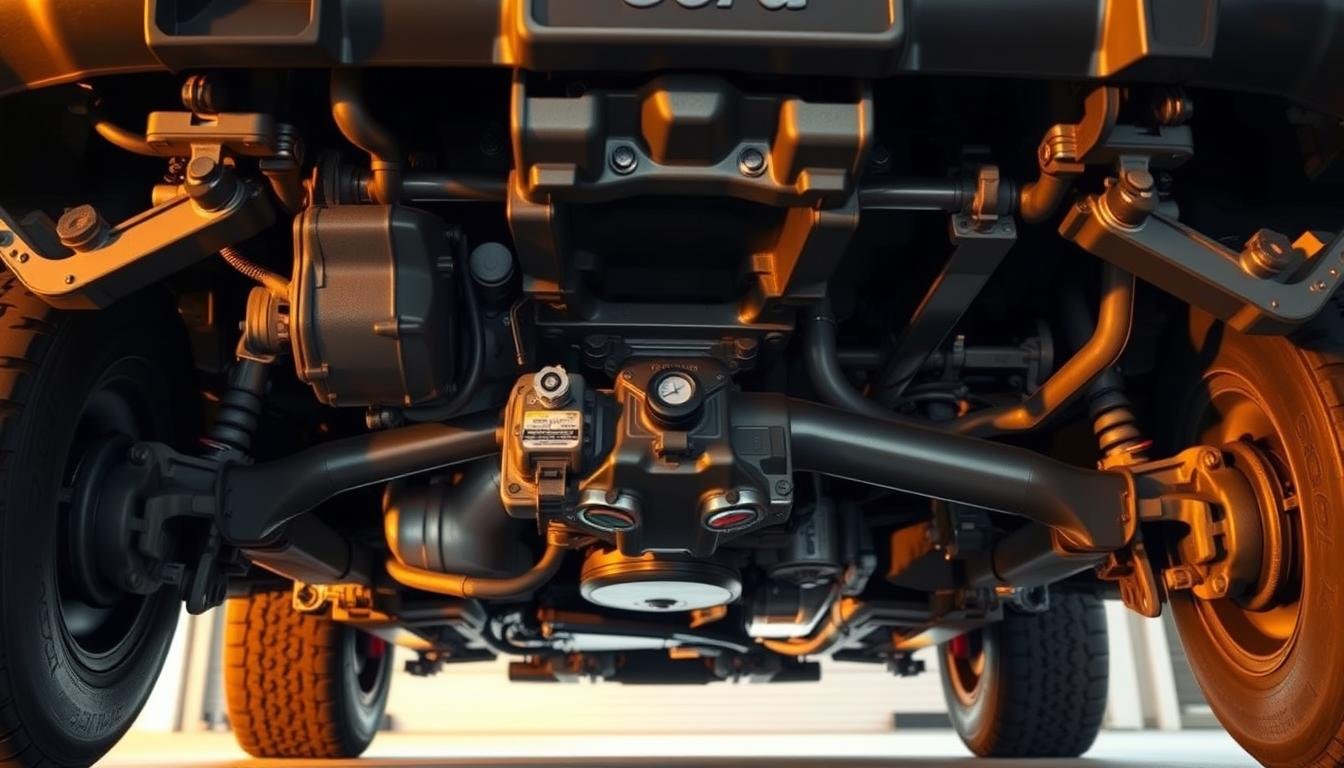
Ford Transmission Speed Sensor Location Guide
Are you trying to find where the Ford transmission speed sensor is? It’s key to know its location in your Ford for fixing problems right.
This guide gives you the info on finding the speed sensor in various Ford models. With this knowledge, you’re set to handle issues confidently.
The ford transmission speed sensor location matters a lot for your car’s performance. It sends important info to the engine control unit (ECU), helping with smooth gear shifts and speed control.
Knowing where it is makes fixing problems easier. This guide covers common Ford models, how to fix them, and the tools you’ll need.
Follow this guide to easily find and take care of your Ford’s transmission speed sensor.
This will help keep your vehicle running well for a long time. Let’s get started on finding this key part in your Ford.
What is The Ford Transmission Speed Sensor?
The transmission speed sensor is key in today’s Ford cars. It checks how fast the transmission output shaft spins.
This info helps the engine run better and keeps the transmission working right. You might be curious about what a transmission speed sensor is.
You’ll also want to know how it helps your vehicle run. Here’s a clear explanation of the sensor and why it’s important for Ford vehicles.
What is A Transmission Speed Sensor?
A transmission speed sensor tracks the speed of the transmission output shaft’s rotation. It turns this rotation speed into an electrical signal.
This signal goes to the engine control unit (ECU). The ECU uses this info to keep the engine running well.
It also adjusts how the transmission shifts. This makes your drive smoother, especially when changing gears.
Importance of The Speed Sensor in Ford Vehicles
The speed sensor plays a big role in Ford vehicles. It makes sure gear shifting is accurate. This keeps the drive smooth and helps save on gas.
A working speed sensor affects several systems. These include the anti-lock braking (ABS), cruise control, and managing transmission fluid temperature.
Knowing how this sensor works shows the importance of key parts in keeping your Ford running well.
Common Symptoms of Ford Speed Sensor Problems
Knowing ford speed sensor problems early can save you money on repairs. Signs of trouble include a lit check engine light, odd shifts, and wrong speedometer readings.
These signs can cause other problems if not fixed. It’s important to recognize them early to keep your car running smoothly.
Check Engine Light Activation
One early sign is the check engine light coming on. This means the engine’s computer found a problem, maybe with the speed sensor. Seeing this light should make you check what’s wrong.
Transmission Shifting Issues
If your car shifts gears weirdly, the speed sensor might be failing. You might feel shifts happening when they shouldn’t, or shifting might be hard.
Ignoring these signs can make your transmission wear out faster.
Inaccurate Speed Readings
Watch for wrong speedometer readings too. If the speedometer isn’t right or jumps around, the speed sensor could be broken. Fixing these issues quickly can stop bigger problems later.

| Symptom | Description |
|---|---|
| Check Engine Light | Indicates potential sensor malfunction detected by engine control unit. |
| Transmission Shifting Issues | Problems with shifting gears, including unexpected or harsh shifts. |
| Inaccurate Speed Readings | Speedometer shows incorrect speed or fluctuates erratically. |
Ford Transmission Speed Sensor Location
Knowing where the ford transmission speed sensor is located is key for good vehicle care.
This sensor plays a big part in checking the speed of your car. By knowing where it is, you can better diagnose and take care of your Ford.
Typically, the sensor is on the transmission. Where exactly it is can change with different models and years.
General Location Overview
The speed sensor of a ford vehicle is usually found on the side or the back of the transmission. It is held in place with bolts.
And it connects to the car’s electronic control unit through wires. Look for a cylindrical sensor on the outside of the transmission.
Specific Models and Their Sensor Locations
| Ford Model | Sensor Location |
|---|---|
| Ford F150 (1998-2003) | Rear of the transmission, near the tailshaft |
| Ford Excursion (2000-2005) | On the side of the transmission, driver’s side |
| Ford Explorer (1998-2004) | Located on the side of the transmission, behind the starter motor |
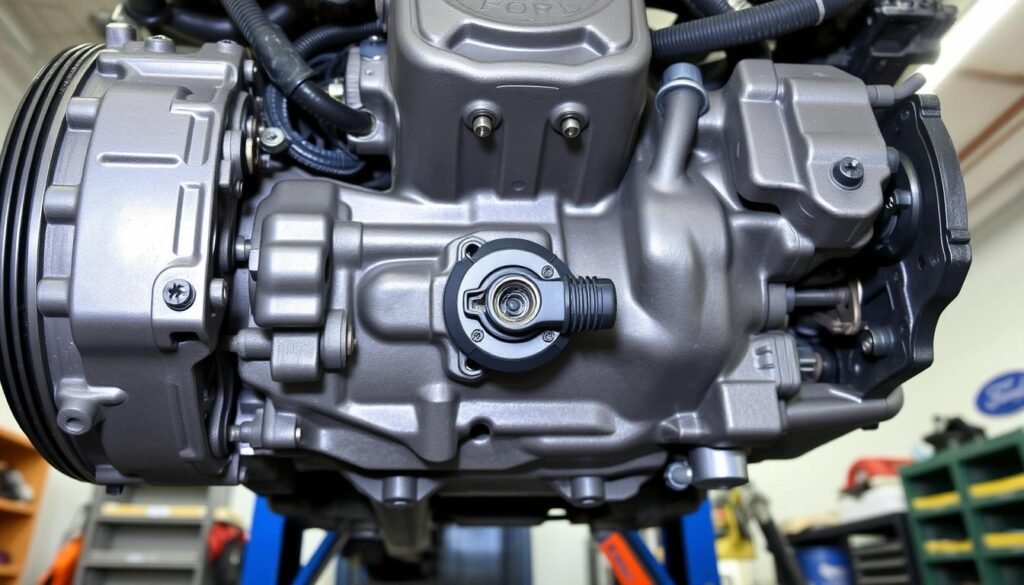
Location of Speed Sensor For Common Ford Models
Knowing where the speed sensor is on different Ford models helps a lot with car care. Here’s a look at where to find the transmission speed sensors in some popular Ford vehicles.
1998-2003 Ford F150 Truck Location
The speed sensor for the 1998-2003 Ford F150 is at the transmission’s end. This spot ensures the speedometer works right.
2000-2005 Ford Excursion Location
For the 2000-2005 Ford Excursion, the sensor is on the transmission’s driver’s side. This info makes fixing speed sensor problems easier.
1998-2004 Ford Explorer Location
The 1998-2004 Ford Explorer has its speed sensor on the transmission’s side. Knowing this helps fix performance issues quicker.
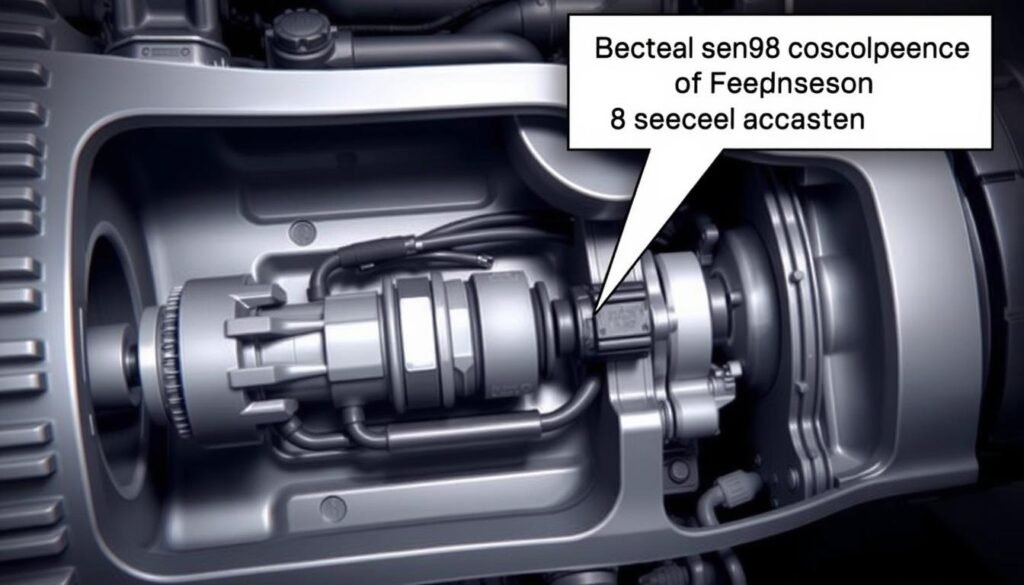
Accessing The Speed Sensor in Ford Vehicles
Start by collecting the needed tools to access the speed sensor in Ford vehicles. The right tools make the work easier and faster.
You’ll mostly need a T-30 Torx bit, ratchet, flatblade screwdriver, and maybe some rust penetrant.
Necessary Tools For Accessing The Sensor
- T-30 Torx bit
- Ratchet
- Flatblade screwdriver
- Rust penetrant (if needed)
Step-by-Step Guide To Locate The Sensor
To effectively access the speed sensor, follow these steps:
- Park the vehicle on a flat surface and engage the parking brake.
- If needed, lift the vehicle with a jack and secure it on jack stands.
- Find the transmission area, where you’ll usually find the sensor.
- Remove the sensor casing bolts using the T-30 Torx bit and ratchet.
- Gently remove the sensor, being careful with the surrounding parts.
- If putting in a new sensor, make sure it fits right before fastening it.
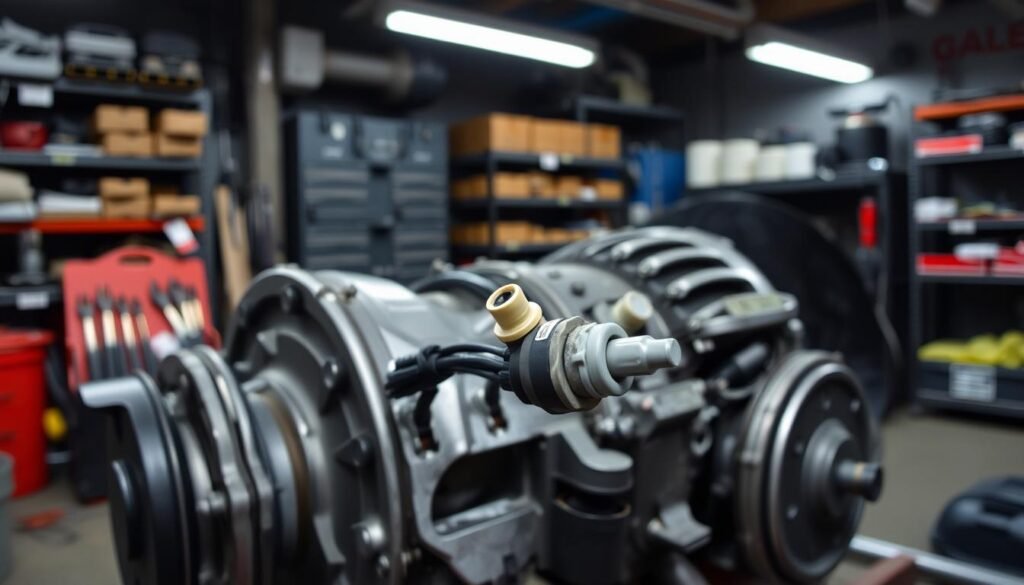
Ford Speed Sensor Replacement Process
Knowing when to change your speed sensor helps keep your car working well. Look out for signs like gears that don’t shift smoothly, warning lights coming on, and speed readings that don’t seem right.
If you don’t replace a bad speed sensor in time, you could face bigger transmission problems.
When To Replace Your Speed Sensor
Keep an eye out for these clues that it’s time for a new speed sensor:
- Erratic or rough shifting of gears
- Dashboard warning lights illuminated
- Inaccurate speed readings
- Unusual engine behavior during acceleration
Replacement Steps and Precautions
Follow these steps to replace the speed sensor easily:
- Disconnect the electrical connector from the speed sensor.
- Remove any bolts or fasteners holding the sensor in place.
- Carefully extract the old sensor from its housing.
Diagnosing Ford Transmission Speed Sensor Issues
Finding problems with your car’s speed sensor requires a systematic approach. Use an OBD-II scanner, a tool that helps get important data.
It gets error codes from the speed sensors. These codes give clues about what might be wrong, affecting how your car works.
Using Diagnostic Tools
Start by connecting an OBD-II scanner to your car’s diagnostic port. Just follow these simple steps:
- Turn on the ignition without starting the engine.
- Access the scanner’s menu and select the option to retrieve diagnostic trouble codes (DTC).
- Record any codes displayed to further analyze their meanings.
Checking these codes helps you check your speed sensors’ condition. It lets you spot any issues to fix.
Interpreting Error Codes Related To Speed Sensors
Learning error codes is key to solving problems. For instance, code P0720 points to a problem in the output speed sensor circuit.
This leads you to check wires and connections for repairs. Here’s a table with common speed sensor error codes and what they mean:
| Error Code | Description |
|---|---|
| P0720 | Output Speed Sensor Circuit Malfunction |
| P0500 | Vehicle Speed Sensor Malfunction |
| P0710 | Transmission Fluid Temperature Sensor Circuit |
| P0715 | Input Speed Sensor Circuit Malfunction |
Knowing these codes makes it easier to figure out ford speed sensor issues. You can quickly find out what repairs are needed.
Benefits of Timely Ford Speed Sensor Replacement
Getting a new speed sensor for your Ford has many perks. It can make your car work better, drive smoother, and perform like new.
Knowing why changing your speed sensor is good can help any car owner stay ahead.
Improved Vehicle Performance
Changing your speed sensor on time means your car runs better. It helps your car’s gear changes be smooth and lets your car speed up quickly.
You’ll also save money on gas and help the environment, making this a smart choice.
Preventing Further Transmission Damage
If you ignore a broken speed sensor, it could harm your car more. This can cause the gears to shift weirdly, putting too much pressure on parts of the car.
Replacing the sensor early can save you from expensive fixes later, keeping your Ford going for longer.
| Benefit | Description |
|---|---|
| Enhanced Transmission Efficiency | Ensures smoother shifts and responsive acceleration. |
| Improved Fuel Economy | Better sensor function leads to optimized fuel usage. |
| Prevention of Further Damage | Reduces risk of costly repairs to the transmission. |
| Longevity of Vehicle | Maintaining sensor health extends the vehicle’s lifespan. |
Choosing The Right Replacement Speed Sensor For Your Ford
When choosing a ford speed sensor replacement, it’s key to pick between OEM or aftermarket parts. Knowing the difference can really affect your Ford’s running and life span.
OEM vs Aftermarket Sensors
OEM speed sensors are made for your specific Ford. They fit perfectly and work well, keeping your car running smoothly.
Aftermarket sensors might cost less and offer more choices. Yet, their quality and fit might not be as good, which could cause issues.
What To Look For When Purchasing A Speed Sensor
When looking for a speed sensor, think about these things:
- Compatibility: Ensure it matches your specific Ford model.
- Warranty: Check if the part comes with a warranty to cover potential defects.
- Manufacturer’s Reputation: Research the brand for reliability and performance.
- Reviews and Ratings: Look for customer feedback to gauge satisfaction with the product.
Conclusion
This guide on Ford transmission speed sensor location offers insights into their function and signs of failure.
It helps you understand how to find and replace the speed sensor in Ford models. This can help you fix transmission problems early.
Knowing the signs of a bad speed sensor helps you take action early. This keeps your vehicle running well.
Regular checks and replacing the speed sensor when needed boosts your vehicle’s performance and life.
This guide is a great tool for Ford vehicle owners. It helps you feel more confident in managing speed sensor issues.
With this info, you can keep your vehicle running at its best and tackle speed sensor problems effectively.
FAQs
Q: Where is the Ford transmission speed sensor located?
A: The speed sensor is usually on the transmission, at the back or side. The exact spot depends on the Ford model and its year. For the 1998-2003 Ford F150, it’s at the transmission’s tail end.
Q: What are common symptoms of a failing Ford speed sensor?
A: If your check engine light turns on, your transmission shifts weirdly, or your speedometer is off, these are signs. These symptoms suggest it’s time to check or replace the speed sensor.
Q: How can I access the transmission speed sensor in my Ford vehicle?
A: To reach the sensor, you’ll need tools like a T-30 Torx bit, a ratchet, and a screwdriver. Make sure your Ford is safely lifted up. This keeps other parts safe while you work.
Q: When should I consider replacing my Ford speed sensor?
A: Consider a new sensor if your gears shift oddly, you see dashboard alerts, or get speed sensor error codes. These signs show it might be time to replace it.
Q: What diagnostic tools can I use for Ford speed sensor issues?
A: An OBD-II scanner is a good tool. It finds error codes from your Ford. This helps figure out speed sensor problems.
Q: What benefits come from timely replacement of the Ford transmission speed sensor?
A: Replacing it on time can better your car’s running, transmission work, and gas mileage. It avoids bigger transmission problems and expensive fixes later on.
Q: Should I choose OEM or aftermarket speed sensors for my Ford?
A: OEM sensors are preferred to keep your Ford running smoothly. Aftermarket sensors might save money. Just check they fit well and have a guarantee before buying.