Honda Pioneer Bolt Pattern Specs & Guide
What’s the deal with the Honda Pioneer bolt pattern? It’s key for making sure your wheels fit just right.
Knowing the wheel bolt pattern does more than just make your vehicle look good. It also makes it safer and better to drive.
In this guide, we’ll look at the bolt patterns for the different Honda Pioneer models, like the 500, 700, and 1000.
This detailed guide covers things like the lug pattern and measurements for the bolt circle and wheel studs.
By understanding your Honda Pioneer’s bolt circle, you can pick the right wheels when you upgrade or need replacements.
You’ll see tips on how to choose the best wheels for you, presented in clear formats like tables and bullet points.
Now, let’s get into the specifics of the Honda Pioneer wheel bolt pattern. We’ll cover the different models and their unique specs. This way, you can pick what’s best for your ride with confidence.
Overview of Honda Pioneer Models
The Honda Pioneer lineup includes models for both work and fun. Each one serves a different purpose, making sure there’s a perfect match for everyone.
The Pioneer 500 is great for small spaces because it’s compact. This makes it perfect for narrow paths and smaller jobs.
The Pioneer 700 offers both power and flexibility. It’s designed for all types of ground, making it versatile. On the other end, the Pioneer 1000 is built for the toughest challenges.
It has strong features for the hardest tasks. Each model has its own specs, helping you pick what to upgrade or customize.
Here’s a quick look at the main Honda Pioneer models:
| Model | Engine Type | Horsepower | Payload Capacity |
|---|---|---|---|
| Honda Pioneer 500 | Honda 500cc Liquid-Cooled | 47 hp | 1,000 lbs |
| Honda Pioneer 700 | Honda 675cc Liquid-Cooled | 50 hp | 1,500 lbs |
| Honda Pioneer 1000 | Honda 1000cc Liquid-Cooled | 104 hp | 2,000 lbs |
Importance of Knowing Your Honda Pioneer Bolt Pattern
Knowing the right bolt pattern is key for Honda Pioneer owners, especially if you’re thinking about upgrading your wheels.
If the bolt pattern doesn’t match, it could cause big problems. This includes the wheels not fitting right, which is a safety risk when driving.
Getting the bolt circle of your Honda Pioneer right can make driving better. It affects how well your tires attach to your car, its handling, how smooth the ride feels, and even fuel use.
So, it’s important to check that everything fits perfectly to keep your ride smooth. If you’re looking at aftermarket wheels for your Honda Pioneer, the bolt pattern matters a lot.
The wrong fit can hurt your vehicle’s performance. Knowing about bolt patterns helps you make smarter choices. This keeps your Honda Pioneer working well and running smoothly.
Honda Pioneer Bolt Pattern: Specifications
Knowing the bolt patterns for different Honda Pioneer models is key for upkeep and making changes.
Each model has its own specs that fit its design and use. Here is a clear guide on the bolt patterns for the Honda Pioneer 500, 700, and 1000.
Honda Pioneer 500 Bolt Pattern
The Honda Pioneer 500 uses a 4×110 bolt pattern. This design gives it a strong build for many types of work. It meets the industry’s standards for strength and doing its job well.
Honda Pioneer 700 Bolt Pattern
The Honda Pioneer 700 also has a 4×110 bolt pattern. This means it works well with the earlier model and is very sturdy for work tasks.
Honda Pioneer 1000 Bolt Pattern
The Honda Pioneer 1000 is different, with a 4×137 bolt pattern. Its larger tires need a tougher build, ensuring it can take on more without losing safety or how well it works.
All models have the same 12mm lug nuts with a 1.5 thread pitch, which makes keeping them up easy.

| Model | Bolt Pattern | Lug Nut Specification |
|---|---|---|
| Honda Pioneer 500 | 4×110 | 12mm, 1.5 pitch |
| Honda Pioneer 700 | 4×110 | 12mm, 1.5 pitch |
| Honda Pioneer 1000 | 4×137 | 12mm, 1.5 pitch |
What is Bolt Circle Diameter (PCD)?
The bolt circle diameter, or PCD, is vital for choosing wheels for your Honda Pioneer. It’s the distance across the circle made by the lug nut holes.
Knowing the PCD for Honda Pioneers allows for correct wheel selection, which helps your vehicle run well and safely.
Knowing the bolt circle can prevent issues like wheels that don’t fit or poor bolt tightening. For Honda Pioneers, the PCD usually ranges from 4×110 to 4×115.
This depends on the model year and design. This info helps you pick the right wheels for a safe and firm fit.
Lug Nut Specifications For Honda Pioneer
It’s key to know the right lug nut specs for your Honda Pioneer. It keeps it running well and safe.
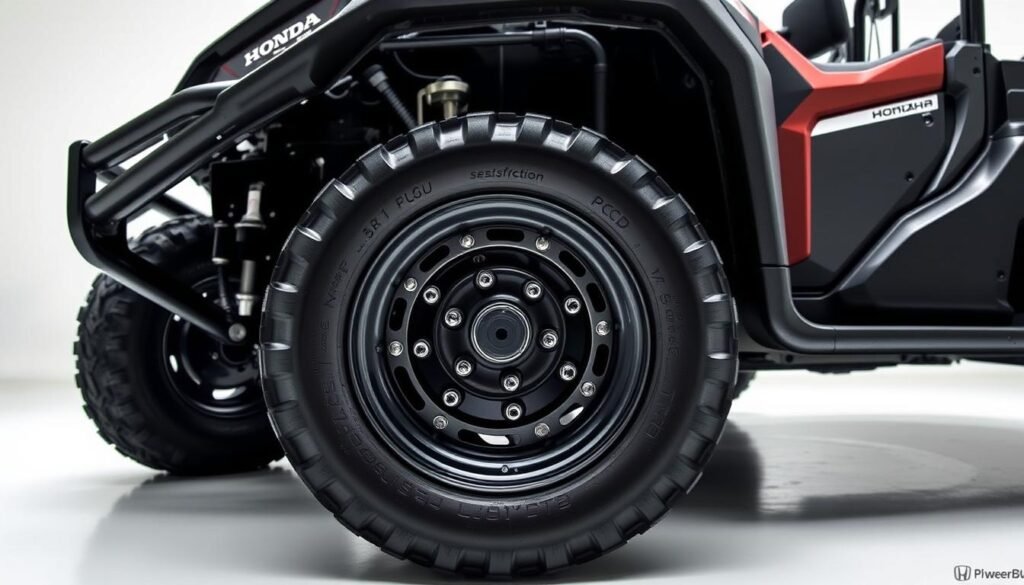
Every Pioneer model uses a 12mm honda pioneer lug nut size with a 1.5 thread pitch. This makes it easy to replace them and keep your vehicle in great condition.
All Pioneer models use the same lug nuts. So, you can switch wheels between them without any issues. This is great for those with several Honda Pioneers or thinking about new wheels.
Here’s a table summarizing the lug nut specifications for all Honda Pioneer models:
| Model | Lug Nut Size | Thread Pitch | Lug Nut Compatibility |
|---|---|---|---|
| Pioneer 500 | 12mm | 1.5 | Compatible with other Pioneer models |
| Pioneer 700 | 12mm | 1.5 | Compatible with other Pioneer models |
| Pioneer 1000 | 12mm | 1.5 | Compatible with other Pioneer models |
Honda Pioneer Wheel Bolt Pattern Across Models
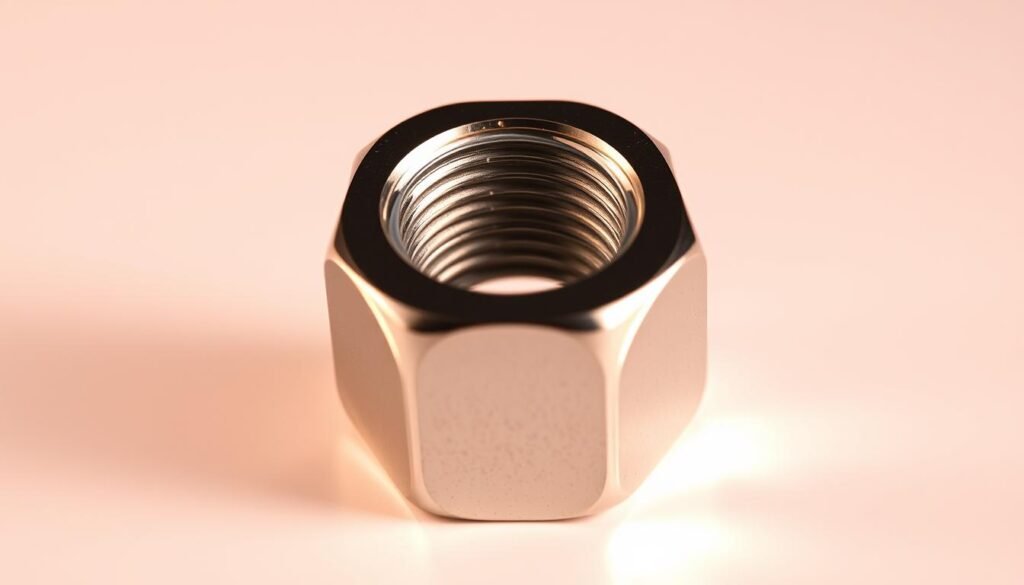
Looking into the Honda Pioneer wheel comparison means seeing how the bolt patterns differ.
The bolt pattern is very important when choosing wheels. It ensures the wheels fit right and work well for what you need.
Comparison Between Pioneer 500, 700, and 1000
The Honda Pioneer 500 and 700 both have a 4×110 bolt pattern. This makes them great for fun activities and light jobs.
They are built to handle basic trails well, giving a good mix of comfort and usefulness. On the other hand, the Pioneer 1000 has a 4×137 bolt pattern.
This size is for bigger, tougher tires, perfect for challenging areas or hard tasks. Know these bolt pattern differences to choose wisely for your activities.
| Model | Bolt Pattern | Use Case |
|---|---|---|
| Pioneer 500 | 4×110 | Recreational, light-duty |
| Pioneer 700 | 4×110 | Recreational, light-duty |
| Pioneer 1000 | 4×137 | Heavy-duty, rugged terrain |
Common Honda Pioneer Wheel Sizes
Knowing the common wheel sizes for your Honda Pioneer can really affect how it drives and how safe it is. Most Honda Pioneer models have 12” wheels.
These wheels work well on lots of different surfaces. The front and back wheels are usually 7 inches wide, which helps with a smooth ride.
The Honda Pioneer 1000 stands out because it has different Honda Pioneer wheel dimensions than the 500 and 700 models.
It uses a unique wheel offset. This means you might need to think differently about the tires you pick.
When choosing wheels, it’s important to look at the wheel sizes overview. This helps avoid putting too much strain on your vehicle’s suspension.
Picking the right size helps your Pioneer work better and makes driving more enjoyable.
Aftermarket Wheel Options For Honda Pioneer
Choosing the right aftermarket wheels for your Honda Pioneer is key. Make sure to get the right bolt pattern and diameter.
Good aftermarket wheels improve your ride in looks, performance, and feel. Popular brands provide many durable and beautiful wheel options for fans.
Some wheels are made for off-road driving, giving better grip and stability. When shopping, look for wheels designed to:
- Stand up to tough trips
- Be light for better handling
- Look great with your Honda Pioneer
Getting the right specs is crucial to avoid issues when putting them on. Here’s what to check:
| Specification | Details |
|---|---|
| Bolt Circle Diameter | Ensure it matches the Honda Pioneer model |
| Lug Nut Specifications | Confirm lug nut size and thread pattern before purchase |
| Offset | Correct offset is important for wheel placement |
Whether you’re on a trail or in town, the right wheels make your Honda Pioneer better. Choose quality wheels that meet all specs to get the most from your upgrade.
Wheel Offset Specifications For Each Model
Wheel offset is key for your Honda Pioneer’s performance and handling. The Honda Pioneer 500 and 700 use a 5+2 wheel offset for both the front and rear wheels.
This makes handling stable and balanced across different surfaces. On the other hand, the Honda Pioneer 1000 uses a different approach.
It has a 5+2 offset for the front and a 5+3 for the back. Knowing these details is vital for top performance off-road. The wrong wheel offset can affect how the vehicle steers and its stability.
| Model | Front Wheel Offset | Rear Wheel Offset |
|---|---|---|
| Honda Pioneer 500 | 5+2 | 5+2 |
| Honda Pioneer 700 | 5+2 | 5+2 |
| Honda Pioneer 1000 | 5+2 | 5+3 |
Tips For Choosing The Right Wheels
When picking wheels for your Honda Pioneer, start by checking the bolt pattern. Make sure it matches what’s in your manual. Look at a wheel selection guide for help.
Think about the offset and size too; wheels that stick out too much can mess with how your vehicle handles and feels stable.
The environment where you’ll drive matters a lot for your wheel choice. For tough terrains, choose wheels made for rough conditions.
These wheels last longer and boost your ride’s performance. If you’re unsure, always ask an expert for advice. They can stop you from making expensive errors.
Conclusion
Knowing the bolt pattern for your Honda Pioneer is key to keeping your vehicle in great shape. This summary shows you the specs for different models.
It helps you see why the right fit for wheels and tires is important for safety and performance when driving off-road.
When planning upgrades or maintenance, keep in mind the tips from this guide.
Learning about each model’s needs helps you choose wisely for your driving style and the kinds of terrain you tackle.
This knowledge boosts your vehicle’s performance and makes driving more enjoyable. Finally, this information helps you pick the right wheels for your Honda Pioneer.
For top-notch results, always double-check the specs, explore your options, and choose quality.
By doing so, your Honda Pioneer will stay reliable and ready for any adventure that comes your way.
FAQs
Q: What is the bolt pattern for the Honda Pioneer 500?
A: The Honda Pioneer 500 features a bolt pattern of 4×110.
Q: How does the bolt pattern differ between the Honda Pioneer models?
A: The Honda Pioneer 500 and 700 both share a bolt pattern of 4×110. Meanwhile, the Honda Pioneer 1000 uses a different pattern, 4×137.
Q: What are the lug nut specifications for Honda Pioneer models?
A: All Honda Pioneer models use 12mm lug nuts. They have a thread pitch of 1.5.
Q: Why is understanding the bolt circle diameter (PCD) important?
A: Knowing the bolt circle diameter (PCD) helps ensure wheels fit right. This is crucial for safety and performance when changing wheels.
Q: What are common wheel sizes for Honda Pioneer models?
A: Most Honda Pioneer models roll on 12” wheels. They typically have a 7-inch width.
Q: How do wheel offset specifications differ among the Pioneer models?
A: The Honda Pioneer 500 and 700 share an offset of 5+2. In contrast, the Pioneer 1000’s front offset is 5+2, and its rear is 5+3.
Q: What should I consider when selecting aftermarket wheels for my Honda Pioneer?
A: When choosing aftermarket wheels, make sure they have the right bolt pattern, size, and lug nut specs. This ensures they fit your Honda Pioneer model safely.