How To Resolve Check Charge System Honda Accord? Exclusive 9 Alert
The “Check Charge System” alert in your Honda Accord is an important sign. It means there might be an issue with your car’s charging system.
This system is key for the car to work well. So, if you see this alert, you should act fast. Ignoring it could cause your battery to run out or even make your car stop working.
To fix this issue, start by checking the battery and alternator. Look for any signs of damage or wear. Also, think about when you last had your car serviced.
Catching this problem early can help avoid bigger fixes later and keeps your Honda running smoothly.
In this piece, we’ll look closer at why the “Check Charge System” alert can happen. We’ll discuss the dangers of driving with this issue and show you how to find and fix charging system problems.
Knowing how to handle this alert helps you maintain your car and avoid surprises while driving.
What is The “Check Charge System” Alert?
The “Check Charge System Honda Accord” alert in your Honda Accord hints at possible issues with the charging system.
It often pops up when the alternator can’t properly recharge the battery while you’re driving.
Knowing and fixing this warning early stops bigger problems, like your car not starting because the battery’s dead.
What This Alert Indicates
This warning might mean a few things, like a bad alternator or a weak battery. It shows that the charging system might not be working right.
By checking the Honda Accord’s charging system, you can find what’s wrong quickly. This helps you avoid more serious damage to your car.
Importance of Addressing the Alert
If you ignore the “Check Charge System” alert, you might end up stuck somewhere. A working charging system is key to your car’s performance.
When you see this warning, it’s important to check the Honda Accord’s charging system right away. This keeps your car running well and lasting longer.
Common Causes of Charging System Problems
Knowing what affects your Honda Accord’s charging system is key. There are several issues that can cause problems.
Keep these in mind when you’re trying to figure out charging troubles with your Honda Accord.
Battery Issues
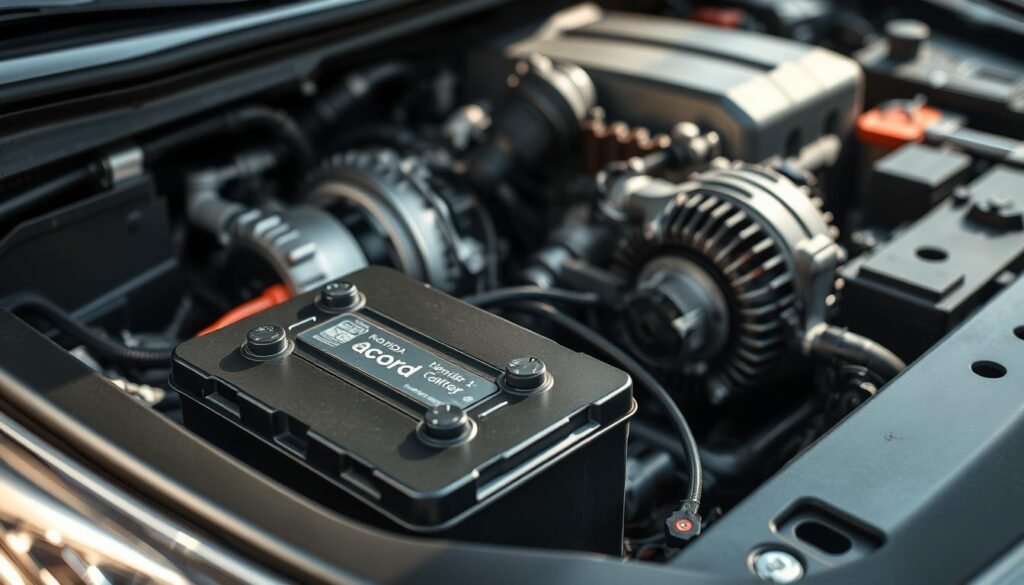
Batteries can struggle as they age, losing their charge capacity or having loose terminals. Keeping your battery in good shape can dodge many problems.
Alternator Failures
The alternator is vital for charging the battery by turning mechanical into electrical energy.
If your lights are dimming or you’re replacing your battery often, your alternator might need a check-up.
Electrical Connections
Bad electrical connections can stop electricity flow. Checking these connections regularly keeps your Honda’s charging system working well.
Serpentine Belt Problems
The serpentine belt makes the alternator work, and if it’s worn or damaged, the charging could be affected. It’s smart to check the belt often to prevent charging issues.
Check Charge System Honda Accord: Why It’s Critical
Knowing the “Check Charge System” warning in your Honda Accord is crucial. It means there might be a problem with the car’s electrical system.
Ignoring it could make small problems bigger, leading to breakdowns and expensive fixes.
Responding to the check charge system honda accord alert quickly is key to keeping your car running well.
A well-working electrical system improves your drive and ensures critical systems like engine management and safety features work right.
Dealing with the issue early prevents big problems and saves you money and stress.
Staying ahead of electrical issues keeps your Honda Accord working well and lasting longer.
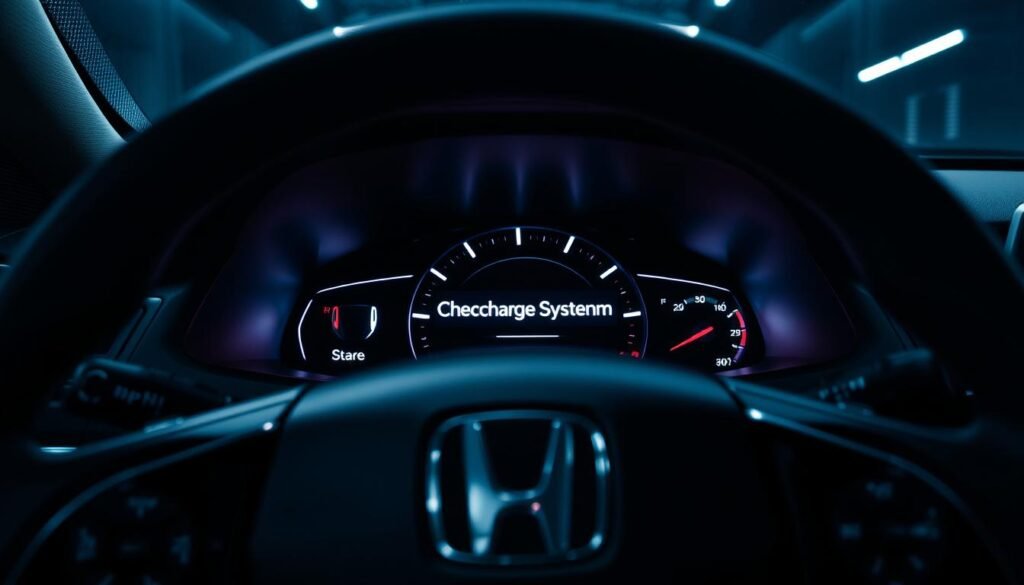
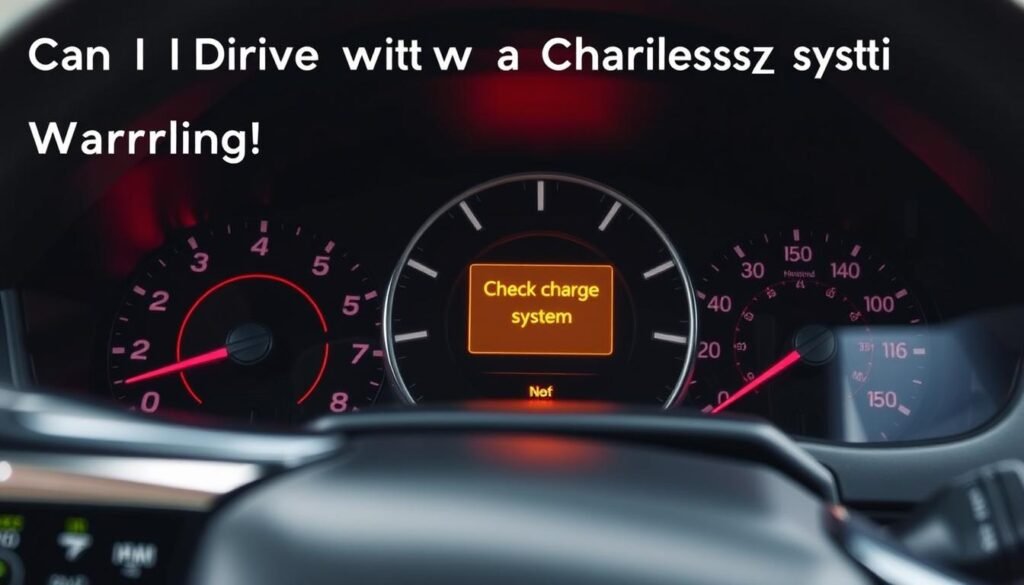
Can I Drive with A Charging System Warning Light?
Seeing the charging system warning light come on can be alarming. Even if your Honda Accord seems fine, don’t ignore it.
The problems triggering your check charge system honda accord can get worse, putting you and your car at risk.
Risks of Driving with The Warning Light On
Driving with this warning light on is risky. You could face:
- Depletion of battery power, leading to a complete loss of electrical functions.
- Potential for the engine to stall unexpectedly, which poses serious safety hazards.
- Increased strain on the alternator, potentially resulting in further damage.
When To Seek Immediate Assistance?
If the charging system warning light comes on while driving, act fast. Get to a safe spot right away.
An honda accord electrical system check can spot and fix issues early. Ignoring the light might leave you stranded with a dead battery.
How To Fix The “Check Charge System” Alert?
Fixing the “Check Charge System” alert means starting with basic checks. Then, move on to a pro for a deeper look. This helps solve Honda Accord charging problems more smoothly.
Preliminary Checks To Perform
First, look at the battery terminals for corrosion. Clean them to maintain a strong connection. Then check if the serpentine belt is okay and tight.
A faulty belt can cause the alternator to fail, leading to alerts. Often, these simple steps fix the problem early.
When To Get A Professional Diagnosis?
If basic checks show no clear issues, it’s time for expert help. Technicians have the right tools and knowledge for a detailed check.
They find problems you might miss. Telling them about any warning lights helps them diagnose quicker.
Possible Repairs For Common Issues
After diagnosing, your car may need some repairs. Common fixes include getting a new battery, fixing the alternator, or updating connections.
Regular care helps avoid these issues, saving you time and money. It’s key to keep your charging system working well.
Diagnosing Honda Accord Charging Issues
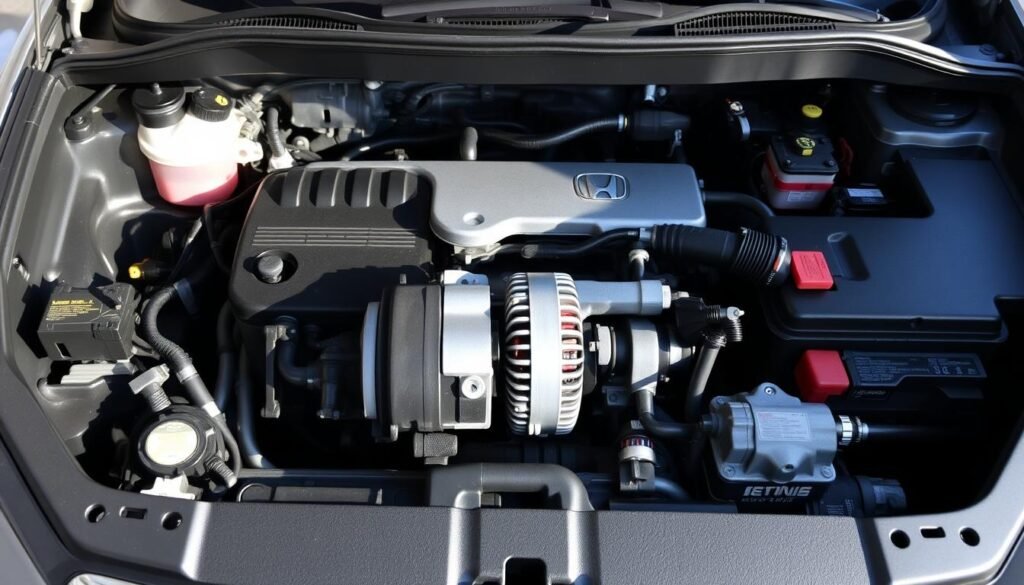
If you’re trying to figure out charging issues in your Honda Accord, it’s important to know the signs.
You might see the dashboard lights flickering, electrical parts working slowly, or the battery light coming on. These are all signs that the charging system may have a problem.
Signs of Charging Issues
- Flickering or dim headlights
- Battery warning light activation
- Slow or malfunctioning electrical accessories
- Difficulty starting the vehicle
Tools For Diagnosis
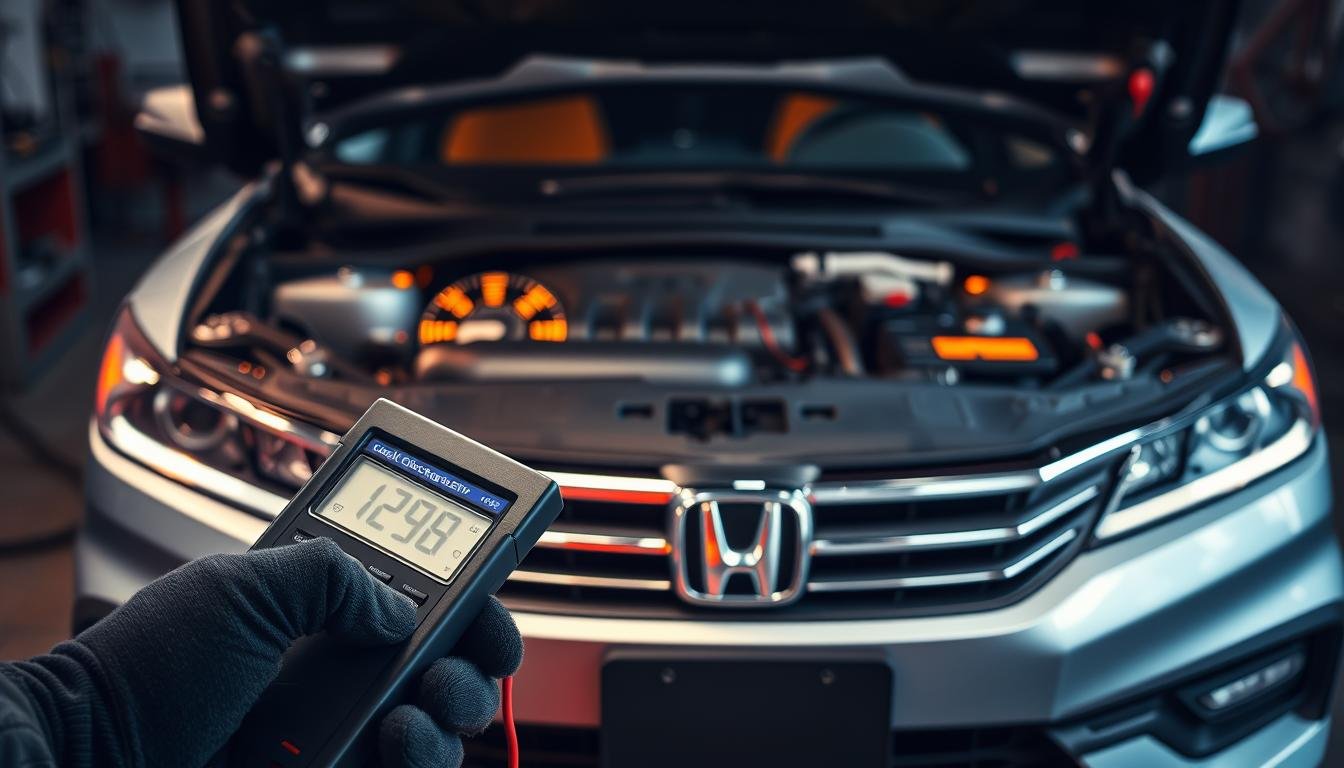
Having the right tools is key for correctly diagnosing problems with the charging system of your Honda Accord. You’ll need several important tools:
- Multimeter: Useful for measuring voltage across the battery and ensuring it operates within the correct range.
- Battery Tester: Evaluates battery health and its ability to hold charge properly.
- Screwdrivers and Wrenches: For securing and inspecting connections throughout the charging system.
Honda Accord Battery Charging System Maintenance
Keeping your Honda Accord’s battery charging system in check is key for a smooth ride.
By regularly checking it and following best practices, you can make your battery last longer. This means fewer problems and less money spent on repairs.
Regular Inspections
It’s smart to inspect the Honda Accord’s battery charging system often. Look for any corrosion, make sure everything’s connected right, and see how the battery is doing.
Here’s how to do a good inspection:
- Inspect battery terminals for corrosion.
- Ensure all connections are tight and secure.
- Test the battery voltage regularly.
Best Practices For Battery Care
To keep your battery working its best and to make it last longer, follow these tips for taking care of your Honda Accord’s charging system:
- Clean battery terminals with a mix of baking soda and water.
- Check fluid levels (for non-sealed batteries) and top off if needed.
- Swap out the battery every 3 to 5 years to prevent sudden breakdowns.
Charging System Inspection For Honda Accord
Inspecting the charging system of your Honda Accord is crucial. It makes sure all the electrical parts work right. By checking regularly, you can spot problems early. This keeps your car running great.
What To Look For?
When you check the charging system, pay attention to some important things:
- Inspect the serpentine belt for visible wear and fraying.
- Look for corrosion on electrical terminals, which can hinder connectivity.
- Ensure the battery is securely mounted and the terminals are clean.
- Check the alternator for signs of wear or malfunctioning components.
How Often To Inspect?
It’s best to inspect the charging system every six to twelve months. Seeing a “Check Charge System” alert means you should check it right away. This helps avoid bigger issues.
Honda Accord Charging System Testing
If you want to keep your Honda Accord running smoothly, checking the battery and alternator is key.
By testing the charging system, you can find problems early. This prevents bigger issues later on.
How To Test The Battery and Alternator?
To test effectively, follow these steps:
- Start by using a multimeter to check the battery’s voltage. A full charge should read around 12.6 volts.
- Then, fire up the engine and measure again. With a working alternator, expect the voltage to jump to between 13.7 and 14.7 volts.
- Readings outside these norms suggest your car might need more help, either through further checks or part replacements.
| Test | Expected Voltage | Action |
|---|---|---|
| Battery Voltage (at rest) | 12.6 volts | Normal |
| Running Voltage | 13.7 – 14.7 volts | Normal |
| Below 12.4 volts (at rest) | Undercharged | Recharge or replace battery |
| Above 14.7 volts (running) | Overcharging | Check alternator |
Does Insurance Cover Charging System Problems?
Dealing with charging system failures can be confusing. If your honda accord has charging system problems, you might wonder if your auto insurance will cover it.
Mostly, standard auto insurance doesn’t cover mechanical failures unless they result from an accident. It’s important to understand your policy well to see what it covers.
Compromise Your Auto Insurance Policy
Your auto insurance policy lists what it covers. Not all policies cover mechanical breakdowns.
Remember to check if your policy excludes battery or alternator issues. By reviewing your policy, you can see if it pays for charging system repairs.
Mechanical Breakdown Insurance Explained
Mechanical Breakdown Insurance (MBI) pays for mechanical failures, which standard auto policies often do not.
If you have honda accord charging system troubles, MBI can help with the costs. With MBI, you can get help fixing your car’s mechanical parts, including the charging system.
| Insurance Type | Coverage for Charging System Repairs |
|---|---|
| Standard Auto Insurance | No |
| Mechanical Breakdown Insurance | Yes |
Conclusion
The “Check Charge System” warning is vital for Honda Accord owners. It flags potential problems in the charging system. Act fast when you see this alert to stop bigger issues.
Knowing what the “Check Charge System” message means helps you keep your car running well. You might need to check things yourself or see a pro.
Either way, you’re working to keep your Honda Accord in top shape. Dealing with charging system issues quickly means you can trust your car.
Remember this guide to keep your Honda Accord performing well. Be ready for any alerts that come up.
FAQs
Q: What does the “Check Charge System” alert mean on my Honda Accord?
A: The alert “Check Charge System” means there might be a problem with your car’s charging system. This is usually related to your alternator not charging the battery properly when you drive.
Q: How can I troubleshoot my Honda Accord charging system?
A: You can start by looking at the battery terminals to see if there’s any corrosion. Also, check if the serpentine belt is damaged. Finally, use a multimeter to test the voltages of your battery and alternator.
Q: What are common symptoms of a failing charging system?
A: Some common signs are your lights flickering, electrical parts working slowly, and the battery warning light turning on the dashboard.
Q: How often should I conduct a charging system inspection for my Honda Accord?
A: You should check your charging system every 6 to 12 months. It’s especially important to do this if you see the “Check Charge System” alert.
Q: What maintenance is required for the battery charging system in my Honda Accord?
A: To keep your battery charging system working well, you should clean any corrosion. Make sure all connections are tight. Also, test the battery every 3 to 5 years.
Q: Can I ignore the charging system warning light if my car seems to be functioning normally?
A: No, you should not ignore the warning light. Ignoring it might lead to your car losing power unexpectedly. This could leave you stuck because of a dead battery.
Q: Does auto insurance cover charging system problems?
A: Generally, standard auto insurance does not cover issues with your charging system, unless an accident causes them. Check your policy or consider Mechanical Breakdown Insurance (MBI) for more details.
Q: What should I do if initial checks on the charging system don’t solve the problem?
A: If your first efforts don’t fix the issue, it’s a good idea to get help from a professional. They can do a thorough check and make the necessary repairs.