Honda Accord Years To Avoid – Buyer’s 7 Guide
The Honda Accord has some years that are best avoided. These models have issues that might cost you a lot in repairs.
This guide will help you know which Accords to avoid. It’s because not all Honda Accords have been reliable since it first came out in 1976.
We’ll look at the most common problems with some Honda Accord years in this guide. You’ll learn about issues like transmission failures and excessive oil use.
These problems have affected some models of this famous car. We’ll also help you know which years of the Accord to think twice about before buying.
This knowledge will help you shop for a used car with confidence. You’ll be able to make a smart choice.
Let’s look closer at which Honda Accord years to avoid. This way, you can pick the one that’s right for you.
Introduction
The Honda Accord is well-known for being reliable and lasting a long time. This makes it a favorite for people who want a car they can count on.
If you get to know this car well, it will help you a lot when you decide to buy one. A good introduction to the Honda Accord points out its strong reputation.
Yet, it also touches on issues some models have faced. Knowing the common problems can guide you through your choices.
This guide is here to help you make a smart choice when buying a Honda Accord. You’ll learn about the different years’ models and the challenges they might bring. It’s crucial to do your homework before you decide to buy.
Honda Accord Overview
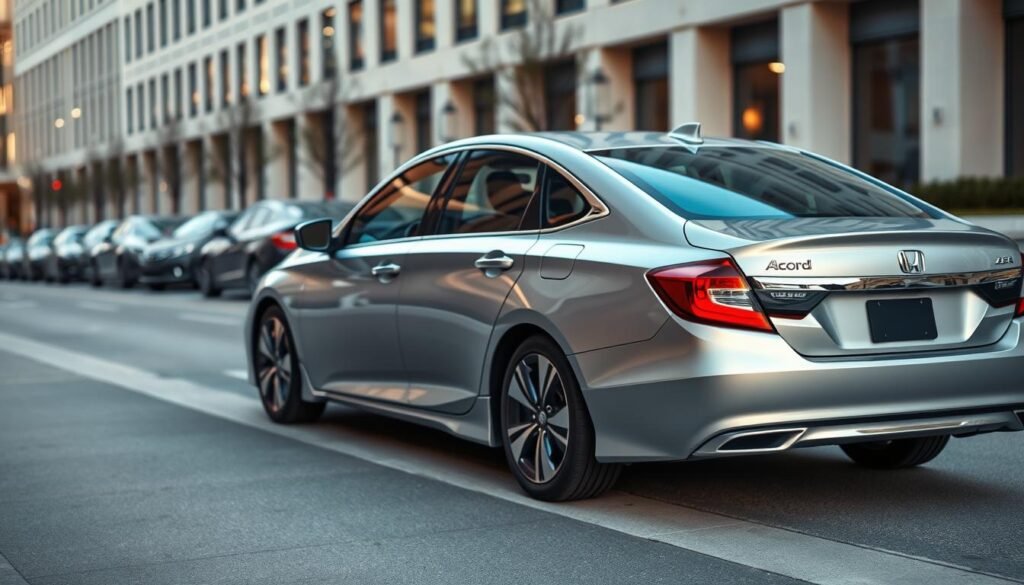
The Honda Accord is known for being reliable and innovative since the 1970s. Its journey shows a lot of growth, aiming to meet drivers’ ever-changing needs.
From its humble beginnings, the Accord has adopted new technologies and safety features. This has improved the driving experience for many generations.
Today’s Honda sedan is packed with cool stuff like fuel-efficient engines, connectivity options, and safety systems.
These features have made the Accord a top choice for many people. By understanding the Accord’s history and features, you can make smarter choices when buying a car.
You’ll also learn which model years are the best in terms of quality. As you dive into the Honda Accord’s progress, notice the big steps forward and important moments in its story.
Every generation meets the new needs and tastes of drivers. This keeps the Accord as a key part of American car history.
Common Problems with Honda Accord
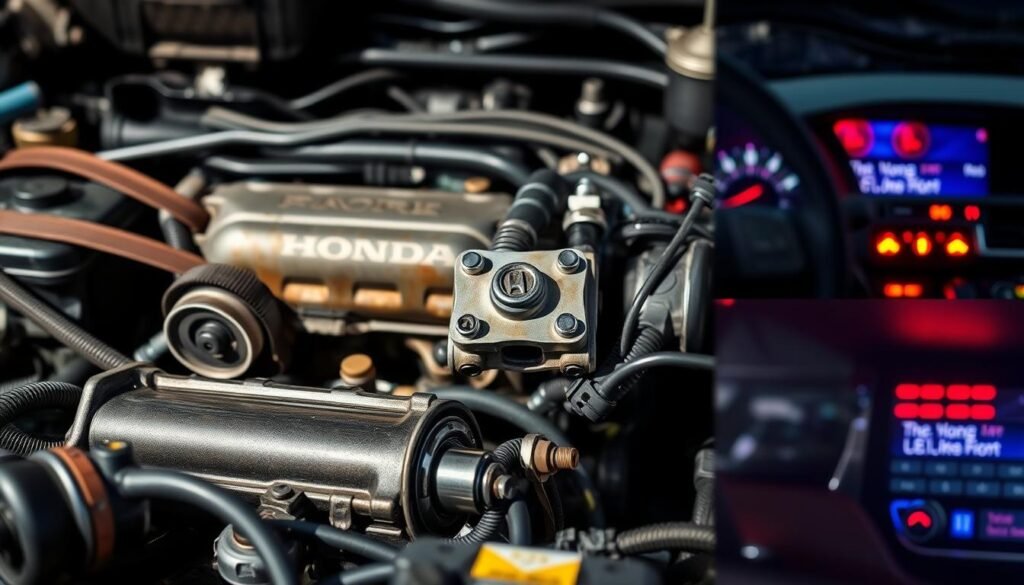
The Honda Accord is mostly a reliable car, but it does have some known issues. It’s smart to know about these problems before you decide to buy one.
Main issues include transmission problems and using too much oil, which can affect many models.
Transmission Failures
Transmission issues are a big problem for Honda Accord drivers. These problems can range from gears slipping to the transmission completely failing.
They are especially common in certain models. Hearing thudding noises when shifting gears can be a sign of trouble. Getting regular maintenance and checks can catch these issues early.
Excessive Oil Consumption
The eighth generation Honda Accords use a lot of oil. Owners find they need to add oil more often than expected.
This issue can make people worry about the engine’s health over time. Knowing about this can help in planning for maintenance or fixes on these models.
| Problem | Typical Symptoms | Impacted Model Years | Recommended Action |
|---|---|---|---|
| Transmission Failures | Slipping, thudding during shifts, total failure | Most model years across various generations | Routine maintenance; prompt inspection if symptoms appear |
| Excessive Oil Consumption | Frequent oil top-offs between changes | Eighth generation models (2008-2012) | Monitor oil levels; consider using high-mileage oil |
Honda Accord Years To Avoid
When picking a Honda Accord, some years have more issues than others. Knowing which years of the Honda Accord to avoid can save you from unnecessary headaches and costs.
We’ll cover the early and later years you should stay away from to keep your Honda Accord experience positive.
Problematic Model Years 1998-2005
The 1998 to 2005 models are known for their problems. They belong to the sixth generation that had many reliability issues.
Complaints often include:
- Severe transmission failures leading to costly repairs.
- Excessive oil consumption, affecting engine performance.
- Cosmetic defects such as clear coat deterioration, detracting from the vehicle’s appearance.
Additional Years To Avoid: 2008-2010, 2013, and 2014
The later model years of 2008 to 2010 also have problems you should watch out for. These issues mainly include:
- Recurring electrical system failures that can lead to operational issues.
- Continued problems with excessive oil consumption, signaling potential engine problems.
The 2013 and 2014 models are not recommended as well. They share the same issues, which makes them risky choices.
Keeping these facts in mind can really improve your car-buying journey and help you avoid buyer’s remorse.
| Model Year | Issues |
|---|---|
| 1998-2005 | Transmission failures, excessive oil consumption, clear coat issues |
| 2008-2010 | Poor electrical systems, excessive oil consumption |
| 2013 | Electrical problems, oil consumption |
| 2014 | Electrical problems, oil consumption |
Worst Honda Accord Generations
The Honda Accord is known for being reliable and strong. Yet, some generations have faced big problems.
Knowing which Honda Accord generations to avoid helps you choose a good used car.
Sixth Generation (1998-2002)
The sixth generation Honda Accord often had transmission troubles. Owners said the cars didn’t run well as they got older.
Problems like slipping gears made driving tough. If you’re looking at cars from these years, watch out for these issues.
Seventh Generation (2003-2005)
The seventh generation tried to fix earlier problems but still had issues. Transmissions didn’t work well, and the insides weren’t up to snuff. People expected more from a Honda.
Reliable Honda Accord Model Years
Focusing on the right Honda Accord model years can better your car ownership experience. This section points out models known for their reliability and performance.
By picking these options, you can dodge issues found in other models for a happier drive.
Recommended Models From The Seventh Generation
The 2006 and 2007 models from the seventh generation are highly reliable. They’re celebrated for strong performance and having fewer problems.
Here’s why they are among the best Honda Accord years:
- Smooth ride quality
- Efficient fuel economy
- Spacious interiors
Safe Picks From The Eighth and Ninth Generations
The 2011 and 2012 models from the eighth generation are great picks. These Accords are known for their top safety features and reliable mechanics.
Buyers can look forward to:
- Advanced safety technologies
- Strong resale value
- Fewer complaints from owners
In summary, choosing these reliable Honda Accord model years can give you peace of mind.
Making informed decisions about the best years can enhance your buying experience.
Honda Accord Maintenance Considerations
Keeping your Honda Accord in top shape is key. To do this, follow expert maintenance tips. This includes sticking to a regular service plan.
You should get oil changes, tire rotations, and brake checks. Know the maintenance that’s needed for tough spots like the transmission and engine oil.
Always check your owner’s manual for the right service times. This proactive attitude keeps your Accord running well.
Regularly check your fluids, brakes, and tires. Fixing small problems early can save you from big repairs later.
If you notice weird noises or feelings while driving, see a pro right away. Taking care of your Accord carefully greatly adds to its life.
Conclusion
Picking the right Honda Accord model year is essential for enjoyable drives ahead. This buying guide helps you avoid years with problems and points to the reliable ones.
By doing so, you’re more likely to get a Honda that’s dependable for many years. When looking at used cars, knowing the Honda Accord’s pros and cons is key.
This knowledge lets you choose with confidence. You’ll appreciate the car’s reliability and how well it drives, which Honda is famous for.
With the info shared here, you’re ready to make a smart choice on a Honda Accord that fits your life.
Choosing wisely means safer, more pleasant drives. Make this informed choice for worry-free road trips and daily drives.
FAQs
Q: What are the Honda Accord years to avoid?
A: Stay away from the 1998-2005 models because of common transmission issues. Also, avoid the 2008-2010, 2013, and 2014 models due to problems like too much oil use and electrical issues.
Q: What common problems should I watch out for in a Honda Accord?
A: Watch out for transmission issues, such as slipping gears and sudden jolts, and high oil usage, mainly in eighth generation models.
Q: Which generations of the Honda Accord are considered the worst?
A: The sixth generation (1998-2002) faced many reliability issues, especially with the transmission. The next, seventh generation (2003-2005), also had years with similar problems.
Q: Are there reliable years for the Honda Accord?
A: Yes. The 2006-2007 models from the seventh generation and the 2011-2012 models from the eighth generation are seen as dependable with fewer complaints.
Q: What should I maintain regularly on my Honda Accord to avoid issues?
A: Make sure to keep an eye on transmission fluid, change the engine oil on time, and follow a strict service schedule for your car’s long life and reliability.
Q: How can I identify potential problems in a used Honda Accord before buying?
A: Always look at the vehicle’s maintenance records, be aware of previous issues like check engine lights, and think about doing a diagnostic test for hidden problems.
Q: Is the Honda Accord truly a reliable vehicle overall?
A: The Honda Accord is generally reliable, but some model years do have problems. It is important to learn about the specific models to know their pros and cons.
Q: What mistakes should I avoid when purchasing a used Honda Accord?
A: Don’t rush your purchase. Make sure to learn about which model years to avoid. Also, having a mechanic inspect the car before you buy it is a smart move.