Why Is The D Light Blinking on My Honda? Better 9 Quick Fix Idea
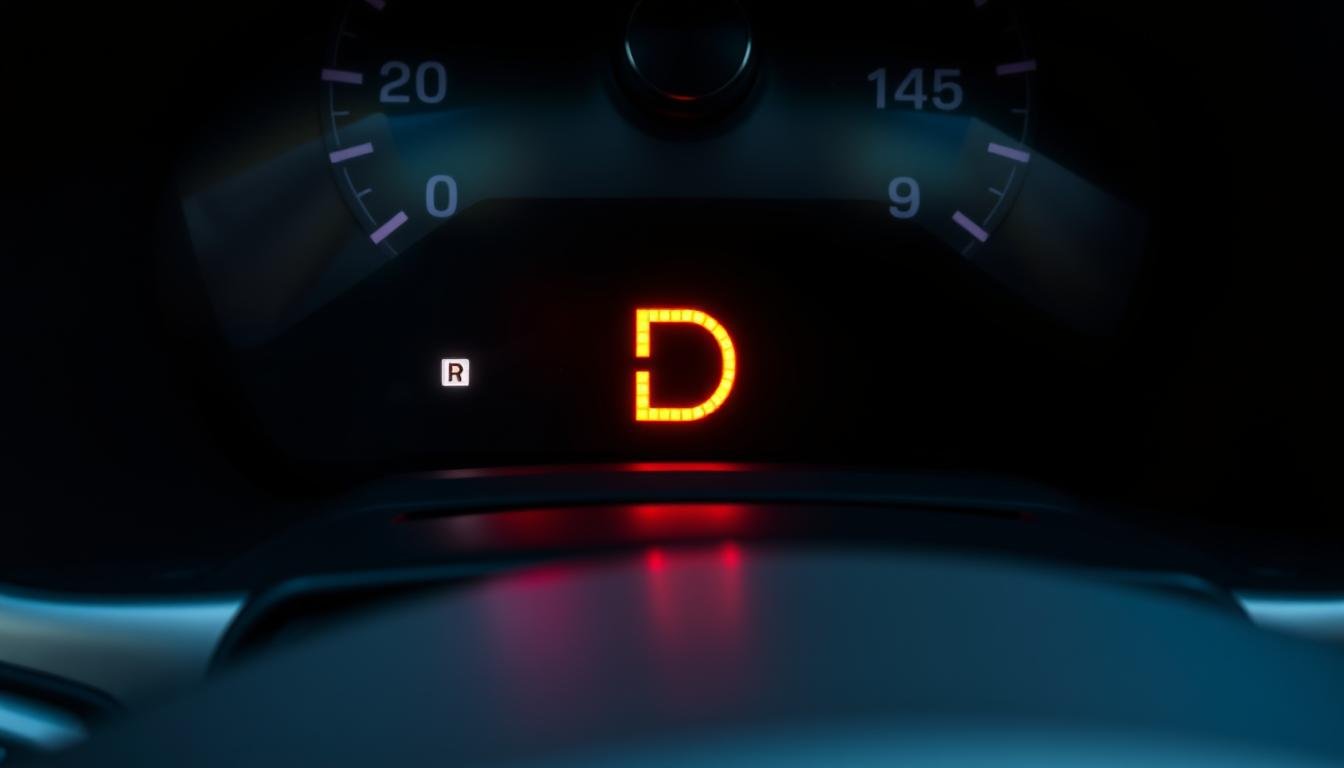
The D light blinking on your Honda signals a possible transmission problem. It is a warning that should not be ignored.
Acting quickly can save you both time and money. Many Honda owners have noticed this issue. It’s crucial to address it promptly to avoid more severe problems later.
Our guide will explain the reasons for the blinking D light and how to fix it. First, you’ll understand what the D light means for your car’s health.
Then, we’ll show you simple steps for diagnosis, like checking fluid levels and using an OBD-II scanner. With this advice, you can solve the issue and drive with peace of mind.
What is The D Light on My Honda?
The D light, also known as the Drive light, is very important on your Honda’s dashboard. It shows when your car is in drive mode.
A steady D light means all is good. But, if the D light blinks, it could mean there’s a problem, especially with the transmission.
Knowing what the D light means is key to keeping your Honda in good shape. Ignoring it can cause bigger, more expensive problems later.
So, it’s smart to keep an eye on the D light and know what it tells you about your car.
Why Is The D Light Blinking on My Honda?
The blinking D light on your Honda signals possible issues. It’s crucial to understand these causes to keep your car running well.
Ignoring it could lead to major Honda transmission problems. Being proactive about these issues is key.
Common Reasons For A Blinking D Light
There are a few reasons why the D light blinks. These include:
- Transmission overheating
- Faulty transmission range sensors
- Electrical connection problems
- Transmission fluid temperature issues
Sometimes, a blinking D light comes with the Check Engine light. This indicates more issues. Quick diagnosis can stop further damage to your transmission.
How The D Light Relates To Transmission Systems
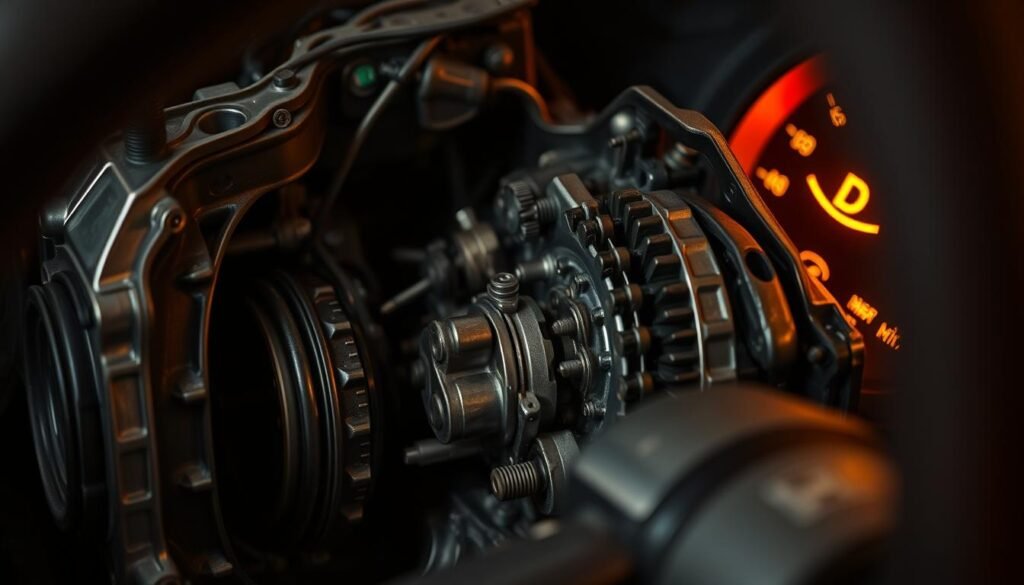
The D light alerts you about your transmission system. A blinking light means there’s a malfunction.
Knowing this can help you save on repair costs. Each blink can point to different problems.
Some are easy to fix, while others are more complex. Getting a diagnosis early is vital. It prevents big repairs and keeps your car safe to drive.
| Issue | Description | Potential Solutions |
|---|---|---|
| Transmission Overheating | High temperatures can trigger the D light, indicating a risk to the transmission’s integrity. | Check fluid levels and cooling system. Replace transmission fluid if necessary. |
| Faulty Sensors | Malfunctioning sensors may fail to communicate with the transmission control unit. | Inspect and replace any damaged or worn sensors. |
| Electrical Issues | A disrupted electrical connection can cause erratic behavior in the transmission system. | Examine wiring harnesses and connectors for faults. |
| Fluid Temperature Problems | Inaccurate readings can suggest overheating and fluid degradation. | Flush and refill transmission fluid as needed. |
Signs of Honda Transmission Issues
It’s key to spot signs of Honda transmission troubles early. This keeps your car running well for longer.
If the D light blinks, you might have a problem. Catching these signs early helps you dodge big repair bills.
Identifying The Symptoms
Look out for these signs if your Honda’s D light is blinking:
- Slipping gears while driving
- Having trouble changing gears smoothly
- Hearing weird noises when gears change
- Slow to speed up from a stop
- Feeling a jerky motion during shifts
Seeing any of these issues? Check your transmission system soon.
Impacts of Ignoring Transmission Problems
Not fixing Honda transmission issues can cause big problems. Some risks are:
- Repair costs go up as issues get worse
- Chance of total transmission breakdown
- Less safe and efficient car
Watching for these signs helps you know when to get help. This saves you both time and money on fixes.
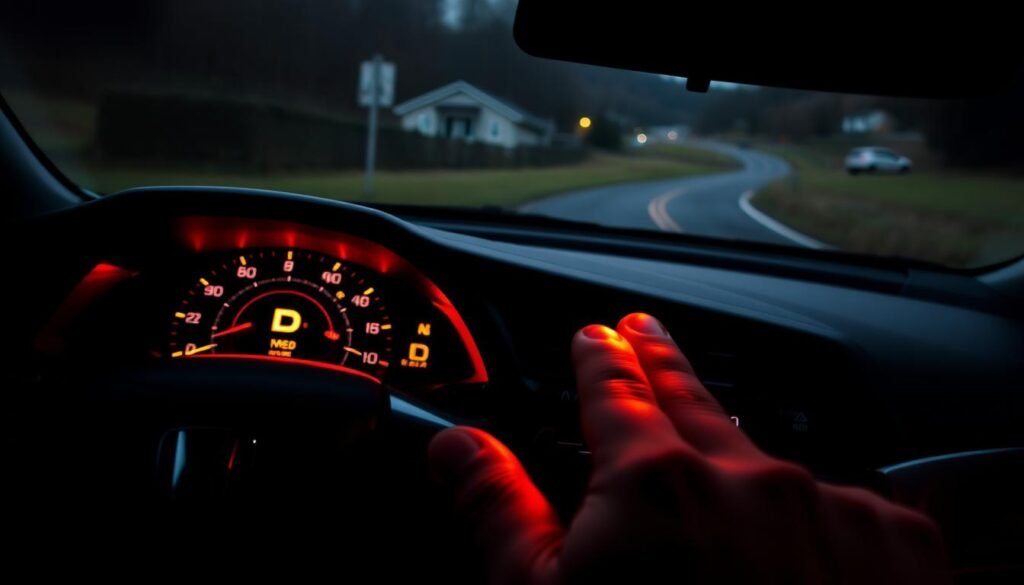
Troubleshooting Blinking D Light Honda
When the D light on your Honda starts blinking, it’s key to act fast. Quick checks can pinpoint problems before you see a mechanic. This can save you both time and cash.
Quick Diagnostic Tips
First, check your transmission fluid. If it’s low, your car might overheat, causing the D light to blink. Also, look for leaks that could mean a bigger issue.
Big fluid drops or a burnt smell mean you should get expert help right away. Here are a few more tips:
- Inspect the transmission fluid’s condition; it must be bright and clear, not dark.
- Listen for odd noises when shifting gears, as they might hint at a problem.
Using an OBD-II Scanner
If simple checks don’t work, use an OBD-II scanner for a detailed diagnosis. Follow these steps:
- Find your Honda’s OBD-II port. It’s usually under the dashboard by the steering wheel.
- Plug in the scanner, turn on the ignition, but don’t start the car.
- Write down any transmission-related codes from the scanner.
These codes will tell you if further checks or immediate repairs are needed. Learning to troubleshoot a blinking D light on a Honda helps you keep your vehicle in top shape.

Common Honda Transmission Problems
Honda owners often encounter transmission issues. These problems can affect the car’s performance and safety. Knowing about them helps take steps early to fix them.
One common problem is the transmission overheating, which is serious and can cause major damage if not addressed.
Transmission Overheating
Transmission overheating happens when its fluid gets too hot. This can happen for several reasons, including:
- Low transmission fluid levels
- A faulty cooler
- Excessive towing or hauling loads
If the temperature gets too high, it may cause the D light on your dashboard to blink. Ignoring this sign can result in big transmission problems.
These problems can be very expensive to fix or might require a complete transmission change.
Faulty Sensors and Their Effects
Faulty sensors are crucial for your Honda’s transmission system. They check important parts and help your car run smoothly.
Problems with these sensors can lead to:
- Incorrect fluid pressure readings
- Inefficient shifting patterns
- Increased risk of transmission overheating
If sensors aren’t working right, warning lights may appear on the dashboard. This warns of possible transmission issues needing quick action.
Regular checks and maintenance of these sensors can avoid big transmission troubles later.
Honda Dashboard Warning Lights Explained
The Honda dashboard has many warning lights. Each has its meaning. The D light is especially important. It connects with other warnings.
These can point out serious issues, mainly with the transmission. Knowing how the D light works with other lights is key to understanding your car’s condition.
Connecting The D Light with Other Warning Indicators
The D light on your Honda isn’t just any indicator. It talks to other lights on the dashboard.
For example, the Check Engine light and the Transmission Fluid Temperature light. This shows how vital it is to watch the D light and others too.
If the D light blinks with other lights, it means there’s a big problem. This needs quick action. Watching these lights closely helps you fully know your vehicle’s health.
Importance of Dashboard Alerts
Dashboard alerts are like your car’s first warning signs. Getting what each light means helps you make smart choices for car care.
Ignoring these signals can make things worse, especially if they’re about your transmission.
Being alert to these warnings is key to taking good care of your car. It makes driving safer and more enjoyable.
Step-by-Step Quick Fix For My Honda’s D Light
If your Honda’s D light flashes, try two main things: check fluid levels and sensor replacement.
Knowing how to do these can save both time and money. It also keeps your car running well.
Checking Fluid Levels
When the D light flashes, first check the transmission fluid. Start by finding the dipstick or fill cap. Make sure your car is on flat ground for a correct read.
Here are the steps for this important task:
- Open the hood and find the transmission dipstick or fill cap.
- Wipe the dipstick clean with a lint-free cloth.
- Put the dipstick back, then pull it out to see the fluid level.
- Add the right fluid if needed, as per your Honda’s guide.
Regular fluid checks can quickly fix the D light issue. They keep your transmission in good shape, too.
Replacing Faulty Sensors
If fluid levels are okay and the D light is still on, you might have sensor problems. Sensors monitor your transmission’s function.
Replacing bad ones can fix warning lights. Check your car’s manual or ask a pro for help with these sensors.
Why Immediate Action Matters
Fixing the blinking D light on your Honda right away is crucial. It protects your car and saves you money.
Waiting to fix problems can make things worse and cost you more. It’s important to know why you shouldn’t ignore these signs for your car’s health.
The Costs of Delaying Repairs
Putting off repairs can lead to big expenses. A small issue can become serious damage quickly.
This can cause your repair bills to spiral. Fixing problems early can stop a cheap fix from becoming a costly repair.
Potential Damage To Your Vehicle
Not paying attention to the blinking D light can harm your car a lot. Minor repairs can turn into needing a new transmission.
This not only hurts your car’s performance but can also hit your wallet hard with high repair costs.
| Repair Type | Estimated Cost | Time to Repair |
|---|---|---|
| Fluid Change | $100 – $150 | 1 Hour |
| Sensor Replacement | $150 – $300 | 2 Hours |
| Transmission Overhaul | $2,500 – $4,500 | 2 to 3 Days |
| Transmission Replacement | $3,000 – $5,000 | 3 to 5 Days |
Knowing this lets you act quickly if your D light starts blinking. Realizing the importance of fast repairs can save you a lot of money and trouble.
Professional Help: When To Visit A Mechanic?
Knowing when to see a mechanic can keep your Honda running smoothly. If the D light blinks, it’s a call for help.
It means you should get professional advice Honda if you notice things that show your car needs an expert.
Signs You Need Expert Attention
- Persistent blinking of the D light after attempted fixes
- Unusual noises when operating the vehicle
- Erratic or sluggish driving performance
- Unexplained fluid leaks under the car
- Warning lights accompanying the D light issue
What To Expect at The Mechanic
At the mechanic, they’ll do a complete check-up. Your Honda’s transmission system will be carefully looked at. They might use special tools to find out what’s wrong.
| Service Step | Description |
|---|---|
| Initial Assessment | The mechanic examines the blinking D light and collects information about any other warning lights or symptoms. |
| Diagnostic Scan | An OBD-II scanner reads error codes from the vehicle’s computer, highlighting potential issues. |
| Fluid Check | The mechanic checks transmission fluid levels and quality, ensuring proper functioning. |
| Repair Recommendations | Based on findings, the mechanic will provide you with a list of necessary repairs and maintenance. |
Other Considerations For Honda Owners
Keeping your Honda in top shape takes consistent effort. Making sure you do regular maintenance is key to its performance and long life.
Following Honda’s maintenance advice can help you dodge expensive fixes and keep your car running great.
Regular Maintenance Tips
It’s important to be proactive about keeping your car in good condition. Here are some top maintenance tips for your Honda:
- Check fluid levels regularly, including oil, coolant, and transmission fluid.
- Change the engine oil as recommended by the manufacturer, typically every 5,000 to 7,500 miles.
- Inspect your brakes and replace them when necessary to ensure safety.
- Rotate tires every 6,000 miles for even wear.
- Replace air filters as per Honda’s recommendations to maintain engine efficiency.
How To Prevent Future Issues
Avoiding issues before they happen can save you both time and money. Consider these strategies:
- Adhere to the manufacturer’s service schedule for major tune-ups and inspections.
- Pay attention to dashboard warning lights and address them promptly.
- Conduct thorough visual inspections for any signs of wear or leaks.
- Utilize quality parts and fluids that meet Honda’s specifications for replacements.
- Keep a detailed maintenance record to track service history and repairs.
Conclusion
Knowing what a blinking D light means on your Honda is key to keeping it running well. Spotting early signs of transmission trouble can save you from big repairs later.
It helps avoid serious damage and high costs. To keep your Honda safe and dependable, do things like regular check-ups and act quickly if you see warning lights.
This keeps your car working well and your drives smooth. By taking care of your car, you can enjoy worry-free travel every day.
Being knowledgeable and ready lets you make smart choices about your Honda’s upkeep.
The health of your car keeps it going longer and keeps you safe while driving. This knowledge gives you confidence and peace of mind on the road.
FAQs
Q: Why is the D light blinking on my Honda?
A: A blinking D light on your Honda could mean a few things. These might be overheating, a sensor issue, or electrical problems in the transmission system. It’s important to take care of it quickly to avoid more damage.
Q: What should I do if my Honda’s D light is blinking?
A: First, check your transmission fluid level and look for leaks. If your car still acts up, like slipping gears or making weird noises, see a mechanic.
Q: Can a low transmission fluid level cause the D light to blink?
A: Yes, if your transmission fluid is low, it might overheat. This can make the D light blink. Keeping the fluid at the right level is a key troubleshooting step.
Q: What other symptoms may accompany a blinking D light?
A: Along with the blinking D light, you might find it hard to shift gears. You could also notice slipping, odd noises, delay in acceleration, or jerky gear changes. These problems mean your transmission needs fast help.
Q: How can I diagnose the issue behind the blinking D light?
A: To figure out the problem, you can use an OBD-II scanner for error codes related to the transmission. Checking for leaks or a burnt smell is also a good idea.
Q: What are the potential costs if I ignore the blinking D light?
A: Ignoring the blinking D light might cost you a lot. This is because serious transmission damage can happen. Repair costs vary but can go from hundreds to thousands of dollars.
Q: How can regular maintenance help prevent transmission problems?
A: Keeping up with routine checks like fluid levels and oil changes is vital. Also, follow the service times from your car’s maker. This keeps your transmission in good shape, reducing the chance of sudden problems.
Q: When should I take my Honda to a mechanic regarding the blinking D light?
A: If the D light keeps blinking, you hear odd sounds, or the car’s driving weirdly, get help right away. Fast action can prevent more serious damage.