What Does Vtm-4 Mean on A Honda Pilot? Light Explained For Owners
The VTM-4, or Variable Torque Management 4-wheel drive system, is a key feature in your Honda Pilot.
It improves traction and stability in different driving conditions. Knowing about the VTM-4 is important, especially if you see the VTM-4 light on your dashboard.
This light shows that the system is working, preparing your vehicle for tougher terrains. In this piece, you will learn about the VTM-4 light and how it works.
We’ll also tell you what to do if the light comes on. We will talk about why the VTM-4 light might turn on. This helps you know when to get help or if you can fix it yourself.
Plus, you will find out about repair costs for VTM-4 issues, so you can plan for any needed repairs.
Let’s get into the important parts of the VTM-4 system. This will help you use your Honda Pilot better. And it will make sure your drives are safe and fun.
Introduction To The VTM-4 System
The Honda Pilot’s VTM-4 system helps the car handle well on various surfaces. It makes the vehicle more stable by moving power between the front and back wheels.
This is especially useful when driving off-road or in bad weather, where keeping control is critical.
The system also adjusts quickly to changes, like slippery roads, to keep your drive smooth.
Knowing how the VTM-4 system works can make your driving better in different situations.
What Does Vtm-4 Mean on A Honda Pilot?
VTM-4 stands for Variable Torque Management 4WD system. It’s a special tech for the Honda Pilot.
It changes engine torque as needed for top performance in different driving situations. This isn’t just your usual all-wheel drive.
It’s smarter, boosting traction and quickness on tough roads. Unlike basic all-wheel drives in smaller Hondas, the VTM-4 in the Pilot offers advanced torque handling.
This gives better control and steadiness, adapting easily to various places. Drivers will enjoy the extra control the VTM-4 system provides, especially where regular systems might struggle.
What is The VTM-4 Light?
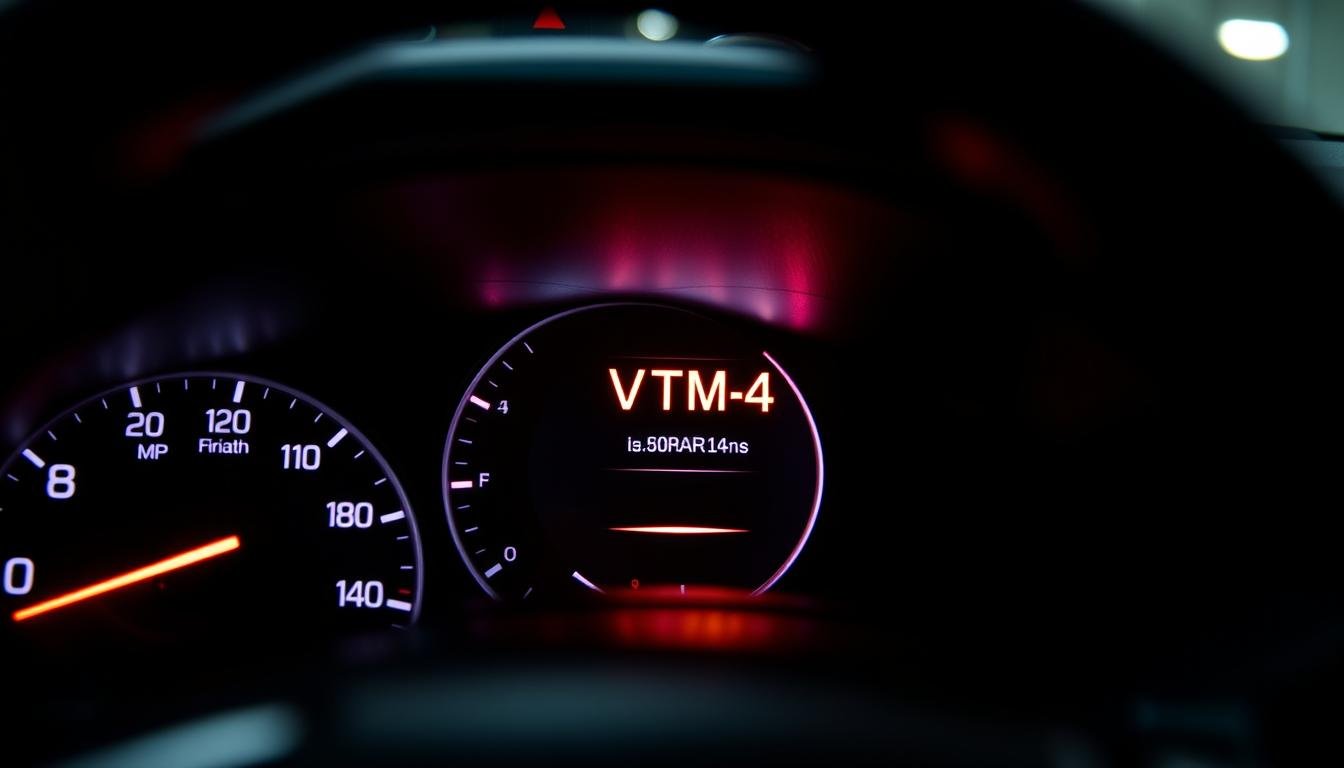
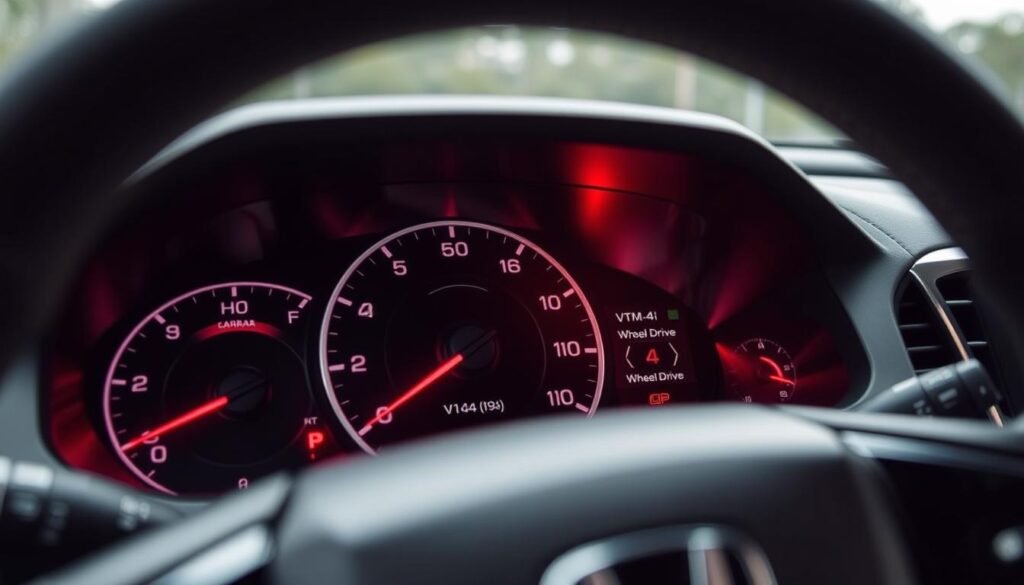
The Honda Pilot VTM-4 light checks the car’s variable torque management system. It alerts you if there’s a problem.
Seeing the light when the engine starts is normal. But if it stays on or blinks while driving, you need to pay attention.
Significance of The VTM-4 Warning Light
The VTM-4 warning light is important. It shows how well your vehicle is running. If it stays on, your Honda Pilot might have issues with traction and torque.
Knowing what the VTM-4 light means can help you fix problems early. This can save you money on big repairs.
When The Light Should Come On
The VTM-4 light should go off after the car starts. But if it stays on or blinks while you’re driving, there’s a fault.
This needs immediate checking for your safety and the car’s performance. Regular checks keep your Honda Pilot running well.
How The VTM-4 System Works?
The VTM-4 system in Honda Pilot is key for better traction and stability. It shares torque between the wheels as needed, making sure your Honda Pilot performs well.
Knowing how VTM-4 works will make your driving experience much better.
Variable Torque Distribution
The main feature of the VTM-4 is changing how torque is shared. This means power goes to the wheels that need it most, improving stability.
It keeps an eye on traction and adjusts the power instantly for a smooth ride.
VTM-4 vs. Real Time AWD
The VTM-4 and Real Time AWD both aim to boost traction but work differently. Real Time AWD doesn’t have VTM-4’s smart torque management.
This makes VTM-4 better at adjusting its power use across different driving situations.
Differences Between Generations
As the Honda Pilot has evolved, so has the VTM-4 system. Earlier models had a simpler system than the newer ones.
Knowing the changes helps you see how your Honda Pilot has improved in performance.

Common Reasons For VTM-4 Light Activation
The VTM-4 light on your Honda Pilot can come on for a few key reasons. Knowing what causes it can help you keep your car running well. It also stops bigger problems from happening.
Sensor Issues
Sensor trouble is a big reason why the VTM-4 light turns on. Often, the rear differential temperature sensor fails. This leads to wrong readings.
These issues mess with the system that controls how power is shared in your Honda Pilot. Making sure sensors work right is key to your car’s best performance.
Low Differential Fluid Levels
Not having enough fluid in the rear differential can also set off the VTM-4 light. This might cause overheating or not enough lubrication.
Both can harm how the system works. It’s important to check and fill up the differential fluid regularly. This keeps your Honda Pilot running well.
Wiring Problems
Problems with wiring can turn on the VTM-4 light due to the environment around. Wires that are hurt or corroded mess up the signals in the torque management system.
Catching and fixing these issues early can stop bigger troubles later.
What To Do When The VTM-4 Light is Flashing?
Seeing your honda pilot vtm-4 light flash means you need to act fast. It’s a major warning sign. You should quickly pull over in a safe spot.
Then, switch to park and let the engine run until the light goes out. If you keep driving, the rear differential might get damaged. This can lead to big repair bills.
Follow these steps if you see this warning:
- Find a safe location to stop your vehicle.
- Shift into park mode to stabilize the vehicle.
- Allow the engine to idle for several minutes and observe whether the honda pilot vtm-4 light remains illuminated.
- If the light continues to flash, contact a trusted mechanic for diagnostics.
Can I Drive My Honda Pilot With The VTM-4 Light On?
It’s not recommended to drive your Honda Pilot if the VTM-4 light is on. This light means the all-wheel-drive system is off, and your car is now just using its front wheels.
This change can make your car handle worse, especially when the weather is bad.
Implications of Driving With The Light On
Ignoring the VTM-4 warning is risky. Short trips might be okay, but driving like this for a long time isn’t good.
Your car could end up needing more repairs. To keep your Honda Pilot safe and reliable, it’s best to fix the issue quickly.
How To Turn Off The VTM-4 Light?
To turn off the VTM-4 light on a Honda Pilot, you must solve the problem causing it. Here are the steps you need to take:
- Check fluid levels: Ensure your differential fluid is at the appropriate level. Low fluid can trigger the light.
- Inspect sensors: Faulty sensors may require replacement, with some issues easily diagnosed through a visual inspection.
- Examine wiring: Damaged or loose wiring can contribute to false alerts. Properly secure any exposed or faulty connections.
- Perform routine maintenance: Fluid replacement every 7,500 miles can help avoid issues leading to the activation of the VTM-4 Honda Pilot light.
Many of these steps can be done by yourself. Doing it yourself can save you both time and money. Plus, it ensures your car runs well again.
Cost of Repairs For VTM-4 Issues
Knowing the cost of repairs for VTM-4 issues is important for Honda Pilot owners. The costs can change a lot, depending on the issue.
It’s good to know about these costs to plan your budget better.
Sensor Replacement Costs
Fixing sensors in the VTM-4 system doesn’t cost much. Usually, it’s less than $70. This makes fixing sensor issues easy on your wallet.
You can deal with them quickly without spending too much.
Fluid Replacement Costs
Changing the fluid for the VTM-4 system also doesn’t cost much. It’s generally under $30 for each gallon of differential fluid.
Changing this fluid regularly is key to keeping the system running well. It also helps avoid bigger, more expensive repairs later.
Emergency Repairs and Professional Help
Big repairs, like replacing the entire VTM-4 system, can be very expensive, going over $3,700.
When the system has serious problems, it’s crucial to get professional help fast. This helps keep repair costs down for VTM-4 issues.
You should get a cost estimate and look at different service providers. This helps you make a smart choice.
| Type of Repair | Estimated Cost |
|---|---|
| Sensor Replacement | Under $70 |
| Fluid Change | Less than $30 per gallon |
| VTM-4 Assembly Replacement | Exceeds $3,700 |
Preventative Measures For VTM-4 System
To keep your honda pilot vtm-4 system in top shape, you need to be proactive. Regular care makes the drivetrain last longer and work better.
Here are some tips to follow:
- Regularly check fluid levels to ensure adequate lubrication and cooling.
- Inspect sensors for damage or wear to guarantee accurate readings and preventing system malfunctions.
- Drive cautiously in challenging conditions, such as mud or snow, to minimize undue stress on the honda pilot vtm-4 system.
- Schedule periodic professional inspections to catch any potential issues early.
Knowing how your honda pilot vtm-4 system works can save money on repairs. It also makes your drive smoother.
| Maintenance Task | Frequency | Importance |
|---|---|---|
| Fluid Level Check | Every 5,000 miles | Ensures proper operation |
| Sensor Inspection | Every 10,000 miles | Prevents system failures |
| Professional Service | Annually | Enhances system longevity |
Following these steps helps keep the honda pilot vtm-4 system efficient. This ensures your drive is both smooth and safe.
Conclusion
Knowing about the VTM-4 system and its warning light is key for Honda Pilot owners. Learning what the light means helps keep your vehicle running well.
The term “what does vtm-4 mean on a honda pilot” reminds us that knowing leads to better care for your Honda Pilot.
The VTM-4 system helps your car handle different driving situations smoothly. Acting quickly when the VTM-4 light comes on is crucial. It keeps you safe and makes your car last longer.
Regular upkeep and dealing with issues early keeps your Honda Pilot dependable and safe. Staying informed and taking action helps you take good care of your vehicle.
FAQs
Q: What does VTM-4 mean on a Honda Pilot?
A: VTM-4 is a system for 4-wheel drive Honda Pilots. It improves grip by managing how torque is shared between the wheels.
Q: Why is the VTM-4 light on my dashboard?
A: The VTM-4 light means there is a problem. It could be due to low fluid, a bad sensor, or wiring issues.
Q: Can I continue driving if the VTM-4 light is flashing?
A: Driving with a flashing VTM-4 light is risky. It tells you there’s a serious problem that might harm the rear differential.
Q: How do I turn off the VTM-4 light?
A: To switch off the VTM-4 light, fix the root problem. Check the fluid or change bad sensors. The light will go off once it’s fixed.
Q: How often should I check the fluid levels for the VTM-4 system?
A: Regular checks of the VTM-4 fluid, about every 7,500 miles, are wise. It helps avoid warning lights.
Q: What are the typical repair costs associated with VTM-4 issues?
A: Fixing sensors might cost less than . Fluid changes are under a gallon. But, a new VTM-4 assembly can be over ,700.
Q: What preventive measures can I take for the VTM-4 system?
A: Keep the fluid checked and sensors in good shape. This helps your VTM-4 system last longer and avoids big problems.
Q: How does the VTM-4 system differ from Real Time AWD?
A: The VTM-4 system can manage torque better than Real Time AWD. This gives you more control in various driving situations.