What Does Tpms Mean on A Honda? Decoding Alert Warning Best 9 Idea
What does TPMS stand for in a Honda? It stands for the Tire Pressure Monitoring System. This system is crucial in your Honda because it warns you about tire pressure problems.
Knowing what does TPMS mean on a honda? is key for driving safely and keeping your vehicle running smoothly. If the TPMS light on your dashboard turns on, it’s giving you a heads-up.
This could help you avoid tire wear and accidents. This guide will explain why TPMS is important and how it works in your Honda.
You’ll also learn what to do if the warning light comes on. We’ll cover common reasons why TPMS might be activated, how to understand the TPMS light, and how to care for your tires.
Plus, you’ll get tips on what steps to take if the TPMS light appears and how to reset it. Now, let’s get a closer look at your Honda’s TPMS features.
We’ll show you how to figure out the TPMS signals on a Honda correctly. By understanding this, you can maintain your tires well and ensure you have a safe drive.
What is TPMS and Its Importance
The Tire Pressure Monitoring System (TPMS) is key in modern Honda cars. It makes sure your tires have the right air pressure.
This system checks the air in tires all the time. It tells you when the pressure is too low, by about 25%.
Knowing how TPMS works helps you see its value in safety and how your vehicle performs.
What is TPMS?
In Honda cars, TPMS is a crucial safety feature that watches the pressure in your tires. It gives you updates on tire pressure.
This lets drivers fix problems early. A TPMS alert means you need to check your tires to avoid danger.
The role of TPMS in vehicle safety
Keeping the right tire pressure is very important for safety while driving. If a tire doesn’t have enough air, it won’t handle well, it will wear out faster, and it might even blow out.
Honda’s TPMS is all about stopping these risks. It shows Honda cares a lot about safety and how well their vehicles work.
Tires with enough air work better and use less fuel. This makes checking your tire pressure a must for Honda owners.
| TPMS Functionality | Benefits |
|---|---|
| Real-time tire pressure monitoring | Alerts driver to low pressure, preventing accidents |
| Continuous checks | Ensures tires are always in safe operating condition |
| Improved fuel efficiency | Optimal tire pressure maximizes vehicle performance |
| Longer tire lifespan | Prevents premature wear and tear |
What Does Tpms Mean on A Honda?
In Honda vehicles, the Tire Pressure Monitoring System (TPMS) makes sure you’re safe and your car works well.
It’s vital to know how this system works. This knowledge will make you mindful of the TPMS warning light on your Honda.
TPMS Definition in Honda Vehicles
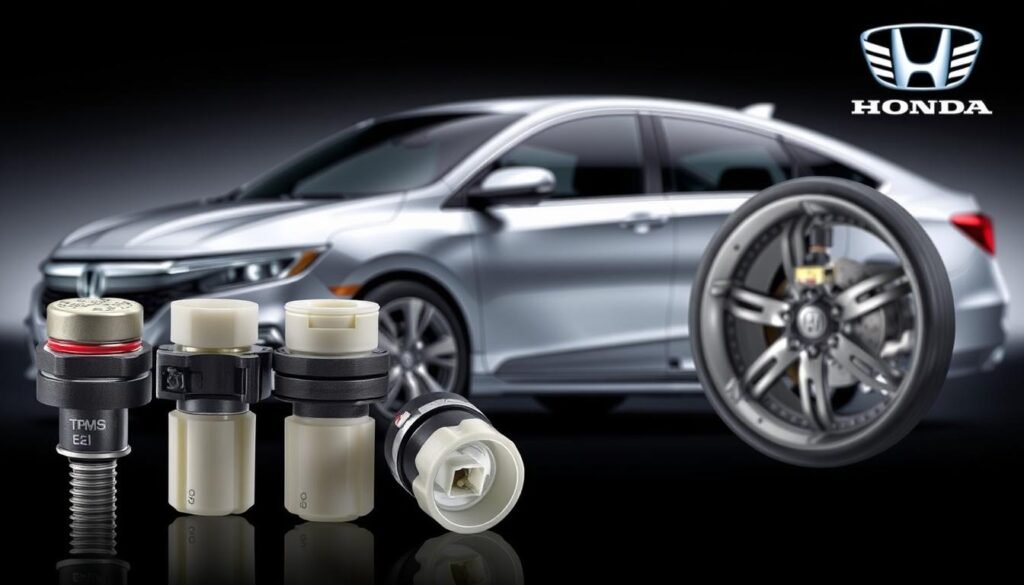
The TPMS in Honda checks your tire air pressure through special sensors. These sensors keep an eye on the pressure and talk to the car’s computer.
If tire pressure drops or rises too much, you’ll see a warning light.
How TPMS Functions in Honda Models
When tire pressure is low, the TPMS warning light comes on. This light tells you it’s time to check your tires. Each tire has a sensor that sends info to the car.
If the pressure is too low, the car alerts you. It’s important to regularly check your tire pressure. This keeps you safe, saves gas, and helps your tires last longer.
Common Reasons For TPMS Activation
The TPMS warning light might turn on for different reasons. Knowing what causes it is key for keeping your car running well. It’s important to catch the signals early.
This ensures your tires are always ready to go. Often, the light warns about low tire pressure, holes in your tires, or sensor issues.
Each problem can turn on the honda tpms indicator, impacting how you drive and your safety.
Low Tire Pressure as A Trigger
Most often, low tire pressure will set off the TPMS alarm. This can happen from air slowly escaping, changes in weather, or forgetting to check your tires.
If tire pressure drops, your car might not handle as well and could use more gas. Keeping the right pressure makes sure your car drives smoothly and your tires last longer.
Tire Punctures and Their Impact
Running over something sharp can quickly let air out of your tire, lighting up the TPMS. You need to fix a punctured tire immediately to avoid more damage.
Learning how tire punctures affect your ride helps you deal with TPMS alerts better.
TPMS Sensor Malfunctions
Sometimes, tpms sensors mess up and send out false warnings. Problems can start from rust, batteries dying, or hitting something by accident.
Regularly checking your TPMS keeps it working right. It helps you find and fix any issues so the warning light only comes on when it should.
| Issue | Description | Solution |
|---|---|---|
| Low Tire Pressure | Gradual loss of air can affect driving. | Regular tire pressure checks; inflate as necessary. |
| Tire Punctures | Sharp objects can cause immediate air loss. | Inspect tires for punctures; repair or replace as needed. |
| Sensor Malfunction | Corroded or depleted sensors can cause false readings. | Assess and replace faulty sensors; conduct necessary maintenance. |
Decoding The TPMS Warning Light
The TPMS warning light on your Honda helps keep you safe while driving. It tells you when there might be a problem with your tires.
Knowing what the TPMS warning means helps you figure out if your tire pressure is just low or if there’s a bigger issue.
How To Interpret The TPMS Light
If the TPMS light doesn’t blink, your tire pressure might be too low. This means you should check your tire pressures soon.
Low pressure can cause bad fuel efficiency and make the car harder to control. But, if the light blinks, it could mean there’s a problem with the TPMS system.
This could be because a sensor isn’t working right or a tire lost pressure fast. You should get it checked right away.
Differences between Solid and Blinking TPMS Lights
| TPMS Light Type | Meaning | Action Required |
|---|---|---|
| Solid Light | Low tire pressure detected | Check tire pressures and inflate as needed |
| Blinking Light | TPMS malfunction or significant pressure loss | Inspect system or consult a professional |
Cold Weather Effects on TPMS
Understanding TPMS on a Honda is key when it’s cold. Cold weather brings challenges for tire pressure as temperatures fall.
This impacts how well your tires perform. It’s important to keep an eye on tire pressure as winter approaches.
How Temperature Affects Tire Pressure
Cold weather makes tire pressure drop. For every 10-degree fall in temperature, pressure decreases by about 1 PSI.
This drop can turn on the TPMS light, showing your tires might be low. Keeping tires at the right PSI boosts safety, fuel efficiency, and handling.
Best Practices For Tire Maintenance During Winter
To keep tires working well in winter, follow these best practices:
- Regularly check tire pressure, ideally every few weeks.
- Utilize a tire pressure gauge to maintain precision.
- Consult your owner’s manual for specific pressure recommendations during cold weather.
- Inspect tires for any visible wear or damage that can worsen in winter conditions.
- Consider winter tires if you live in an area with significant snowfall.
Steps To Take When Your TPMS Light Comes On
See your TPMS light on? Act fast for your safety. Knowing what to do is crucial. It avoids bigger problems later. Make sure you’re safe before checking your car.
Initial Visual Tire Inspection
First, look at each tire closely. Look for cuts, bulges, or holes. See if a tire seems too flat. This quick check helps spot simple fixes.
Using A Tire Pressure Gauge
Next, use a tire pressure gauge after looking at the tires. Measure each tire’s pressure. Fill them to the level your manual says. This often fixes the TPMS warning if it’s a pressure issue.
When To Seek Professional Help
Done all that but the light’s still on? Time for expert help. A pro mechanic knows what to check. They’ll get to the bottom of the TPMS issue fast.
How To Reset The TPMS on Your Honda?
Resetting your Honda’s TPMS is necessary after adjusting tire pressure. First, find the reset button under the dashboard or inside the glove compartment.
Turn the ignition to “on,” then press the reset button until the TPMS light blinks. Release the button to start the reset. Knowing this process ensures your car performs safely and well.
Step-by-Step Guide for Resetting
- Check and adjust the tire pressure to the recommended levels.
- Find the TPMS reset button.
- Turn the ignition to the “on” position without starting the engine.
- Press and hold the reset button until the TPMS light blinks.
- Release the button and wait for the light to turn off.
Common Issues with Resetting TPMS
Resetting the TPMS seems easy but problems can pop up. If the TPMS light stays on, a sensor might be broken. This often requires a pro’s help.
Also, wrong tire fitting can make TPMS issues stay, needing a technician’s check. Knowing how to reset your Honda’s TPMS is key for tire safety.
Compromise Honda TPMS Sensors
Honda cars use two main kinds of TPMS sensors: direct and indirect. Each has its way of working, helping keep tires safe and functioning well.
Knowing how these systems work can help spot problems early, so the TPMS works right.
Types of TPMS Sensors in Honda Vehicles
The two major types of Honda TPMS sensors are:
- Direct TPMS: This type has sensors inside each tire. They measure tire pressure and send the info to the car’s computer.
- Indirect TPMS: This system guesses tire pressure from wheel speed data from the ABS. It looks at how fast each wheel turns to find pressure differences.
Common Problems with TPMS Sensors
Honda TPMS sensors are built to last, but they can run into problems. Some common issues are:
- Battery Failure: Direct TPMS sensors have batteries that don’t last forever. Over time, they stop working as well.
- Physical Damage: Things like road debris can damage the sensors. This makes pressure readings wrong.
- General Wear and Tear: Regular use can wear sensors out. They need replacing now and then to stay accurate.
The Importance of Proper Tire Maintenance
Keeping your tires in good shape is key for your car’s performance and safety. Making sure they have the right amount of air is especially important.
This affects how well your car drives and can save you money over time. You’ll notice better control and overall function of your vehicle.
Maintaining Optimal Tire Pressure
Check and adjust your tire pressure often, following what the maker of your car suggests. If your tires don’t have enough air, they’ll wear out unevenly and use more gas.
Too much air, and you might lose grip, raising the chance of accidents. Keeping the right tire pressure makes them last longer and improves your drive.
How Tire Pressure Affects Fuel Efficiency
Tire pressure and gas mileage are closely linked. Not enough air in the tires means your car works harder, using more gas.
Keeping your tires properly inflated could make your car 3% more fuel efficient. So, checking your tire pressure not only saves gas but also money.
Conclusion
Knowing what TPMS means for a Honda is key for all drivers. This system warns you about tire issues that might risk your safety or your car’s performance.
By paying attention to the TPMS light and acting on it, you keep your Honda running well. The meaning of TPMS in a Honda is all about safety on the roads.
Keeping your tires in check regularly, and quickly acting on TPMS signals, will make your drives better. This improves how your car uses fuel and how it moves on the road.
To wrap it up, checking your car regularly and fixing problems early stops small issues from getting worse.
Taking care of these alerts fast means you’ll have a safer, more efficient car. Enjoy a better drive in your Honda by staying proactive.
FAQs
Q: What does TPMS mean on a Honda?
A: TPMS stands for Tire Pressure Monitoring System. It alerts you when your Honda’s tire pressure is low.
Q: How does the TPMS warning light function?
A: The TPMS warning light comes on your dashboard if tire pressure drops. A solid light means low tire pressure. A blinking light suggests a system malfunction.
Q: Why is it important to understand TPMS?
A: Knowing TPMS is key for tire safety and good performance. It also helps save fuel and ensures safe driving.
Q: What typically triggers the TPMS light?
A: Common triggers for the TPMS light are low tire pressure. This can be from air loss, temperature changes, or punctures.
Q: How can temperature affect TPMS activation?
A: Cold temperatures can lower tire pressure. This leads to TPMS turning on. You lose about 1 PSI for every 10-degree drop.
Q: How do I reset the TPMS on my Honda?
A: To reset the TPMS, find the reset button under the dash or in the glove box. Turn the ignition to “on,” and hold the button until the light blinks. Then release it.
Q: What should I do when the TPMS light comes on?
A: If the TPMS light turns on, pull over safely. Check each tire for damage and the air pressure. Inflate them if needed. If the light stays on, see a mechanic.
Q: What are the different types of TPMS sensors used in Honda vehicles?
A: Honda uses direct TPMS sensors that have built-in sensors for measuring tire pressure. Indirect systems use wheel speed and ABS data to calculate pressure.
Q: How does proper tire maintenance enhance fuel efficiency?
A: Keeping your tires at the right pressure lowers rolling resistance. This improves your car’s fuel efficiency and performance.