What Is VSA Light on Honda Indicator? Exclusive 9 Info
The VSA light on your Honda is a key indicator. It helps you know your Vehicle Stability Assist (VSA) system’s status. This system helps make driving more stable and safe.
When the VSA light comes on, it’s crucial to figure out what it means to keep your car running well.
In this guide, you’ll learn what the VSA light signals mean. Knowing these signals allows you to fix problems quickly.
You’ll understand the difference between a steady and blinking VSA light, why it may turn on, and how to figure things out by yourself.
Also, we’ll tell you when it’s time to see a mechanic. By getting the hang of what the VSA light means, your Honda will stay safe and dependable.
Now, let’s get into how this important feature works and how to take care of your vehicle’s stability system.
What is The VSA Light on Honda?
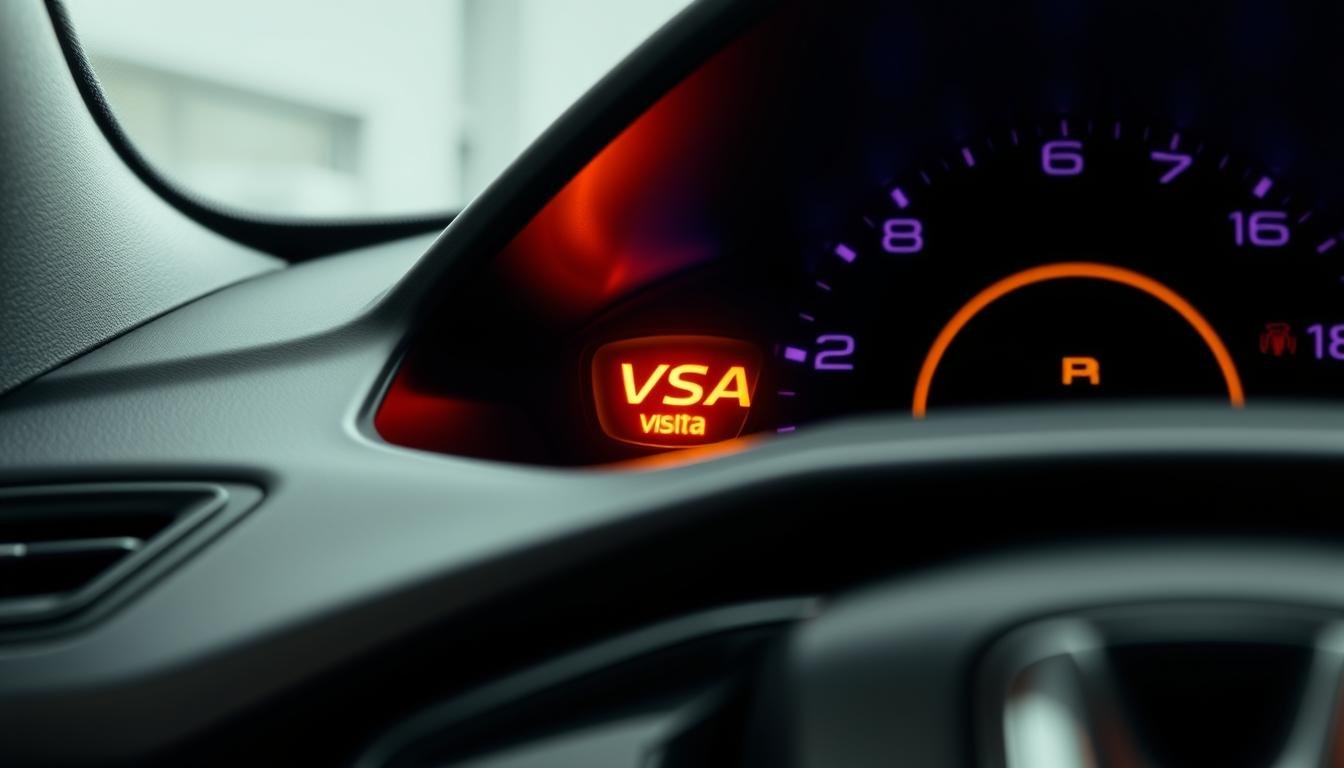
The VSA light on a Honda tells you important things about the VSA system. When you see this light on your dashboard, it means the car’s stability control is at work.
This is really important when driving is tough and you need to keep the car steady.
Your Honda keeps an eye on things like how much traction you have, the way the steering wheel is turned, and how fast the wheels are spinning.
It decides when it needs to help stabilize the car. This helps your car handle better in situations that can’t be predicted, keeping you safer on the road.
Knowing what the VSA light means helps you take the right steps if it turns on. Acting when you see this light can make driving safer and help your Honda’s VSA system last longer.
What Does The VSA Light Mean?
The VSA light ensures your car stays safe and handles well. If the VSA light is on, it means there might be problems.
This could be because of issues with wheel-speed sensors or not enough brake fluid. It’s important to know what the VSA light means for keeping your car in good shape.
If the VSA light stays on, it may be turned off due to a problem or it needs a check-up. But, if the VSA light blinks, it means the system is working.
It’s helping to keep the car stable when driving gets tough. Knowing what the VSA light symbols mean can help you fix your car’s issues faster.
The Importance of The VSA System
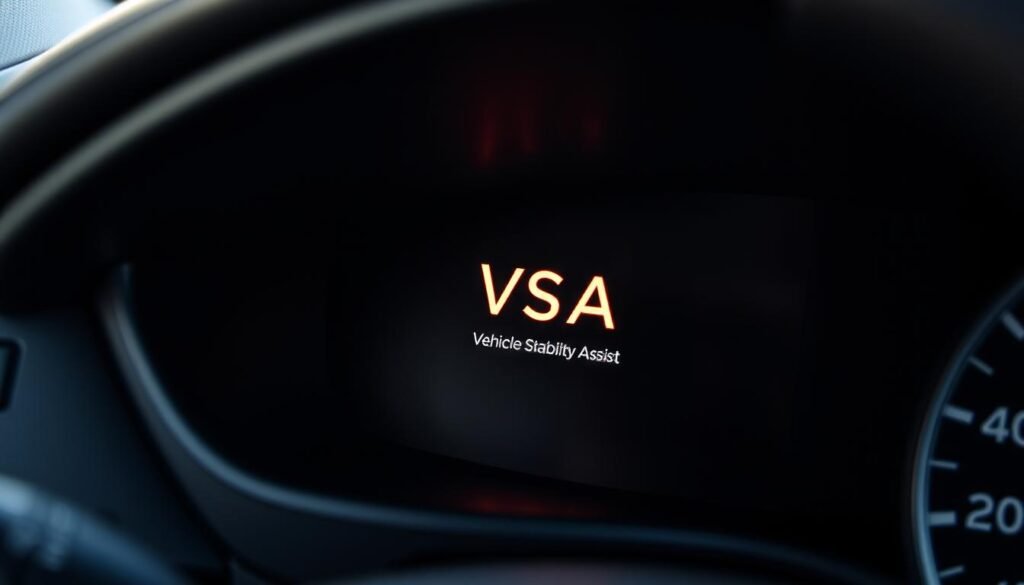
The Honda VSA system is key for staying safe on the road. It stops skidding and losing control, which is vital during sudden moves or on slick roads.
The system works by braking individual wheels and changing engine power as you drive. This helps keep your car stable, giving you better control.
Better control means fewer accidents. This makes tough driving situations easier to handle.
Knowing how the VSA system keeps you safe is important. It shows why it’s a big deal when you’re behind the wheel of your Honda.
Decoding The VSA Light: Flashing vs. Steady
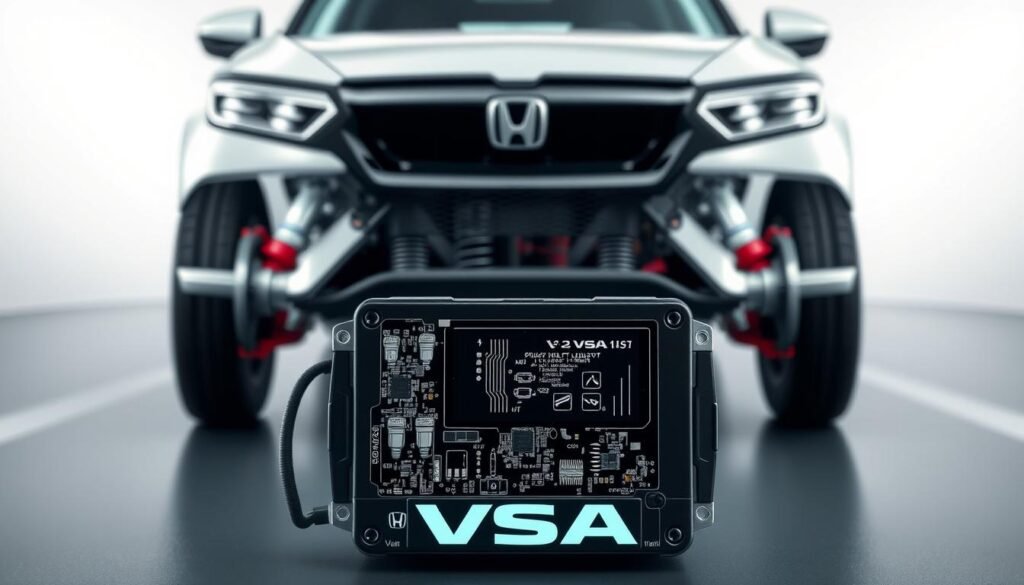
The VSA light on Honda vehicles is key for both safety and performance. It tells us if the Vehicle Stability Assist (VSA) system is working as it should.
Knowing the difference between a steady or flashing VSA light gives us valuable info on how our car is handling.
Steady VSA Light
A steady VSA light means everything’s good with the system. Sometimes, this light stays on if you turn the VSA system off yourself.
You should think about the roads you’re driving on. If they’re slippery, it’s better to leave the VSA on for safer driving.
Flashing VSA Light
If the VSA light starts flashing, it’s time to pay attention. This flashing means the car is working hard to keep you safe on tricky roads.
It might slow down the engine or use the brakes more to stop the wheels from slipping. This is when you might need to change the way you’re driving to stay safe.
| VSA Light Type | Indicator Meaning | Action Required |
|---|---|---|
| Steady VSA Light | System functioning normally or manually turned off | Check settings; resume normal driving |
| Flashing VSA Light | Stability control system active | Adjust driving to conditions; stay alert |
Common Triggers For The VSA Light Activation
The VSA light can turn on for many different reasons. It’s important to know these reasons to fix your VSA light issues quickly.
By understanding what causes the light to activate, you can fix problems before they get worse.
Wheel-Speed Sensor Issues
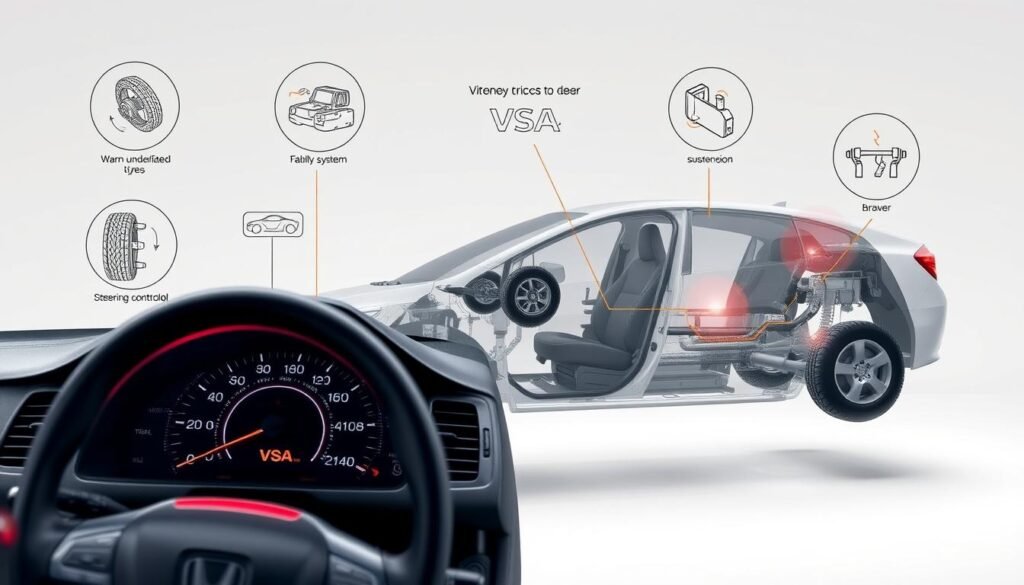
Wheel-speed sensors often cause the VSA light to turn on. They send important speed data for each wheel to the car’s stability system.
If these sensors give wrong data, the system might not work right, turning on the VSA light. Checking these sensors regularly can stop false alarms.
Low Brake Fluid Levels
Another reason for the VSA light is low brake fluid. This could mean there are leaks or other issues in the brake system.
Make sure to check the brake fluid often. If you don’t, it could lead to less effective brakes and less safety.
Less Common Causes For The VSA Light To Illuminate
Sometimes, your Honda’s VSA light turns on for not-so-common reasons. Knowing these rare causes helps us figure out why the vehicle’s stability assist system might not work right.
This knowledge lets us fix the VSA system more effectively.
Electromagnetic Interference
Electromagnetic interference is a surprising reason the VSA light comes on. Issues like faulty wiring or new electronic devices can send confusing signals to the VSA system.
If you’ve added electronics lately and the light turns on, check them for interference.
VSA Pump Motor Problems
VSA pump motor issues can also cause the light to go on. A broken pump motor might mess with the system’s brake operation by affecting hydraulic pressure.
Taking care of your vehicle and addressing strange noises quickly can prevent bigger issues.
VSA Light Diagnosis: When To Consult A Mechanic
Knowing when to get help with your car’s VSA light is essential for safety and performance. If the VSA light stays on, it’s time to see a mechanic.
Ignoring it can cause bigger issues and affect your driving. Experts can find and fix the problems causing the VSA light to turn on.
They use special tools and their know-how for a correct fix. Getting a VSA light check means your car is well taken care of.
- The VSA light stays on even after restarting your vehicle.
- Your vehicle’s handling or stability changes.
- Other warning lights show up on the dashboard.
- You notice strange noises or shakes while driving.
Acting fast on a VSA light issue can save you time and money later. Always make your vehicle’s care a priority by getting it checked when needed.
Tips For DIY Troubleshooting Your VSA Light on Honda
Before calling a mechanic, try some easy DIY tricks for your VSA light. These steps can spot simple problems. This avoids visits that might not be needed.
Checking Tire Pressure
Wrong tire pressure can mess with the VSA system’s wheel speed sensors. So, start by checking the pressure in all tires. Here is what to do:
- Get a dependable tire pressure gauge.
- Look for the suggested pressure on a sticker by the driver’s door.
- Adjust your tires’ pressure to match what is recommended.
Inspecting Brake Fluid Levels
Brake fluid levels are key for the VSA and your car’s brakes. Make sure the brake fluid is not too low or too high. Here’s how:
- Find the brake fluid reservoir under the hood.
- See if the fluid is between the minimum and maximum lines.
- Top it off with the right brake fluid if needed.
Taking these steps is a great help in troubleshooting the VSA light. By doing your own checks, you save time and money. You also keep your car running well.
Driving with The VSA Light On: Precautions To Consider
If the VSA light turns on while you’re driving, pay attention. This warns you that your vehicle’s stability control might be down. For your safety, be cautious and take it seriously.
Here are some key vsa light precautions to keep in mind:
- Reduce your speed. Slowing down can help maintain control of your vehicle.
- Increase following distance. This will give you more time to react in case of sudden changes in traffic.
- Avoid sharp turns. Steering aggressively while driving with the VSA light on may compromise control.
- Steer clear of sudden stops. Gradual braking provides a safer approach to stop your vehicle.
By following these tips, you can stay safe and keep others safe too while you figure out the VSA issue.
Preventive Measures For Maintaining Your VSA System
Keeping up with your vehicle’s VSA system is crucial for it to work best. Taking steps early on can help avoid big problems with the VSA system.
It’s important to follow what the maker suggests for checking both the VSA software and hardware. Safe driving is also key in keeping the VSA system working well.
If you notice anything odd, like strange sounds, it’s important to act quickly. Fixing issues early helps keep your car running smoothly.
- Regularly check for software updates that enhance VSA functionality.
- Inspect brake fluid levels and replace fluid as necessary.
- Ensure tire pressure is within recommended limits to avoid undue strain on the VSA system.
- Pay attention to any warning lights appearing on the dashboard.
Sticking to these steps will make your drives safer. It also helps make your Honda’s VSA system last longer and work better.
Conclusion
The VSA light on your Honda does more than warn you. It helps keep your car stable and safe. By fully understanding the VSA system, you can react quickly to any signals.
This makes driving much safer. Knowing why the VSA light comes on helps you fix problems early.
It’s important to check your car regularly to keep the VSA system working well. Simple things like checking tire pressure and brake fluid can stop big problems.
Knowing how the VSA light and your car’s parts work together helps you fix issues faster. Keeping your VSA system in good shape is key for a safe drive.
It also makes you feel more confident behind the wheel. With the tips in this article, you can handle the VSA system better. Start taking steps now for a safe and confident driving experience.
FAQs
Q: What does it mean when the VSA light on my Honda is on?
A: The VSA light on means the Vehicle Stability Assist system is working to stabilize your car. It could also mean there’s a system fault.
Q: Why is my VSA light flashing?
A: When the VSA light flashes, it’s because the system is helping keep your car stable. This often happens when driving on slippery roads.
Q: How can I reset the VSA light on my Honda?
A: To reset the VSA light, just turn off the engine and start the car again. If it’s still on, checking for issues or getting a mechanic’s help may be needed.
Q: What might cause the VSA light to stay on?
A: If the VSA light is always on, it might mean there’s a problem. Things like sensor failures or not enough brake fluid could be why. Getting it checked by a professional is a good idea.
Q: How can I troubleshoot the VSA light on my Honda?
A: Start troubleshooting by checking your tire pressure and brake fluid level. Fixing these might turn the VSA light off.
Q: What should I do if the VSA light comes on while driving?
A: Slow down and keep a safe distance from other cars if the VSA light comes on. This helps until you can get the problem checked.
Q: Are there any common codes associated with the VSA light?
A: Yes, mechanics can use special tools to read different codes. These codes show what’s wrong with the VSA system.
Q: What maintenance should I perform for the VSA system?
A: Keep up with your car’s service schedule and check the VSA system’s parts and software. Also, always drive safely.