Is Honda A Foreign Car? Resolved Facts For U.S. Drivers Better 7 Tips
Is Honda a foreign car? Even though Honda comes from Japan, it’s important to think deeper about what that means.
Whether Honda is foreign or domestic affects how folks see the brand, especially when looking to buy.
Let’s dive into whether Honda is really from abroad, or if it’s taken big steps to be seen as a U.S. car. We’ll look into Honda’s big manufacturing presence in the U.S.
This includes its numerous facilities and impact on local jobs. You’ll see how Honda moved from its Japanese start to a big spot in the U.S. car world.
We’ll clear up if Honda is considered imported or domestic and what that means for you as a driver.
Stay tuned as we explore the brand’s journey and impact in America. Plus, get insights to help you decide on your next car.
What is Honda’s Global Identity?
Honda has become a key player in the car world. It started in Japan and now reaches across the globe.
The company’s roots in making quality vehicles show its focus on innovation and customer happiness.
Honda shapes its global brand by fitting its products to different places. This is especially true in the USA, where it has grown strong.
Honda has many factories worldwide. These places do more than just make cars. They show Honda’s support for local communities by creating jobs.
Honda makes sure its manufacturing fits with what people in different areas want and with local laws.
This helps Honda succeed in various places. Honda keeps its Japanese roots while also adapting to places like the U.S.
This balance helps Honda stay important to many people from different backgrounds. It’s a key part of its worldwide appeal.
Is Honda A Foreign Car? An In-Depth Look
Honda cars are a topic of debate when it comes to “foreign” vs. “domestic.” Even though Honda is a Japanese brand, a lot of its cars are made in the U.S.
So, we have to ask: is Honda a foreign car? There are a few key things to think about here. Where Hondas are made impacts if they’re seen as foreign or American.
Honda is owned by a company in Japan, which makes some say it’s foreign. But, making cars and using parts from the U.S. support the idea that they’re also American.
Another point is where Honda gets its parts. Many parts for U.S. made Hondas come from American companies. This blurs the lines in the foreign vs. American car debate.
As Honda makes more cars in the U.S., it’s important to know these differences. This helps people understand what makes a car foreign or American.
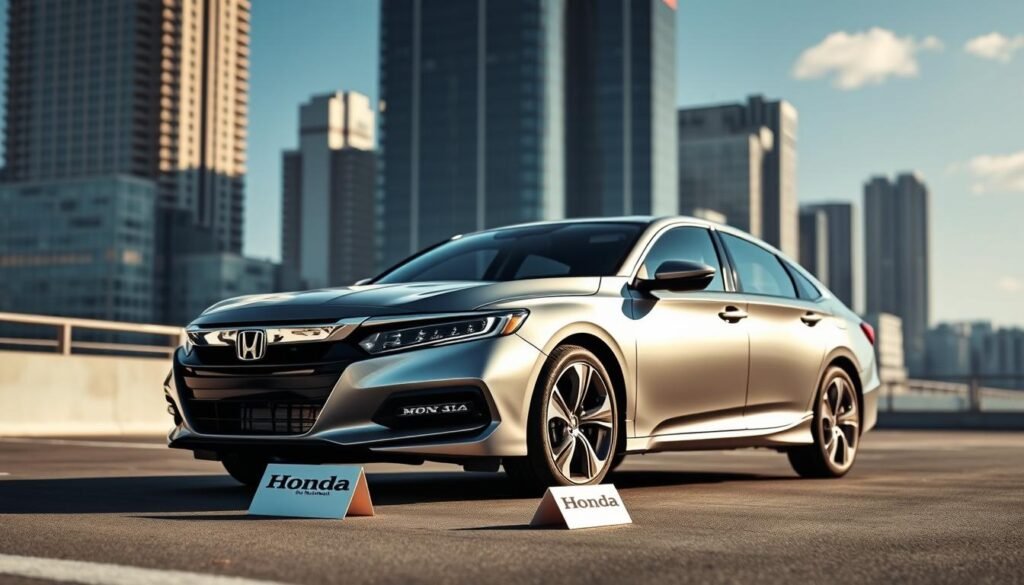
Honda’s Manufacturing Footprint in The U.S.
Honda began its journey in the United States in the late 1970s. This marked the start of a major role in the car industry.
With its first factory in Marysville, Ohio, Honda gradually built a strong network of production sites across the country.
This expansion shows Honda’s commitment to the American market and local communities.
Today, these factories are key to Honda’s operations, showing that Honda indeed makes cars in the US.
History of Honda’s Manufacturing Presence
Starting in Ohio, Honda’s manufacturing presence has grown significantly. The company focuses on making vehicles that Americans want to drive, while hiring local workers.
Over the years, Honda has teamed up with local communities. They’ve invested in training programs that boost workers’ skills.
This partnership has built a skilled workforce and improved how Honda makes cars.
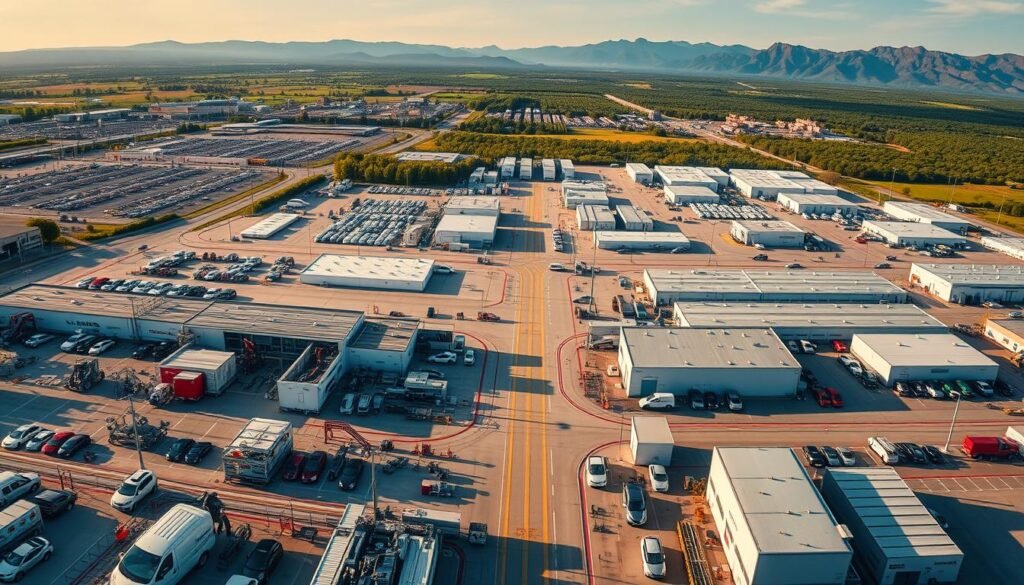
Current Manufacturing Facilities in The U.S.
Honda has various manufacturing sites in different states today. These factories produce not just cars, but motorcycles and other vehicles too.
Below is a list of some major Honda manufacturing sites in the U.S. It highlights the range of vehicles Honda makes in the country.
| Facility Location | Established | Products Manufactured |
|---|---|---|
| Marysville, Ohio | 1982 | Honda Accord, Honda Civic |
| East Liberty, Ohio | 1989 | Honda CR-V, Acura RDX |
| Greensburg, Indiana | 2008 | Honda Civic, Honda HR-V |
| Lincoln, Alabama | 2001 | Honda Odyssey, Honda Pilot |
| Celaya, Mexico | 2014 | Honda HR-V, Honda Fit |
Origins of Honda Vehicles
After World War II, Soichiro Honda started his company in Japan in 1946. Initially, Honda made motorcycles and quickly became known for quality and innovation.
They moved into cars in the late 1960s with the T360 truck and the S500 sports car.
Founding of Honda in Japan
Soichiro Honda dreamed of making reliable transport for everyone. He started with motorized bicycles that evolved into top-selling motorcycles.
These early successes helped make Honda a global brand. By exploring Honda’s roots, we see its dedication to efficiency and engineering still shines.
Transition into U.S. Markets
Entering the U.S. in the 1970s was a game-changer for Honda. They saw Americans wanted fuel-efficient cars.
The Civic was a hit, offering economy without losing out on performance. Honda set up U.S. factories, blending in as both an import and a hometown brand.
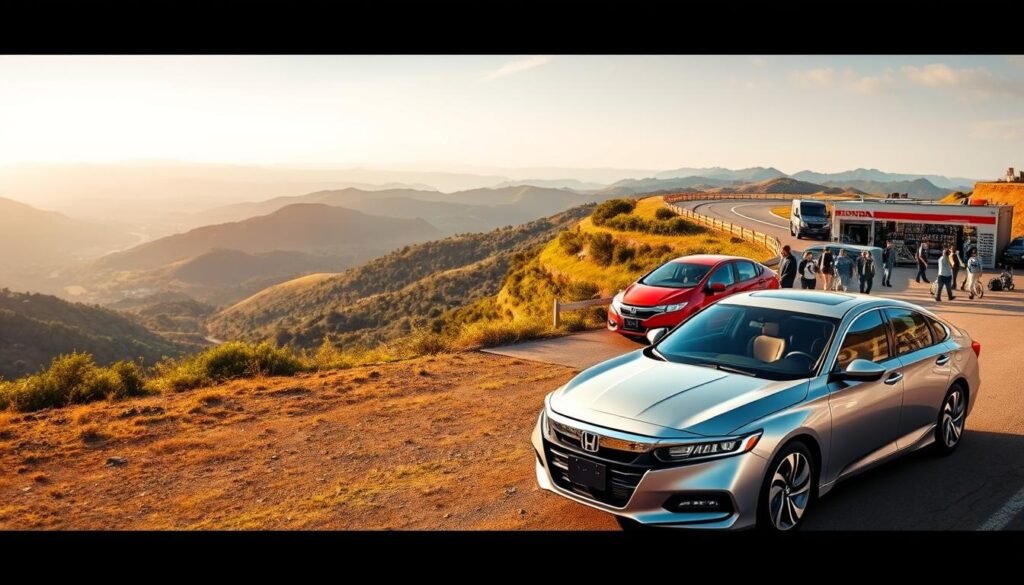
Honda’s Impact on The U.S. Economy
Honda has a huge impact on the U.S. economy. It creates many jobs and adds to local and national taxes. Knowing how Honda helps the economy shows why it’s key in the car world.
Job Creation through Manufacturing
Honda’s U.S. factories give work to thousands. Jobs range from assembly line tasks to engineering roles.
Honda’s wide network, including suppliers and dealers, also boosts employment, showing how crucial Honda is for economic growth.
Economic Contributions in Payroll and Taxes
Honda’s workers earn billions each year. This doesn’t just help their families but also means more taxes for government.
These taxes help communities grow. It shows Honda’s economic role goes beyond just providing jobs.
Honda: Imported or Domestic?
Is Honda considered imported or domestic? This question sparks much debate. Many Honda models are made in the U.S., leading some to say they’re domestic.
This matters because it affects how buyers see Honda’s American manufacturing efforts. Honda runs several plants in the U.S.
Most Hondas sold here are put together locally, causing confusion about their status.
When choosing a car, it’s key to think about the pros of owning a domestically made vehicle versus an imported one.
Honda uses parts from both within and outside the U.S. This mix shows how hard it is to label a Honda as purely foreign or domestic.
Some parts are brought in, while others are made here, making it complex. To truly understand Honda’s market place, look at how people view the brand and its real making process.
Remember the complex relationship between Honda’s worldwide work and its efforts in the U.S. as you look at different cars.

Consumer Perception of Honda Vehicles
Honda’s image among consumers has changed a lot through history. This shows how things outside the company and changes in society can affect how people see a brand.
Honda became important in the 1970s when the fuel crisis made American buyers want smaller, more fuel-saving cars.
Honda’s cars, especially the Civic, fit what these customers wanted. This time was key for Honda to become a big name in the U.S. car market.
Shifts in Public Opinion Over Time
In the last few years, how people see Honda has kept evolving to match what people today expect.
The brand is known for being reliable, keeping its value well, and for the new tech it brings to cars. This attracts all kinds of buyers.
To understand this better, look at the following table that shows what affects how consumers feel:
| Time Period | Key Influence | Consumer Sentiment |
|---|---|---|
| 1970s | Fuel Crisis | Increased interest in fuel-efficient models |
| 1980s | Quality and Dependability | Growing reputation for reliability and engineering |
| 2000s | Environmental Concerns | Positive view due to hybrid technology and efficiency |
| 2010s | Innovation and Design | Perception as a leader in technology and safety |
| 2020s | American Manufacturing | Enhanced trust due to local production and jobs |
The history of Honda shows how its image has grown strong over time. The mix of new ideas, being reliable, and making things in the U.S. has really helped how people see the brand.
Honda’s Global Manufacturing Sites
Honda’s network of plants is spread across many continents. This shows their strong plan to meet the world’s car needs.
As you look into Honda’s global sites, you’ll see they use local resources and people to make their process better.
This not only meets local demands but also shows Honda’s pledge to quality and new ideas.
Locations of Honda Facilities Worldwide
Honda has many production spots around the world. In North America, it has big sites in the United States and Canada. They make different vehicles, like cars and motorcycles.
In Asia, countries like Japan and Thailand have Honda plants focusing on sales and exports.
Europe too, has its own Honda plants to cater to the local market. Here is a detailed list of key manufacturing locations:
- United States: Ohio, Alabama, and Indiana
- Canada: Alliston, Ontario
- Japan: Tochigi, Kumamoto
- Thailand: Ayutthaya, Prachinburi
- United Kingdom: Swindon
- China: Wuhan, Guangzhou
Comparison of Production by Region
Looking into how different regions perform shows Honda’s strategy. In North America, their facilities have a huge output. They meet local needs and also export.
But, Asian factories, like in Japan, focus on high-quality models for local and nearby markets.
Below is a table showing production numbers and what each region makes:
| Region | Production Capacity (%) | Main Products |
|---|---|---|
| North America | 45% | Cars, SUVs |
| Asia | 35% | Motorcycles, Cars |
| Europe | 15% | Cars |
| Others | 5% | Specialty Vehicles |
Honda’s Dedication To American Manufacturing
Honda has put a lot of effort into American manufacturing. It has made big investments and focused on training local workers.
By making cars in the United States, Honda helps the economy. It also builds a strong connection with customers and workers.
Percentage of U.S.-Manufactured Vehicles
About 70% of Honda cars sold in the U.S. are made here. This shows Honda’s big role in the American market.
The company is not just about numbers. It cares deeply about quality and making things locally.
Investment in American Workforce
Honda’s support for American workers is huge. It spends a lot of money on hiring and teaching them. This ensures workers know how to make great cars.
These programs make a skilled workforce. They show Honda’s commitment to U.S. manufacturing and help local communities grow.
Factors Influencing Honda’s Manufacturing Decisions
Honda’s manufacturing decisions are influenced by different factors in the car-making world. Elements like trade policies and tariffs are critical.
They help decide how and where Honda builds its cars in the U.S. This insight shows how the company operates.
Trade Policies and Tariffs
Trade rules and tariffs affect Honda’s costs and choices in big ways. When tariffs on imports change, it can alter prices, where parts come from, and where cars are made.
For example, if there’s a higher tariff on steel, Honda might need to find new ways to get parts, affecting how they build cars.
Collaboration with U.S. Suppliers
Working with U.S. suppliers helps Honda stay on top. This partnership means parts arrive faster, making car production smoother.
It also improves the cars’ quality and strengthens Honda’s bond with the American market, leading to a better production system.
Conclusion
When thinking about Honda, it’s clear it stands in a unique spot. It ties together Japanese heritage and U.S. manufacturing.
This mix makes it hard to label Honda as just foreign or just American. This combination shows in how Honda operates, mixing American and Japanese car-making values.
It’s a real blend of cultures. Honda’s role in the U.S. goes beyond just making cars. It has a big impact on the U.S. economy by creating jobs and working with local suppliers.
This makes people wonder if Honda should be seen as an American company. In the end, Honda holds a special place in the car world.
Knowing Honda’s story helps us see beyond simple labels. It challenges us to think about what makes a car foreign or domestic. This insight gives us a clearer view of Honda’s role in the U.S. market.
FAQs
Q: Is Honda a foreign car?
A: Honda is from Japan, making it a foreign car in its origins.
Q: Where is Honda manufactured?
A: Honda’s factories are worldwide, with big ones in the United States.
Q: Does Honda make cars in the U.S.?
A: Yes, Honda makes lots of cars in the U.S., especially in Ohio and Alabama.
Q: How does Honda’s manufacturing affect its classification as foreign or domestic?
A: With many cars made in the U.S., Honda is seen as both foreign and domestic.
Q: What impact does Honda have on the U.S. economy?
A: Honda helps the U.S. economy by creating jobs, adding to payrolls, and paying local taxes.
Q: What are Honda’s global manufacturing sites?
A: Honda has factories in North America, Asia, and Europe, meeting regional needs.
Q: How much of Honda’s production is based in the U.S.?
A: A lot of the Hondas in the U.S. are made here, showing the company’s support for American manufacturing.
Q: What factors influence Honda’s manufacturing decisions?
A: Honda’s production choices are swayed by trade policies, tariffs, and working with local suppliers.