How To Keep Honda Pilot Tire Pressure? Exclusive 9 Guide & Tips
Want to keep your Honda Pilot running smoothly? Proper Honda pilot tire pressure is key. It boosts safety, fuel efficiency, and tire life.
This guide shows how to check and adjust pressure. It also covers Honda Pilot’s tire pressure needs. Learn why it’s important to keep tires in the recommended pressure range.
This guide will show you how to use the Honda Pilot’s tire pressure monitor. You’ll get tips for 2016-2020 and 2021-2023 models too.
Looking to up your tire care game? You’re in the right spot. We’ll cover everything you need to keep your Honda Pilot’s tires perfect. Let’s get started.
What is The Importance of Proper Tire Pressure?
Proper tire pressure is key for your Honda Pilot’s performance and safety. It makes the vehicle stable and easy to control.
This helps you handle different driving situations safely. It also lowers the risk of tire blowouts, which can be very dangerous.
When tires are not filled enough, they wear out unevenly. This means they might need replacing sooner. Plus, you’ll end up using more gas, which costs you more money.
Driving becomes riskier too, especially when the weather is bad, because the car might not grip the road well.
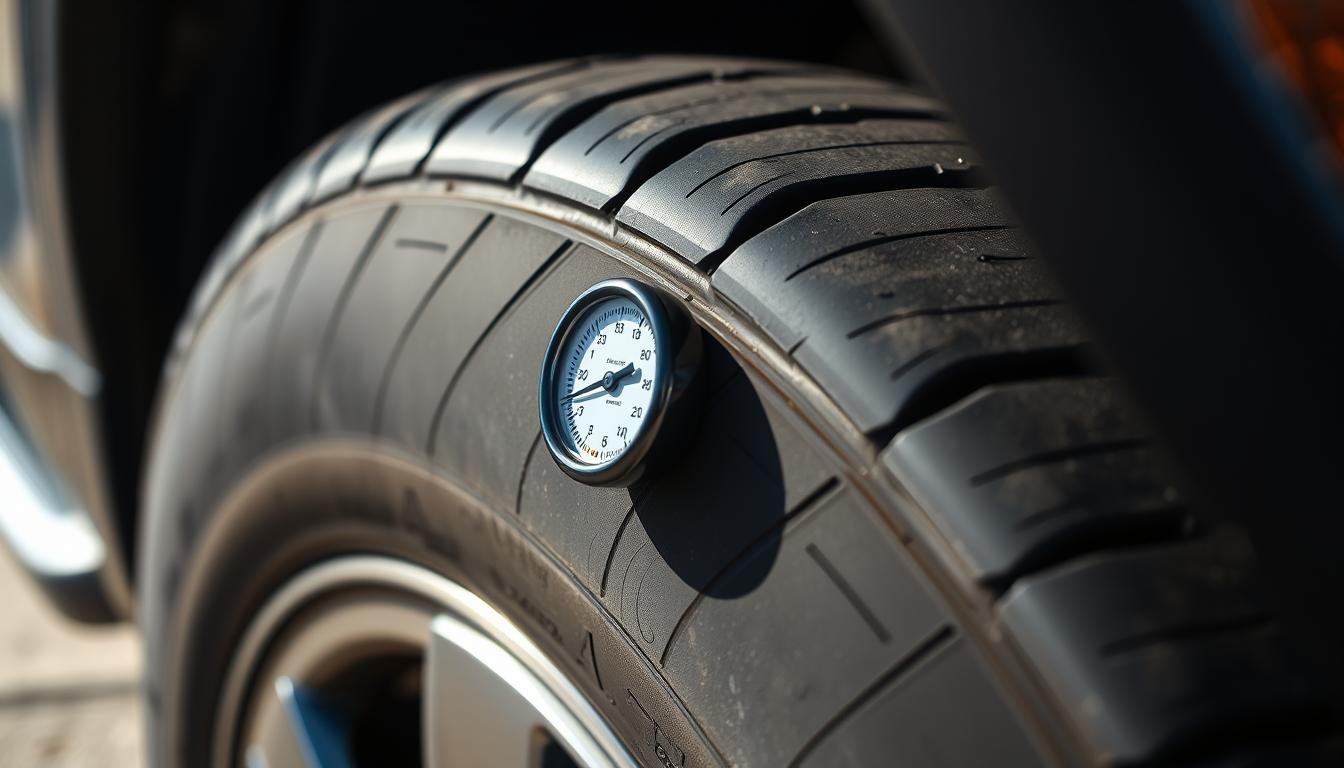
The tire pressure monitoring system in your Honda Pilot is very important. It tells you when to add or let out air to keep the right pressure.
Making sure your tires have the right amount of air is crucial. It’s not just about good driving but also about keeping everyone in the car safe.
Honda Pilot Tire Pressure Specifications
It’s important to know the right tire pressure for honda pilot. For most Honda Pilot models, the ideal pressure is 35 PSI (240 kPa) for both the front and back tires.
Keeping to this recommended honda pilot tire pressure boosts handling, fuel efficiency, and safety.
| Model Year | Tire Size | Recommended Tire Pressure (PSI) |
|---|---|---|
| 2016-2020 | 245/60R18 | 35 |
| 2021-2022 | 245/50R20 | 35 |
| 2023 | 245/50R20 | 35 |
Following these tire pressure specs is key to your Honda Pilot’s best performance. Make sure to regularly check and adjust the pressure. This helps avoid problems and guarantees a smooth ride.
Recommended Tire Pressure For Different Models
Keeping the right tire pressure in your Honda Pilot is key for safety and saving on gas. Each model has its own recommended pressure. It’s important to follow these guidelines.
2016-2020 Honda Pilot Tire Pressure
The 2016-2020 Honda Pilot should have its tires at 35 PSI. This pressure helps your car perform its best. It also keeps the tire pressure warning light off.
2021-2023 Honda Pilot Tire Pressure
For the 2021-2023 Honda Pilot, 35 PSI is still the recommended pressure. Checking your tires regularly with the honda pilot tire pressure sensor assures you’re at the right PSI. This keeps your ride smooth.
Optimal Tire Pressure For Honda Pilot
The best tire pressure for your Honda Pilot is 35 PSI. This level improves your car’s overall drive, making it more comfortable and fuel-efficient.
It also helps your tires last longer. A good tire pressure is key for better control and safety. You should check your tire pressure often.
It’s really important before long drives or when the weather changes. When it gets hotter or colder, tire pressure changes. This can affect how your car handles and tire life.
If your car starts to handle differently or make strange noises, resetting the tire pressure on your Honda Pilot can make sure it’s right.
| Condition | Recommended Pressure (PSI) |
|---|---|
| Normal Conditions | 35 |
| Cold Weather Adjustment | 33-34 |
| Heavy Load | 37 |
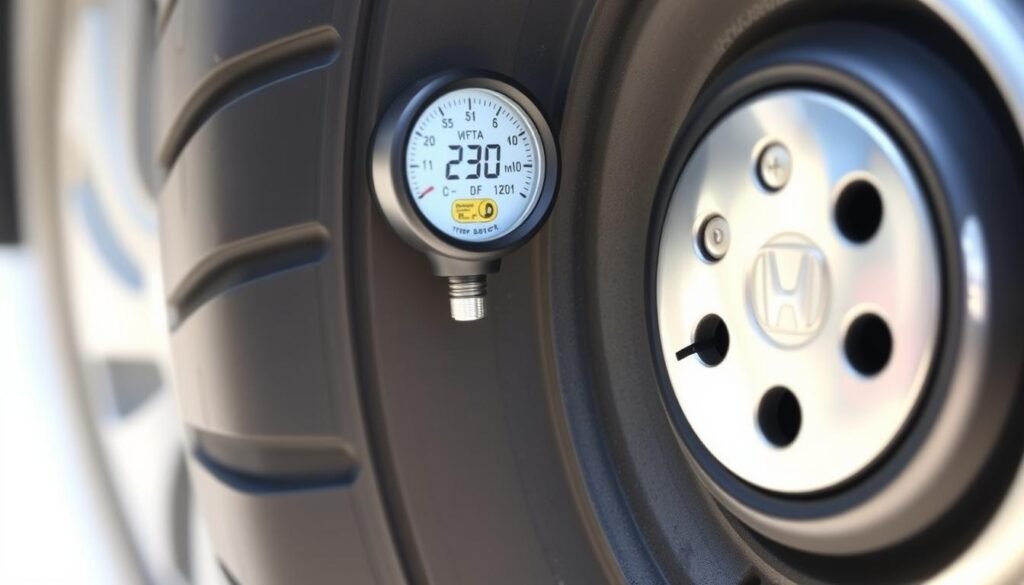
Keeping your Honda Pilot’s tire pressure at the right level is very important. It makes your car safer and run better. For specific details on taking care of your tires, check your car’s manual.
How To Check Honda Pilot Tire Pressure
Checking your Honda Pilot’s tire pressure is simple and should be done monthly or before long trips. It’s key to keeping your ride safe and fuel-efficient. Just follow these easy steps.
- Find the tire pressure details on the driver’s side door jamb or in your owner’s manual.
- Measure each tire’s pressure, including the spare, with a good quality gauge for precise readings.
- If the pressure is too low, use an air compressor to add air until it hits the right level.
- Too much pressure? Let out some air until you match the suggested amount.
- Remember, check the pressure when tires are cold for the most accurate results.
Using The Honda Pilot Tire Pressure Monitoring System
The Honda Pilot tire pressure monitoring system keeps an eye on your tire pressure while you drive.
It tells you if a tire has too little air by lighting up a warning on your dashboard. This alert helps you know your car’s condition on the go.
This system also has Tire Fill Assist. This part helps you add air to your tires just right, with sounds and lights as guides.
It makes sure your car performs well, uses fuel efficiently, and is safe to drive. But, it’s good to check your tires yourself too.
Don’t just rely on the Honda Pilot’s system for everything. Manual checks are key for safety, especially in harsh conditions or when there might be damage.
Using both the system and doing your own checks will make your drives safer and more fun.
Signs of Incorrect Honda Pilot Tire Pressure
Keeping the right tire pressure is key for your Honda Pilot. It affects how well it drives, stays safe, and lasts.
Knowing the signs of wrong tire pressure helps fix problems early. Here, we discuss issues from too little or too much air in tires.
Common Symptoms of Underinflation
Low tire pressure shows several warning signs:
- Decreased fuel efficiency due to increased rolling resistance.
- Increased tread wear primarily on the edges of the tire, leading to uneven wear.
- Poor steering response, which affects vehicle handling and safety.
Common Symptoms of Overinflation
High tire pressure also causes problems, such as:
- Increased tire wear at the center of the tire tread.
- Harsher ride quality and less traction on wet surfaces.
- Increased risk of tire blowouts due to excessive pressure.
Consequences of Improper Tire Pressure
It’s very important to keep the right tire pressure in your Honda Pilot. Not doing so can cause big problems.
These issues can mess with how well your car drives and how long it lasts. Having tire pressure that’s too low or too high wears out tires unevenly, making them need replacement sooner.
This is costly. Also, the wrong tire pressure makes your car use more gas. This means you’ll spend more money on fuel and your car won’t drive as well.
Bad tire pressure can lead to tires suddenly bursting. This is dangerous for you and everyone around you.
That’s why checking your tire pressure regularly is key. The Honda Pilot has a tire pressure monitor to help with this, making it easier to fix any problems quickly.
In short, keeping an eye on tire pressure keeps your tires lasting longer, ensures your safety, and helps your car run better.
Maintaining Tire Health and Longevity
Keeping your Honda Pilot’s tires in top shape is vital for safe driving. By caring for your tires, you can make them last longer. Here are important steps to take.
Regular Tire Rotations
Rotate your tires between 5,000 to 8,000 miles. This evens out the wear and extends their life.
If not done, tires may need early replacement, affecting how your vehicle drives. Rotation helps tires stay healthy, ensuring a smooth ride and better gas mileage.
Visual Inspections for Damage
Checking your tires often is key. Watch for cracks, bulges, or objects in the tread. Doing this keeps your tire pressure right and spots dangers early. Fix any issues quickly to maintain your tires well.
Seasonal Considerations For Tire Pressure
As the year goes on, the temperature changes a lot. When it gets colder, tire pressure drops. For every 10-degree drop, it goes down by about 1 PSI.
That means in honda pilot tire pressure winter, you might need to adjust the pressure to keep driving smoothly.
It’s a good idea to add 2-4 PSI to your tires when it’s cold. This makes up for the pressure drop due to the cold.
But, when it gets warm, you might need to let out a bit of air. That’s because heat makes the air inside expand.
Knowing about seasonal tire pressure adjustments matters a lot for your Honda Pilot.
Always check and adjust your tire pressure with the changing seasons. This stops problems from tires being too soft or too hard.
Driver Tips For Adjusting Tire Pressure
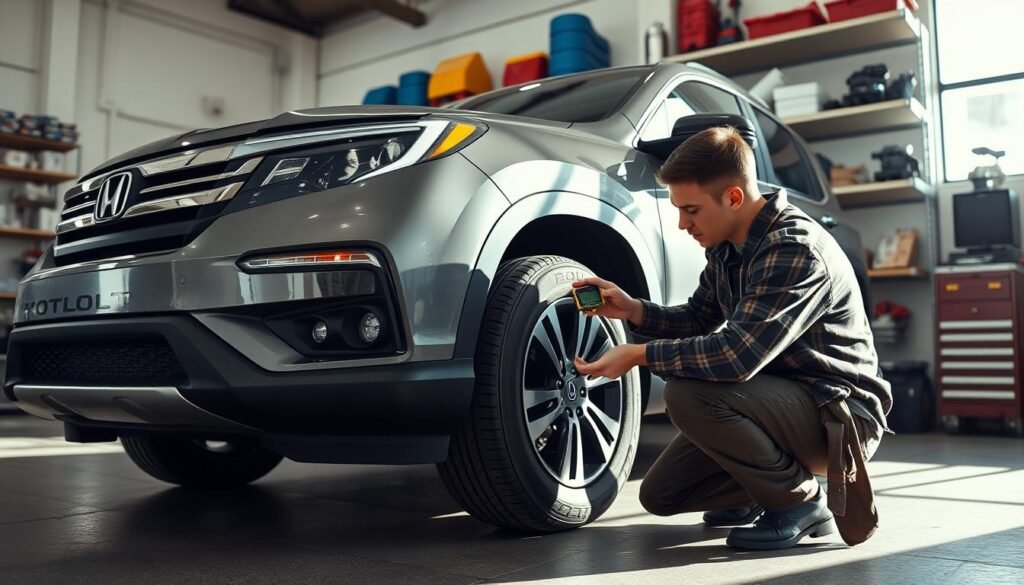
Adjust your Honda Pilot tire pressure with care for safety and top performance. Check the pressure when tires are cold for the best readings.
Use a trustworthy gauge for exact numbers, and an air pump to get the right pressure. Before carrying heavy loads, boost tire pressure as advised.
This step makes driving smoother by improving balance and control. These changes help tires last longer and save gas, giving you more confidence while driving.
Make it a habit to check your tire pressure often, like every month or before big trips.
This keeps you safe and extends your tires’ life. Good tire care is key to your Honda Pilot’s great performance.
Conclusion
Maintaining proper tire pressure is crucial for your Honda Pilot’s performance and safety.
Following the maintenance tips can make sure your vehicle runs well and your tires last longer.
Regularly checking and adjusting tire pressure helps avoid problems like uneven wear and poor fuel efficiency.
Knowing the Honda Pilot tire pressure guidelines is key to looking after your vehicle. Following these rules ensures a smooth and dependable drive.
Tire pressure changes with the seasons and how you drive, so it’s important to check your tires often.
To sum it up, keeping your tires properly inflated and following these maintenance tips will boost your Honda Pilot’s safety and longevity.
Stick with these practices, and your vehicle will continue to perform well for many years.
FAQs
Q: What is the recommended tire pressure for a Honda Pilot?
A: For most Honda Pilot models, you should keep the tire pressure at 35 PSI (240 kPa). Make sure to check your model year for any changes.
Q: How do I reset the tire pressure light on my Honda Pilot?
A: First, inflate all tires to the right pressure. Then, with the car on but not started, press the tire pressure reset button near the steering wheel. The light will go off after that.
Q: How often should I check my Honda Pilot’s tire pressure?
A: Check your tire pressure once a month and before long trips. This ensures your car performs well and stays safe.
Q: What could cause my Honda Pilot tire pressure warning light to come on?
A: The warning light usually means a tire is much too low on air. It could also be a tire pressure sensor issue or temperature changes affecting the tire.
Q: How can I best check my Honda Pilot’s tire pressure?
A: Find the tire pressure info on the driver’s door jamb. Then use a good pressure gauge on each tire. Inflate or deflate to correct pressure, checking when tires are cold.
Q: What are the effects of driving with underinflated tires on my Honda Pilot?
A: Underinflated tires decrease gas mileage, wear out tire tread unevenly, and worsen steering. They also raise the chance of tire blowouts, which is dangerous.
Q: Do temperature changes affect my Honda Pilot’s tire pressure?
A: Yes, for every 10-degree drop in temperature, tire pressure goes down 1 PSI. Adjust your tire pressure with the seasons to keep your car running right.