Why Is Honda Passport Years To Avoid? Essential 7 Info
Some Honda Passport models have had reliability issues over time. Despite Honda’s strong reputation for reliability, a few Passport models have shown issues.
This guide aims to inform you about the Passport years you should avoid, focusing on their common problems.
We will look at different model generations and identify the years to stay away from. We’ll discuss the issues these models face.
Our goal is to help you make a smart buying decision. By learning about these problems, you can avoid potential troubles.
Introduction To The Honda Passport
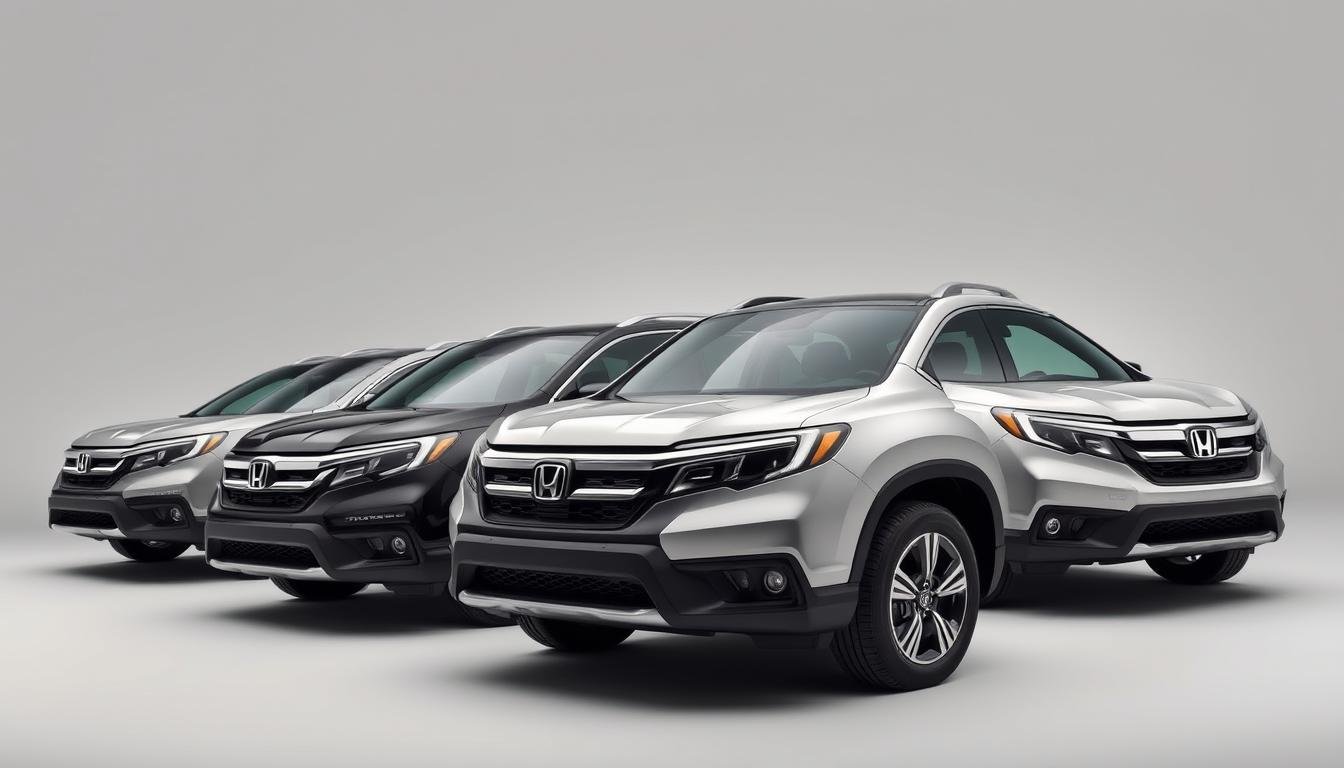
The Honda Passport first came out in 1994, making a splash in the SUV world. It was Honda’s debut SUV, mixing comfort with performance.
This made it popular among many drivers. The overview of the honda passport shows its importance in Honda’s vehicle lineup and how it has changed over time.
Until 2002, the original Passport was a hit for those wanting toughness and daily convenience.
When the honda passport came back in 2018, it had new features and tech for today’s buyers.
This change aimed to fix past issues and show Honda’s dedication to making dependable vehicles.
Looking into the honda passport’s history helps us understand its performance and trustworthiness.
Seeing how the car has evolved tells us what to expect in power and upkeep. The newest models have improved reliability without losing what makes Honda great. This makes them a solid choice for anyone looking to buy.
What is Model Generations?
The Honda Passport has been known for its toughness and versatility since it first came out.
It’s been through three key periods: from 1994 to 1997, another from 1998 to 2002, and the latest starting in 2018.
Each period of the honda passport shows changes in design that fit what SUV buyers want. The first batch was known for being strong and reliable.
Those looking for a simpler option might like these because they don’t have today’s tech. The next batch, though, added features and more space.
This made them great for families who needed the extra room and comfort. The latest Honda Passports are all about modern looks and new tech.
Knowing the differences between these generations helps figure out which ones are still reliable. And which ones meet your needs.
When you think about what each generation offers, it helps make choosing the right car easier.
First Generation Overview (1994-1997)
The Honda Passport first generation, made from 1994 to 1997, is known for its great reliability.
It has a solid body-on-frame design liked by off-road fans and those using it daily. This strong build means it’s very long-lasting, which made it a hit with SUV buyers then.
The first Honda Passport stands out with its performance specs:
| Model Year | Engine Type | Horsepower | Towing Capacity |
|---|---|---|---|
| 1994 | 3.2L V6 | 190 hp | 3,500 lbs |
| 1995 | 3.2L V6 | 190 hp | 3,500 lbs |
| 1996 | 3.2L V6 | 190 hp | 3,500 lbs |
| 1997 | 3.2L V6 | 190 hp | 3,500 lbs |
Although the first generation is very reliable, older models can show wear and tear. This includes issues with the suspension and drivetrain.
Regular check-ups are key to keeping the car true to its original robust nature. In summary, this era’s Honda Passport mixes strength and practicality in a standout way for mid-size SUVs.
Second Generation Overview (1998-2002)
The Honda Passport second generation, spanning from 1998 to 2002, saw its fair share of issues. The most complaints came in this period, especially about reliability.
Owners often reported trouble with transmission failures. This greatly affects how the car runs and its overall life. The problem of rusting frames also stood out.
It not only hurts how the car looks but can also weaken its structure, risking safety. Moreover, people have revealed a variety of honda passport common problems.
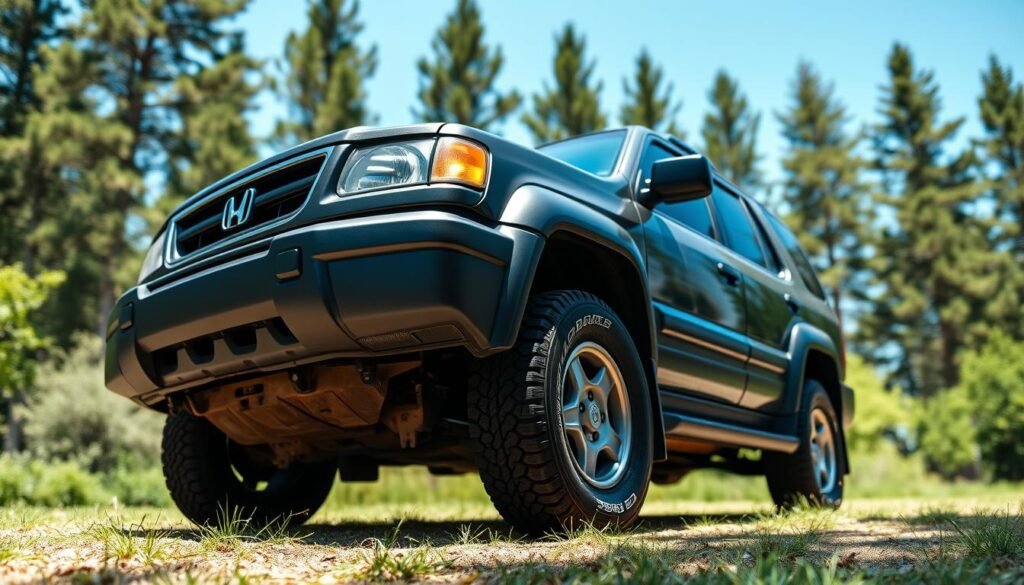
If you’re thinking about buying a used Honda Passport from this era, be careful. These major problems have led to many complaints, making it a gamble.
Knowing the honda passport complaints from these years is key. It helps you make smarter choices when looking for cars from this time.
| Model Year | Common Problems | Owner Complaints |
|---|---|---|
| 1998 | Transmission failures | High volume of transmission issues reported |
| 1999 | Rusting frame | Concerns about structural integrity |
| 2000 | Electrical problems | Issues with faulty wiring |
| 2001 | Cooling system failures | Complaints about overheating |
| 2002 | Brake problems | Frequent brake-related issues reported |
Why Is Honda Passport Years To Avoid?
The Honda Passport has seen tough times in some model years. Some years have more problems than others.
Knowing which years to avoid can keep you from facing big repair bills and safety worries. This guide will tell you which models to steer clear of.
1998 Model Issues
The 1998 Honda Passport has big problems with its transmission and rust on the frame. These issues often lead to expensive repairs. That’s why the 1998 model is one to avoid.
1999 Model Concerns
1999 was another rough year for the Passport. This time, a lot of transmission failures were reported.
The National Highway Traffic Safety Administration (NHTSA) also found brake issues. This makes the 1999 model another one to watch out for.
2001 Model Problems
The 2001 Honda Passport received the most complaints. It’s known as the worst model year, with severe frame problems.
These issues can make the car hard to control. Buyers should be very cautious with the 2001 Passport.
Common Issues in The Honda Passport
The Honda Passport faces various honda passport common issues over different model years. Specifically, the second generation is known for having a lot of problems.
One major issue includes honda passport transmission problems, which many owners have encountered.
These problems can lead to expensive repairs or the need to replace the transmission, impacting the overall driving experience.
Brake system issues have also been a frequent concern. Some people find the brake performance unreliable.
This has caused honda passport reliability concerns. Owners worry about the effectiveness and durability of their brakes, important for safe driving.
Rusting frames are another significant problem, especially in places that use road salt in winter.
This rusting can make other mechanical issues worse, increasing repair costs. It makes owning a Honda Passport challenging.
Knowing these issues helps in making a smart choice if you’re considering buying a Honda Passport.
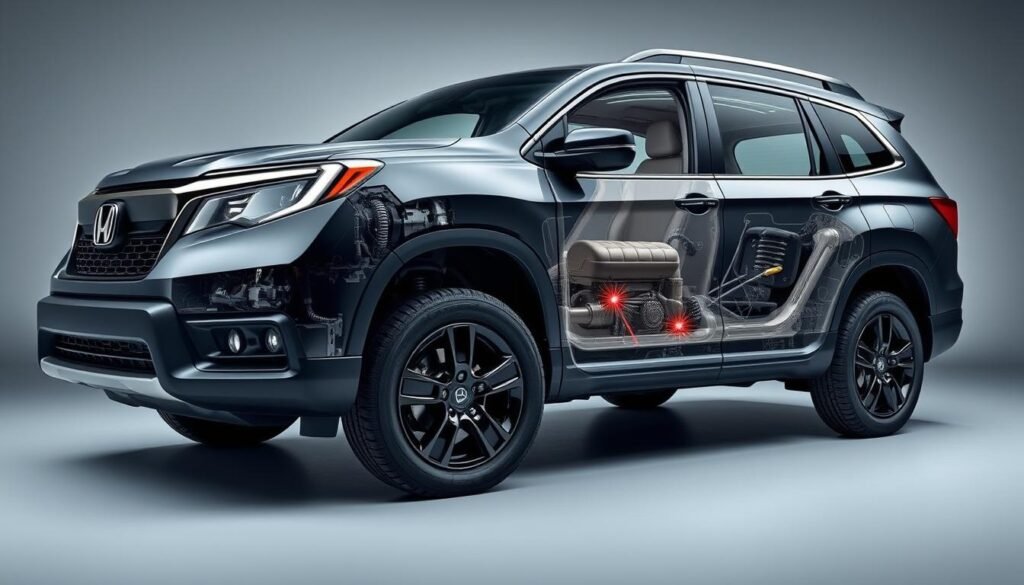
Buyer Beware: Key Red Flags
When shopping for a Honda Passport, watch out for warning signs. These signs could mean future expensive fixes. Checking the car’s frame for rust or damage is crucial.
It shows if the car was in a major accident before. If the car feels unstable while driving, it might have alignment or suspension problems.
Don’t overlook the transmission’s behavior. If the car hesitates or slips when changing gears, repairs could be costly. It’s important to get a detailed history report of the car.
This report tells you about past maintenance, accidents, or ongoing problems. Such information is key in deciding to buy a Honda Passport.
Learn key tips for inspecting a Honda Passport as well. Make sure you check how much fluid the car has and listen for odd noises upon starting it.
Ensure the electronics work and pay attention to the engine’s behavior when you speed up or slow down. These checks are vital for a smart purchase.
Reliability Ratings and Customer Feedback
The Honda Passport gets different reliability ratings from year to year. Places like Consumer Reports and J.D.
Power give insights based on feedback from thousands of car owners. This data shows that some years are better than others. It can help you decide which Passport to buy.
Particularly, the honda passport reliability ratings often point out certain years as more reliable. This info helps you choose the right used Passport to buy.
Reading customer reviews honda passport is crucial. They show real problems users face.
These reviews share everything from how comfortable the car is to issues like breakdowns or electrical problems. With this info, you can pick the best year for your needs.
| Model Year | Reliability Rating | Common Issues Reported |
|---|---|---|
| 1999 | 3/5 | Transmission problems |
| 2010 | 4/5 | Fuel efficiency issues |
| 2020 | 5/5 | Overall performance praised |
We aim to show a clear picture of the Honda Passport’s reliability. It’s good to look at both stats and honda passport user feedback.
This way, you get a full view of the car’s pros and cons from real drivers.
Identifying Safe Options and Recommended Models
When looking for a Honda Passport, it’s crucial to pick models known for being safe and satisfying customers.
The 2019 Honda Passport is praised for its upgraded performance and features. These appeal to today’s drivers.
It offers a roomy inside and top safety features, making it a top pick. When checking out Honda Passport models, focus on a few important things.
Look at reliability scores, what owners say, and safety features. These factors help figure out which cars give you confidence while driving.
By looking into these, you can find models that match what you’re looking for.
| Model Year | Safety Ratings | User Feedback | Key Features |
|---|---|---|---|
| 2019 | 5-Star | Highly Positive | Adaptive Cruise Control, Blind Spot Monitoring |
| 2020 | 5-Star | Very Positive | All-Wheel Drive, Spacious Cargo Area |
| 2021 | 5-Star | Positive | Advanced Tech Integration, Comfortable Seating |
It’s also key to look at customer reviews and detailed reports. Joining online communities and forums can give you insights from people who own these cars.
This helps you understand which models are reliable. Making a well-informed choice on the Honda Passport means picking a car that fits your life and keeps you safe.
Avoiding Lemon Honda Passports
Buying a Honda Passport can be tough, especially if you want to steer clear of a lemon. A lemon is a car with serious problems that affect its use, value, or safety.
It’s crucial to know what makes a car a lemon to make smart choices and protect your money. Start with deep research before buying.
Look into the model year of the Honda Passport you like. Find out what issues it might have. Review what other buyers have said and check service histories.
This knowledge helps you avoid common problems. Talking clearly with sellers is key. Ask about the car’s past, its upkeep, and any fixes it’s had.
Also, ask for warranty info. A trustworthy seller will be open about these things. If your Honda Passport keeps having problems, learn about lemon laws for Honda Passports.
These laws might let you return the car for a refund or a new one if it qualifies. Keep a good record of all repairs. This will strengthen your case if you need to use the lemon law.
| Key Steps to Avoid a Lemon Honda Passport | Description |
|---|---|
| Research | Investigate the model’s reputation and common issues. |
| Ask Questions | Engage with sellers for detailed vehicle history and maintenance records. |
| Request Documentation | Ensure warranty and repair documents are available for review. |
| Keep Records | Document all repairs and communications regarding the vehicle. |
| Know Your Rights | Understand lemon laws applicable in your state for potential recourse. |
Regular Maintenance and Care Tips
Taking good care of your Honda Passport greatly increases its life and reliability. Regular checks and fixes can help avoid sudden repairs and keep your car running smoothly.
Use this honda passport maintenance tips guide to keep your car in excellent shape.
- Perform routine oil changes every 5,000 to 7,500 miles, depending on your driving habits. Fresh oil reduces engine wear and maintains efficiency.
- Check and replace air filters periodically. A clean air filter improves fuel efficiency and engine performance.
- Inspect and rotate the tires every 6,000 to 8,000 miles to promote even wear and maintain traction.
- Fluids should be regularly checked and topped off. This includes engine coolant, brake fluid, transmission fluid, and power steering fluid.
- Examine the brakes periodically. Replace brake pads if you notice squeaking or reduced responsiveness.
- Keep an eye on the battery and terminals for corrosion and ensure a secure connection.
Focus on a regular check-up schedule, aiming for at least once or twice a year based on your driving. Catching issues early can save you from expensive fixes later.
By sticking to these honda passport upkeep steps, your rides will be smoother and your car will last longer.
Make taking care of your Honda Passport a top priority to avoid any hitches on your journeys.
Conclusion
Knowing which Honda Passport years to avoid is crucial when buying. This guide points out the 1998, 1999, and 2001 models due to their issues.
By avoiding these, you can dodge many potential problems and expenses on your search for a good used SUV.
When deciding, think about reliability and what other owners have said. This advice is part of the Honda Passport buying guide.
It shows how vital careful research is before you buy. Checking the common problems and best models helps you find a reliable car that fits your life.
Your final thoughts on the Honda Passport should come from careful thought about everything discussed here.
With the right knowledge, you can confidently look for a used SUV. You’ll make a wise choice for your budget and peace of mind.
FAQs
Q: Which Honda Passport years should I avoid due to reliability concerns?
A: Avoid the 1998, 1999, and 2001 models of the Honda Passport. They have serious issues like transmission failures and rust. These problems affect the car’s reliability a lot.
Q: What common problems are reported in the Honda Passport?
A: The Honda Passport often faces transmission and brake system problems. The second generation (1998-2002) also has a lot of rusting frames.
Q: How can I identify a problematic Honda Passport before buying?
A: Check the frame’s condition and test the transmission when driving. Always look into the car’s history for any reported issues before buying it.
Q: Are there any model years of the Honda Passport that are considered reliable?
A: Yes, the Honda Passport models from 2019 onwards are more reliable. They have gotten good reviews for being dependable.
Q: What are the criteria for classifying a vehicle as a “lemon”?
A: A car is called a lemon if it has big defects that affect its safety or value. If it’s not fixed after several tries, it’s a lemon.
Q: What should I look for in reliability ratings for the Honda Passport?
A: Look at ratings and feedback from Consumer Reports and J.D. Power. They help spot any reliability issues across different years.
Q: How can regular maintenance improve the reliability of my Honda Passport?
A: Sticking to a regular maintenance schedule helps keep your Honda Passport reliable. Checking fluids and doing routine inspections are key.