Honda Crv Maintenance Schedule Inspire Essential 7 Guide
Keeping up with your Honda CR-V’s maintenance schedule is key to its best performance.
This guide will show you how to keep your car working well, safely, and cost-effectively. We’ll cover the crucial services and best times for regular check-ups.
Knowing the schedule means knowing when it’s time for oil changes, tire rotations, and brake checks.
These steps don’t just keep your car running smoothly; they also extend its life. By sticking to these suggested times, you catch small problems before they become big, expensive ones.
This article will also explain how driving conditions affect your maintenance schedule. Remember, taking care of your Honda CR-V is about more than just its engine.
It’s about keeping you and everyone else in the car safe. Now, let’s get into the specifics of taking care of your Honda CR-V!
Introduction To Honda CR-V Maintenance
Keeping up with maintenance on your Honda CR-V is key to its performance and long life.
When you follow the honda crv maintenance schedule from the manufacturer, you ensure every part of your car is cared for.
Realizing how crucial car upkeep is means understanding that regular check-ups spot issues early, saving you money.
Each Honda CR-V is designed for specific upkeep tasks, improving safety and driving smoothly.
Sticking to recommended honda crv care boosts your vehicle’s dependability. This way, your car will stay in top shape for many years.
Why A Maintenance Schedule is Essential?
A well-defined maintenance schedule is crucial for your Honda CR-V’s reliability. It lays the groundwork for optimal vehicle performance.
Regular maintenance not only ensures safety but also offers a better driving experience.
Following a maintenance schedule identifies small problems before they become big ones. It boosts fuel efficiency and lowers the cost of future repairs.
Keeping up with scheduled care increases your Honda CR-V‘s longevity, making it a smart choice for maintenance.
Routine maintenance keeps the resale value of your car high. This gives you a competitive edge if you decide to sell.
With consistent checks and services, rely on your Honda CR-V for many years without worry.

What is The Honda CR-V Maintenance Schedule?
For your Honda CR-V to run smoothly, follow a detailed maintenance schedule. Knowing when services are due is key. This way, your car stays efficient and lasts longer.
Overview of Maintenance Intervals
Maintenance times change based on how you drive. Recognizing when checks are needed keeps your car in top shape. You might need to do the following:
- Oil changes approximately every 7,500 miles
- Transmission fluid replacement every 30,000 to 60,000 miles
- Brake fluid check every 3 years
- Replacement of engine air filter every 15,000 miles
Severe vs. Normal Driving Conditions
Knowing the difference between normal and severe driving helps plan your car care. Ordinary driving is mostly highway use without heavy loads.
Severe conditions involve short trips, lots of stop-and-go, or harsh weather. Under tough conditions, you might need checks more often:
| Condition Type | Recommended Service Frequency |
|---|---|
| Normal Conditions | Every 7,500 miles |
| Severe Conditions | Every 5,000 miles |
Knowing your driving habits helps match your maintenance to the Honda CR-V service intervals. This keeps your car in great shape.

Honda CR-V Service Intervals Explained
Keeping up with your Honda CR-V’s service intervals is key to its longevity and performance.
We’ll cover the important service milestones, including when to change oil and rotate tires.
Adhering to a proper honda crv maintenance checklist keeps your vehicle in top shape.
Key Mileage Milestones
| Mileage | Service Required |
|---|---|
| 7,500 miles | Oil change, tire rotation, fluid checks |
| 15,000 miles | Oil change, tire rotation, air filter replacement |
| 30,000 miles | Oil change, tire rotation, coolant replacement |
| 60,000 miles | Oil change, tire rotation, brake fluid change |
Frequency of Oil Changes and Tire Rotations
The health of your engine greatly depends on changing the oil regularly. It’s advised to change the oil every 7,500 miles for normal driving.
If you often take short trips or drive in extreme temperatures, changing it more often can help. Try to rotate your tires every 7,500 miles as well, matching it with oil changes.
This practice prevents uneven tire wear and extends your Honda CR-V’s performance and lifespan.

Detailed Honda CR-V Maintenance Checklist
The Honda CR-V maintenance checklist is key to keeping your car running smoothly. It ensures your vehicle remains reliable and lasts longer.
This guide covers the needed routine checks and when to replace parts in your CR-V. By following these steps, you’ll take good care of your car’s health.
Routine Services and Inspections
Regular checks are vital for your Honda CR-V’s performance. Here’s what to include in your maintenance plan:
- Check engine oil levels and quality every 5,000 miles.
- Inspect air filters every 15,000 miles and replace if necessary.
- Evaluate tire condition and pressure monthly.
- Examine brake pads and rotors every 20,000 miles.
- Monitor coolant levels and inspect hoses periodically.
Common Parts Replacement at Specific Intervals
Knowing when to replace parts helps avoid sudden car troubles. Follow these mileage markers to replace key components:
| Part | Replacement Interval |
|---|---|
| Air Filter | Every 15,000 miles |
| Oil Filter | Every oil change (5,000 miles) |
| Spark Plugs | Every 30,000 miles |
| Brake Pads | Every 20,000 to 50,000 miles, based on driving conditions |
| Battery | Every 3 to 5 years |
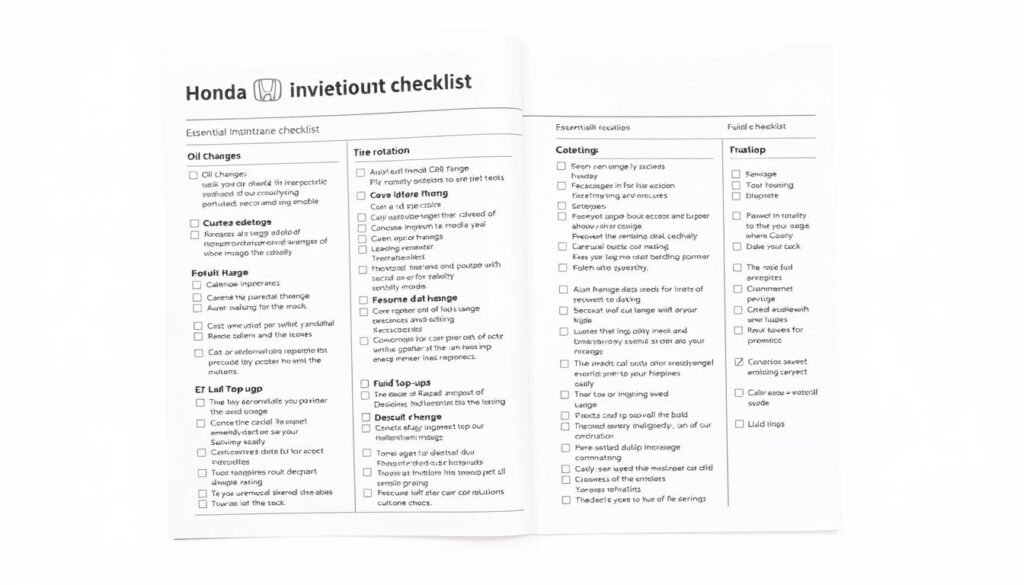
Following this honda crv maintenance checklist can catch issues early. Regular checks and replacing parts as needed keeps your car running smoothly.
Use this checklist to ensure your Honda CR-V stays in great shape.
How To Schedule Maintenance For Honda CR-V?
Keeping your Honda CR-V in top shape requires a good maintenance plan. Start by making a calendar for upkeep.
It should list all needed services and when they’re due. This way, it’s easier to see what needs to be done next. You’ll also know when to follow your owner’s manual for service times.
Use your smartphone or personal calendar to keep track of services. Put in alerts for oil changes, tire rotations, and checks.
These reminders help you keep up with your car’s needs. This way, you won’t forget important maintenance work.
Keeping track of your car’s service history is important. Write down every service, including the date and what was done.
This record makes it easier to plan future services. It also helps mechanics understand your car’s past.
Such records are key for clear talks with service people and fixing any problems. Talking to your local Honda dealer or a mechanic you trust is a smart move.
Many dealerships send out reminders based on your car’s service history. This helps you follow the advised maintenance schedule.
Using these methods to plan your Honda CR-V’s maintenance will keep it running smoothly. This protects your investment and makes driving better.
Recommended Maintenance For Honda CR-V
Keeping your Honda CR-V well-maintained assures a smooth ride and longer life. It’s key to use genuine Honda parts and fluids.
They’re made to meet your car’s performance needs. Making sure to do regular maintenance keeps your CR-V running great.
Using Genuine Honda Parts and Fluids
Genuine Honda parts perfectly replace your car’s original parts. They’re designed to fit your CR-V just right, ensuring the best performance.
Using Honda-approved fluids for oil changes keeps your engine healthy and extends your car’s life. This avoids problems that non-Honda parts and fluids might cause.
Choosing Qualified Service Facilities
It’s crucial to choose the right service place for your CR-V. Go for Honda-certified shops or mechanics skilled in handling Hondas.
They use genuine Honda parts and know all about your CR-V’s maintenance needs. Their knowledge helps fix any issues correctly so your car runs smoothly.
Learning Honda CR-V Maintenance Costs
Knowing the potential Honda CR-V maintenance cost is key for smart budgeting. It helps you plan for necessary services, like oil changes and major repairs.
Also, knowing what affects service costs lets you make wise choices for your car’s care.
Typical Cost Breakdown by Service
Different services add up to the total maintenance cost of a Honda CR-V. Here’s a quick overview of common services and their estimated costs:
| Service | Estimated Cost |
|---|---|
| Oil Change | $40 – $75 |
| Tire Rotation | $20 – $50 |
| Brake Pad Replacement | $150 – $300 |
| Battery Replacement | $100 – $200 |
| Transmission Fluid Change | $100 – $200 |
Factors Influencing Maintenance Costs
Several key factors can change the cost of servicing your Honda CR-V. These include:
- Location: Labor and parts costs can differ greatly by area.
- Service Facility: Dealerships often have higher prices than independent mechanics.
- Vehicle Age: Older cars might need more care, raising the expense.
- Driving Habits: Rough driving can wear parts faster, increasing costs.
Top Honda CR-V Maintenance Tips
To keep your Honda CR-V running smoothly, follow some key maintenance tips. First, always check fluids like engine oil, coolant, brake, and transmission fluid.
Regular checks can avoid big repairs and improve your drive. Keeping tires properly inflated is also crucial.
If tires are under-inflated, you’ll use more fuel and handling might suffer. Make it a habit to check tire pressure and tread depth.
This ensures your car performs well and stays safe. Having a maintenance log is very helpful. It tracks the service history of your CR-V.
Note down oil changes, tire rotations, and big repairs. This helps you stay on top of maintenance needs and act quickly when needed.
Routine inspections should be part of your car’s care routine. Regular check-ups help find small problems before they get big.
Look into brakes, belts, or battery health early. This approach saves time and money.
Honda CR-V Maintenance Costs: What To Expect?
Knowing how much you’ll spend on your Honda CR-V’s upkeep is vital. As an owner, you’ll face various costs for maintenance and repairs.
Typically, expect to pay between $400 and $700 a year. This includes driving habits and where you get services.
Costs for different maintenance tasks vary. Regular jobs, like changing oil, replacing brake pads, and rotating tires come with set fees.
More complex fixes, like engine or transmission repairs, can cost a lot more. Here’s a look at some common services and what they may cost you:
| Service Type | Average Cost |
|---|---|
| Oil Change | $50 – $100 |
| Tire Rotation | $20 – $50 |
| Brake Pad Replacement | $150 – $300 |
| Transmission Fluid Change | $150 – $200 |
| Major Engine Repairs | $1,500 – $3,000 |
Remember, your driving habits affect your maintenance costs. Facing heavy traffic or bad weather raises your expenses. Planning for these costs will help you manage your budget better.
Conclusion
Summarizing Honda CR-V maintenance: staying on top of a regular service schedule is key. It ensures your car works great and lasts longer.
Regular check-ups are essential, not just advice. They keep your CR-V safe and in prime condition. Never undersell the value of routine care.
It stops expensive fixes and makes driving better. By keeping up with services, you make sure your car stays dependable. Plus, it’ll be worth more if you sell it and use less gas.
Putting effort and funds into routine maintenance means smarter, eco-friendly car use.
This plan boosts performance and gives you peace of mind. With this, your Honda CR-V will stay excellent for many years.
FAQs
Q: How do I find the specific Honda CR-V maintenance schedule for my model?
A: You can look at your owner’s manual for your Honda CR-V’s maintenance schedule. It has all you need for your model year. You can also visit the Honda website or talk to your local dealership for more info.
Q: What are the primary Honda CR-V service intervals I should be aware of?
A: Important Honda CR-V service intervals happen at 7,500, 15,000, and 30,000 miles. These milestones include crucial services. They cover oil changes, checking fluids, and rotating tires to keep the car running well.
Q: Why is it important to adhere to the Honda CR-V maintenance checklist?
A: It’s key to follow the Honda CR-V maintenance checklist. It lets you do routine checks, like seeing if the brakes and fluids are okay. Checking early can help avoid big repairs later and keeps your car working smoothly.
Q: What should I do if I have a busy schedule and can’t keep track of my Honda CR-V maintenance?
A: If you’re really busy, make a maintenance calendar for your car. Dealerships offer reminders and tracking your service history also helps. This way, you won’t miss any important service dates.
Q: What are the benefits of using Genuine Honda parts for my CR-V maintenance?
A: Using Genuine Honda parts means your car gets parts made just for it, which is better for its health and longevity. It’s best to have these parts put in by professionals for the best results.
Q: How can I estimate the maintenance costs for my Honda CR-V?
A: To figure out maintenance costs for your Honda CR-V, start by looking at prices for common services like oil changes. Remember, costs can change based on how you drive and where you get services done.
Q: What are some top maintenance tips to prolong the life of my Honda CR-V?
A: For a longer-lasting Honda CR-V, check your fluids often, keep your tires at the right pressure, and log your maintenance. Doing these things can really help your car’s performance and life.
Q: How can I determine if I am driving under normal or severe conditions for maintenance purposes?
A: Look at how you drive to see if it’s under normal or severe conditions. Short trips, lots of stop-and-go, or extreme weather mean you’re in severe conditions. This means you’ll need maintenance more often than in normal, more consistent driving situations.