How To Solve Honda Brake System Problem: Exclusive 9 Causes & Fixes
Honda brake system issues can lead to big safety risks if ignored. It’s key to know the symptoms and causes of Honda brake problems.
This includes weird noises and dashboard warnings. Knowing these signs and how to fix brake issues is crucial for your safety and your car’s performance.
This guide will cover why brake systems fail, how to troubleshoot, and when to fix it yourself or get help.
Keeping your brakes working well improves your drive and keeps your Honda going longer. Let’s start on keeping your ride safe and dependable.
What is The Honda Brake System?
The Honda brake system is key for safe stops and top performance. Knowing the parts is crucial for any owner.
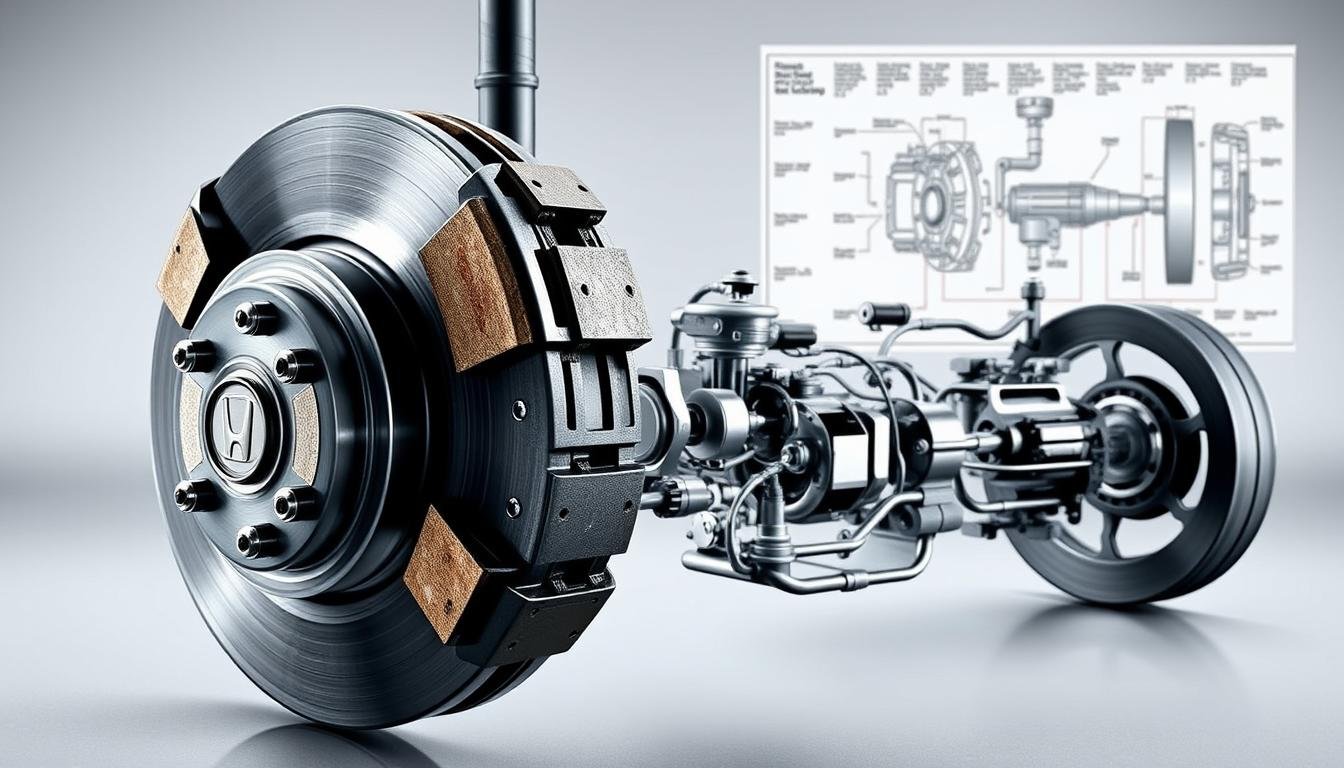
The big pieces are the master cylinder, brake pads, calipers, and brake fluid. The master cylinder is super important for making hydraulic pressure needed for braking.
When you hit the brake pedal, it makes the master cylinder send brake fluid through the lines.
This pressure reaches the brake calipers, they squeeze the brake pads, and your car slows down.
Brake pads are made to handle heat and help stop your car reliably. Keep an eye on them, because old pads hurt your brake system’s power.
Brake fluid connects everything, carrying the force needed to stop. Keeping the fluid in good shape is a must for the best brake power.
Knowing how your Honda’s brakes work helps you spot problems early. Knowing the interplay of its parts aids in keeping you safe while driving.
Common Honda Brake System Problems
Keeping your Honda’s brakes in top shape is key to staying safe on the road. It’s important to know the common signs of brake trouble. Catching these signs early can make a big difference.
Signs of Brake Issues
If you hear squeaking or notice your brake pedal feels spongy, pay attention. These could point to problems like air in the lines or worn pads.
Also, if your car takes longer to stop, your brakes might not be working right. Spotting these issues early can help avoid big repair bills later.
Typical Symptoms of Brake Failure
Warnings lights on your dashboard or strange vibrations can signal brake problems. These signs shouldn’t be ignored as they could mean your brakes are failing.
Feeling a pulsing sensation when you brake can also mean trouble. It’s important to get these symptoms checked out quickly to prevent serious issues.
| Sign/Symptom | Description |
|---|---|
| Squeaking Brakes | Indicates worn brake pads or debris in the brake system. |
| Spongy Brake Pedal | Often results from air in the brake line or low fluid levels. |
| Longer Stopping Distances | Signals potential brake wear or malfunction. |
| Dashboard Warning Lights | Illuminates due to various brake system issues. |
| Unusual Vibrations | Can indicate warped rotors or braking system imbalance. |
Honda Brake System Problem: Causes & Fixes
Learning why honda brake systems fail helps you deal with brake issues before they get worse.
Problems often come from two main areas: electrical and mechanical failures. Focusing on these can keep your brakes working well.
Electrical Issues Leading To Brake Problems
Electrical issues can cause many brake problems, like bad sensors and wiring problems.
These can mess up how your brakes work, so it’s important to check electrical parts often. You might notice brake lights not working or the ABS warning lights acting strange.
- Inspect brake light switches
- Check wiring harnesses for damage
- Test the functionality of sensors
Mechanical Failures Affecting Brake Performance
Mechanical problems are big when it comes to brakes. Old brake pads, damaged rotors, and brake line issues can make braking less effective. Spotting these problems early can stop bigger dangers.
- Monitor pad thickness regularly
- Examine rotors for warping or cracks
- Inspect brake lines for leaks
By looking into both electrical and mechanical issues, you learn lots about keeping your brakes sharp and ready.
Identifying Honda Brake Issues
Spotting brake problems early can greatly affect your car’s safety and how well it drives. A detailed check of your Honda’s brakes helps you find issues before they get worse.
It’s important to start with looking closely at your brakes, as this is key to spotting problems.
Here are some key areas to focus on during your inspection:
- Brake Pads: Check for excessive wear. If they appear thin or have cracks, replacement is necessary.
- Brake Fluid: Look for leaks around brake lines and hoses, as a decrease in fluid indicates a problem.
- Disc Rotors: Inspect for grooves or warping, which can affect braking efficiency.
- Calipers: Ensure they are functioning smoothly and do not stick or bind.
Along with looking, listen for odd sounds while driving. Grinding or squealing often mean the brake parts are worn.
A full check of your Honda’s brake system lets you keep your brakes in good shape. This prevents larger problems later on.
Honda Brake System Warning Signs To Look For
Your vehicle’s brakes are key to your safety on the road. Knowing the signs of brake problems is critical to avoid failures.
Look out for dashboard lights or strange noises from your brakes to spot issues early.
Dashboard Warning Lights
Dashboard lights are your first hint that something might be wrong with your brakes. Each light has a meaning, helping you decide when to get checks or repairs.
Here’s what some key lights mean:
| Indicator Light | Significance |
|---|---|
| Red Brake Light | Indicates a serious issue, such as low brake fluid or a problem with the brake system. Immediate attention is required. |
| ABS Light | Signals a malfunction in the Anti-lock Braking System. While standard brakes may still function, ABS features may be disabled. |
| Brake Fluid Level Light | Alerts you that brake fluid is low, which may lead to reduced braking performance if not addressed. |
Unusual Noises While Braking
Listening to your brakes can tell you a lot about their health. Certain sounds can point to the need for urgent repairs. Keep an ear out for these:
- Squeaking: Often indicates worn brake pads that may need replacement.
- Grinding: Suggests that brake pads may have worn down completely, which can cause damage to rotors.
- Thumping: May be due to a loose caliper or damaged components within the braking system.
How To Troubleshoot Honda Brake System Problems
Knowing how to tackle Honda brake system issues is key to keeping your car safe and running smoothly. Following a step-by-step approach helps catch problems early.
This saves money on repairs and keeps your car performing well. A good troubleshooting guide points you in the right direction, making sure you accurately check your brake parts.
Step-by-Step Brake Troubleshooting Guide
- Inspect Brake Fluid Level: Check for adequate brake fluid level in the reservoir. Low fluid can indicate leaks or wear.
- Examine Brake Pads and Rotors: Visually assess the condition of brake pads and rotors for wear or damage.
- Listen for Unusual Noises: Pay attention to any grinding or screeching sounds while braking. These sounds often signify that brake parts need replacement.
- Check for Dashboard Warnings: Monitor warning lights related to brake issues on your dashboard, as they provide critical information about system malfunctions.
- Test Brake Pedal Response: Press the brake pedal to ensure it feels firm and responsive. A spongy or sinking pedal can indicate air in the line or other system failures.
Using Diagnostic Tools For Brake Issues
Having the right tools can really help understand what’s wrong with your brakes. An OBD-II scanner, for example, gives trouble codes that tell you about problems.
Get to know these tools:
- OBD-II Scanner: This device reads diagnostic trouble codes, assisting you in pinpointing issues related to the Honda brake system.
- Brake Pad Thickness Gauge: Use this tool to measure the remaining thickness of brake pads to determine their condition clearly.
- Brake Fluid Tester: This tool helps assess the moisture content in the brake fluid, ensuring it meets safety standards.

Fixing Common Honda Brake System Problems
Having trouble with your Honda’s brakes? Knowing your options helps you choose between fixing it yourself or getting professional help.
While you can fix many brake problems on your own, some require a skilled mechanic. Understand how serious the problem is to make the best choice.
DIY Repairs vs. Professional Services
Fixing your brakes yourself can save money and teach you about your car. Simple things like changing brake pads or fluid can be easy if you know a bit about cars.
Yet, harder issues, like problems with the hydraulics or electrical system, are safer to leave for experts.
- Pros of DIY Repairs
- Cost savings on labor fees.
- Increased knowledge about your vehicle.
- Flexibility to work at your own pace.
- Cons of DIY Repairs
- Potential for errors that could worsen the issue.
- Need for specialized tools and equipment.
- Limited experience might affect safety.
Thinking about a professional brake service? Consider the benefits of their expertise and repair warranties.
Trained mechanics can spot and solve complex brake problems safely, ensuring your car runs smoothly.
When To Consult A Mechanic
Here are signs it’s time to see a mechanic for your Honda:
- Persistent brake warning lights on the dashboard.
- Unexplained vibrations or strange sounds while braking.
- Brake fluid leaks or if it’s running low.
- Brakes not working as well as they used to.
Taking care of these signs quickly can stop bigger problems and keep you safer on the road. It’s important to know when to get professional help for your Honda’s brakes.
Dealing with Honda Brake System Failure
When your brakes suddenly fail, it’s a scary situation that can be dangerous. It’s very important to know how to handle this to keep yourself and others safe on the road.
We will discuss what to do right away if your brakes fail and how to prevent it from happening again.
Immediate Actions To Take
Here’s what to do if your Honda’s brakes stop working:
- Keep calm and hold the steering wheel tightly.
- Slowly lessen your speed by backing off the gas. Don’t brake sharply.
- For manual cars, shift down to a lower gear.
- Find a safe spot to pull over. Signal where you’re going with your indicators.
- Gently use the handbrake to come to a full stop, making sure you keep the car stable.
- After stopping, check out what’s wrong and call for help if you need it.
Preventative Measures To Avoid Future Failures
To keep your vehicle’s brakes working well, regular maintenance is key. Follow these important steps:
- Regularly check the brake pads, rotors, and fluid levels.
- Change old brake parts right away to keep things working smoothly.
- Always use good brake fluid and change it following the maker’s advice.
- If braking feels weird or makes odd noises, these could be warning signs.
- See your Honda’s manual for any special maintenance it might need.
Taking these steps to look after your brakes not only lowers the risk of them failing but also makes your drive safer.
Importance of Regular Brake Maintenance
Keeping up with your Honda’s brake maintenance is key to safe driving. Good brakes ensure you can stop quickly and safely.
If you don’t keep an eye on your brakes, they might wear down and cost more to fix later. It’s smart to regularly check your brake pads, rotors, and fluid levels.
Catching issues early can stop bigger problems later. Changing the brake fluid on time is important. Old fluid lessens brake power, which could lead to danger.
Looking after your brakes means they last longer and keep you safe. Regular care saves money and gives you confidence on the road.
Knowing how crucial Honda brake maintenance is lets you make smart choices for your car.
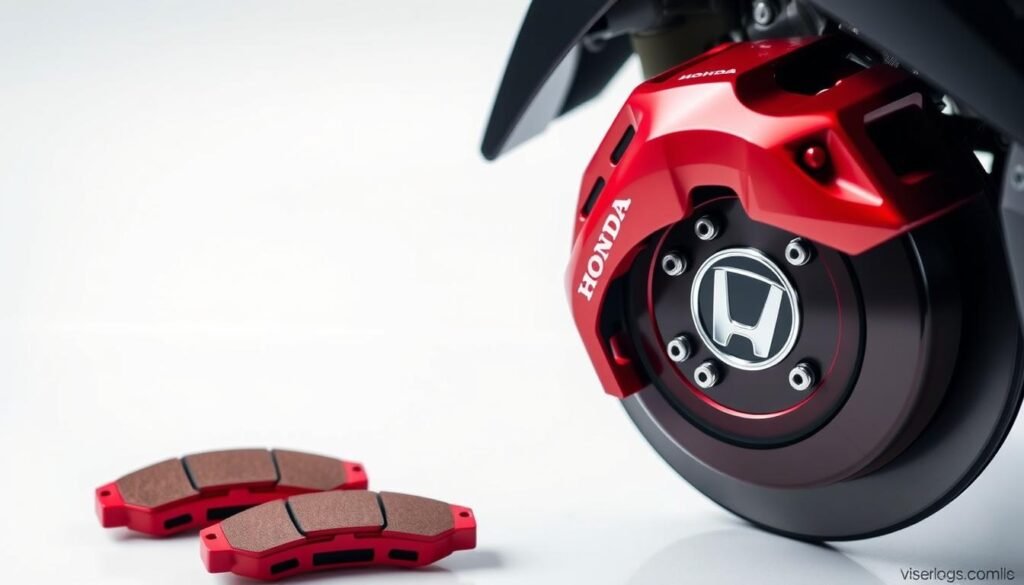
Braking System Upgrades For Honda Vehicles
Enhancing your Honda’s brakes brings better performance and safety. Look at options for more responsive driving and improve your experience.
The right changes are key for everyday and high-performance driving.
Performance Brake Kits
Performance brake kits offer big improvements. They have better rotors, pads, and sometimes calipers for more power. You gain:
- Improved stopping distance
- Enhanced heat dissipation
- Increased pedal feel
- Greater resistance to brake fade
These upgrades boost your driving, especially for spirited or track driving. Many pick these honda brake upgrades for better performance.
Adding Features For Safety
Advanced safety additions improve brake safety. You might want:
- Anti-lock braking systems (ABS)
- Electronic brake-force distribution (EBD)
- Brake assist technology
These features help in emergencies and bad weather. Having the latest tech keeps you safer on the road.
Case Studies: Honda Brake System Issues
Looking at real situations helps us understand how Honda drivers deal with brake problems.
By checking out Honda brake system case studies, we learn about the common issues and how to fix them.
These cases show us why it’s crucial to diagnose problems correctly and fix them quickly.
Real-World Examples of Brake Failures
A Honda Civic owner once had brakes that wouldn’t respond now and then. The problem was a bad brake booster.
In a different case, a Honda Accord owner heard weird noises when braking. A thorough check showed a damaged brake rotor that needed replacement right away.
Customer Experiences with Fixes
Many customers talk about how they fixed their brakes, using either DIY methods or professional help.
One person changed their brake pads by following online videos. Another person needed a skilled technician to handle complex wiring issues.
These stories give insights into fixing brake problems, whether doing it yourself or getting professional help.
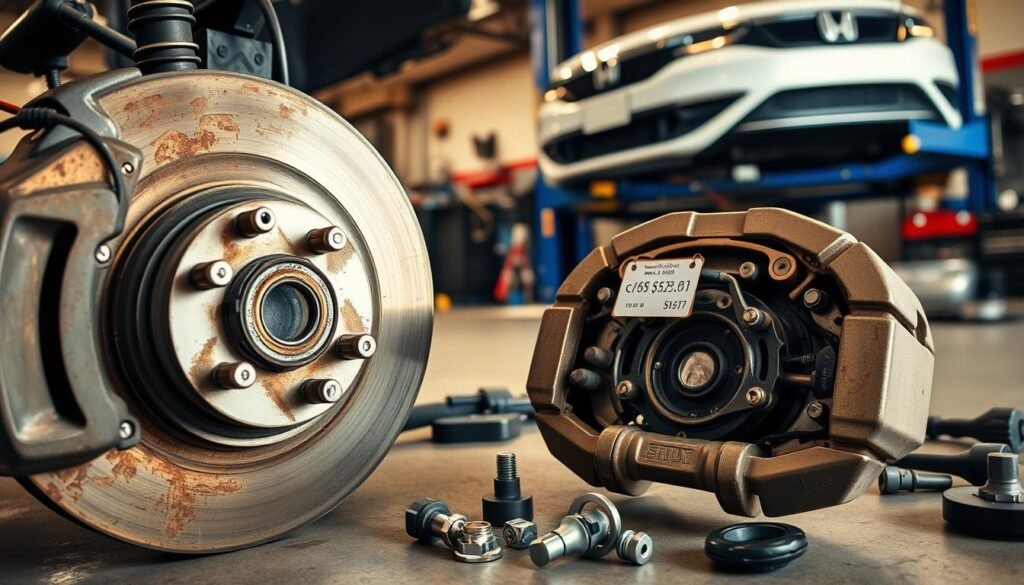
The Cost of Honda Brake System Repairs
Knowing Honda brake repair costs is crucial for car owners. Knowing average costs helps with smart maintenance decisions.
We’ll cover typical repair expenses and highlight the need for financial planning.
Average Repair Costs
Honda brake repair costs can differ a lot. They depend on the car model, labor charges, and parts needed. Here’s a breakdown of usual expenses:
| Repair Type | Average Cost |
|---|---|
| Brake Pad Replacement | $150 – $300 |
| Brake Rotor Replacement | $200 – $400 |
| Brake Fluid Change | $100 – $150 |
| Complete Brake System Overhaul | $800 – $1,500 |
Long-Term Financial Implications
Timely maintenance can avoid big repair bills later. Regular checks and part replacements boost safety and save money.
By planning financially for brake upkeep, you set aside money for essential checks. This keeps your vehicle safe and dependable.
Conclusion
Keeping your Honda’s brakes in top shape ensures safe driving. This article covered common problems, how to fix them, and why upkeep is key.
By staying alert, you can spot and fix issues early. This makes for safer driving and longer-lasting cars.
It’s crucial to check your brakes often and act fast if something seems off. Whether it’s strange sounds or alerts on your dashboard, quick action can keep small issues from getting big and expensive.
Always remember, good brakes aren’t just safe; they make your car perform better. In the end, make sure to regularly check and fix your Honda’s brakes.
Following this guide will help you address brake problems with confidence. This way, your car stays safe and reliable for many more miles.
FAQs
Q: What are some common Honda brake system problems?
A: Common issues include squeaking brakes, a spongy brake pedal, and longer stopping distances. These can indicate that your Honda brake system requires attention.
Q: What should I do if I see a brake warning light on my dashboard?
A: If you see a brake warning light, it’s a sign you may have a brake problem. Check your brake fluid levels and look for any leaks. If unsure, it’s best to consult a mechanic pronto.
Q: How can I troubleshoot Honda brake problems?
A: Start by visually inspecting for worn parts. Check lines for leaks. Use an OBD-II scanner to find issues accurately.
Q: What can cause a spongy brake pedal in my Honda?
A: A spongy pedal can be due to air in the lines, low brake fluid, or worn parts like pads. Fix these issues quickly for your safety.
Q: Are there any preventive measures I can take to avoid brake failure?
A: Yes! Keep your brake parts inspected routinely. Replace fluids as needed and keep brake fluid levels proper. These steps will help avoid failures.
Q: Should I attempt to fix brake problems myself or hire a professional?
A: For simple tasks, like changing brake pads, go ahead and DIY. However, leave complex repairs to a pro for your safety.
Q: How much should I expect to pay for Honda brake system repairs?
A: Costs vary with the issue but expect a range in part and labor prices. Timely maintenance can save you more money over time.
Q: What are the signs that my brake pads need replacing?
A: Listen for squeaking noises when you brake. Notice if braking feels less responsive. A warning light may also show low pad material. Fix these issues early to avoid more damage.