How To Check Honda Accord Tire Pressure? Essential 9 Guide & Tips
What’s the best tire pressure for your Honda Accord? Keeping the right tire pressure is key for your car’s performance and safety.
It makes your car run better, use less gas, and gives you a smooth ride. This guide shows you the right tire pressures for different Honda Accord models.
It also tells you why it’s important to keep an eye on your tires, and gives you tips on how to do it.
You’ll learn how to check your tire pressure the right way and know when to reset the TPMS.
By keeping your Honda Accord’s tires at their best pressure, you’ll drive safer and make your tires last longer. So, let’s get started with these helpful tips and advice for your tire care.
Recommended Tire Pressure For Honda Accord
Keeping the right tire pressure is key for safety, better handling, and a smooth drive in your Honda Accord.
It also makes your tires last longer and boosts your car’s performance. Accords generally need a tire pressure of 32 to 35 PSI, but it can change depending on the model.
What’s Tire Pressure Levels
Tire pressure is in pounds per square inch (PSI). Correct inflation improves fuel efficiency, traction, and comfort.
Having your tires at the right pressure makes your car function well and extends tire life. Some think 33 PSI is too low, but Honda has tested this to ensure good performance.
Model-Specific Pressure Recommendations
Different Accord models have their own pressure needs. For example, the Accord LX might need 32 PSI, but the Accord Sport could require 34 PSI.
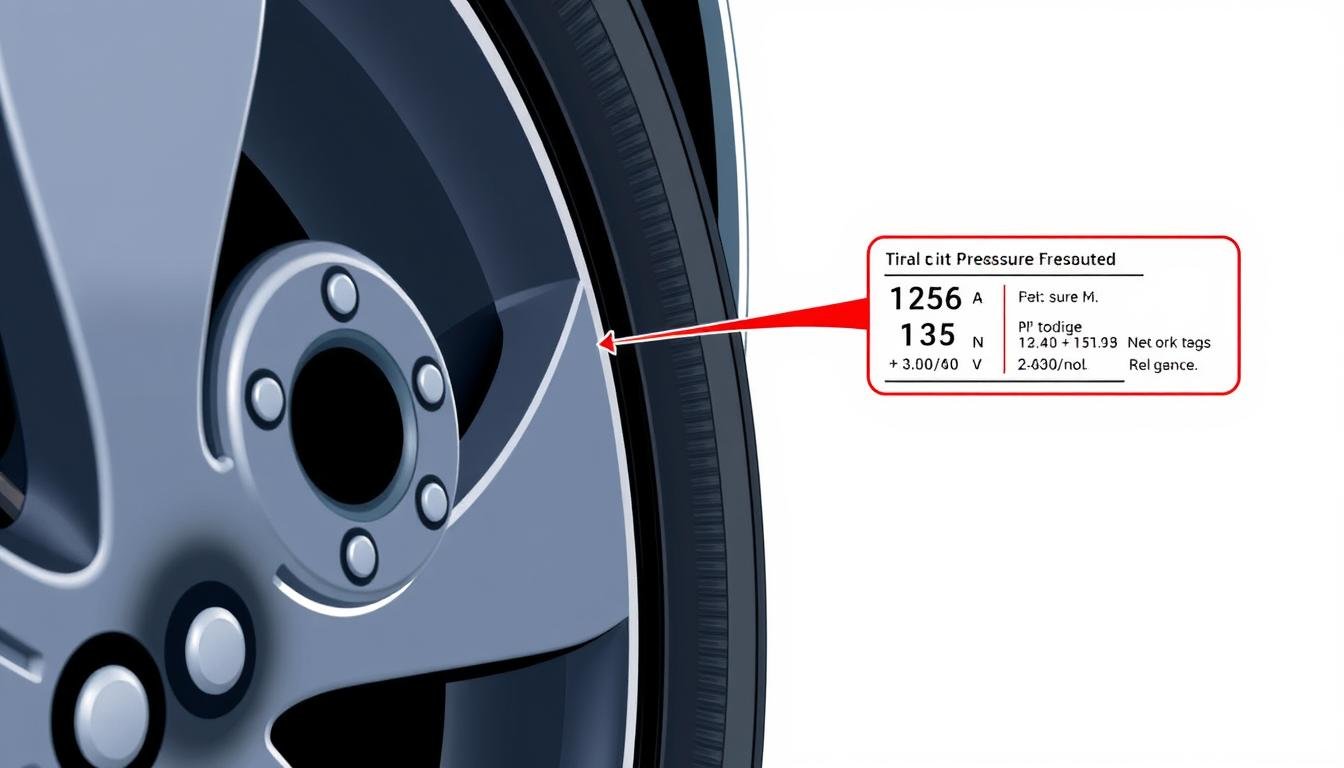
Always check the tire and loading information sticker on your car’s B-pillar for exact PSI values for your model.
This sticker gives the official Honda Accord tire pressure recommendation for proper tire maintenance.
Why Tire Pressure Matters
Knowing why tire pressure is important can make your drives better, especially in a Honda Accord. It helps save fuel, ensures your safety, and makes your tires last longer.
Sometimes, the honda accord tire pressure light turns on. This means it’s time to check your tires.
Impact on Fuel Efficiency
Right tire pressure makes your car use fuel better. Tires that aren’t filled enough make your car work harder.
That means you’ll pay more for gas over time. Checking and adjusting tire pressure helps your car run well.
Safety Concerns Linked To Incorrect Pressure
Wrong tire pressure can be a big safety risk. It can cause your tires to burst or make it hard to stop quickly.
Both of these dangers are serious for everyone on the road. Keeping your tires properly inflated is an easy way to stay safe.
Effect on Tire Longevity
Paying attention to tire pressure helps your tires last longer. Tires filled just right wear out evenly.
This saves you from having to replace them too soon. If you ignore tire pressure, your tires won’t last as long and you’ll spend more on car upkeep.
How To Check Honda Accord Tire Pressure
Keeping your Honda Accord’s tires at the right pressure is key for best performance. You’ll need a tire pressure gauge and to know how to use it correctly.
Keeping an eye on your tire pressure is good for your safety and makes your car use less fuel.
Tools Needed For Checking
- Tire pressure gauge
- Valve stem cap removal tool (optional)
- Compressor (if adjustments are necessary)
Step-by-Step Checking Procedure
- Check the tires when they are cold. This could be in the morning or if the car has been still for three hours.
- Take off the valve stem cap from every tire.
- Push the tire pressure gauge firmly onto the valve stem for an accurate reading. Ensure there’s no space between the gauge and valve.
- Look at the gauge to know the tire’s current pressure.
- Check if this pressure matches what your vehicle’s guide recommends.
- If the pressure is off, either add or let some air out until it’s correct.
- Don’t forget to put the valve stem cap back on after you check each tire.
Tire Pressure Monitoring System (TPMS)
The Honda Accord Tire Pressure Monitoring System is a vital tool for car owners. It helps keep your tires at the right air pressure.
This boosts both safety and how well your car runs. Knowing how this system works and what TPMS alerts mean can prevent road accidents.
How The TPMS Works
This system has sensors in each tire that check the air pressure. If the pressure is too low, it tells the car’s computer to turn on a warning light. This helps you fix low tire pressure before it becomes a big problem.
Alerts and Indicators
TPMS warnings usually show up as lights on the dashboard. The type of light depends on the year your Honda Accord was made. It’s key to act fast when you see TPMS warnings.
Checking your tire pressure often helps the TPMS work better. This means your tires can handle different driving conditions well.
Honda Accord Tire Pressure Reset
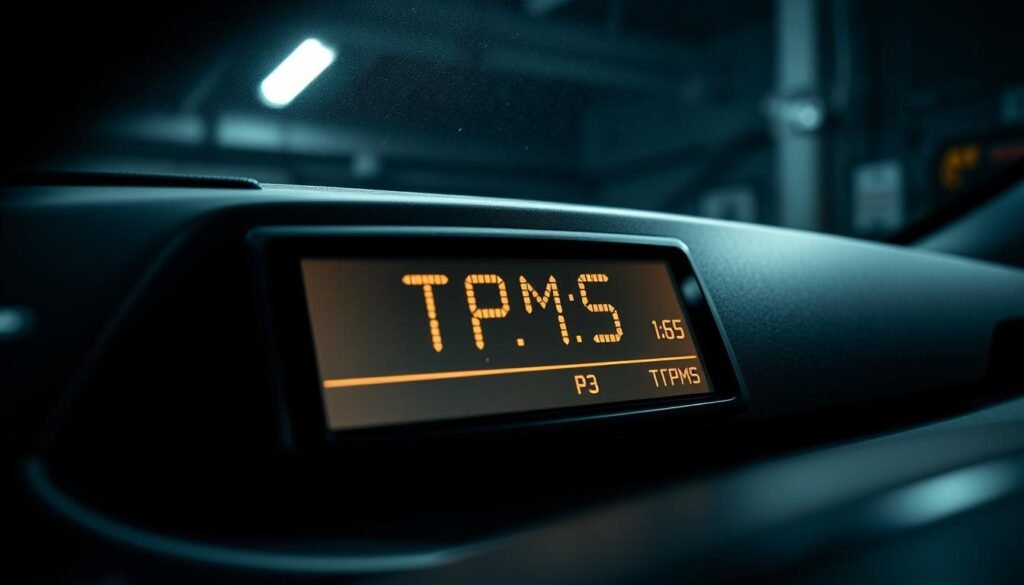
The tire pressure monitoring system (TPMS) is key for keeping your Honda Accord’s tires right. It tells you when to reset the tire pressure to keep your car safe and running well.
If the TPMS light turns on, it could be for several reasons like changes in pressure or after you’ve worked on the tires.
When To Reset The Tire Pressure Light
It’s smart to reset the TPMS light after you’ve changed the tire pressure or swapped the tires. Not paying attention to the TPMS light can cause problems with tire pressure.
This affects your car’s safety and how well it runs. Check the owner’s manual for specific guidance on when and how to reset your tire pressure.
Steps For Resetting TPMS
Resetting the TPMS light in your Honda Accord usually involves a few steps:
- Make sure your tires are filled to the suggested pressure levels.
- Find the reset button, which is usually under the steering wheel or close to the dashboard.
- With the car turned off, press and hold the reset button.
- Then, while still pressing the button, turn the car to the “on” position without starting it.
- Let go of the button when the TPMS light blinks, showing the system is reset.
- Turn the car off and start it again to check that the light is off.
Following these steps will help make sure you reset your Honda Accord tire pressure correctly. This allows the TPMS to work well in the future.
What is The Honda Accord Tire Pressure Indicator?
The Honda Accord tire pressure indicator is a vital alert system. It helps keep your tires working their best.
By knowing how the alerts work, you can avoid safety risks and make your tires last longer. This section explains the causes of the alerts and how to read them right.
What Triggers The Indicator
The tire pressure indicator in your Honda Accord lights up for two big reasons. It warns you with a light when tire pressure is too low.
This means one or more tires are not as full as they should be. Sometimes, the Tire Pressure Monitoring System (TPMS) has a problem, and the indicator flashes.
A blinking light means there’s an issue with the system, not just the air in your tires.
Interpreting Indicator Signals
The Honda Accord tire pressure indicator has different ways of showing what’s up. A steady light means it’s time to add air to your tires.
Driving on tires that don’t have enough air is risky and can wear them out faster. A blinking light signals a problem with the TPMS.
For steps on what to do next, check the manual that came with your car.
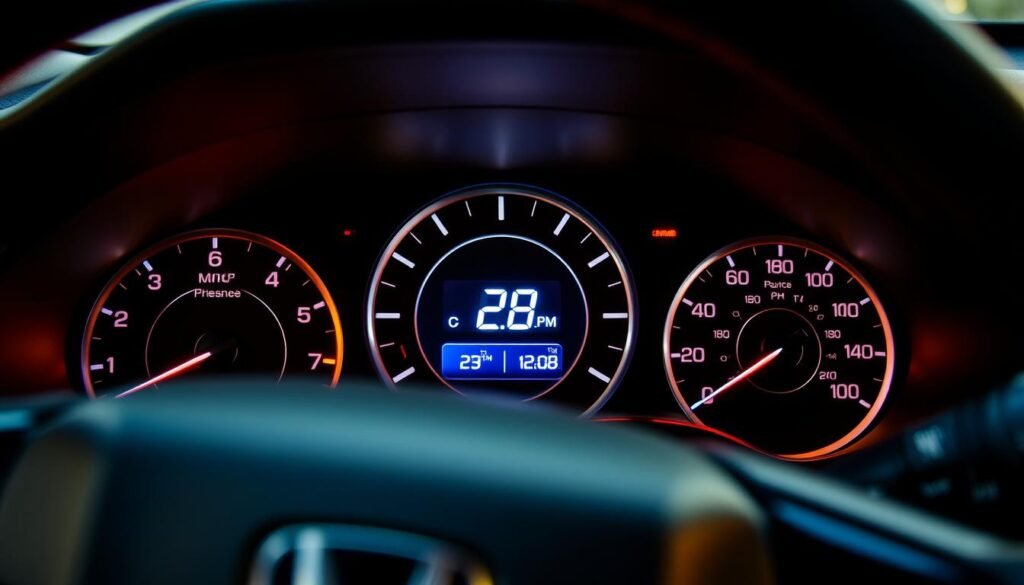
- Steady Light: One or more tires are underinflated.
- Blinking Light: Potential malfunction in the TPMS.
- Immediate Action Required: Inflate tires or inspect system.
Honda Accord Tire Pressure Sensor Replacement
The honda accord tire pressure sensor is key for safety and performance. Knowing when to replace the sensors is vital. They usually last years, but some issues can cause them to fail.
When To Replace Tire Pressure Sensors
Knowing when to replace tire sensors is important. You might need new ones if you notice:
- Inconsistent TPMS alerts on the dashboard.
- A tire pressure light that stays on, even with the right inflation.
- Dashboard doesn’t reset after tire adjustments.
Checking them regularly can help catch problems early.
Signs of Failing Sensors
Spotting signs of failure early can stop bigger issues. Watch for:
- TPMS readings that jump around a lot.
- Warning lights come on more often, without a clear reason.
- The system can’t talk to the car properly, giving wrong info to you.
Seasonal Considerations For Tire Pressure
Knowing when to adjust your Honda Accord’s tire pressure is key for top performance all year. Temperature changes affect tire pressure a lot.
For instance, a 10-degree Fahrenheit drop lowers pressure by about 1 PSI. Keeping up with these changes ensures your car is safe and runs well.
How Temperature Affects Tire Pressure
Extreme weather means big changes for tire pressure. In the cold, pressure goes down, which can lead to underinflation.
But in hot weather, pressure might get too high, and you may need to let some air out. Staying on top of this keeps your tires just right, especially in winter.
Adjusting Pressure For Seasonal Changes
For your Honda Accord to handle well in any weather, check the tire pressure as seasons switch. Here’s how to adjust properly:
- Check tire pressure bi-weekly, especially during transitional months.
- Inflate tires to the recommended PSI as specified in your owner’s manual.
- Release air during warmer months if pressure rises significantly.
- Monitor your Honda Accord winter tire pressure closely to prevent drop-offs in performance.

Inflation Tips For Honda Accord Tires
Getting your Honda Accord’s tires inflated right is key for its performance and safety. If you keep your tires well-inflated, they’ll last longer and your car will run more smoothly. Here are some important tips to help.
Best Practices For Inflating Tires
- Always check tires when they are cold, preferably in the morning before driving.
- Use a reliable pressure gauge for accurate readings.
- Refer to the manufacturer’s recommended tire pressure levels, often found in the driver’s door jamb.
- Inflate tires to the recommended psi, ensuring they are not over or under-inflated.
- Securely replace valve caps after inflation to keep debris out of the tire valve.
Common Mistakes To Avoid
- Overinflating tires, which can lead to reduced traction and uneven tire wear.
- Underinflating tires, which increases rolling resistance and lowers fuel efficiency.
- Neglecting to check tire pressure regularly, especially during seasonal changes.
- Ignoring visible signs of tire wear that may indicate incorrect inflation.
Tire Size For Honda Accord
Getting the right tire size for your Honda Accord is crucial. It affects both how well the car drives and how safe it is. This info can be found in the manual or on a sticker.
Most Honda Accords use a tire size of P215/55R17. Picking the right size makes sure your car handles well and performs its best.
Finding The Correct Tire Size
Look at the car manufacturer’s guide to find the tire size you need. This guide lists important details like the tire’s width, aspect ratio, and diameter.
Knowing the exact size for your Honda Accord avoids issues during tire changes or maintenance.
Importance of Matching Tire Specs
It’s very important to use tires that match the recommended specs. Correct tires keep your car stable and safe.
Tires that don’t match can wear out unevenly, reduce grip, and worsen handling. Using the right tires means your car works just as it was designed to.
Routine Tire Maintenance Practices
Keeping your tires in good shape is more than just checking the air pressure. It’s important to follow a few key steps to get the most out of your tires.
Regular checks, correct alignment, and rotation are crucial. These steps will ensure your tires last longer and your car drives better.
Regular Inspection Techniques
Checking your tires often is key for good tire health. Here’s how to do a thorough check:
- Inspect tire tread depth for wear
- Look for any cracks, bulges, or punctures
- Ensure that the valve stems are intact
- Check for any uneven wear patterns
Importance of Wheel Alignment and Rotation
Wheel alignment and tire rotation are very important. If your car is not aligned, the tires can wear out unevenly.
This means they won’t last as long and your car might not handle well. Try to rotate your tires every 5,000 to 7,500 miles.
Keeping them aligned helps your car drive smoother, uses less gas, and makes it safer on the road.
| Maintenance Task | Frequency | Benefits |
|---|---|---|
| Tire Inspection | Every Month | Identifies early signs of wear and damage |
| Tire Rotation | Every 5,000 – 7,500 Miles | Promotes even tread wear |
| Wheel Alignment | As Needed (or when experiencing issues) | Enhances handling and extends tire life |
Following these tips will make your tires last longer. It will also make driving safer and more enjoyable.
Conclusion
Having the right tire pressure is key for your Honda Accord’s performance, safety, and life span.
This summary on tire maintenance shows that keeping the right tire pressure improves your car’s gas mileage and lowers safety hazards.
It’s vital to check your tire pressure regularly, follow what the manufacturer suggests, and adjust it with the changing seasons to keep your car running well.
The importance of tire pressure is huge because it affects how your car drives, the wear on your tires, and how it stays on the road.
By following the tips in this article, your Honda Accord will be safe and efficient on all your future trips.
These tire tips offer a clear guide on how simple upkeep can make a big difference in how your car works and lasts.
FAQs
Q: What is the recommended tire pressure for my Honda Accord?
A: For a Honda Accord, the tire pressure should usually be between 32 and 35 PSI. This can vary depending on the model. To find the exact number, look at the sticker on your car’s B-pillar.
Q: How do I know if my Honda Accord’s tire pressure is low?
A: If the tire pressure is too low, a light on the dashboard will turn on. It’s a sign to check your tires. Besides that, use a gauge to check the tire pressure yourself from time to time.
Q: How can I reset the tire pressure light on my Honda Accord?
A: To reset the light, find the reset button. It’s usually under the steering wheel or close to the dashboard. Press and hold it while you start the car. Let go when the light blinks.
Q: What should I do if my TPMS indicator is blinking?
A: A blinking TPMS light means there’s a problem with the system. Check your car’s manual on what to do next. Or, take it to a service center for a full check-up.
Q: How often should I check the tire pressure?
A: Check the pressure in your tires at least once a month and before any long trip. Don’t forget to check it when the weather gets much colder or hotter too.
Q: What are the signs that my tire pressure sensors need replacement?
A: You might need new sensors if the TPMS light won’t go off, the alerts seem random, or it doesn’t reset after you inflate the tires.
Q: Can temperature changes affect tire pressure?
A: Yes, tire pressure goes down about 1 PSI for every 10 degrees Fahrenheit the temperature drops. It’s important to keep an eye on it when the seasons change.
Q: Is it necessary to use a tire pressure gauge, or can I rely solely on the TPMS?
A: Even though the TPMS is helpful, you should still use a tire pressure gauge. It gives you the most accurate pressure reading. This way, you can make sure the TPMS is working right and adjust for any big temperature changes.
Q: What are common mistakes to avoid when inflating tires?
A: Avoid putting too much or not enough air in your tires. It can wear them out unevenly and make your car handle badly. Always fill up the tires when they’re cold. Remember to put the valve caps back on tightly.