What Year Ford F150 To Avoid?
Some Ford F-150 years should be avoided due to their reliability issues and performance failures.
Knowing which Ford F150 years to avoid can save you a lot of trouble and money. This guide highlights the Ford F150 models to steer clear of, based on consumer reports and expert advice.
It gives you important information to make smart choices when buying a used F-150. We’ll explain the common problems of certain Ford F-150 years and why they performed poorly.
With these insights, you can carefully weigh your options and choose more reliable models.
Keep reading to learn about the Ford F-150 models that might not meet your needs and how to pick a good investment.
Introduction To The Ford F-150
The Ford F-150 is key in the American car scene. Known for being tough and flexible, it has won over truck fans for many years.
The F-150 started back in 1948 as part of the F-Series. Since then, it has changed a lot, getting better in performance and safety, and using new technology.
People love the Ford F-150 for many reasons. It can pull heavy things and handle rough terrain very well. Plus, it’s reliable, earning a faithful fan base.
This great reputation makes new buyers think about getting an F-150. Its long-time success shows just how much people like it.
Getting to know the Ford F-150 better is interesting. We’ll look into some models that might be tough to deal with.
Ford works hard to keep improving the F-150. This effort keeps it popular and a top pick for many truck owners in the USA.
What is Ford F-150’s Popularity?
The Ford F-150 leads strongly in the truck world. It sold over 640,000 units in North America recently. That means it sells every 49 seconds.
This shows its big demand and how it stands out from the rest. Many reasons make the Ford F-150 popular. People love its dependable performance and many options.
It can tow a lot too. There’s also a big group of fans that love it, creating a community feel. When thinking about buying a Ford F-150, knowing about its demand is key.
The truck has lots of features and strengths. Buyers need to think about which year’s model is right for them.

Which Ford F150 Models To Avoid
The Ford F-150 is a favorite among truck lovers. However, some years have issues that you should avoid. Knowing about these problematic years can save you lots of trouble.
The Worst Years For Ford F-150
There are certain years of Ford F-150s that have had more issues than others. Here are the years that had the most complaints:
- 2004 – Notable problems with the engine and transmission.
- 2005 – Exceedingly high failure rates for the electrical system.
- 2006 – Numerous complaints regarding rear suspension issues.
- 2008 – A spike in reported engine issues across multiple platforms.
- 2010 – Persistent problems with transmission performance and control.
Years with Significant Issues
Some other years also faced serious problems. These issues lowered the satisfaction of many owners. Here’s a summary:
| Model Year | Common Problems | Owner Complaints |
|---|---|---|
| 2011 | Engine stalling | High volume of customer dissatisfaction |
| 2013 | Fuel system issues | Frequent repairs needed |
| 2015 | Braking system failures | Negative impact on safety ratings |
| 2017 | Transmission slipping | Common across many reports |
Common Problems with Ford F-150 Models
The Ford F-150 is well-known for being strong and popular. But it has its own set of problems too.
Engine issues and transmission malfunctions are big worries for owners. Knowing about these can help you make smart choices on how to take care of your truck.
Engine Reliability Concerns
Engine problems are common in F-150s, especially the EcoBoost ones. Some owners face:
- Engine stalling during operation
- Misfires affecting performance
- Increased oil consumption
If you don’t fix these engine issues quickly, repairs can be very expensive. Regular check-ups can prevent some problems. But it’s key to stay ahead for your truck’s lasting health.
Transmission Issues
Transmission problems can really affect how your F-150 drives. You might notice:
- Unexpected slipping between gears
- Harsh shifting while changing gears
- Unresponsive transmission when accelerating
These signs usually mean it’s time to see a mechanic. Fixing these issues early can keep repair costs and hassles low.
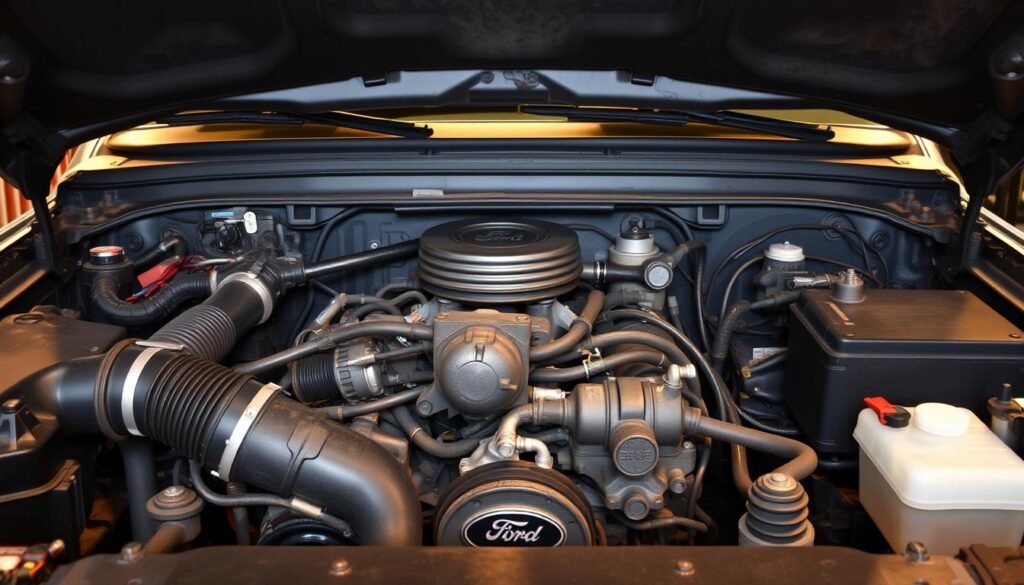
Yearly Updates of Ford F-150 To Avoid
The Ford F-150 has seen many changes over the years, targeting better safety and performance. Still, some updates have led to big concerns among buyers.
Learning about these Ford F-150 revisions by year can help you steer clear of the less reliable models.

| Year | Common Problems | Description of Issues |
|---|---|---|
| 2010 | Transmission Problems | Rough shifting and unexpected failures reported frequently. |
| 2011 | Engine Stalls | Instances of sudden engine stalls have raised significant safety concerns. |
| 2014 | Rust Issues | Increased reports of rust corroding key components, impacting longevity. |
| 2015 | Electrical Failures | Malfunctions in electrical systems leading to battery drain and dashboard issues. |
| 2016 | Suspension Problems | Front suspension issues causing premature wear and compromising ride quality. |
Knowing about these issues can make a big difference when you choose a Ford F-150. Each year mentioned has its own set of problems to think about before buying.
Best and Worst Years For Ford F-150
Looking into which Ford F-150 model years are good or bad is key. The 2010, 2011, and 2015 models stand out for being reliable.
They’re known for having fewer complaints and showing better performance. However, some Ford F-150 years should be avoided.
The 2004, 2005, and 2009 models often face criticism for engine and transmission issues.
These problems can hurt the vehicle’s performance and lead to high repair costs. Knowing this can guide your purchase decision.
Here’s a summary of the best and worst years for the Ford F-150:
| Model Year | Reliability Status | Common Issues |
|---|---|---|
| 2010 | Reliable | Low report of issues |
| 2011 | Reliable | Strong performance, few complaints |
| 2015 | Reliable | Durable, well-rated |
| 2004 | Problematic | Engine failures |
| 2005 | Problematic | Transmission issues |
| 2009 | Problematic | Electrical problems |
Ford F-150 Reliability Concerns
The Ford F-150 is a big player in the truck world, but its reliability scores show a tricky picture.
These scores from places like RepairPal and Consumer Reports range from 2 to 3.5 out of 5. This is key for buyers who want the best for their needs.
Consumer Reports on Reliability
Looking at the Ford F-150’s reliability means checking what customers say. Many like its features and how it drives.
Yet, some face issues, affecting how happy they are. This shows why it’s vital to think about both good points and problems.
Comparison with Competitors
When put side by side with trucks like the Toyota Tundra and Chevrolet Silverado, the Ford F-150 lands in the middle for toughness.
It leads in sales, but concerns about reliability make buyers think. Knowing what matters more to you, features or reliability, helps in choosing wisely.
Ford F-150 Maintenance Tips and Tricks
Make your Ford F-150 last longer and perform better by following simple maintenance tips.
Here are some key maintenance strategies for Ford F-150:
- Check and change the oil every 5,000 to 7,500 miles. Keeping your engine lubricated ensures optimal performance.
- Inspect tire pressure monthly and rotate tires every 6,000 miles to promote even wear.
- Examine brake pads and fluid levels frequently. Replace worn components to ensure safety during operation.
- Keep an eye on the battery condition. Clean terminals and ensure secure connections to avoid unexpected failures.
- Replace air filters every 15,000 to 30,000 miles. A clean air filter enhances engine efficiency.
By following these easy maintenance steps, you can enjoy a trustworthy ride in your Ford F-150. This also reduces the chance of costly repairs later.
Conclusion
It’s crucial to pick the right Ford F-150 year for a hassle-free experience. This guide pointed out the years to avoid and those known for reliability.
By avoiding certain years and choosing dependable models, your investment in this favorite truck will pay off.
Knowing issues like engine and transmission problems is key to a smart buy. Using tips for buying a used Ford F-150, such as detailed inspections and regular maintenance, ensures your tranquility.
The Ford F-150 is a top pick for truck lovers and daily drivers. With smart buying strategies, you can relish the perks of America’s beloved truck minus repair worries.
FAQs
Q: What year Ford F-150 should I avoid?
A: Stay away from the 2004, 2005, and 2010 Ford F-150 models. They have engine and transmission problems.
Q: Which Ford F-150 models are the most reliable?
A: The models from 2015 to 2017 are known for being reliable. They have less reported issues.
Q: What are some common problems with Ford F-150 models?
A: These trucks often have engine misfires and stalling. The EcoBoost models usually have transmission failures.
Q: What updates should I look out for in the Ford F-150?
A: Look for the 2009 redesign and the 2015 models with an aluminum body. These updates made the trucks lighter and more fuel-efficient.
Q: How does the Ford F-150 compare to its competitors?
A: The Ford F-150’s reliability is average, with scores between 2 and 3.5 out of 5. This is mid-range compared to Toyota Tundra and Chevrolet Silverado.
Q: What maintenance tips can help prolong the life of a Ford F-150?
A: Changing the oil regularly, keeping the tires properly inflated, and following the maintenance schedule are key. These steps will help your F-150 last longer.
Q: How often should I have my Ford F-150 serviced?
A: You should get your F-150 serviced every 5,000 to 7,500 miles. The exact timing depends on how and where you drive.