Motor 6.7 Ford Diesel Engine Problems Key Issues Explored
The Ford 6.7 Powerstroke diesel engine is strong and reliable. However, it’s not without motor 6.7 ford diesel engine problems.
Being aware of these common issues can help you avoid lots of trouble. We’re here to talk about problems like EGR cooler failures, turbo complications, and issues with fuel injectors.
This guide will show you how to spot these problems early. You’ll learn how their effects can hurt your vehicle’s performance.
And, we’ll share tips on keeping your engine in top shape. Knowing these problems with the 6.7 Ford diesel engine keeps it running well for a long time.
Let’s dive into the most frequent problems associated with the 6.7 Ford diesel engine and learn how to address them effectively.
Introduction To The 6.7 Ford Diesel Engine
The 6.7L Powerstroke is Ford’s proprietary diesel engine, launched in 2011. It’s a key part of the Super Duty lineup.
Known for its strength, this engine can reach up to 500 horsepower and 1,200 lbs-ft of torque. This makes it great for heavy towing and hauling tasks.
This engine features advanced tech, like inboard exhaust and outboard intake configurations. These features boost its performance and reduce turbo lag.
This gives drivers a better experience. Although the 6.7 Ford diesel engine has many benefits, knowing potential problems is crucial for owners.
Keeping up with regular maintenance helps improve the 6.7 Powerstroke’s longevity and reliability.
Being informed lets you handle problems early. This way, you keep your engine running smoothly and maintain peace of mind while driving.
Common Problems with The 6.7 Ford Diesel Motor
The 6.7 Ford Diesel Motor is powerful but has common issues. Knowing these problems can really help.
Fixing them early keeps the engine running well and avoids expensive fixes. Here’s what often goes wrong.
What is The most frequent issues?
Here are the usual troubles with the 6.7 Ford diesel motor:
- EGR cooler failures
- Fuel injector malfunctions
- Turbocharger issues
Ignoring maintenance or missing early signs leads to these problems. Acting fast on troubleshooting ford 6.7 motor problems stops them from getting worse.
How these problems affect performance
Not fixing these issues causes:
- Less engine power
- More pollution
- Risk of engine breakdown
Avoiding these issues leads to big repair bills or even needing a new engine. Spotting and fixing issues early helps keep your vehicle in good shape.
EGR Cooler Issues in The 6.7 Powerstroke
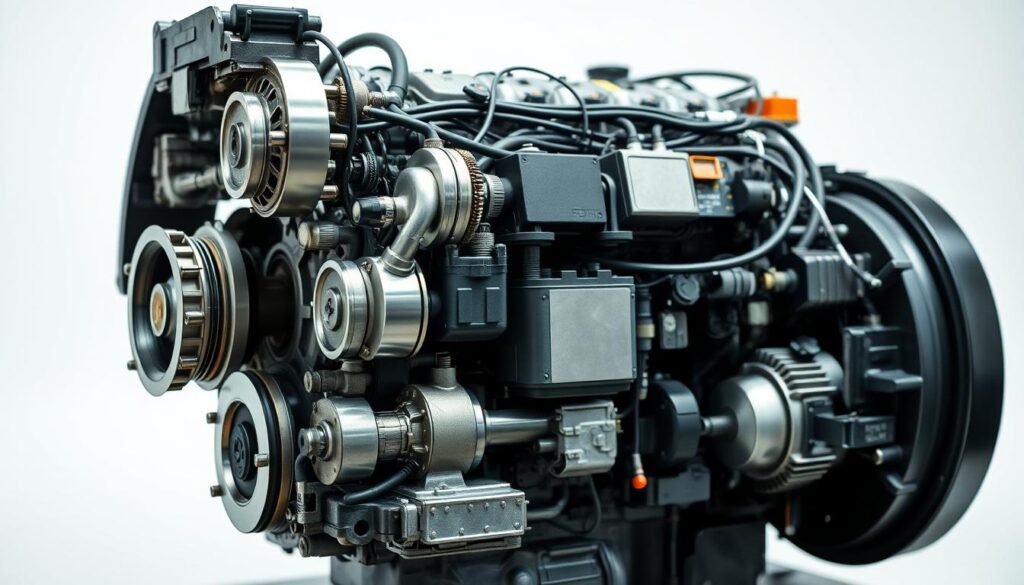
The EGR (Exhaust Gas Recirculation) cooler is crucial for lowering nitrogen oxide emissions from your 6.7 Ford diesel engine.
Recognizing signs of failure can forestall serious engine damage and maintain efficiency.
Learning these signs is key to effective maintenance and lowering the chance of significant issues with your ford 6.7 powerstroke diesel engine.
Signs of EGR cooler failure
- Engine overheating
- White smoke from the exhaust
- Loss of power during acceleration
- Frequent need for coolant top-up
Consequences of ignoring EGR problems
Ignoring EGR cooler problems can lead to major engine troubles. Overheating might warp or crack engine parts, leading to costly repairs.
Plus, performance could get worse, hurting fuel efficiency and upping emissions. Tips for spotting issues early in the 6.7 ford diesel motor can prevent serious breakdowns.
Diesel Turbo Failure and Its Impact
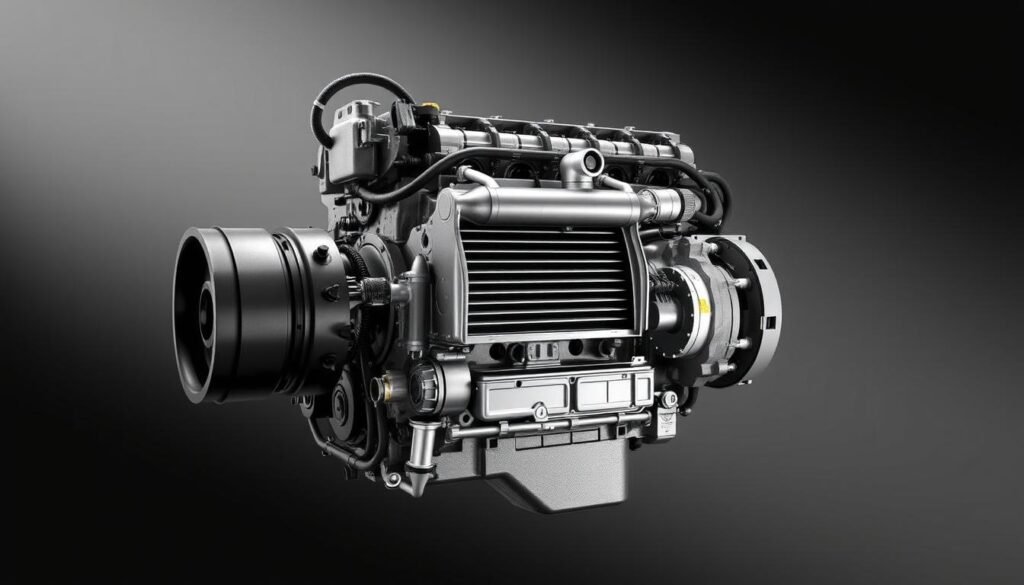
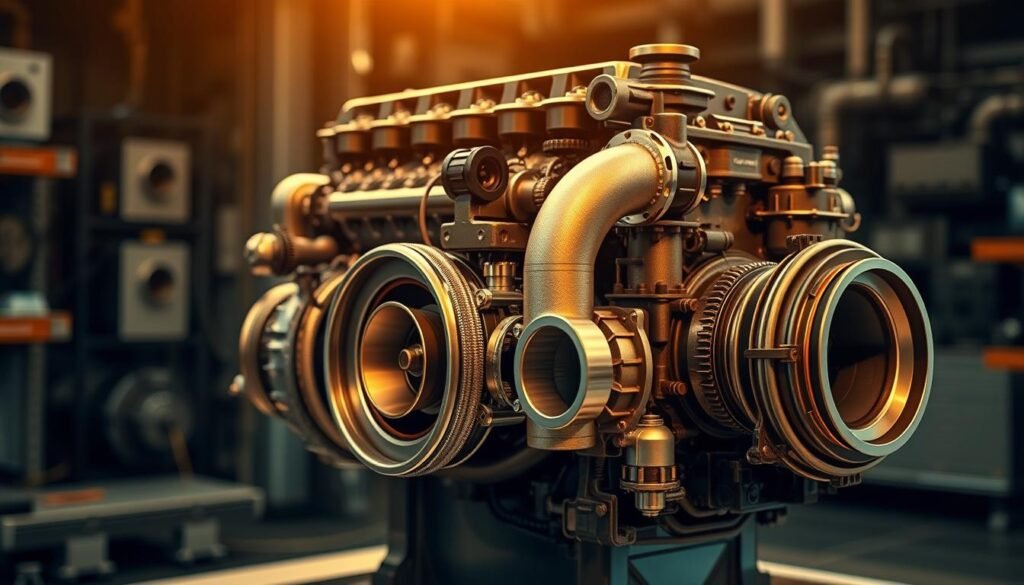
A turbocharger is key to making your 6.7 Ford diesel motor work better. But, when it fails, it brings big problems.
This affects the engine’s power and how the car drives. Knowing the signs of a failing turbo is crucial for fixing it fast.
Identifying symptoms of turbo failure
Here are the signs you might have turbo troubles:
- Loss of power when you speed up
- Weird engine sounds, like whistling or grinding
- Warning lights popping up often on the dashboard
- Lots of exhaust smoke, either blue or black
- Bad turbo pressure readings on your gauge
Maintenance tips to avoid turbo issues
To keep your 6.7 Ford diesel motor running smoothly, follow these maintenance tips:
- Change the oil regularly with good diesel engine oil.
- Switch out dirty air and fuel filters to ensure good airflow and fuel flow.
- Check and clean the intercooler to avoid blockages or leaks.
- Keep an eye on turbo pressure and listen for odd sounds.
- Stick to a regular service plan to find issues early.
Fuel Injector Problems in The 6.7 Ford Diesel Engine
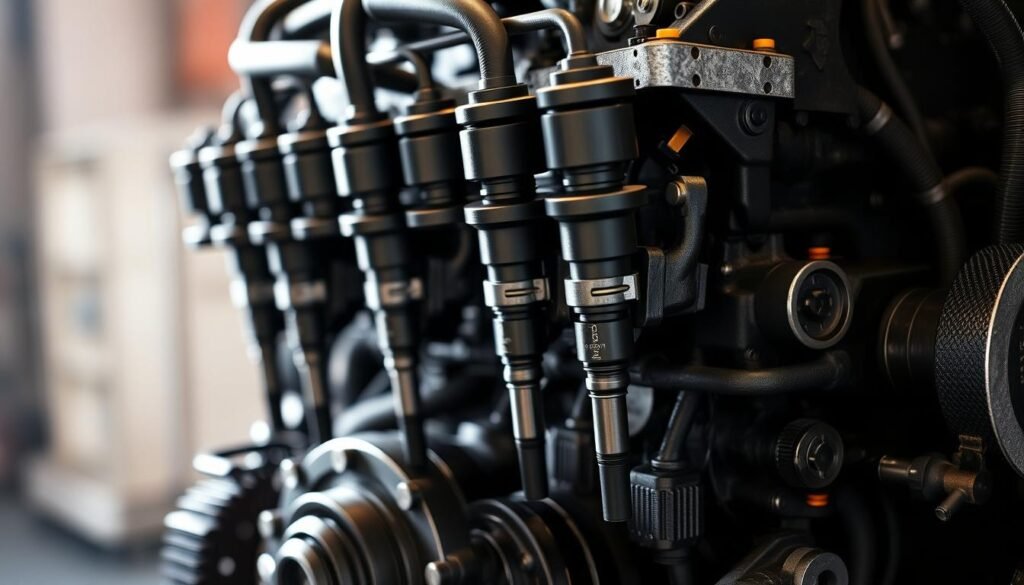
Fuel injectors are key to getting the right amount of diesel into your engine. When they start to go bad, your motor won’t perform as well.
It’s crucial to spot the signs of failing fuel injectors to keep your vehicle running smoothly.
What To look for with failing fuel injectors
Common signs of issues in the 6.7 Powerstroke engine include:
- Poor idling or stalling when the engine is on.
- Using more fuel, which means spending more money on gas.
- Less power, making it hard to speed up.
- Visible leaks near the injectors or fuel lines.
Dealing with these problems quickly can stop other issues and help your vehicle last longer.
Preventative measures For fuel injector longevity
To keep your fuel injectors working well and avoid problems with the 6.7 Powerstroke engine, try these steps:
- Choose high-quality diesel for better combustion and injector health.
- Keep fuel filters clean to protect injectors from dirt.
- Use synthetic oil to boost engine performance and efficiency.
- Stick to a regular oil change schedule to keep your engine in top shape.
These actions can greatly lower the chance of fuel injector issues and keep your 6.7 Ford diesel engine running great.
Motor 6.7 Ford Diesel Problemas: Radiator Coolant Leaks
Radiator coolant leaks in a 6.7 Ford diesel motor can cause big problems. It’s key to know where these leaks come from.
This keeps your vehicle running well and stops it from getting too hot. Regular checks and knowing what to look for can catch issues early. This means your engine will last longer.
Common causes of coolant leaks
- Punctures or damage to the radiator
- Worn or cracked hoses
- Loose or damaged clamps
Detecting radiator issues early
Watch out for signs like dropping coolant levels or puddles under your truck. Check your coolant often and watch the temperature gauge.
This can show you when there might be a leak. Catching leaks early stops worse overheating issues. Fixing coolant leaks quickly helps avoid costly repairs.
High-Pressure Fuel Pump Failure
The 6.7 powerstroke diesel engine relies on the high-pressure fuel pump. It supplies fuel at the necessary pressure.
When this pump malfunctions, it impacts the engine’s performance and reliability. Knowing the symptoms of pump failure helps fix issues in 6.7 ford diesel trucks quickly.
Symptoms indicating pump issues
Watch for these signs that might show your high-pressure fuel pump is failing:
- Erratic power delivery, leading to inconsistent acceleration.
- Unexpected engine shutdowns during operation.
- Difficulty starting the engine, particularly after brief stops.
- Decreased fuel efficiency, which can hint at fuel delivery issues.
- Noticeable increase in engine noise, indicating stress on the pump.
Cost implications of fuel pump replacement
Replacing a high-pressure fuel pump is costly, often over $1,000. This includes both labor and parts.
Yet, regular upkeep like clean fuel filters and high-quality diesel can reduce risks. Being aware of symptoms helps tackle issues early, for better running of your 6.7 ford diesel truck.
Learning EGT Sensor Failures
Exhaust Gas Temperature (EGT) sensors are key for your engine’s health. They watch the exhaust temperatures to stop overheating. This keeps everything working safely.
If an EGT sensor doesn’t work right, your vehicle’s performance could suffer. Knowing how failures happen with the 6.7 Powerstroke motor is crucial. It helps you spot issues early on.
How EGT sensors protect your engine
EGT sensors send important info to the engine management system. This data helps adjust fuel injection and keeps combustion temperatures ideal.
Thanks to this, your engine is less likely to get damaged. This is essential for smooth operation, particularly when carrying heavy loads or in high-stress situations.
What happens when EGT sensors fail
If EGT sensors go bad, a warning light might show up on your dashboard. Ignoring this can lead to engine problems, like shutdowns or less power.
It’s crucial to fix EGT sensor issues quickly. Doing regular checks can help identify issues with the Ford 6.7 motor early. This gives vehicle owners peace of mind.
| Failure Symptoms | Potential Consequences |
|---|---|
| Warning light illuminated | Engine performance may deteriorate |
| Overheating engine | Severe engine damage risk increases |
| Engine stalling | Immediate loss of power and safety concerns |
| Decreased fuel efficiency | Increased operating costs over time |
Common Failures of The 6.7 Powerstroke Motor
The 6.7 Powerstroke engine is known for being reliable. But, it can still face several issues.
Knowing about these problems is key to keeping your vehicle running well. Catching them early can help avoid expensive repairs later on.
Overview of typical failure points
There are a few parts of the 6.7 Powerstroke engine that often have problems. These are:
- EGR System Failures: If the EGR system doesn’t work right, too many exhaust gases can get into the intake. This can make the engine perform worse.
- Fuel Pump Issues: When the high-pressure fuel pump isn’t working well, the engine doesn’t get the fuel it needs. This affects how the engine runs.
- Turbos and Wastegates: The turbochargers can wear out over time. This can lead to less power and efficiency from the engine.
Importance of addressing them promptly
Fixing problems quickly can really help your vehicle run better. Here’s how to spot issues with the 6.7 Powerstroke engine:
- Regular Diagnostic Checks: Use tools to check how the engine is performing. This helps find problems early.
- Visual Inspections: Always look for leaks or wear on important parts.
- Listen for Unusual Noises: Strange sounds can mean there’s a problem, like with the turbo.
By keeping an eye on these issues and taking good care of your vehicle, you can make your 6.7 Powerstroke engine last longer and run better.
Conclusion
The 6.7 Ford Diesel engine is strong and reliable. Yet, it’s good to know the typical problems that might come up.
Issues like failing EGR coolers and problems with the high-pressure fuel pump are common. Knowing about these helps you stay on top of your engine’s health.
Doing regular checks and fixing problems early is key for any engine owner. This way, your engine lasts longer, and you avoid spending more on fixes later.
With careful maintenance, your Ford Super Duty will keep running smoothly. Keeping an eye on your engine’s needs will greatly improve your driving.
This ensures your vehicle stays dependable over time. With the right care and knowledge, you’ll get the most out of your 6.7 Ford Diesel engine.
FAQs
Q: What are the common problems associated with the 6.7 Ford diesel motor?
A: Common issues with this motor are EGR cooler failures, fuel injector problems, and turbocharger malfunctions. There are also radiator coolant leaks and failures of the high-pressure fuel pump.
Q: How can I identify early signs of EGR cooler failure?
A: Symptoms of EGR cooler failure include the engine getting too hot, white smoke coming out of the exhaust, and a drop in the truck’s performance. Catching these signs early can help avoid major engine trouble.
Q: What impacts can turbocharger failure have on performance?
A: If the turbocharger fails, you’ll notice your truck has less power, makes odd noises, and the engine warning lights might come on. It’s important to keep up with regular checks to stop these problems from happening.
Q: What symptoms indicate potential fuel injector problems?
A: If your fuel injectors aren’t working well, your truck might idle poorly, lose power, and use more fuel. Keeping your fuel filters in good shape and using quality diesel can prevent these issues.
Q: How do I detect radiator coolant leaks in my 6.7 Powerstroke?
A: Keep an eye out for low coolant levels and puddles under your truck. Watching coolant levels and the temp gauge helps find leaks early.
Q: What are the signs of a high-pressure fuel pump failure?
A: If your fuel pump is failing, the power delivery might be erratic and the engine could shut down unexpectedly. Knowing these warning signs can help you dodge costly repairs.
Q: How do EGT sensors protect my diesel engine?
A: EGT sensors keep an eye on exhaust temperatures to keep the engine safe. If these sensors fail, you might see warning lights and have performance troubles.
Q: Why is it important to address 6.7 Powerstroke problems promptly?
A: Dealing with problems right away can help you avoid bigger repair bills later. Fixing issues quickly keeps your truck running well and efficiently.