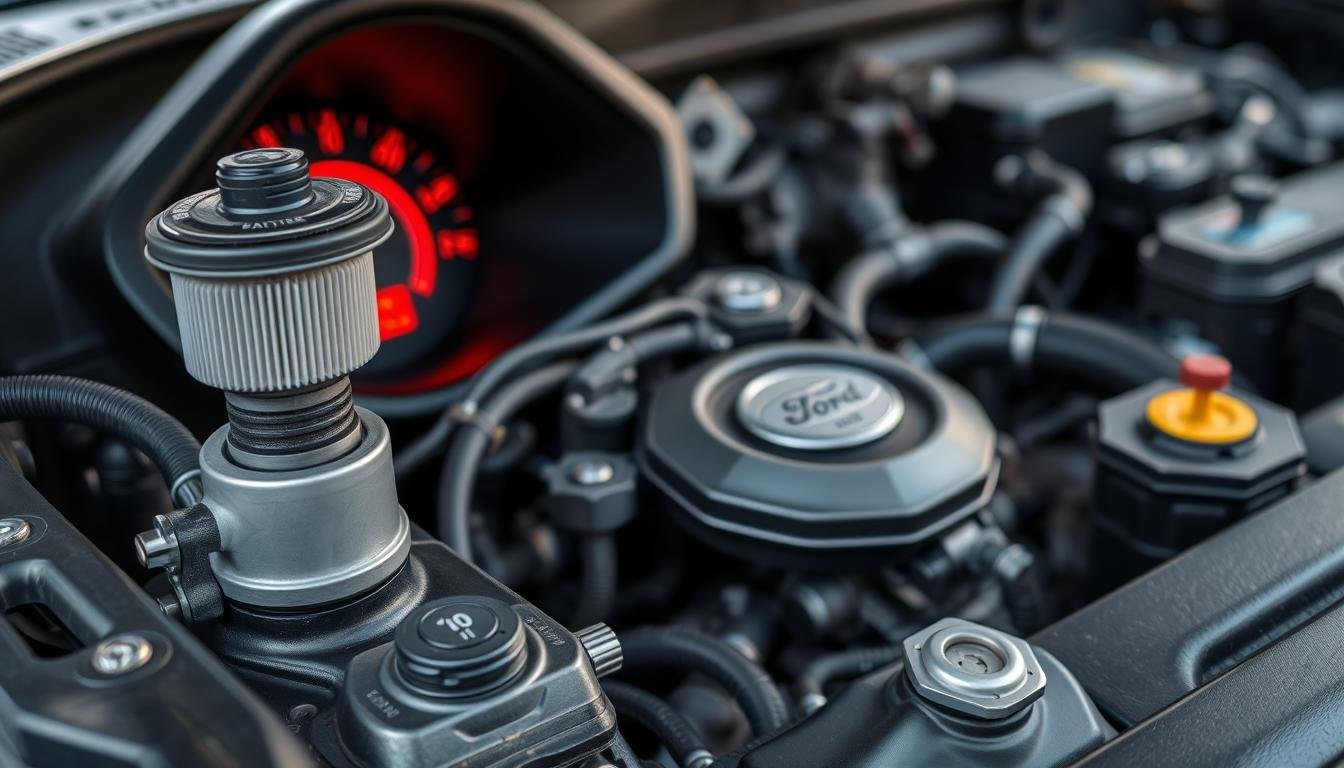
How To Fix Low Engine Oil Pressure Ford? Essential 9 Info
Is your Ford showing low engine oil pressure? It’s very important to tackle this issue quickly. If ignored, it could seriously harm your engine.
This article shows you how to handle low oil pressure. It covers everything from understanding the oil pressure warning to fixing the problem.
First, we’ll show you how to check your engine’s oil level and change the oil filter. We’ll also explain how to examine the oil pump for issues.
These steps help fix low oil pressure. They also keep your vehicle running well for a long time. We’ll go over common reasons for low oil pressure and how to prevent them.
What is Engine Oil Pressure?
Engine oil pressure is about how well the oil moves through an engine, thanks to the oil pump.
This pressure keeps the engine running smoothly by lubricating parts, controlling temperature, and boosting performance.
It reduces friction and prevents parts from wearing out too quickly. The engine’s oil pressure is measured in pounds per square inch (PSI).
This number can change with the engine’s speed and the oil’s thickness. An oil pressure gauge helps you watch the oil pressure in real time, so you can keep an eye on your engine’s health.
If the gauge isn’t working right, your engine could get seriously damaged. A key part in measuring this pressure is the oil pressure sensor.
It warns you by lighting up your dashboard if the pressure drops too low. By paying attention to the oil pressure gauge and sensor, you can help keep your engine in good shape.
Signs of Low Oil Pressure
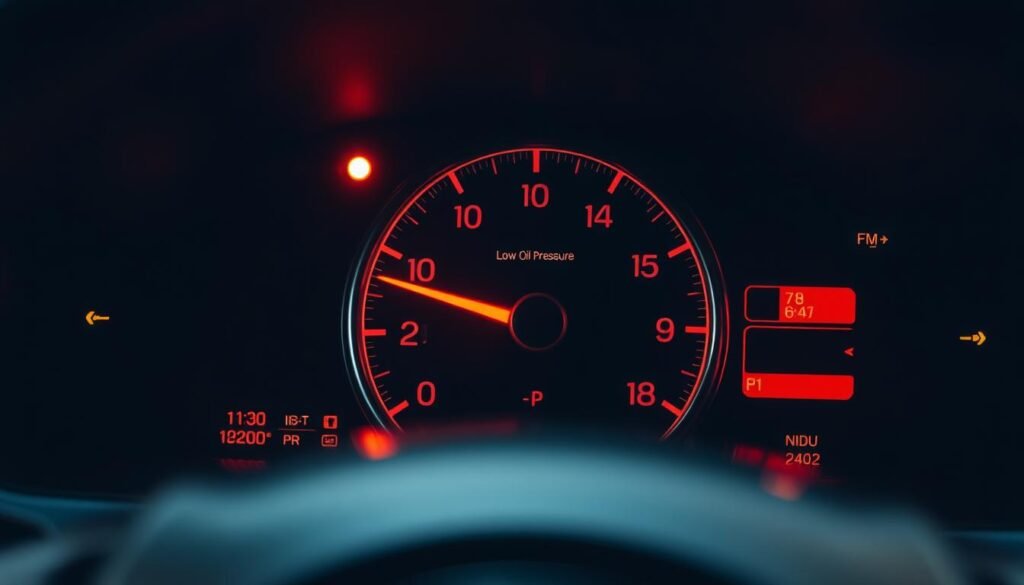
If you own a Ford, knowing about low oil pressure is key. You might see a low oil pressure symptoms ford if the gauge on your dashboard stays low.
It’s very important to keep an eye on your dashboard. This is because the oil pressure warning light might turn on. This light means you need to check your car right away.
Hearing engine knocking or ticking sounds is another big warning sign. These noises usually mean your engine isn’t getting enough oil.
You might also notice your car isn’t running as well as it should. Realizing these signs quickly is crucial. They can help you stop major damage to your engine.
Common Causes of Low Engine Oil Pressure
It’s vital to understand why Ford vehicles might have low oil pressure. Several factors can cause this issue. Catching them early helps stop further damage.
Not having enough oil is a common cause. This can happen from leaks or not keeping up with maintenance.
When the oil level gets too low, the engine components don’t get lubricated well. Engine bearings wearing out is another main cause.
As they wear down over time, it leads to an increase in clearance. This, in turn, lowers the oil pressure. Checking these regularly can catch problems early.
A faulty oil pump is crucial for keeping oil pressure up. If it breaks, it won’t move oil around the engine well. This causes the pressure to drop.
Lastly, a clogged oil filter can lead to low oil pressure. Changing the oil filter often keeps the oil flow and pressure right.
Low Engine Oil Pressure Ford: Overview of Issues
Ford vehicle owners often worry about low oil pressure. This problem can happen for many reasons and greatly affect how well the engine works.
If your Ford has low oil pressure, it might not get enough lubrication. This could cause a lot of damage if you don’t fix it quickly.
It’s really important to know how low oil pressure can affect your car. When your car’s oil pressure drops, the engine might not work as well.
This could make the engine louder, cause overheating, and make it run unevenly. If you ignore these signs, you might have to pay a lot for repairs or deal with major engine issues.
To avoid these problems, regular checks and oil changes are essential. By taking care of your Ford before issues arise, you can keep it running smoothly and avoid the troubles low oil pressure can bring.
Diagnosing Your Low Oil Pressure Problem
If you think your Ford has low oil pressure, start by checking the oil level with the dipstick. This simple step tells you a lot about your engine’s condition.
Make sure to refill the oil if it’s below the recommended level, using the right oil for your car. Then, watch the oil pressure gauge when your car is running.
Look for any changes and check if the gauge shows something abnormal. Dashboard warning lights turning on is a sign of a bigger problem, possibly needing quick action.
Doing these checks often helps catch diagnosing low oil pressure problems early. By keeping an eye out and acting fast, you can avoid bigger issues and keep your car running well.
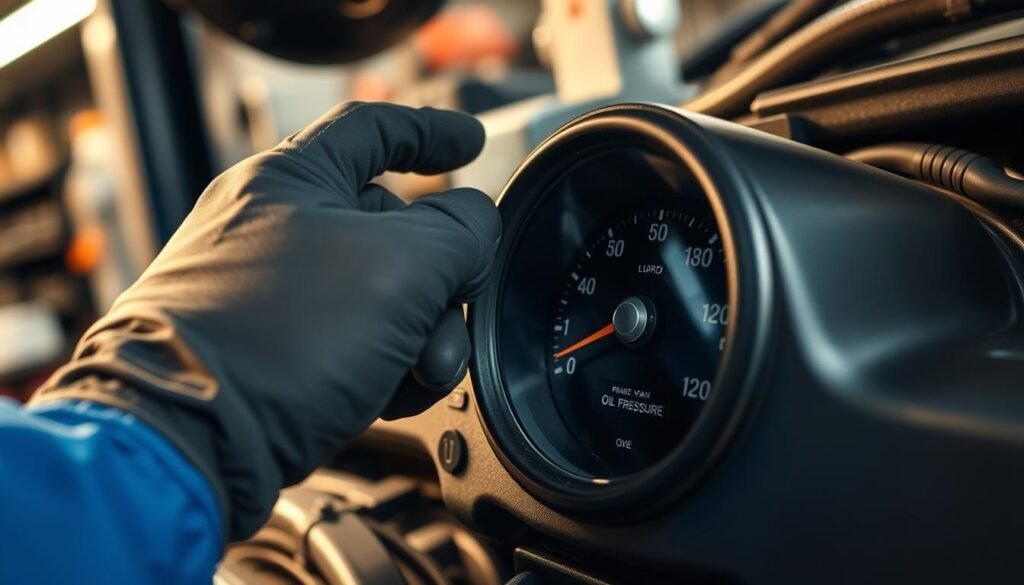
How To Fix Low Engine Oil Pressure Ford
Fixing low engine oil pressure can be simple, involving a few key steps. These actions help maintain your vehicle and boost its performance. Follow these steps for effective problem-solving.
Step 1: Verify The Engine Oil Level
First, check the engine oil. Find the dipstick, pull it out, clean it, then check again. If it’s low, fill it to the right level with the recommended oil. This is a basic yet important step.
Step 2: Replace Your Engine’s Oil Filter
Next, see if the oil filter needs changing due to dirt or clogs. A clogged filter can lower oil pressure.
Get your tools and a new filter to swap the old one out. This is key for fixing low oil pressure.
Step 3: Inspect and Replace The Oil Pump, If Needed
Lastly, check the oil pump. This part is crucial for good oil pressure. If it looks worn or broken, replace it. A good oil pump keeps the oil pressure stable.
Preventive Measures To Maintain Oil Pressure
Maintaining your Ford’s engine oil pressure is crucial. Taking steps to prevent low oil pressure helps a lot. Always stick to your car’s oil change interval.
Changing oil on time keeps it clean, ensuring it lubricates well. Also, check your oil level often. The right amount of oil is key.
Your owner’s manual tells the best oil type for your engine. Using suggested oil boosts performance and avoids oil pressure problems.
By following these tips, you can stop low oil pressure. This lets your engine run smoothly and effectively.
Regular Maintenance Tips For Your Ford
Keeping your Ford in top shape is key for its best performance and a long life. Regular care can make your car run smoother and more efficiently.
Key steps include changing the oil and filter on time, keeping an eye on fluid levels, and checking for leaks.
These steps help keep the ford oil pressure perfect. Changing the oil filter regularly is a must. It keeps the oil clean and your engine running well.
Follow the maker’s advice on when to get services to avoid damage. Also, tracking your service visits helps spot any future problems quickly.
Here’s a checklist to keep your Ford happy:
- Check oil levels often.
- Change oil and oil filter every 3,000 to 5,000 miles.
- Inspect all fluid levels, including coolant and brake fluid.
- Look for any signs of leaks or irregularities.
- Maintain air filters to support engine efficiency.
- Schedule regular inspections and tune-ups.
| Maintenance Task | Frequency | Importance |
|---|---|---|
| Oil Changes | 3,000-5,000 miles | Prevents engine wear and maintains ford oil pressure |
| Oil Filter Changes | With every oil change | Ensures clean oil flow |
| Fluid Level Checks | Monthly | Prevents overheating and ensures proper vehicle function |
| General Inspections | Every 6 months | Identifies early signs of wear and mechanical issues |
Following these maintenance tips will keep your Ford running great. It also avoids problems with oil pressure in the future.
When To Seek Professional Help
Dealing with low engine oil pressure might seem simple at first. But sometimes, you really need to ask for expert help.
When you keep seeing warnings about low oil pressure in your Ford, it’s a big deal. Not paying attention to these alerts can cause major engine troubles.
This impacts how well your car works and how long it lasts. Even after checking the oil level and the oil filter, problems might still be there.
This is when a mechanic’s eye is needed. They can find hidden issues. A skilled mechanic will accurately figure out why the oil pressure is low in your Ford.
Getting help from a pro does more than just fix the current problem. It also prevents expensive damage in the future. Acting quickly on low oil pressure issues helps keep your car in top shape.
Conclusion
Fixing low engine oil pressure in your Ford is vital for your car’s well-being. By noticing signs early, you can prevent bigger problems later.
This article has given you expert tips and solutions for dealing with low oil pressure.
Knowing why low oil pressure happens and how to stop it helps keep your Ford in good shape.
Checking your car regularly and keeping up with maintenance helps your engine run well.
It also keeps repair costs down. Follow the advice given here to keep your car healthy. To sum up, being aware of low engine oil pressure and using these tips protects your car.
It also makes you a more confident car owner. A well-kept car means safer and more enjoyable trips.
FAQs
Q: What should I do if my Ford oil pressure gauge shows low readings?
A: First, check the engine oil level with the dipstick. If the oil is low, fill it up to the right level. If low pressure stays, see a mechanic and watch out for warning lights.
Q: How can I tell if my Ford oil pressure sensor is faulty?
A: You might notice unstable gauge readings or the oil pressure light flickering. The light might also stay on even when the oil level is okay.
Q: What are the common symptoms of low oil pressure in Ford vehicles?
A: Signs include a low oil pressure gauge reading and an oil warning light on. You might hear engine noise or notice it’s not running smoothly.
Q: How often should I check my engine oil for low pressure indications?
A: Check your engine oil and pressure gauge often, like every month or before big trips. This helps find problems early.
Q: What type of oil should I use for my Ford to maintain optimal oil pressure?
A: Follow your Ford’s manual for the right oil type. It tells you the best viscosity and specifications for your engine.
Q: Can low oil pressure lead to engine damage in Ford vehicles?
A: Yes, if oil pressure is low, it can cause overheating and more wear. This might lead to big engine problems quickly if you don’t fix it.
Q: When should I consider seeking professional help for low oil pressure issues?
A: If low oil pressure warnings keep happening or if you can’t fix it yourself, see a mechanic. This can prevent major damage to your engine.