Ford F150 PCM Failure Symptoms Explained
The PCM, or Powertrain Control Module, is vital for your Ford F-150’s health. It controls engine performance and fuel efficiency.
If your check engine light acts up or your engine stalls, these could be PCM trouble signs. Knowing ford f150 pcm failure symptoms helps avoid costly repairs.
Keeping an eye on how your vehicle performs is crucial for its care. Signs of PCM trouble include connection issues with an OBDII scan device and strange engine behavior.
Catching these signs early can help you fix problems sooner, saving your truck from more harm.
We will dive deeper into Ford F150 computer failure signs, how to spot them, and diagnosis steps. By being informed, you can keep your Ford F-150 running well.
What is The PCM and Its Importance?
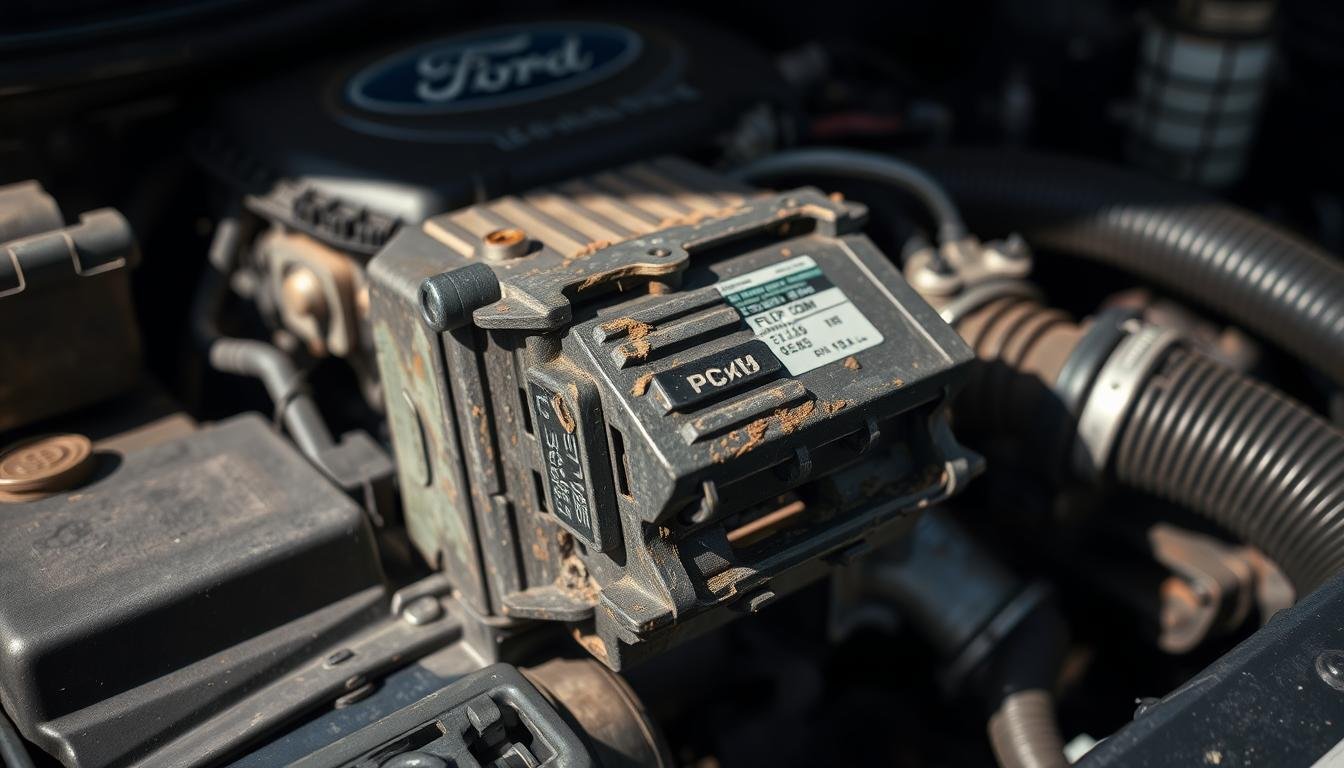
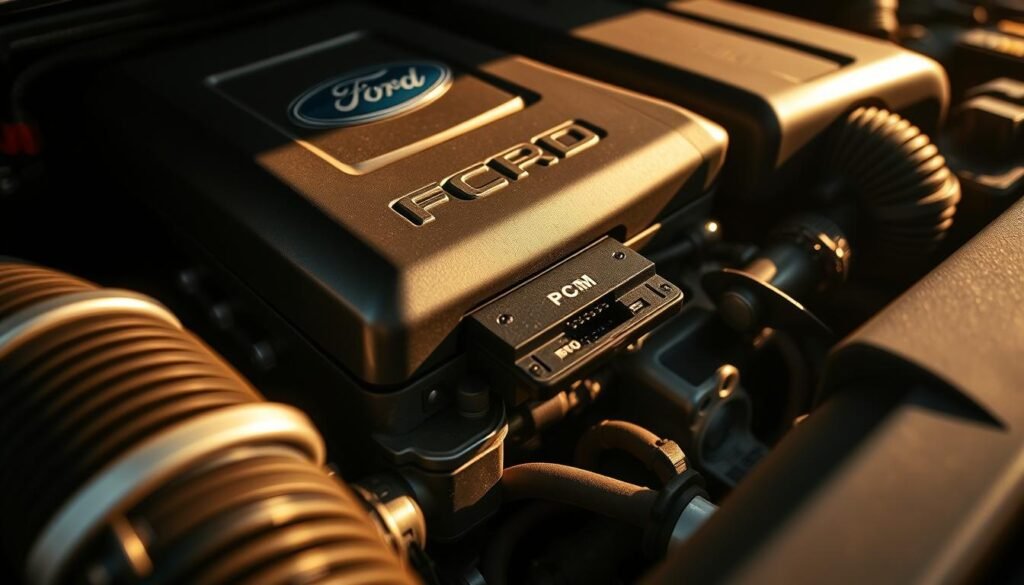
The PCM, or Powertrain Control Module, is like the brain of your Ford F-150. It controls the engine, transmission, and emissions.
It makes sure all parts talk to each other well, so your truck runs smoothly. Knowing why the PCM matters helps keep your Ford at its best.
Here’s how the PCM in a Ford F-150 works. It checks all the data from sensors around the truck.
Then, it adjusts to keep your engine running right, save on gas, and cut down on pollution. A working PCM makes your drive better and your vehicle last longer.
Common Symptoms of A Bad PCM
Knowing the common pcm issues ford f150 is key to keeping your car running well. A failing PCM shows clear signs.
You might see your engine act up, causing sudden misfires or stalling while you drive. This usually means poorer gas mileage, showing your engine might not be working right.
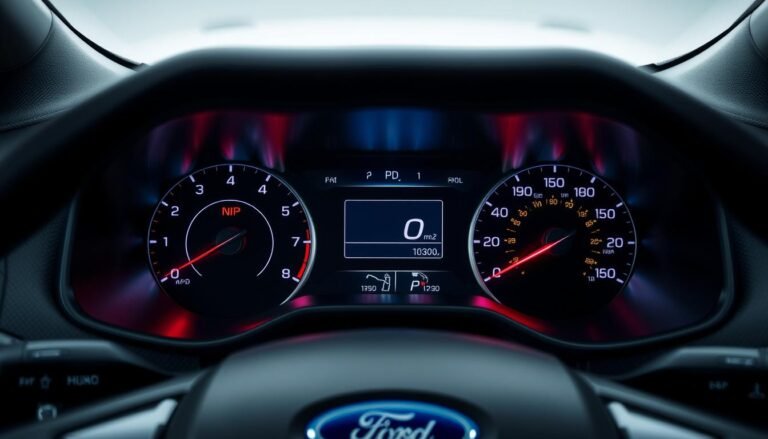
Electrical issues often come with these signs. Seeing warning lights on your dashboard? These bad pcm signs suggest bigger problems with the engine control module.
It’s crucial to pay attention to these symptoms. Catching these engine control module problems early can stop worse damage later on.
Identifying Signs of Ford f150 PCM Failure Symptoms
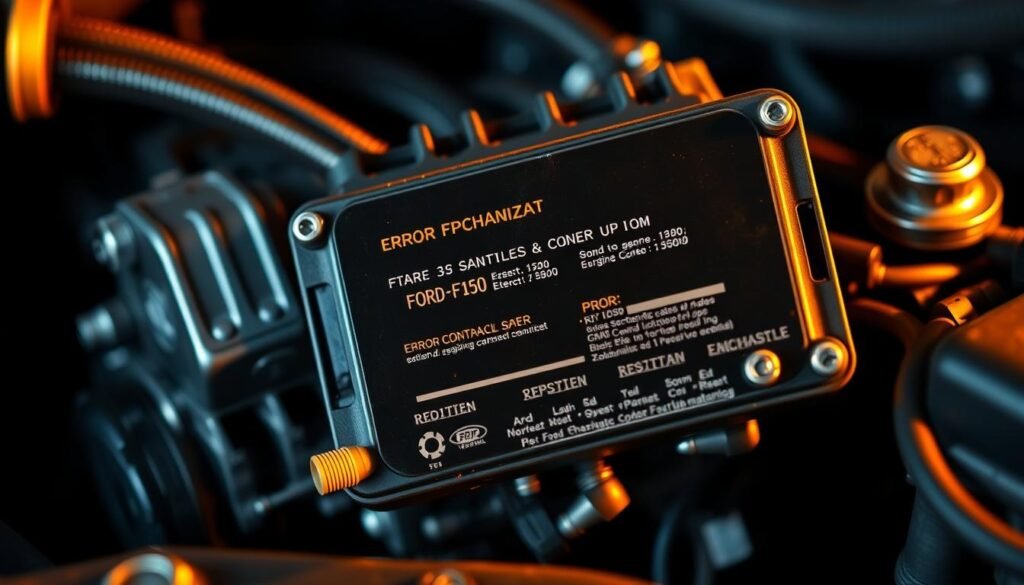
Spotting signs of PCM trouble in your Ford F150 is key to keeping it running well. When the PCM begins to fail, you might see different symptoms.
For example, the check engine light might stay on or blink now and then. Starting the engine could also become a challenge, causing delays.
Another sign of PCM trouble is the way your truck shifts gears. If your Ford F-150 shifts in a rough or unpredictable way, it might mean there’s a PCM problem.
Also, if you’re using more gas than usual, it could show that the engine’s control system isn’t working right.
Noticing these signs early lets you fix problems before they get worse. It’s important to be aware of PCM issues in your Ford F150. This helps in getting repairs done on time.
Ford F150 PCM Failure Symptoms
Knowing when your Ford F150’s PCM might be failing is key to avoiding further trouble.
You’ll likely see clear signs that point to issues with the truck’s powertrain control module. Quickly acting on these symptoms helps keep your truck in top shape.
Inability To Connect OBDII Scan Device
One early sign is trouble connecting an OBDII scanner. This problem usually means there’s a hiccup in the diagnostic link.
If the scanner won’t connect, it often means the PCM has issues. Fixing this quickly is crucial to dodge bigger problems.
Check Engine Light Activation
Seeing the check engine light is a big clue. It usually lights up if the PCM fails its own checks. Don’t ignore this light, as it could mean your vehicle’s performance might get worse.
Engine Stalling or Hesitation
Engine stalling or hesitation is worrying. It means your engine might not be chatting right with the PCM.
This could risk your safety and your truck’s performance. It’s important to fix these problems fast to avoid risky driving situations.
Related Warning Indicators and Performance Issues
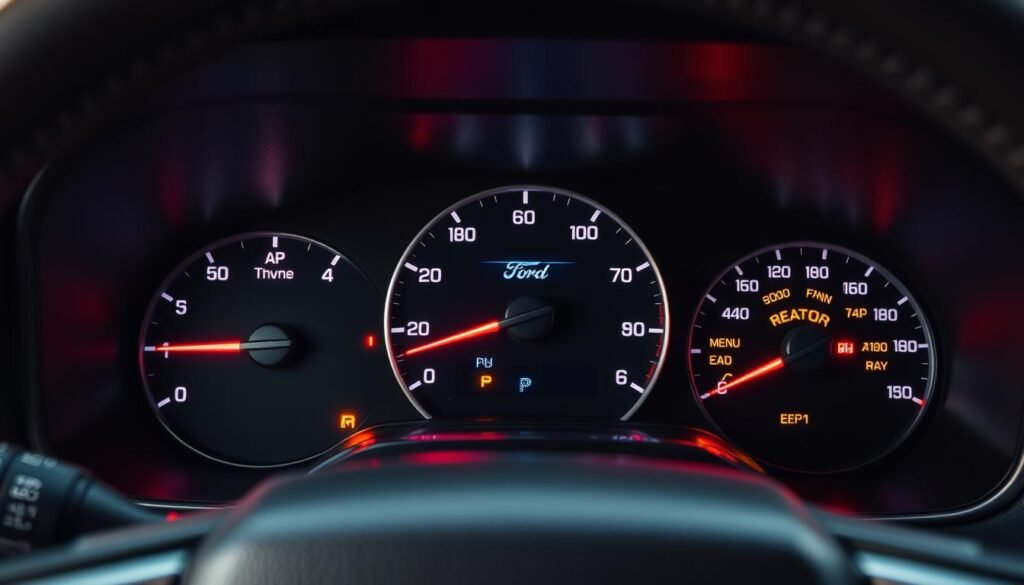
Problems with the Powertrain Control Module (PCM) can make various warning indicators in Ford F150 light up.
The check engine light is a common one that hints at engine issues. If the PCM isn’t working right, your car may idle roughly, accelerate poorly, or stall while you’re driving.
You might see other alerts on your dashboard too. These could mean the PCM isn’t talking right with other car parts.
This can cause your car to speed up suddenly or lose power. It’s important to fix these issues quickly.
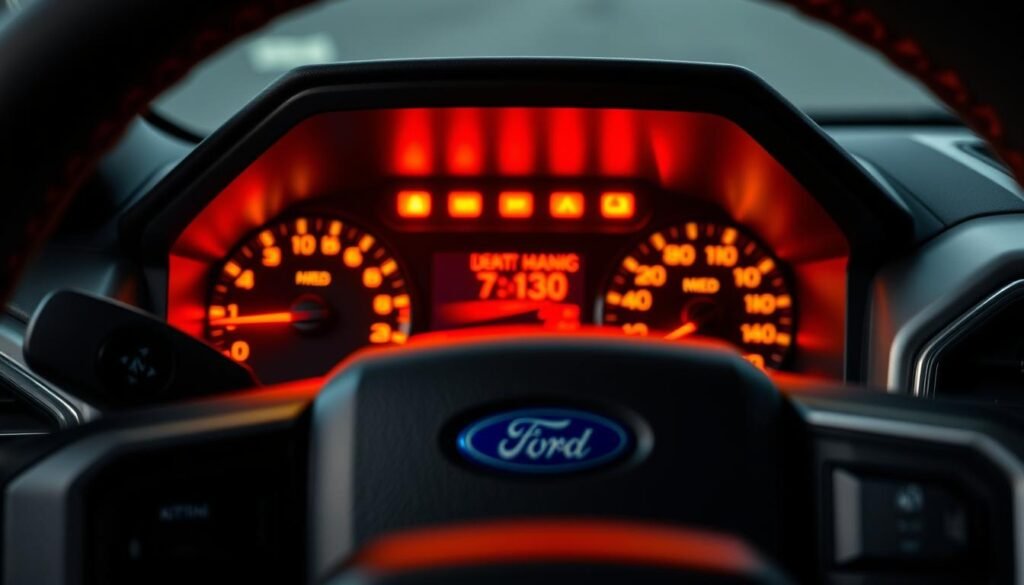
Knowing why the check engine light comes on is key to taking care of your car. If this light stays on, it means something’s not right.
You should get your car checked by a professional. Not doing so can harm your Ford F150 badly, including the transmission and fuel system.
| Warning Indicator | Potential Issue | Recommended Action |
|---|---|---|
| Check Engine Light | PCM malfunction, sensor failure | Run a diagnostic scan |
| Transmission Warning Light | Shifting issues | Check transmission fluid and PCM communication |
| Battery Warning Light | Electrical issues due to PCM | Inspect electrical connections |
| Brake Warning Light | Potential sensor error | Have brakes and sensors inspected |
How To Test A PCM on A Ford F150
To test the PCM in your Ford F150, start with an OBD-II scanner. This device reads error codes (DTCs) that point out PCM problems.
Plug the scanner into the vehicle’s OBD-II port beneath the dashboard. Then, look for any codes to help diagnose the issue.
Next, check the PCM’s wires and connections closely. Look for damaged parts like corrosion or loose connectors.
This step helps spot issues early on, before tougher tests are needed. For deeper insights, use a multimeter.
It checks if the electrical system works right. With a multimeter, test the ford f150 pcm failure symptoms for correct voltage and grounding.
| Step | Description |
|---|---|
| 1 | Connect OBD-II scanner and read DTCs. |
| 2 | Visually inspect wiring for damage. |
| 3 | Use a multimeter to check continuity and resistance. |
| 4 | Analyze findings to identify any faults. |
Using a detailed approach in diagnosing PCM issues is key. It allows for precise problem identification. By doing so, you ensure your vehicle runs better for longer.
Learning Ford f150 PCM Failure Symptoms
Knowing how to spot ford f150 pcm failure symptoms is key to keeping your car reliable. A failing PCM can cause many issues that start off small.
Catching these signs early can help you avoid bigger troubles later. Some common signs include odd shifting in automatic gears.
This may hint at deeper pcm issues. You might also find errors with ignition timing, hurting how your engine runs.
Or, your throttle responses may not be smooth. Being aware helps you grasp pcm errors and the safety risks of not fixing them quickly.
Common Causes of PCM Failure
Knowing why PCMs fail in Ford F150s can boost your truck’s performance and reliability. The main reasons include voltage overloads and damage from the environment.
By handling these problems early, you can keep your PCM working longer and save on repairs.
Voltage Overloads
Voltage overloads are a top reason for PCM failure in the Ford F150. They happen when voltage regulators break or when non-Ford parts cause spikes in voltage.
These spikes can mess with your engine or even break the PCM. To avoid this, use only genuine Ford parts and make sure everything’s installed right.
Environmental Factors
The environment can also harm your PCM. Things like too much heat, water, or physical damage can ruin the module.
Ford f150 PCM Failure Symptoms like For example, water getting in can cause short circuits or rust, hurting the PCM’s work.
Checking for wear or damage, especially after being in bad weather or going off-road, helps keep your PCM in good shape.
Professional PCM Testing and Repair Services
If your Ford F150 is not running right, it’s smart to look into professional PCM testing.
Experts have the right tools and know-how to check your Powertrain Control Module (PCM) completely.
They make sure every part of the PCM is looked over to find exactly what’s wrong. When checking your car, pros don’t just look at the PCM.
They also check other essential parts that work with it. This detailed check stops more problems later on. It helps your car run better.
Getting a pro to fix PCM problems is key for your car’s long health. The techs find and fix issues with lasting solutions.
This makes your Ford F150 work well and stay reliable. Avoiding doing it yourself saves you both time and money, and your car is cared for by experts.
DIY PCM Testing Techniques
If you like doing things yourself, diy pcm testing ford f150 is possible with some simple tools.
Start by checking for damaged wires or rust that could hurt the powertrain control module. Spotting problems early is key.
Then, use a multimeter to check your vehicle’s battery power. It’s vital to make sure the battery is strong, as weak power can cause PCM issues.
This step is a fundamental part of home techniques for testing pcm. Using an OBD-II scanner to look for error codes is another smart move.
This helps you find out exactly what’s wrong with your PCM. It helps you decide whether you need to fix it or get a new one, showing good amateur pcm diagnostics skills.
Conclusion
Knowing when your Ford f150 PCM Failure Symptoms might fail is key to keeping your vehicle running well. Catching these signs early helps avoid bigger issues.
It makes for a smoother ride. You can try fixing these problems yourself or get help from a pro. Knowing different PCM problems is crucial.
It helps you act fast to keep your truck reliable and efficient. This knowledge is vital for taking good care of your Ford F150.
When it comes to PCM issues, acting quickly is best. This approach saves you money on repairs and keeps your truck performing at its best.
By paying attention to these symptoms, you’ll be ready for any troubles that come up.
FAQs
Q: What are the symptoms of Ford F150 PCM failure?
A: Symptoms include erratic engine behavior, misfires, and stalling. You might also notice poor gas mileage and dashboard warnings.
Q: How do I know if my Ford F150’s PCM is failing?
A: Signs include trouble starting the engine and weird shifting patterns. Also, it may not connect to an OBDII scanner.
Q: What common PCM issues should I be aware of?
A: Watch out for electrical issues like the check engine light turning on, bad engine performance, and odd vehicle behavior.
Q: How can I diagnose PCM problems in my Ford F150?
A: Use an OBD-II scanner for codes. Check the wiring and connectors, and test electrical paths with a multimeter.
Q: What troubleshooting tips can help with PCM issues?
A: Checking the PCM regularly, ensuring the battery voltage is right, and watching for overheating or damage are key steps.
Q: How can I detect PCM failure in my Ford F150?
A: Symptoms to watch for are stalling, hesitation during acceleration, shifting issues, and any dashboard alerts, like the check engine light.
Q: What are the common causes of PCM failure in my Ford F150?
A: Usual reasons include voltage problems from bad voltage regulators and damage from too much heat or moisture.
Q: Should I seek professional help for PCM issues, or can I fix them myself?
A: You can try to test it yourself, but it’s best to get professional help for ongoing problems. This way, you ensure everything is fixed right.