Ford Escape Years To Avoid: Buyer’s Guide
Knowing which Ford Escape years to avoid is key for a good buy. Since its start in 2000, the Ford Escape has changed a lot.
Yet, some years are known for not being reliable, affecting how well you enjoy driving. Our guide helps you pick the right Escape, avoiding any trouble.
In this guide, you’ll get to know about major issues with certain models. It covers the years known for engine and transmission problems.
Plus, it shows which models are more reliable, leading you to a safer choice. Figuring out which Ford Escape years to stay away from saves money and hassle.
This part of the guide focuses on the problem models. You’ll have all the details to make a smart choice on your next car.
Introduction To The Ford Escape
The Ford Escape stands out in the compact crossover world. It beautifully mixes an SUV’s usefulness with a sedan’s gas mileage.
Since it first came out, it has become known for its ability to adapt. This makes it a top pick for both families and city folks.
The Ford Escape offers something for everyone, including hybrid models. In this overview of the Ford Escape, we’ll cover more than just its usefulness.
We’ll dive into the tech and design that have shaped its story. For those thinking about buying one, it’s key to know about its SUV roots.
This knowledge helps buyers choose wisely. If you’re looking for a dependable car for everyday driving or something with room for adventures, getting to know the Ford Escape is a smart move.
What is The Ford Escape’s History?
The Ford Escape arrived in the early 2000s. It was a big moment for compact crossover SUVs. It mixed the best parts of a sedan and an SUV.
This made it very popular in its category. The Ford Escape’s story shows the brand’s effort to combine fuel efficiency and fun driving, drawing in many customers.
After 2008, the Ford Escape saw many redesigns that made it even better. The SUV introduced hybrid technology and better safety features.
These changes helped it stand out in a very busy SUV market. Sometimes, the Ford Escape faced challenges. With new tech, some models had reliability problems.
People thinking about buying this SUV should know about these issues. They could affect how happy you are with the car in the long run.

| Model Year | Key Features | Notable Innovations |
|---|---|---|
| 2001-2006 | Compact Size, Fuel Efficiency | Initial Hybrid Option |
| 2008 | Complete Redesign, Improved Handling | Advanced Safety Features |
| 2013-2019 | More Interior Space, Modernized Tech | EcoBoost Engine Technology |
Ford Escape Years To Avoid: Key Highlights
When looking at a Ford Escape, it’s important to know which years have problems. Certain model years have had a lot of reliability issues that could change your mind.
You should avoid the 2005, 2008, 2013, and 2014 models. These models had many complaints made to the National Highway Traffic Safety Administration (NHTSA).
The complaints were about the engine, transmission, and safety issues. Avoiding these problematic years can save you from high repair costs and headaches.
Make sure to look into the specific complaints for each model. This will help you understand the reliability issues. They could impact how much you enjoy driving and owning the car.
| Model Year | Common Issues | Reliability Concerns |
|---|---|---|
| 2005 | Transmission problems, engine stalling | High rate of NHTSA complaints |
| 2008 | Steering difficulties, electrical issues | Notable safety recalls |
| 2013 | Transmission failures, engine fires | Poor performance ratings |
| 2014 | Transmission troubles, excessive oil consumption | Multiple consumer complaints |
The Most Problematic Ford Escape Models
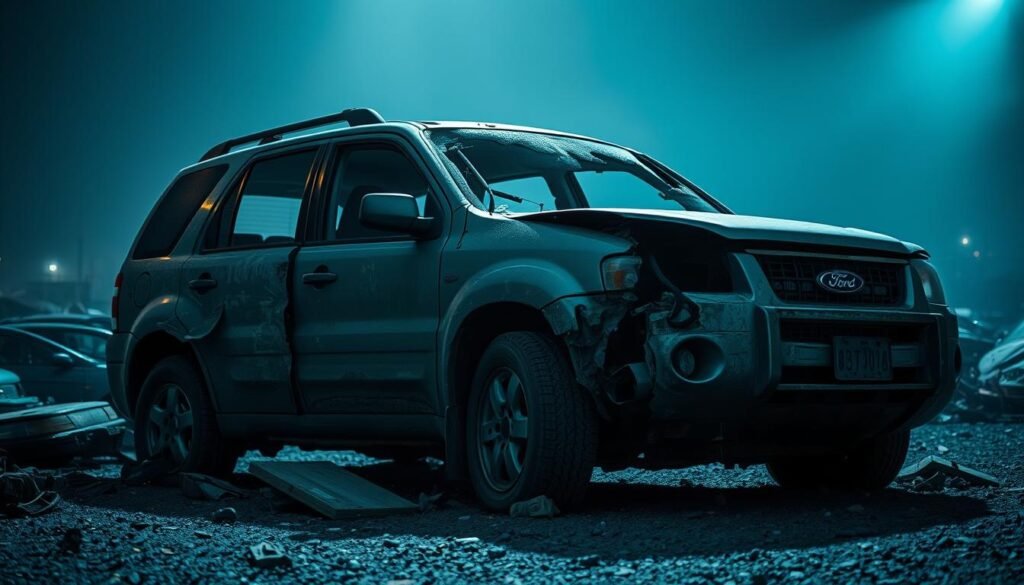
The 2013 Ford Escape is known for its problems. Many owners have reported serious issues. Understanding these severe problems is crucial for potential buyers.
The 2013 Ford Escape
The 2013 model has gained a bad reputation. This is due to the over 3,000 complaints reported.
Various groups have advised against buying it. Owners have faced sudden engine stops and failures.
These problems happen without warning. They not only pose a safety risk but also point to bigger mechanical issues.
Key Issues Reported
- Engine stalling during operation, posing a significant safety risk.
- Frequent transmission failures happening around 60,000 miles, leading to significant repair costs.
- Incidents of engine fires, raising alarms among vehicle owners and potential buyers.
The high number of complaints for the 2013 Ford Escape is alarming. It’s important for buyers to be aware and cautious.
Researching and understanding these issues is key before deciding to purchase.
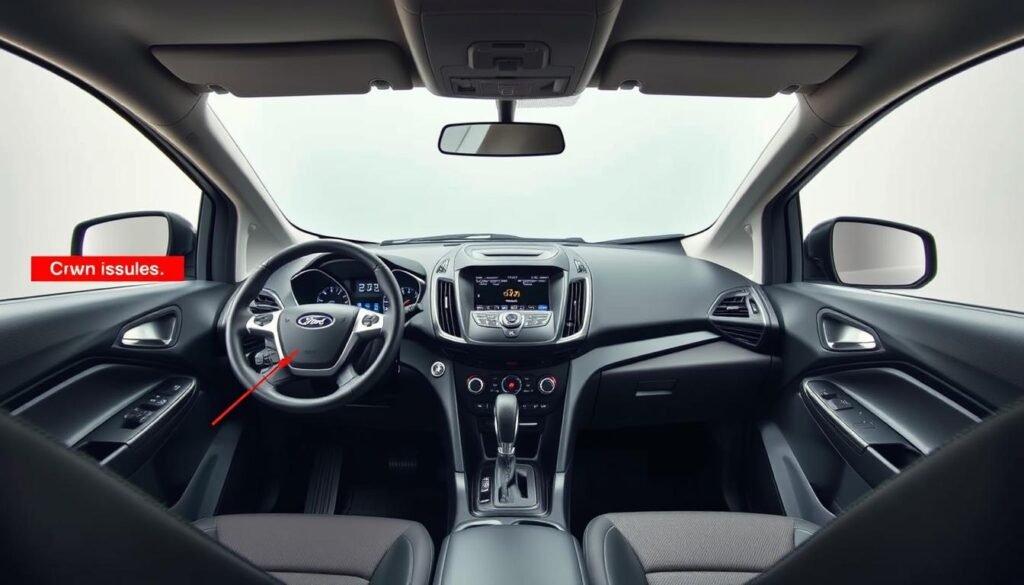
The 2014 Ford Escape: Known Problems
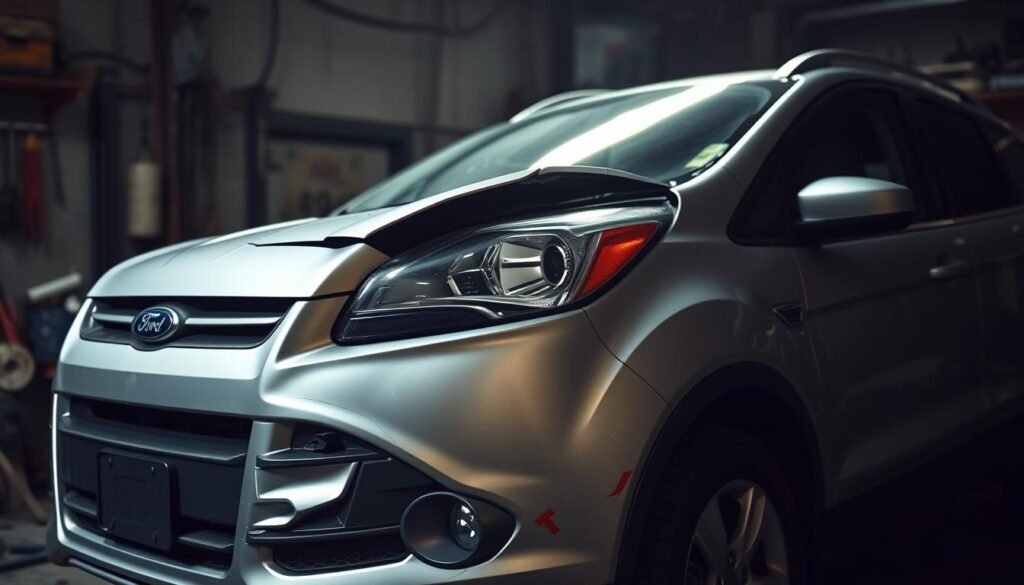
The 2014 Ford Escape has some issues that stand out. Many people have reported problems with it.
It’s known for its transmission failures, engine issues, and many complaints to the NHTSA. If you’re thinking about buying this car, you might want to think twice.
Transmission Troubles and Complaints
Transmission problems are a big issue with the 2014 Ford Escape. Owners have shared stories of transmission failures. This leads to unexpected shifts or the car breaking down.
Fixing these problems can cost more than $5,000. This is a big deal for anyone looking to buy this car.
NHTSA Complaints Overview
There are over 2,000 complaints to the NHTSA about the 2014 Ford Escape. Problems include the engine overheating and issues with the electrical system.
There have also been 14 recalls. These numbers show serious quality issues. They are a warning to be very careful before buying this car.
| Issue Type | Count | Estimated Repair Cost |
|---|---|---|
| Transmission Failures | Over 1,000 | $5,000+ |
| Engine Problems | Over 800 | $3,000+ |
| Electrical System Failures | Over 200 | $1,500+ |
| Total NHTSA Complaints | 2,000+ | N/A |
Ford Escape Models To Steer Clear Of
When looking into the Ford Escape, it’s crucial to know which models to avoid. The 2013 and 2014 Escapes, along with the 2005 and 2008 models, have many issues.
The 2005 model alone has close to 2,000 complaints. Most issues involve engine shutdowns and mechanical failures that can be very dangerous. The 2008 model also has numerous complaints, especially about its power steering and brakes.
Knowing which Ford Escape years to avoid helps you make a better choice. Focus on models that are more dependable. Always heed the safety warnings for these specific models to stay safe on the road.
Major Concerns with the 2008 Ford Escape
The 2008 Ford Escape is known for its problems. Over 2,000 issues have been reported, making it a car to avoid. The most serious problems are with the transmission and steering. There are also many engine complaints.
Transmission and Steering Concerns
Steering issues and transmission problems are common with the 2008 Ford Escape. Drivers have faced:
- Power steering failures that can result in a loss of control.
- Transmission slipping, which affects acceleration.
- Unusual noises during gear shifts, indicating potential mechanical problems.
Engine Issues and Complaints
Engine problems are also a major issue for many Escape owners. Common engine issues include:
- Unexpected engine shutdowns while driving, posing safety risks.
- Increased oil consumption, leading to potentially severe engine damage.
- Malfunctions in engine performance affecting reliability.
| Concern Area | Reported Issues | Potential Risks |
|---|---|---|
| Steering | Power steering failures | Loss of vehicle control |
| Transmission | Transmission slipping | Acceleration problems |
| Engine | Engine shutdowns | Safety hazards on the road |
Common Issues in Ford Escape Vehicles
The Ford Escape is well-liked for being small and flexible. However, it’s known for some common problems. Engine fires have caused recalls, especially in the 2012 to 2013 models. Issues with the transmission have also been a worry, leading to high repair costs. Knowing about these problems can help you keep your car in good shape.
Engine Fires and Related Recalls
Some Ford Escape models have had engine fires, leading to recalls. The years 2012 and 2013 saw more of these fires. It’s important for owners to check if there are any recalls for their car. Making sure your car is repaired when needed can cut down the chance of engine fires.
Transmission Failures and Maintenance Tips
Many Ford Escape owners have faced transmission failures. These issues pop up in different model years and can be expensive to fix. Regular maintenance is key to avoid transmission problems. Here are some tips:
- Change the fluid often to keep the transmission working well.
- Stick to the manufacturer’s service plan for complete checks.
- Watch for signs like slipping gears or strange noises.
Following these tips can lower the risk of problems with your Ford Escape. This can also make the car run better.
| Model Year | Common Issues | Recall Status |
|---|---|---|
| 2012 | Engine fires, transmission failures | Recall active |
| 2013 | Engine fires, transmission concerns | Recall active |
| 2014 | Transmission failures | No recall |
Identifying Reliable Ford Escape Models
Looking for a solid Ford Escape? The 2012 model is a top choice. It’s known for being really reliable and performing well. Drivers have reported fewer problems with it, and it’s built to last.
The 2005 and 2011 Ford Escapes are also good picks. They’re celebrated for their durability and engine power. Choosing these models means getting great value and satisfaction.
| Year | Reliability Rating | Owner Satisfaction | Common Complaints |
|---|---|---|---|
| 2005 | 4.0/5 | High | Minor transmission issues |
| 2011 | 4.2/5 | Very High | Limited engine problems |
| 2012 | 4.5/5 | Very High | Negligible reports |
What Ford Escape Years to Skip
When looking to buy a Ford Escape, it’s smart to know which years to avoid. The years 2013, 2014, 2008, and 2005 have seen a lot of complaints. These certain models have serious flaws affecting their performance and reliability.
The 2013 model often faces transmission failures, and the 2014 has similar issues. The 2008 and 2005 versions struggle with engine problems. By skipping these years, you dodge many costly repairs.
Here are some Ford Escape models you might want to consider instead:
| Model Year | Issues Reported |
|---|---|
| 2013 | Transmission failures, engine performance issues |
| 2014 | Transmission complaints, safety recalls |
| 2008 | Engine issues, steering concerns |
| 2005 | Electrical faults, engine overheating |
Choosing wisely among the Ford Escape models enhances your experience. It helps you avoid the years with many issues.
Conclusion
Looking for a used Ford Escape can seem tough at first. But with this year guide, you get the key info you need. It shows you which years to skip and where to look instead. This makes you more confident when buying.
This advice helps you find a good Ford Escape and avoid lots of repair problems. Remember, not every car in a generation is the same. Being careful helps you find a good one.
Following this guide, you can see why the Ford Escape is a great pick in the compact SUV world. A smart choice now leads to reliable rides in the future.
FAQs
Q: What are the Ford Escape years to avoid?
A: Steer clear of the 2005, 2008, 2013, and 2014 Ford Escapes. They have major reliability concerns and a lot of complaints.
Q: What common issues are found in problematic Ford Escape models?
A: These models often have engine stalls and transmission failures. They also suffer from overheating, electrical problems, and faulty power steering.
Q: Why is the 2013 Ford Escape considered a “Do Not Buy” model?
A: With over 3,000 complaints, including serious engine and transmission issues, the 2013 Ford Escape is risky. It’s known for safety worries.
Q: What specific problems have been reported for the 2014 Ford Escape?
A: People report the 2014 Ford Escape for engine overheating and transmission failures. It also has many recalls, posing a purchase risk.
Q: Are there any Ford Escape models that are more reliable?
A: Indeed, the 2012 Ford Escape is reliable. The 2005 and 2011 versions also have fewer problems compared to others.
Q: What maintenance tips can help avoid common issues in Ford Escape vehicles?
A: Doing regular maintenance is crucial. This includes changing fluids on time, following the service schedules, and quickly handling any warning lights.
Q: How can I identify a problematic Ford Escape before purchasing?
A: Look at the car’s history for recalls and complaints. Also, check engine performance and transmission. Finally, see reliability ratings. This helps spot issues.