Ford 6.7 Crankcase Filter Replacement Better Guide
Changing the Ford 6.7 crankcase filter keeps your diesel engine running well. This important step helps your truck run smoothly and efficiently.
You’ll learn how to find and replace the filter in simple steps. Checking the crankcase ventilation (CCV) filter often can prevent engine problems.
This guide gives you the skills to do it yourself, saving both time and money. You’ll learn about diesel engine care and when to change the filter, keeping your truck in great condition.
Introduction: Importance of Ford 6.7 Crankcase Filter Replacement
Replacing the Ford 6.7 crankcase filter is key for keeping your truck running well. It helps the engine stay healthy by fighting sludge buildup.
That way, your engine can do its job better, and potential issues are avoided.
Maintaining Engine Performance
Having a clean crankcase filter keeps your engine working right. It’s especially important in diesel engines, like the Ford 6.7L Powerstroke.
It cuts down on emissions, makes your engine run smoother, and even saves on fuel.
Moreover, changing the filter on time avoids damage to the engine. It prevents excess wear on its parts, keeping everything working longer.
Environmental Considerations
With environmental rules getting stricter, changing your crankcase filter on time is more important than ever. It makes sure you meet those rules and keeps the planet cleaner.
Doing this simple maintenance step can improve air quality and lower emissions from your truck.
What’s The CCV System?
The CCV system is key to keeping your Ford 6.7L engine running well. It handles the gases that escape during combustion and sends them back to the intake manifold.
This cuts down emissions and stops sludge from building up in the engine.
What is The Crankcase Ventilation (CCV) System?
This system gets rid of harmful gases from the engine’s crankcase. It sends them back into the intake system.
By doing this, it burns off emissions effectively and keeps engine oil clean. A strong CCV system is crucial for filtering in diesel engines, making sure your engine performs at its best.
How The CCV Filter Works?
The CCV filter plays a vital role by catching particles and vapors from the crankcase. It filters out unwanted materials before they can go back into the combustion chamber.
This step is important for keeping emissions low and making sure the engine runs efficiently.
A good CCV filter keeps your diesel engine healthy and boosts your vehicle’s performance.
| Function | Importance |
|---|---|
| Reroutes combustion gases | Reduces emissions and prevents engine sludge |
| Cleans crankcase vapors | Maintains diesel engine filtration standards |
| Improves engine efficiency | Enhances overall vehicle performance |
Why Regular Maintenance is Essential?
Keeping your Ford 6.7 crankcase filter in check is key for your engine’s long life and power.
If you ignore it, you might face big issues that harm your vehicle’s health. It’s crucial to watch for a clogged filter to keep your engine running smoothly.
The Role of The Ford 6.7 Crankcase Filter
The crankcase filter stops dirt and junk from getting into the engine. This keeps the engine parts from wearing out quickly.
If you don’t clean the filter, your engine could wear down, perform poorly, and cost more to fix.
Keeping the filter clean means your engine stays in tip-top shape. And it keeps running powerfully.
Signs of A Clogged Crankcase Filter
Knowing when the filter is clogged can prevent bigger troubles. Look out for these warning signs:
- Decreased engine power
- Increased oil consumption
- Unusual exhaust smoke
Catching these signs early can avoid expensive fixes and keep your vehicle going strong. Remember to change the filter regularly to keep your engine happy.
When To Replace The Crankcase Filter
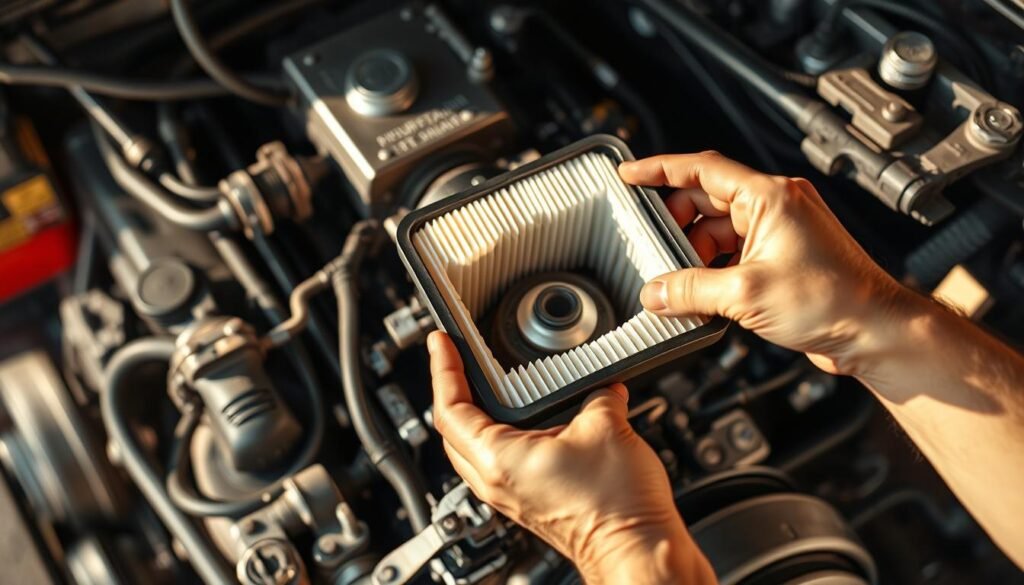
Knowing when to change the crankcase filter is key for keeping your Ford 6.7 running smoothly.
Check the suggested times to change it and watch for signs it’s failing. This way, your car stays in great shape, and you avoid big repair bills.
Symptoms Indicating The Need For Replacement
Spotting signs that you need a new crankcase filter is important. Look out for these issues:
- Sluggish acceleration.
- Increased oil consumption.
- Rough engine performance.
- Elevated exhaust emissions.
If the filter gets blocked, it can cause these problems. Fixing them quickly can save you both time and money.
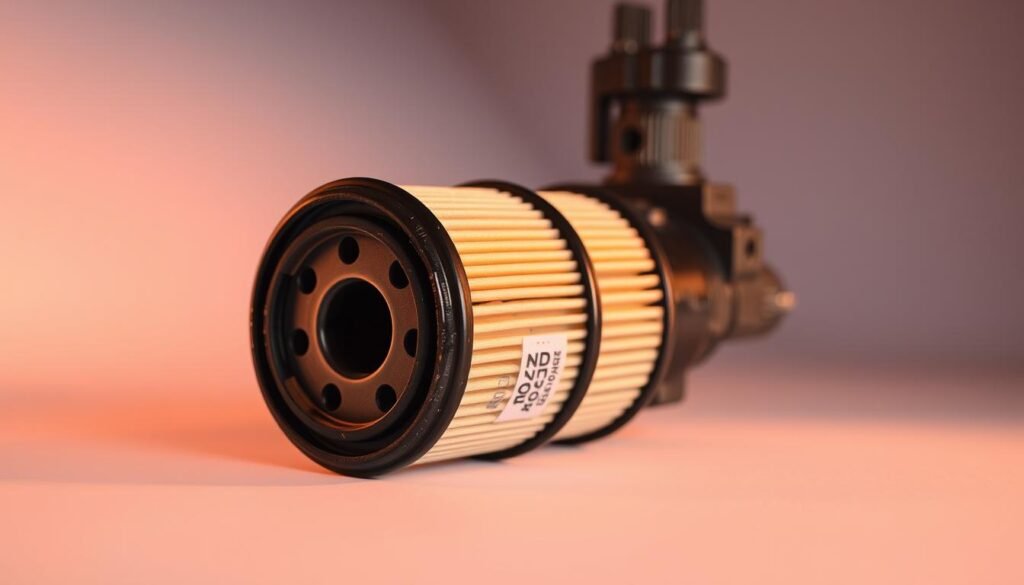
Recommended Replacement Intervals
The maintenance guide for the Ford 6.7 says to change the crankcase filter every 30,000 to 50,000 miles.
You might need to do it more often, depending on how you drive. Keep an eye on the filter to keep your car running well.
| Mileage Range | Recommended Action |
|---|---|
| 0 – 30,000 miles | Initial Filter Installation |
| 30,000 – 50,000 miles | Monitor for symptoms of filter failure |
| 50,000+ miles | Replace crankcase filter |
Preparing For The Ford 6.7 Crankcase Filter Replacement
Getting the right tools ready is key for a smooth DIY truck fix. It saves you time and makes the job go smoothly. This way, you can work efficiently from start to finish.
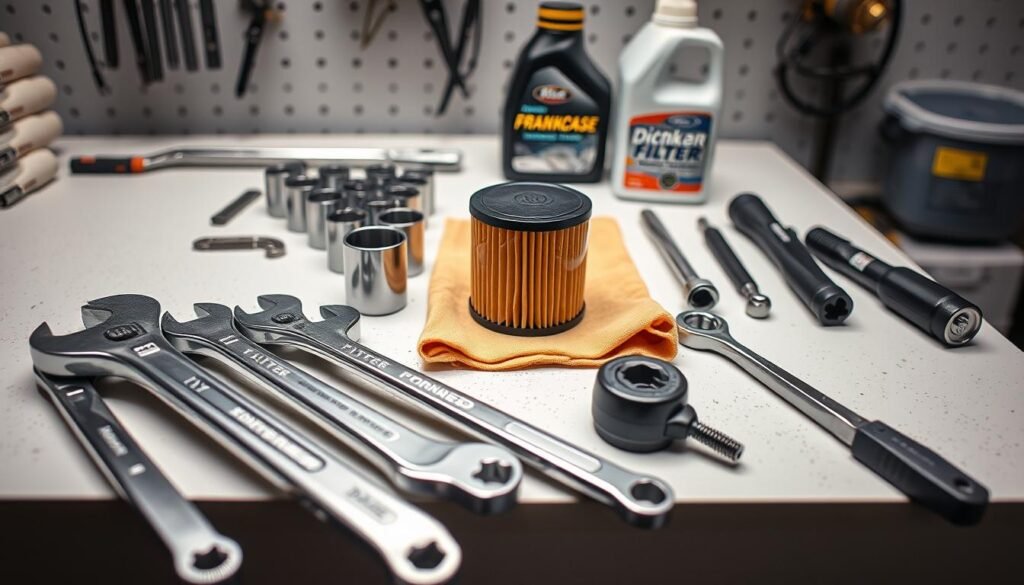
Essential Tools and Materials
To replace the filter easily, you’ll need specific tools. Here’s what you should have:
- Socket wrench
- Torque wrench
- Oil catch pan
- Cleaning rags
With these tools, removing and installing parts is damage-free and straightforward.
Choosing The Right Filter
Picking the correct filter is crucial for your truck’s vent system. For best results, use a filter that fits perfectly with your system.
The SPETUNER Powerstroke CCV Reroute Kit is a top choice. It ensures your engine stays sealed and runs smoothly.
Step-by-Step Guide To Replacing The Crankcase Filter
Changing the crankcase filter is key to keeping your engine running well. This guide will help you easily replace the CCV filter.
Locating The CCV Filter
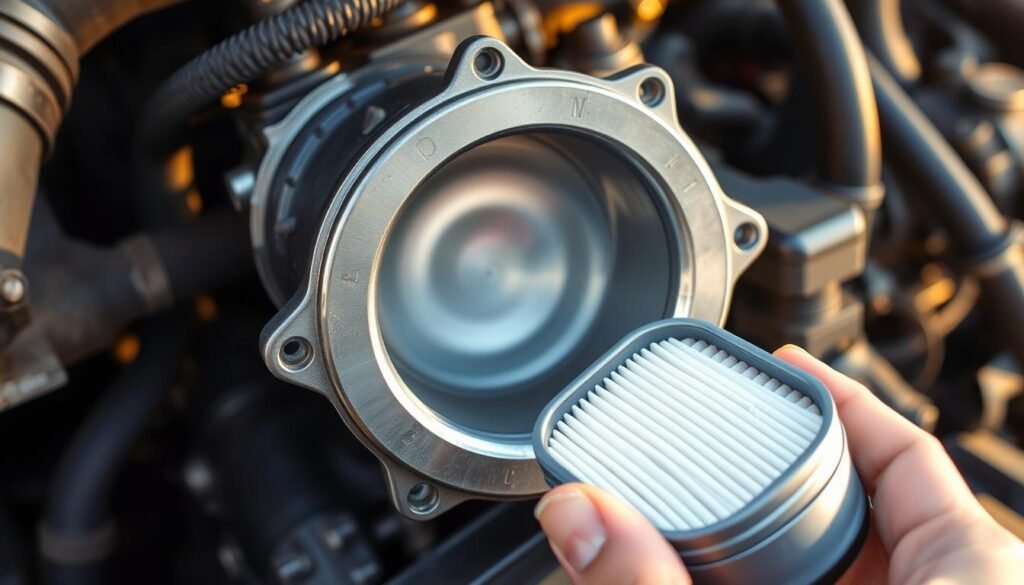
Start by finding the CCV filter on the engine’s driver’s side. It’s normally near the valve cover for easy access. If needed, use a flashlight to see better in the engine’s tight spots.
Removing The Old Filter
After finding the CCV filter, disconnect any connected hoses. Loosen the filter with a wrench from its spot. Then, carefully remove the old filter, watching not to harm other parts.
Installing The New Crankcase Filter
Get your new crankcase filter ready by oiling its O-ring. This ensures a tight seal. Place the new filter correctly and tighten it well. Then, reattach any hoses you took off, making sure they’re tight.
Final Checks Post-Installation
Once the CCV filter is in, check your work by starting the engine. Looking for leaks around the new filter is important. This check makes sure everything is set for future drives.
Common Mistakes During Replacement
When replacing the Ford 6.7 crankcase filter, certain steps are crucial. If missed, these can cause mistakes and harm engine performance.
Knowing these common mistakes helps dodge big maintenance troubles.
Using Non-OEM Filters
Many people go for cheaper or non-OEM filters. These might not fit the engine right, leading to poor filtration.
This mistake can hurt the engine over time, making repairs costly. It’s best to stick with OEM-standard parts for engine longevity and reliability.
Ignoring Cleaning Steps
Not cleaning properly is another mistake. Missing cleaning steps can bring dirt that messes with the new filter’s work.
It’s important to clean all dirt and debris before putting in the new filter. This ensures your engine runs smoothly and stays healthy.
Modifications and Upgrades For The CCV System
Making changes to your CCV system can really boost your vehicle’s power and life. Many truck owners choose to upgrade by either rerouting or getting rid of some parts.
This makes the engine cleaner and the air flow better. Knowing your options helps you make smart choices for your vehicle.
Reroute or Delete Options
Changing the path of the CCV system can keep your oil clean and cut down on engine dirt. This new route improves air flow and reduces bad buildup.
Removing some parts can make the system simpler. But it’s key to understand how this might affect your vehicle’s emissions rules.
Recommended Ventilation Kits
It’s vital to install top-notch ventilation kits for the best system function. Products like the CCV Engine Ventilation Kit help control pressure while keeping oil clean.
These updates protect your engine and boost its performance. This way, your vehicle stays dependable.
Impact of CCV Filter on Diesel Engine Performance
The CCV filter plays a big role in diesel engine performance. It makes sure the engine uses fuel efficiently and prevents damage.
Keeping the crankcase ventilation system in good shape stops harmful oil vapors from messing up the engine. This helps the engine run smoothly and work better.
Fuel Efficiency and Power Output
The condition of the CCV filter affects how well fuel is used. A good filter keeps oil vapors out of the combustion process.
This boosts power and makes the drive smoother. A clean CCV filter means better response from the throttle, giving you extra power when you need it.
Preventing Engine Damage
It’s important to check and replace the CCV filter regularly to avoid engine damage. A filter that doesn’t work right can let oil vapors build up in the intake system.
This could harm the engine and cost a lot to fix. Keeping the CCV filter in good working order protects your diesel engine. It helps the engine run well and last longer.
Legal Compliance and Environmental Regulations
Truck owners need to understand emission laws to help the environment. These rules tell how to use your vehicle in an eco-friendly way. Following them keeps your truck safe and protects nature.
Learning Local Emission Laws
Local emission laws change from place to place, affecting truck care. It’s important to know these rules before modifying your truck.
If you don’t follow them, you might face big fines, so always check the rules in your area.
Importance of Proper Filter Modifications
Making legal changes to your truck’s filters is key to follow emission laws. Such modifications can make your engine work better and keep it legal.
This helps you avoid fines, saves the environment, and supports green living.
Conclusion
Changing the Ford 6.7 crankcase filter is crucial for keeping the engine healthy and boosting its performance.
By following the recommended maintenance schedules and choosing quality parts, you can greatly improve your vehicle’s efficiency. This also lowers the cost of future repairs.
Regular filter changes lead to better engine performance and extend the life of your Ford 6.7.
Taking care of maintenance makes truck owners feel more in control and confident about their vehicle.
It also shows a commitment to protecting the environment by following emission laws.
In summary, taking good care of the crankcase filter is key. It helps your truck run reliably and protects our environment.
FAQs
Q: How often should I replace the Ford 6.7 crankcase filter?
A: You should replace the filter every 30,000 to 50,000 miles. Do it sooner if you see symptoms like slow acceleration or high oil use.
Q: What tools do I need for the replacement?
A: You will need a socket wrench, torque wrench, oil catch pan, and rags. These tools help you replace the filter without troubles.
Q: What are the signs of a clogged crankcase filter?
A: If you notice less power, more oil use, or odd exhaust smoke, your filter might be clogged. Catching this early can avoid big repair bills.
Q: Why is it important to use an OEM-compatible filter?
A: An OEM-compatible filter keeps your engine running well. It ensures good sealing, helping avoid problems and keeping your engine in top shape.
Q: Can I modify the CCV system for performance improvements?
A: Yes, some truck owners modify their CCV system for cleaner engines and better air flow. There are kits made for this change.
Q: How does the crankcase filter impact fuel efficiency?
A: A good crankcase filter stops oil vapors from messing with the intake. This action helps your fuel last longer and keeps your engine running smoothly.
Q: What happens if I ignore the maintenance of the CCV filter?
A: Not taking care of your CCV filter can cause engine damage, poor performance, and expensive repairs later because of dirt building up.
Q: How do local emissions regulations affect filter replacement?
A: It’s important to know and follow local emission rules to avoid fines. Make sure your car changes don’t break these laws.