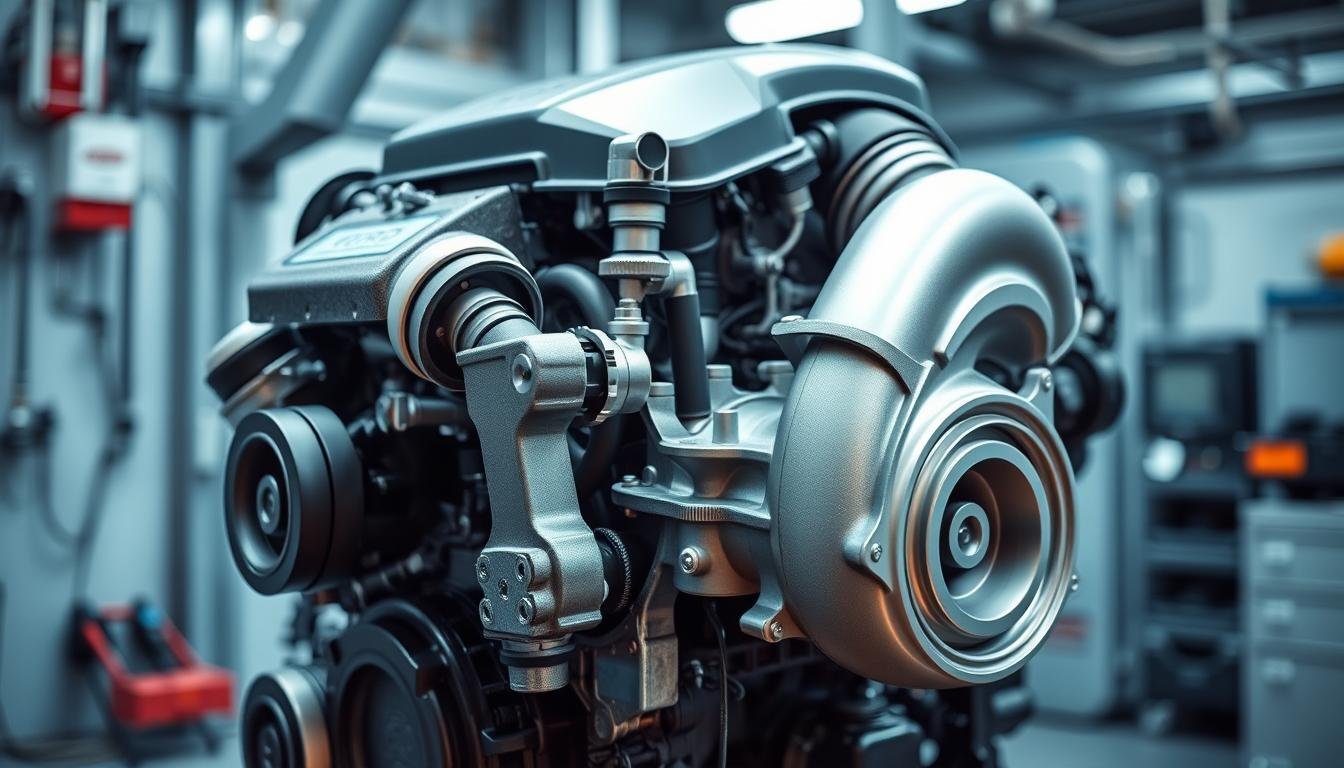
Ford 1.5 EcoBoost Engine Problems Better Issues Uncovered
The Ford 1.5 EcoBoost engine mixes efficiency with performance. But, it has problems like engine misfires, overheating, and turbocharger failures.
Knowing about these issues is key to keep your car running well and avoiding big repair bills.
This guide teaches you to spot common Ford 1.5 EcoBoost engine problems. You’ll learn how to fix these issues and take care of your engine.
It offers tips to prevent these problems, helping you save your vehicle and your wallet.
Now, let’s find out what you must do to keep your Ford 1.5 EcoBoost engine in top shape for a long time.
Introduction To The Ford 1.5 EcoBoost Engine
The Ford 1.5 EcoBoost engine stands out in modern vehicles. It mixes power with fuel savings. This turbo inline-4 motor is popular in the Ford Focus and C-Max.
It uses EcoBoost technology, like direct fuel injection and a turbo, to boost performance. This engine aims to give drivers a powerful yet fuel-efficient ride.
But, it faces some challenges that might impact how it works. As we look closer at these issues, we’ll learn more about the engine’s design and goals.
Overview of Ford EcoBoost Technology
Ford EcoBoost technology is a big leap in making cars better. It’s all about getting more from less. Engines with EcoBoost use turbocharging and direct fuel injection together.
This combo lets smaller engines act like big ones, giving more power without using extra fuel.
Drivers who choose EcoBoost get to enjoy engines that are both powerful and efficient.
This technology is great for those needing to tow or go fast without spending too much on gas.
Ford shows its commitment to smart driving solutions through EcoBoost. They aim to blend top performance with better fuel economy.
Common Problems with Ford 1.5 EcoBoost Engine
The Ford 1.5 EcoBoost engine is popular among compact car fans. Yet, it comes with its own set of problems.
One of the main issues is misfires, mainly during startup in cold weather. These misfires can turn on check engine lights and cause rough idling.
Problems can go beyond just misfires. You might find your car lacking power when you try to speed up.
Also, white smoke from the exhaust can mean serious engine trouble, like coolant getting into places it shouldn’t. This issue needs quick action to prevent bigger problems.
To fix these issues with the Ford 1.5 EcoBoost engine, you need to know what causes them. Issues with fuel getting to the engine or the ignition system not working right are common reasons.
Getting your car checked out can help find and fix these problems, improving your car’s performance.
Identifying Ford 1.5 EcoBoost Engine Problems
Identifying problems early with your Ford 1.5 EcoBoost engine can save you both time and money.
Look out for signs like less power, strange sounds, or dashboard warning lights coming on. For proper diagnosis, start with diagnostic tests.
Mechanics check the coolant first to avoid overheating. Then, they use special gear to read error codes. This tells them what the engine’s computer is reporting as wrong.
Doing pressure checks on the cooling system is another good step. It finds leaks that could cause overheating or the engine to misfire.
By using these tests together, you will understand what’s wrong with your engine better.
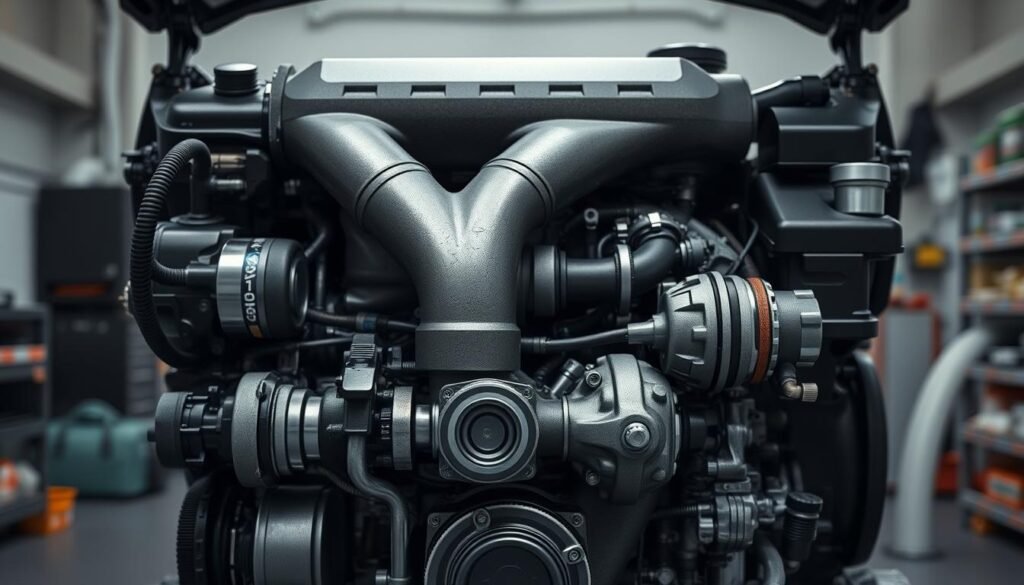
Spotting these signs early lets you fix problems before they get worse. This keeps your car safe and dependable.
Troubleshooting Ford 1.5 EcoBoost Engine Issues
When fixing Ford 1.5 EcoBoost engine problems, start with a methodical plan. First do a cold start test. It shows how the engine acts when cold.
This can spot problems that aren’t obvious once the engine gets warm. Then, check the ignition and fuel systems. These areas can cause a lot of performance issues.
Look at spark plugs, coils, fuel filters, and injectors for any faults. Using a scan tool for engine diagnostics helps find trouble codes and gives more insight.
Notice if your car has rough idling, power loss, or makes strange noises. Catching issues early can save money and time on repairs.
Here is a step-by-step guide for troubleshooting:
| Step | Action | Details |
|---|---|---|
| 1 | Cold Start Test | Observe engine behavior during initial start-up. |
| 2 | Inspect Ignition System | Check spark plugs, coils, and wiring for faults. |
| 3 | Evaluate Fuel Delivery | Examine fuel filter, injectors, and pressure. |
| 4 | Run Engine Diagnostics | Utilize a diagnostic scan tool to retrieve codes. |
| 5 | Monitor Symptoms | Look for signs of rough idling or power loss. |
Following these steps will help you troubleshoot effectively. This leads to fast solutions and keeps your engine running well.
Remember, detailed diagnostics are key to fixing your Ford 1.5 EcoBoost engine properly.
Maintenance Tips For Ford EcoBoost Engines
Keeping your Ford EcoBoost engine running well is key. Here are essential tips for effective maintenance. These steps will keep your engine in top shape.
First, changing your oil regularly is vital. Dirty oil can cause big problems, like engine damage.
You should change your oil every 5,000 miles, or sooner in tough conditions like extreme heat or when towing heavily.
Use top-notch oils fit for turbocharged engines to take good care of your engine. Then, make sure the air filter is clean.
This ensures your engine gets the right amount of air, boosting its efficiency. Replace the air filter every 15,000 to 30,000 miles, more so if you drive in places with lots of dust or pollution.
Keeping an eye on the cooling system is also crucial. Regular checks of the coolant level and system flushes keep the engine at the right temperature for optimal performance.

Last, check your spark plugs and ignition coils. If they’re worn out, your engine won’t run as well. Changing them when needed boosts fuel efficiency and engine power.
Following these maintenance tips will help your Ford EcoBoost engine perform its best.
Addressing Ford EcoBoost Engine Complaints
Recent lawsuits against Ford’s EcoBoost engines highlight worries over engine trustworthiness.
These legal actions stress hidden flaws that harm performance and upset customers greatly.
People have complained about their cars having less power and using more oil. This has led them to take legal action. Knowing about these problems can help fix any issues with your car.
Here are some issues customers have faced:
- Frequent engine knocking noises reported shortly after purchase.
- Unexpected engine failure at low mileage, raising questions about quality control.
- Issues with turbocharger performance affecting overall drivability.
Knowing what problems others have had helps when talking to dealers or mechanics.
Being aware of lawsuit outcomes can also guide you on repairs or warranties for your EcoBoost engine.
How To Fix Ford 1.5 EcoBoost Engine Problems
To fix Ford 1.5 EcoBoost engine problems, start with a comprehensive check. Understand the problems, like misfires, coolant leaks, or turbo failure.
Using repair guides for your Ford helps a lot. First, use an OBD-II scanner to check for any diagnostic trouble codes (DTCs).
These codes can tell you a lot about what’s wrong. Then, look up service bulletins from Ford for fixes or recalls for your car.
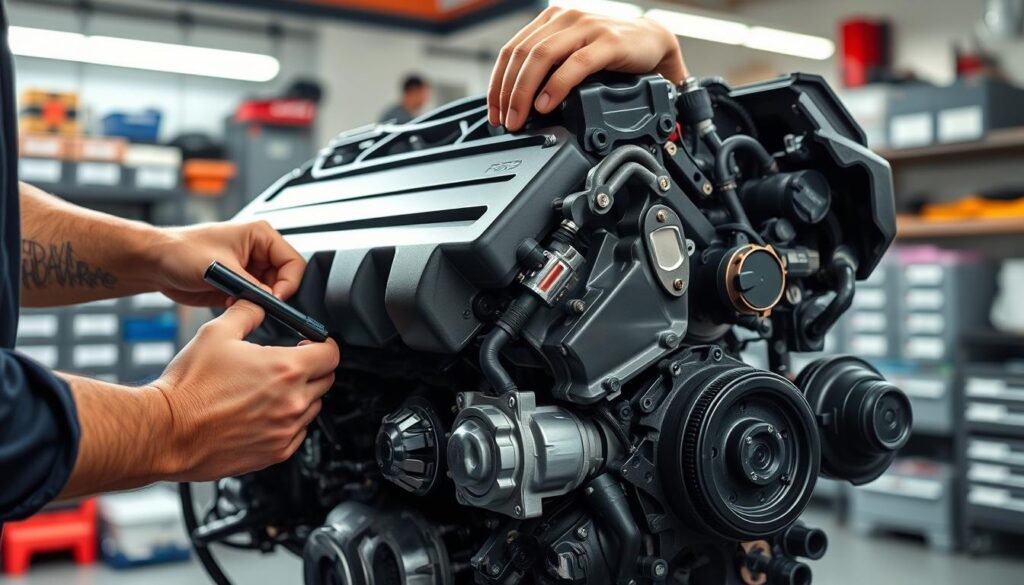
To fix common issues, replace any faulty parts. Always use OEM parts for the best quality and reliability.
If you’re not sure how to fix it, get help from certified mechanics. They know what they’re doing and can prevent more problems.
Remember, regular maintenance is key to avoiding future issues. Keeping up with maintenance ensures your Ford 1.5 EcoBoost engine runs well for longer.
Long-term Reliability of Ford 1.5 EcoBoost Engines
The reliability of Ford 1.5 EcoBoost engines varies. It depends on factors like how well you maintain the car and the year it was made.
Keeping up with regular checks and service guidelines is key for engine durability and peak performance.
Simple things like changing oil on time, replacing filters, and having detailed inspections can prevent big issues.
Owners who take good care of their engines usually enjoy longer-lasting cars. Knowing and tackling common issues with the 1.5 EcoBoost early can also improve your engine’s lifespan.
Some owners find reliability issues if they skip regular maintenance. How well you look after your engine plays a big role in its reliability.
Impact of EcoBoost Problems on Vehicle Performance
EcoBoost engine problems can greatly affect how your vehicle performs. Issues like coolant leaks, turbocharger failures, and carbon buildup can reduce power.
This means you might notice your car feels slow to accelerate, especially when you need speed, like on highways.
Increasing emissions is another big issue with EcoBoost problems. These issues often cause more pollutants to escape into the air.
This harms the environment and might make your car fail emissions tests. Such fails could lead to costly repairs or replacements.
Additionally, your vehicle’s fuel economy can suffer. Normally, an EcoBoost engine helps make the most out of your fuel while keeping the car powerful.
But when things go wrong, you might end up spending more money on gas than you planned.

To keep your engine working its best, it’s important to deal with these issues quickly.
Regular check-ups and fixing problems early can greatly help. They keep your car running smoothly and save you from bigger troubles later.
Alternative Options for Ford Owners
If you’re dealing with ongoing problems with the Ford 1.5 EcoBoost engine, it’s time to look at other options.
Exploring different engine choices can boost reliability and performance. You might find better vehicles in the Ford lineup or from other reliable brands.
Here are some alternatives worth considering:
- Ford Escape with 2.0 EcoBoost: This option provides a stronger engine, offering more power but still keeping fuel use low.
- Toyota RAV4: A trusted SUV, the RAV4 delivers various efficient and reliable engine options.
- Honda CR-V: With its roomy layout and robust performance, the CR-V features engines that are less likely to have problems.
- Mazda CX-5: It blends performance with style, boasting efficient engines known for their dependability.
Think about test-driving some vehicles to see how they fit your needs. It helps to compare things like engine details, miles per gallon, and comfort level. This way, you can make a choice that’s right for you.
| Vehicle Model | Engine Type | Fuel Economy (MPG) | Reliability Rating |
|---|---|---|---|
| Ford Escape (2.0 EcoBoost) | Turbocharged Inline-4 | 28 city / 34 highway | 4.5/5 |
| Toyota RAV4 | Inline-4 | 28 city / 35 highway | 4.8/5 |
| Honda CR-V | Inline-4 | 27 city / 32 highway | 4.7/5 |
| Mazda CX-5 | Inline-4 | 24 city / 30 highway | 4.6/5 |
In summary, finding alternatives to the Ford 1.5 EcoBoost engine can lead to a better driving experience.
It’s important to weigh these engine options carefully as you move away from the 1.5 EcoBoost.
Conclusion
Learning about the Ford 1.5 EcoBoost engine’s complex issues is key for car owners wanting to keep their rides in top shape.
The guide talks about spotting problems early, staying on top of engine care, and dealing correctly with complaints.
These actions lead to a smoother, more dependable drive. Knowing the troubles with the Ford 1.5 EcoBoost engine really matters.
Following the advice for maintenance and how to fix issues can greatly reduce the risk of big problems later.
Keeping up with regular checks improves the engine’s lifespan and its performance. Finally, being proactive about engine care puts you in control as a Ford owner.
Armed with the right knowledge and tools, you’re ready to face any issues head-on. This ensures your car runs well for many years.
FAQs
Q: What are the most common problems with the Ford 1.5 EcoBoost engine?
A: The Ford 1.5 EcoBoost engine often faces issues such as misfires, overheating, and turbocharger failures. Rough idling is also a concern. Finding these problems early can save you on big repair bills.
Q: How can I diagnose engine misfires in my Ford 1.5 EcoBoost?
A: For misfires, start with a cold engine test. Then check the ignition and fuel systems. Finally, use a scanner for trouble codes. Symptoms include a rough idle and less power.
Q: What maintenance tips should I follow for my Ford EcoBoost engine?
A: Change the oil every 5,000 miles with good quality oil. Keep the coolant at the right level. Doing regular checks helps catch issues early on.
Q: How do I troubleshoot overheating issues with my 1.5 EcoBoost engine?
A: First, check the coolant and look for any leaks. Ensure the radiator and thermostat are working. If it still overheats, see a mechanic for a detailed check-up.
Q: What are some common complaints regarding the Ford EcoBoost engine?
A: People often complain about the reliability and failure of engines and turbochargers. Many worry about how long the engine will last.
Q: What steps should I take to fix turbocharger failures in Ford 1.5 EcoBoost engines?
A: To fix a turbocharger, first figure out exactly what’s wrong. Then replace any broken parts. For best results, have a certified mechanic do the work.
Q: Are there any legal actions related to the Ford EcoBoost engine?
A: Yes, there have been lawsuits about the engine’s reliability and hidden problems. It’s important for owners to know their rights and how they might be compensated.
Q: How can I enhance the long-term reliability of my Ford 1.5 EcoBoost engine?
A: Stick to the suggested maintenance plan and address small issues quickly. Regular checks can also make your engine last longer.