
Common Issues Problems with Chevy Equinox Better Explained
The Chevy Equinox is a popular SUV choice, but it has its problems. Engine troubles, transmission issues, and electrical glitches are common across different years.
These problems can affect your driving and the car’s reliability. This article breaks down the Chevy Equinox’s issues.
We’ll look at signs like high oil use and transmission woes, important for owners to know. Learning these issues helps you handle maintenance or repairs with confidence.
If you’re into DIY fixes or want tips to keep your car running longer, this guide is for you. We’ll explore the Chevy Equinox and share essential info all owners need.
Introduction to Chevy Equinox Issues
If you have or want a Chevy Equinox, it’s important to know about its issues. This compact SUV is popular for being versatile and comfortable.
However, it has its share of problems. Certain years of the Equinox have more complaints than others. These often involve the engine, transmission, and electrical systems.
Understanding the common problems can help you catch them early. Many owners talk about quirks in performance and reliability.
These issues might not show up right away. But, they can get worse if not dealt with. By checking your car often and knowing about these problems, you can keep your Equinox reliable for a long time.
Overview of Common Problems with Chevy Equinox
The Chevy Equinox has faced several challenges through its models. Owners and experts point out various issues.
These include high oil use, transmission failures, and electrical problems. There are also complaints about the air conditioning.
Some models of the Chevy Equinox have more problems than others. Knowing which models to avoid is key.
This knowledge helps with repair decisions and considering other vehicle options.
Engine Problems in Chevy Equinox
Chevy Equinox engine troubles are often reported by owners. Knowing about these issues can make you more ready for upkeep and fixes.
Excessive Oil Consumption
Chevy Equinox models from 2010 to 2013 with the 2.4-liter Ecotec engine use too much oil. Faulty piston rings that don’t keep oil in are usually to blame.
This leads to high engine wear and big bills for repair. A lawsuit was filed against General Motors because of this problem.
Engine Overheating Issues
Models made between 2005 and 2007 tend to overheat. This happens due to cooling system design flaws, causing head gaskets to blow.
Ignoring this can seriously harm the engine, possibly forcing you to pay for a new engine or major repairs.
| Engine Problem | Affected Model Years | Common Symptoms |
|---|---|---|
| Excessive Oil Consumption | 2010-2013 | Oil leaks, low oil levels, increased engine wear |
| Engine Overheating | 2005-2007 | Temperature gauge rising, steam from engine, poor performance |
Transmission Troubles in Chevy Equinox
Transmission problems in Chevy Equinox are especially worrying for models made between 2010 and 2015.
As cars get older and drive more miles, it’s key to notice transmission problems early on. Spotting these issues quickly can help avoid major damage and keep your ride smooth.
Common Transmission Failure Symptoms
Knowing the signs of transmission failure helps you know when it’s time to act. Important symptoms include:
- Unexplained power loss during acceleration
- Unusual noises when shifting
- Visible fluid leaks beneath the vehicle
- Warning lights on the dashboard
- Slipping gears in Chevy Equinox
Delayed Shifting and Slipping Gears
Many owners have noted delayed shifting and slipping gears in their Chevy Equinox. These problems tend to appear around 60,000 miles.
If ignored, they could lead to expensive fixes or even needing a new transmission.
Staying on top of regular maintenance and quickly dealing with warning signs is crucial. It ensures your vehicle stays in good shape for a long time.
Electrical Issues with the Chevy Equinox
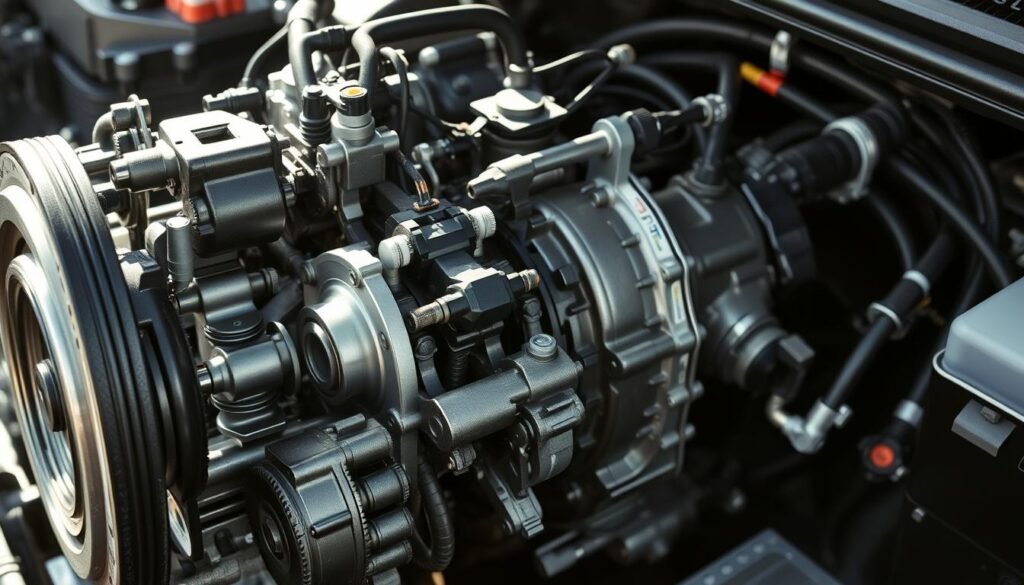
The Chevy Equinox faces various electrical problems that affect its performance.
Common issues include battery problems and ignition switch failures. These problems can cause a lot of frustration if not fixed.
Battery Problems
The Chevy Equinox battery problems show up mainly in cold weather. The 2015 model, for example, often has trouble starting in winter, leaving drivers stranded. To avoid this, check the battery’s health regularly.
Signs of a failing battery include slow engine starts, dim headlights, and weak electronic accessories. Noticing these signs early can prevent unexpected battery failure.
Faulty Sensors and Ignition Switch Failures
Faulty sensors are commonly mentioned when discussing electrical issues Chevy Equinox. These sensors help control different parts of the vehicle.
When they don’t work right, the car’s performance can suffer. Also, ignition switch failures hinder the car’s ability to start, making it unresponsive.
Promptly fixing these electrical issues is crucial. It ensures the car runs smoothly and stays reliable.
Air Conditioning Problems in Chevy Equinox
Chevy Equinox owners often report issues with their air conditioning. These problems are especially common in some model years, like 2011.
Knowing about these AC issues can help you avoid bigger problems and save on repair costs.
AC Compressor Failures
Chevy Equinox AC compressor problems are a major concern. When the AC compressor fails, it doesn’t cool the car well in the heat.
This affects comfort on summer trips. You might hear odd noises or the AC might stop working if the compressor is bad.
Hot Air Blowing from the AC System
It’s frustrating when the AC only blows hot air. Causes can be leaks, a bad compressor, or low coolant. Getting these problems checked early can save you from expensive repairs later.
| Issue | Symptoms | Potential Solutions |
|---|---|---|
| AC Compressor Failure | Unusual noises, no cooling | Inspect and replace compressor |
| Hot Air from AC System | Hot air instead of cool air | Check refrigerant levels, inspect for leaks |
Regularly checking and fixing problems early can reduce costs. It ensures your drives are comfortable, no matter the weather.
Suspension Concerns in Chevy Equinox
The Chevy Equinox relies on its suspension system for stability and comfort. Some models have had problems with their suspension, especially the front control arms. It’s important to fix these issues quickly to keep the car safe.
Rattling Noise from Front Control Arms
A common complaint is a rattling noise from the front control arms over bumps. This Chevy Equinox front control arm noise means parts might be worn or loose.
Checking these parts regularly can catch problems early. This prevents more damage and keeps the ride smooth.
Overall Suspension Performance Issues
Problems with the suspension can hurt the car’s ride quality and handling. Keeping the suspension in good shape is key for a good driving experience.
Unusual car movements or stability issues mean it’s time to check the suspension parts. Fixing suspension issues Chevy Equinox quickly improves safety and comfort.
Body and Interior Issues of Chevy Equinox
Chevy Equinox owners have noticed problems with the body and interior across various years. These issues mainly involve the vehicle’s structure and the quality of the inside parts.
Knowing about these problems can help you make smart choices when buying or looking after an Equinox.
Flimsy Wheel Wells
The 2020 Chevy Equinox has gotten complaints about its flimsy wheel wells. These parts can crack, especially if ice forms on them.
The thin material used for these wheel wells can lead to bigger problems over time, affecting the car’s durability.
Quality of Interior Materials
The interior quality of the Chevy Equinox, especially in older models, has been criticized. Low-quality materials can make driving less comfortable and leave owners unhappy.
Focusing on these details can make owning a car more enjoyable and satisfying.

Reviewing the Safety and Reliability of Chevy Equinox
The Chevy Equinox’s safety and dependability vary by model year. It usually gets high marks for reliability.
Yet, some years have problems that might affect your experience. It’s key to check its safety grades before buying one.
Many things shape the safety and reliability Chevy Equinox. Crash tests and owner feedback give a full picture. Also, knowing about recalls helps spot potential issues.
| Model Year | Reliability Rating | Safety Rating | Notable Issues |
|---|---|---|---|
| 2018 | 4.5/5 | 5/5 | None reported |
| 2019 | 4.3/5 | 4.5/5 | Minor electrical issues |
| 2020 | 4.2/5 | 5/5 | Fuel system concerns |
| 2021 | 4.1/5 | 4.8/5 | Reported transmission issues |
Knowing these ratings is crucial for choosing a model year. The Chevy Equinox often scores well in safety, offering you confidence while driving.
Maintenance Tips for Chevy Equinox Owners
Anyone who has a Chevy Equinox knows it needs regular care. Putting into action some solid maintenance tips can keep your Equinox in top shape for many years.
Making sure it gets frequent checks and preventive care is a smart move. This can catch small problems before they get big and expensive.
Regular Inspection and Preventive Maintenance
It’s crucial to regularly inspect your car. You should check these parts:
- Fluids (engine oil, coolant, brake fluid)
- Brake pads and rotors
- Filters (oil, air, fuel)
- Tires (pressure and tread depth)
- Belts and hoses for wear
Doing these checks often can help find issues early on. A good preventive care routine for your Equinox will save you both time and money down the road.
Addressing Minor Issues Early
Dealing with small issues quickly can greatly help your Chevy Equinox last longer. Look out for unusual sounds, dashboard lights, or if it’s not driving right. For example:
- A drop in engine power might mean it’s time for a tune-up.
- Strange noises could hint at suspension troubles.
- Dashboard lights should not be ignored to avoid more damage.
Being quick to fix these issues not only makes driving better but also keeps your car in good shape.
How to Troubleshoot Chevy Equinox Problems
Finding what’s wrong with your Chevy Equinox can seem hard, but it’s simpler if you follow certain steps. Begin by checking the car carefully for leaks or signs of wear.
This might indicate something’s wrong. The car’s onboard diagnostics are really useful, too. They show codes that tell you what might need fixing.
It’s also good to know what your user manual says about common issues and how to fix them.
Common Diagnostic Steps
Here are the steps to diagnose problems with the Equinox:
- Look at the dashboard lights to see if they hint at any problems.
- Use a code reader to find out what the diagnostic trouble codes (DTCs) are.
- Check if there’s enough oil, brake fluid, and coolant in the car.
- Inspect the car’s belts and hoses to see if they’re worn out.
- Pay attention to any strange sounds or shaking when you’re driving.
When to Seek Professional Help
Sometimes, trying to fix Chevy Equinox problems on your own doesn’t work. If issues keep coming up or certain warning lights won’t go off, you might need to see a pro.
Ignoring these problems can make things worse. Professionals can figure out complex issues and know how to fix them right.
| Diagnostic Step | Action Required |
|---|---|
| Dashboard Alerts | Look over the warning lights to spot problems. |
| Diagnostic Codes | Get trouble codes using a code reader. |
| Fluid Checks | Make sure all the car’s fluids are full. |
| Physical Inspection | Check belts and hoses for damage. |
| Sound Assessment | Listen for any odd sounds while it’s running. |
Fixing Chevy Equinox Problems
Fixing Chevy Equinox problems isn’t hard with the right help. You can choose DIY or professional help.
Knowing your repair options and Chevy’s service choices helps you solve car problems well.
Useful Repair Resources and Guides
Many online sites offer help for Equinox owners. They have forums, videos, and manuals for doing your own repairs.
Sites for Chevy cars provide step-by-step guides for common Equinox issues.
Service Options for Owners
Understanding your options for more complicated problems is key. Chevy dealers have experts trained in Equinox care.
Independent shops might cost less and know Chevy cars well. Check your warranty before getting repairs to maybe save money and get better service.

Common Issues Problems with Chevy Equinox – Recap of Key Model Years
Knowing which Chevy Equinox years to skip can save headaches and money. The years 2010 to 2013 and 2005 to 2007 had notable problems.
But, the 2016, 2018, and 2020 models got good reviews for their reliable performance. This info helps when choosing which model to buy.
Models to Avoid
- 2010 Chevy Equinox – Faced engine and transmission issues.
- 2011 Chevy Equinox – Known for excessive oil consumption.
- 2012 Chevy Equinox – Reported problems with the electrical system.
- 2013 Chevy Equinox – Experienced transmission failures and faulty sensors.
- 2005 Chevy Equinox – Common complaints about interior quality.
- 2006 Chevy Equinox – Issues with engine reliability.
- 2007 Chevy Equinox – Transmission problems reported frequently.
Models Known for Reliability
- 2016 Chevy Equinox – Recognized for its dependable performance.
- 2018 Chevy Equinox – Fewer complaints and improved technology features.
- 2020 Chevy Equinox – Positive feedback on safety and handling.
Conclusion
The Chevy Equinox is known to be a dependable compact SUV. However, knowing its common issues is crucial for both owners and potential buyers.
Learning about its engine and electrical issues is key to keeping your SUV in top condition.
Understanding Chevy Equinox problems helps you with maintenance and fixes. This know-how not only improves your experience but also protects your investment.
It’s about being smart with your vehicle’s care. Make sure to inspect your Equinox regularly and know the issues it might face.
By doing so, you can quickly deal with any problems. This will lead to many happy journeys in your Chevy Equinox.
FAQs
Q: What are the most common problems with Chevy Equinox?
A: People often report issues like too much oil use, transmission failures, and electrical glitches. Air conditioning problems are common too.
Q: Which Chevy Equinox models are known for engine problems?
A: The 2010 to 2013 models with 2.4-liter engines use too much oil. The 2005-2007 models can overheat.
Q: How can I troubleshoot transmission issues in my Chevy Equinox?
A: Look for signs like slipping gears, sudden loss of power, or late shifting. If you see these, get your transmission checked, especially by 60,000 miles.
Q: What should I do if my Chevy Equinox won’t start?
A: First, check your battery, especially when it’s cold. Bad ignition switches or sensors might also be the problem, requiring a check or replacement.
Q: How can I maintain my Chevy Equinox to prevent common issues?
A: Keep up with regular checks and follow a maintenance schedule. This can help spot small problems before they grow, making your car last longer.
Q: How do I know if my AC is failing in the Chevy Equinox?
A: If the cooling is poor, you hear odd noises, or hot air comes out, your AC might be failing. Catching these signs early can avoid big repair costs.
Q: Are there any safety concerns with specific Chevy Equinox models?
A: Yes, safety ratings differ by year. It’s wise to look at crash tests and what other owners say before buying.
Q: What resources can help with fixing Chevy Equinox problems?
A: Websites, repair guides, and the maker’s info can help with do-it-yourself repairs. They also explain your service options.


