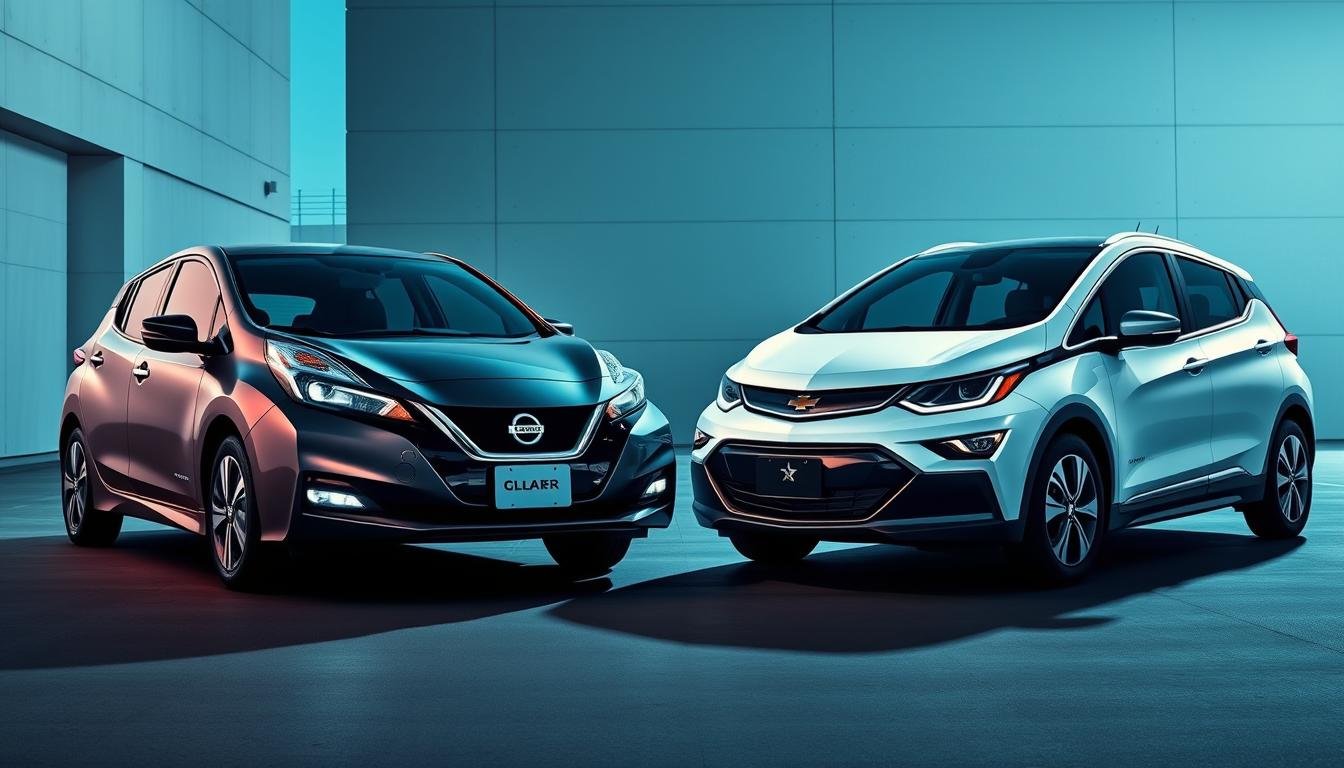
Nissan Leaf vs Chevy Bolt: Essential 9 Electric Showdown
The Nissan Leaf and Chevrolet Bolt lead the race in electric vehicles. They mark a big step towards green travel.
In the Nissan Leaf vs Chevy Bolt fight, each offers unique features for different needs. Learn about their specs, design, and how they feel to drive here, to help your choice.
We’ll take you through a deep dive into both the Nissan Leaf and Chevrolet Bolt. You’ll see their battery choices, how they perform, and their looks.
As we compare these green cars, you’ll find out which one might be best for your life.
We’ll talk about space, speed, and how they drive. After this, you’ll know which car matches your goals and taste in driving.
Introduction: The Rise of Electric Vehicles
The electric vehicle (EV) market has grown a lot over the past decade. This is thanks to new technology and a bigger focus on eco-friendly vehicles.
People like these vehicles for their green benefits and the chance to save on upkeep costs. Government incentives also boost the EV market.
States offer rebates and tax breaks, pushing more people to choose electric. As we become more aware of climate change, the demand for clean transport grows.
This makes eco-friendly vehicles a popular choice. The battery technology for electric cars is getting better.
This means they can go further and charge faster, fixing many old concerns. Also, more car makers are now offering electric models.
This gives buyers more choices and makes picking the right electric vehicle important.
The Nissan Leaf: Overview of Specifications
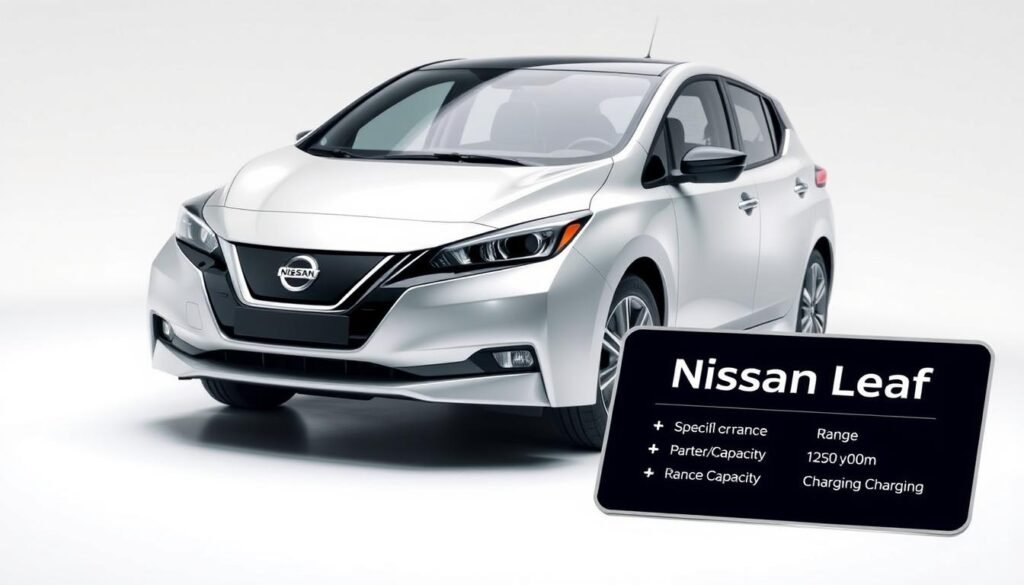
The Nissan Leaf is a top pick in the electric car market. It gives buyers a clear look at what it can do.
With different battery options, it meets many driving needs and performs reliably.
Battery and Range Options
The Nissan Leaf comes with two battery choices. The standard model has a 40 kWh battery, good for about 149 miles per charge.
The Leaf Plus, with a 62 kWh battery, can go up to 226 miles. This means you can pick one that fits your daily drives and travel preferences.
It’s great for those who want to drive further with less worry about recharging.
Performance Metrics
The Leaf shines in efficiency and reliability. Its electric engine offers quick acceleration and smooth handling, perfect for city and long drives.
Regenerative braking helps save more power, making the car more efficient. This focus on use and performance keeps the Leaf at the forefront of electric cars.
The Chevy Bolt: Overview of Specifications
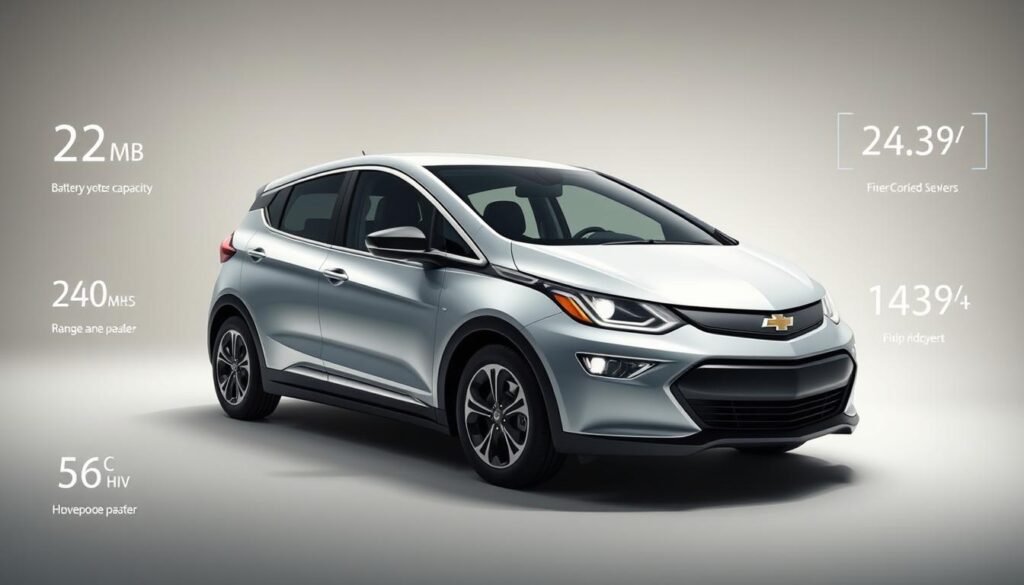
The Chevy Bolt shines in the electric vehicle world with its top-notch features. Its battery details, electric range, and how it performs are key for those thinking about going electric.
This knowledge can help you decide if it’s right for you.
Battery and Electric Range
The Chevy Bolt comes with a 66 kWh battery. It boasts an impressive EPA-estimated range of 259 miles on one charge. This makes worries about battery life less of an issue for new electric car drivers.
The battery tech in electric cars, along with the Bolt’s smart design, means it’s great for daily use and long trips. You can rely on it day in and day out.
Performance and Driving Experience
The Chevy Bolt’s power impresses electric vehicle fans. Its motor delivers 200 horsepower for fast and smooth acceleration. This is perfect for city driving.
Thanks to its battery setup, the Bolt has a low center of gravity. This makes for stable and responsive handling.
Whether you’re in the city or on the highway, driving the Bolt is always a pleasure.
Nissan Leaf vs Chevy Bolt: Design and Aesthetics
The design of an electric vehicle is key in attracting buyers. Comparing the aesthetics of the Nissan Leaf and Chevy Bolt can show their unique features.
Each model is practical and shows the car maker’s unique style and brand.
Exterior Design Comparisons
The Nissan Leaf has a futuristic and sleek shape. It has a special V-Motion grille and boomerang-shaped headlights. These features give it a modern look.
The Chevy Bolt, on the other hand, has a traditional hatchback design. It combines classic Chevrolet looks with new styles, making the Chevy Bolt look cool.
Interior Features and Comfort
The inside of the Nissan Leaf is made for comfort and ease. It uses modern and easy-to-use materials. The spacious cabin offers a relaxing experience for daily use or long trips.
The Chevy Bolt’s interior is just as nice, with a modern dashboard and comfy seats. Both cars offer plenty of space and thoughtful touches for passenger comfort.
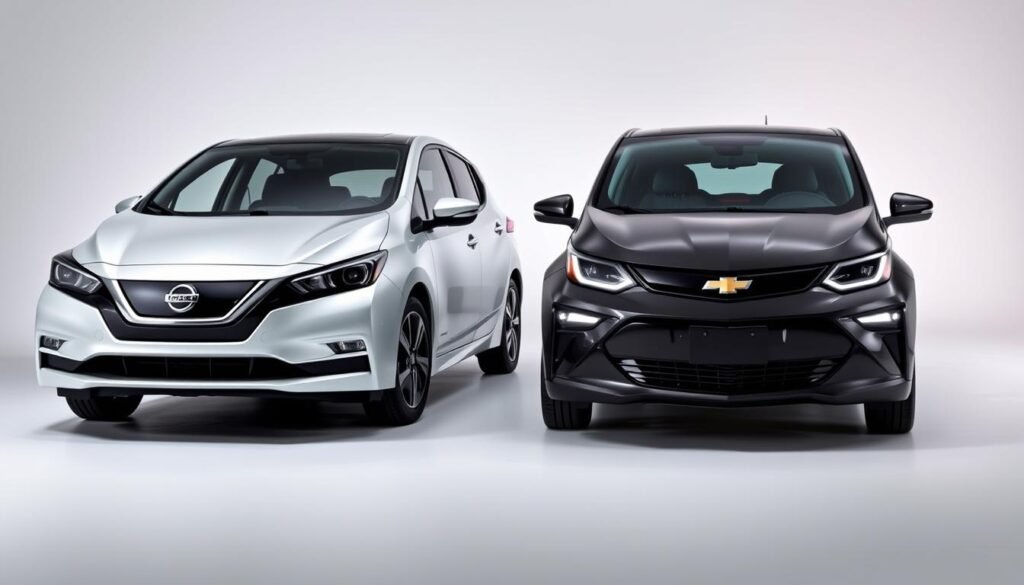
| Feature | Nissan Leaf | Chevy Bolt |
|---|---|---|
| Exterior Shape | Aerodynamic, futuristic | Traditional hatchback silhouette |
| Key Features | V-Motion grille, boomerang headlights | Smooth curves, compact proportions |
| Interior Layout | Contemporary, spacious | Modern dashboard, intuitive controls |
| Material Quality | User-friendly, modern | Practical and stylish |
Practicality and User Experience
Learning the practicality and user experience of electric vehicles is key. The Nissan Leaf’s interior is designed for comfort, offering plenty of legroom and headroom.
This makes it great for families or those needing to carry stuff regularly. The spacious layout of the Leaf enhances its usefulness for daily activities.
Meanwhile, the Chevy Bolt uses its compact shape to offer notable cargo space. Its clever interior setup allows for different cargo setups while keeping passengers comfortable.
Seating and Cargo Space
The Nissan Leaf stands out by offering lots of room for both people and their things. Its comfortable seats make long trips a breeze.
Plus, its storage space is ample, perfect for weekend trips or shopping sprees. The Chevy Bolt, though small, is designed to be practical.
It has a flat floor that makes the most of the interior space. This smart design lets you carry big items without sacrificing passenger comfort.
Infotainment Systems
Both vehicles are equipped with top-notch infotainment systems for connectivity and ease.
The Nissan Leaf has a user-friendly setup that works well with smartphones, offering great navigation and music.
The Chevy Bolt provides a similar experience with easy-to-use controls and helpful connectivity features. These systems enhance the driving experience, making it both fun and efficient.

Performance Showdown: Acceleration and Handling
The Nissan Leaf and Chevy Bolt cater to different tastes in driving. The Leaf scores with its smoothness and quick response.
Its e-Pedal system makes acceleration simple, great for city drives. You easily drive with just one pedal, making it easier and more convenient in traffic.
Meanwhile, the Chevy Bolt offers a sportier feel. It accelerates faster, making driving more fun. Car lovers enjoy its quick, responsive handling, boosting the joy of driving.
Its electric power and smart design contribute to a lively driving experience, appealing to those chasing a more dynamic ride.
Both cars provide handling that’s fine-tuned for electric driving. They run quietly, improving the drive, so you can concentrate on the road.
Whether picking the Nissan Leaf or Chevy Bolt, both present solid choices for those valuing acceleration and handling.
Battery Range Comparison: Leaf vs Bolt
Compromise electric vehicle battery performance is key when buying one. Range anxiety, or the worry about running out of charge, makes some drivers hesitant to switch to an EV.
The Nissan Leaf offers two battery ranges to suit different driving needs. Meanwhile, the Chevy Bolt provides an impressive range of 259 miles per charge.
This helps reduce range anxiety for users. It’s important to consider daily use and road trip readiness when comparing these cars.
Learning Range Anxiety
Range anxiety is a big worry for new EV buyers. The Nissan Leaf’s battery can last between 150 to 226 miles, depending on the model.
The Chevy Bolt, however, stands out with a strong 259-mile range. Knowing the distance a car can go on a full charge helps you plan trips better.
Charging Infrastructure and Options
The Nissan Leaf and Chevy Bolt both offer several charging methods. Having a home charging setup adds convenience.
Also, public charging stations reduce worry on long trips. Understanding where and how long it takes to charge is crucial for a good EV experience.
| Vehicle | Battery Range (Miles) | Charging Time (Level 2) |
|---|---|---|
| Nissan Leaf | 150 – 226 | 7.5 – 8 hours |
| Chevy Bolt | 259 | 9.5 hours |
Pricing and Value For Your Money
When thinking about buying an electric car, it’s important to look at the prices of Nissan Leaf and Chevy Bolt.
These cars have good prices in the electric car market. Knowing their features and costs helps decide which is better for your budget and lifestyle.
Cost Comparison of Nissan Leaf and Chevy Bolt
Nissan Leaf’s price shows its many range options and high-tech features. Meanwhile, Chevy Bolt’s price points out its great performance and longer electric range.
Below is a closer look to help you choose:
| Model | Starting Price | Range (miles) | Performance (0-60 mph) |
|---|---|---|---|
| Nissan Leaf | $28,000 | 150 | 7.4 seconds |
| Chevy Bolt | $26,500 | 259 | 6.5 seconds |
Long-term Ownership Costs
Looking at long-term costs of owning an electric car is more than the initial price. Nissan Leaf and Chevy Bolt bring perks like less maintenance and savings on fuel.
Consider these factors:
- Electricity costs versus gasoline expenses.
- Battery replacement expenses over the car’s life.
- Insurance rates for electric cars.
- Possible tax incentives for buying an electric vehicle.
Other Competitive Electric Vehicle Options
While exploring electric vehicles, you’ll see it’s not just about the Nissan Leaf and Chevy Bolt. The market is full of competitive options.
Cars like the Hyundai Kona Electric, Kia Niro EV, and Ford Mustang Mach-E are impressive. They each have unique specs and performances.
Learning about these alternatives opens up your choices in today’s electric car market. The Hyundai Kona Electric is known for its long range and efficiency.
The Kia Niro EV mixes practical use with the latest tech. Meanwhile, the Ford Mustang Mach-E offers great power and a sleek look.
Comparing these models to the Nissan Leaf and Chevy Bolt is key. Their prices and features vary greatly.
This means you must think about what you really need and how much you can spend. Looking at various options helps you find the best electric vehicle for your life.
Conclusion
The Nissan Leaf and Chevy Bolt comparison shows the strengths of each. It gives a detailed look at their features and costs.
Choosing between them depends on what you like, how you drive, and what you need in a car.
The Nissan Leaf is great for city driving and daily trips because of its technology. The Chevy Bolt shines with its fun driving feel and long range.
It’s perfect for those who love a thrilling ride. When picking an electric car, knowing these differences helps you find what works for you.
This summary about the Nissan Leaf and Chevy Bolt helps you understand the growing world of electric cars.
Whether you want the latest tech or a fun drive, both cars are good choices for helping the planet.
FAQs
What is the range of the Nissan Leaf?
The Nissan Leaf has two battery choices. One is a 40 kWh battery with about 149 miles range. The other is a 62 kWh battery, known as the Leaf Plus, with a 226 miles range.
How does the Chevrolet Bolt’s range compare to the Nissan Leaf?
The Chevrolet Bolt has a 66 kWh battery. It can go an impressive 259 miles on one charge. This makes it a leading non-luxury electric vehicle in terms of range.
Which vehicle is better for urban commuting?
For city driving, the Nissan Leaf is smooth with its e-Pedal system. But, the Chevrolet Bolt has quicker acceleration for a sportier drive.
Are both the Nissan Leaf and Chevrolet Bolt suitable for families?
Yes, both cars are great for families. The Nissan Leaf has a lot of room for legs and heads. The Chevrolet Bolt has a flat floor, making it easy to arrange your stuff.
What are the main design differences between the Nissan Leaf and Chevrolet Bolt?
The Nissan Leaf looks futuristic with a unique front grille and special headlights. The Chevrolet Bolt, however, has a classic hatchback look with smooth lines and Chevy’s traditional style.
How do the pricing and value of the Leaf and Bolt compare?
The Nissan Leaf is known for its technology and range options at a good value. The Chevrolet Bolt stands out for its range and performance, offering a strong value for its price. Choosing depends on what you need and want.
Are there other electric vehicle options to consider besides the Leaf and Bolt?
Indeed, other electric cars like the Hyundai Kona Electric, Kia Niro EV, and Ford Mustang Mach-E are worth looking at. Each has its own special features and performance levels.