Chevy Traverse Engine Problems – Essential Common 7 Issues
Chevy Traverse engine problems are pretty common, especially in the models from 2009 to 2012.
Since it launched in 2008, this mid-sized SUV has been popular for its roominess and style. However, it’s important to know about potential engine issues.
Owners often report hearing weird noises, losing power, and sometimes the engine completely failing.
These issues are usually due to bearing failures or timing chain problems. Dealing with these problems can get expensive fast. Repair costs can range from $5,200 to $6,300.
This is especially true when vehicles go beyond the 60,000-mile warranty limit at the time they fail.
It’s vital for both current and future Chevy Traverse owners to recognize these common issues.
We’ll guide you through the major Chevy Traverse engine problems, how to spot these issues, and what steps you can take next.
Overview of The Chevy Traverse
The Chevy Traverse shines in the competitive midsize SUV market. It offers spaciousness and affordability.
With a starting price below $30,000, it’s perfect for families needing lots of room and comfort. It can seat seven to eight people, depending on the trim level chosen.
This makes it a flexible option for many. The Traverse is driven by a powerful 3.6-liter V6 engine, usually linked with a six-speed automatic gearbox.
Recently, it got a new nine-speed transmission. This update was made to boost its performance, fuel economy, and ease of driving.
However, the Chevy Traverse has some concerns regarding reliability in certain years. Issues mainly involve the engine and transmission.
It’s important for buyers to look into these aspects. They should make sure the SUV will meet their long-term needs and desires.
Common Issues Chevy Traverse Engine
The Chevy Traverse is a family favorite but has had engine problems. Many owners of 2009 to 2012 models have faced engine failures. Knowing about these issues helps owners prevent problems.
Engine Failure Statistics
Engine troubles have been common in the 2010 and 2011 models. Drivers report problems with bearings, timing chains, and rods. These issues can lead to big repair bills.
Typical Causes of Engine Failure
There are several reasons why Chevy Traverse engines fail. Main reasons include:
- Failed bearings that lead to excessive friction and overheating.
- Broken timing chains that disrupt the engine’s synchronization and function.
- Thrown rods which can result in catastrophic engine damage and complete failure.
Impact of Engine Malfunction on Performance
Engine problems seriously affect how the car drives. Drivers might notice a sudden loss of power.
The cost to fix these issues can be over $5,000. That’s why regular checks are crucial.
Signs of Chevy Traverse Engine Malfunction
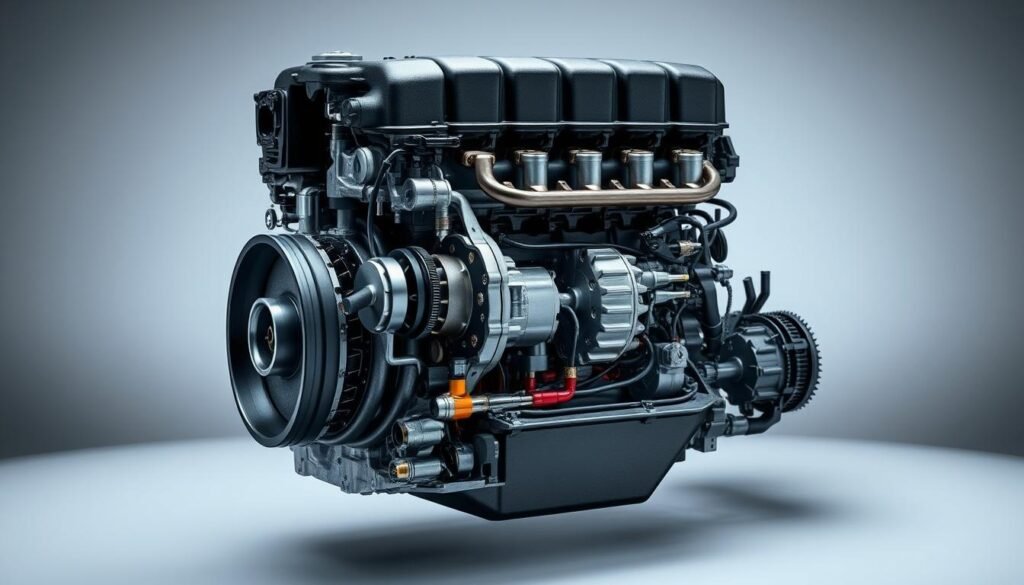
Spotting early signs of an engine issue in your Chevy Traverse is crucial. It can prevent costly fixes.
Watch how your car acts closely. Odd noises, dashboard alerts, and engine power changes signal problems that need quick action.
Unusual Noises From The Engine
Odd sounds like knocking or grinding hint at big engine troubles. Don’t overlook these warnings. They could cause worse damage if not handled soon.
Warning Lights on The Dashboard
Warning lights on your Chevy Traverse are key to spotting issues. A “Check Engine” light demands quick checking. Ignored, these alerts can lead to serious engine problems.
Drop in Engine Power Performance
If your engine struggles with speed or responds slowly, pay attention. These signs suggest your engine might fail soon and needs checking.
Troubleshooting Chevy Traverse Engine Problems
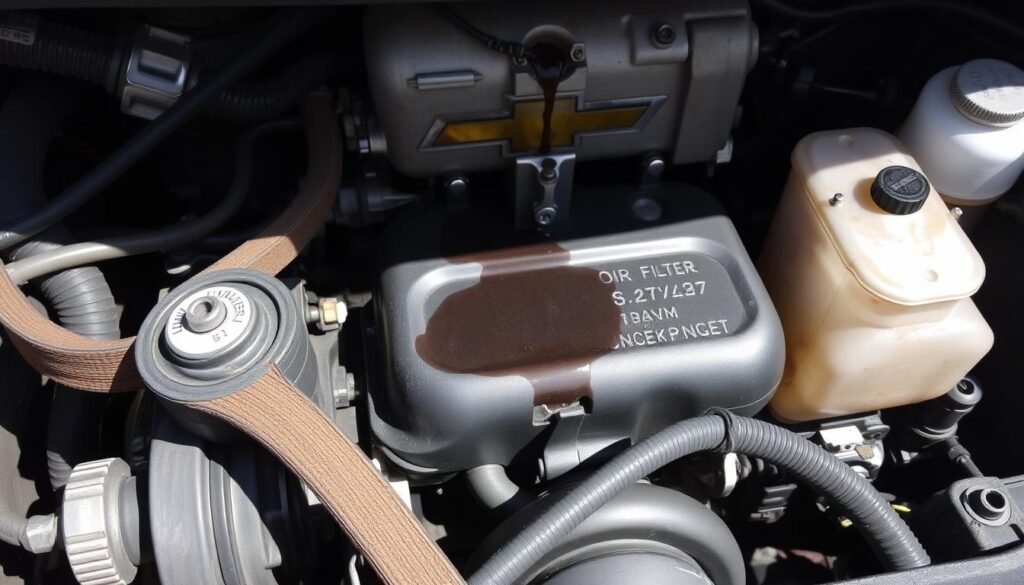
If you suspect your Chevy Traverse engine has issues, start with simple checks. First, look at the oil level and quality; low or dirty oil can cause big problems.
Pay attention to how your car runs and listen for odd sounds for clues.
Initial Diagnostic Steps For Drivers
To start troubleshooting as a driver, you should:
- Check the oil level and note its color and texture.
- Listen for unusual noises, like knocking or ticking.
- Watch for any warning lights on the dashboard.
- Keep track of when the car doesn’t perform well, and under what conditions this happens.
- Search for any fluid leaks under the car.
When To Seek Professional Help
If your own checks don’t solve the problem, it’s time for expert advice. A professional mechanic can do a detailed check and recommend repairs.
This approach stops more damage and ensures issues are fixed correctly.
Chevy Traverse Engine Failure Concerns
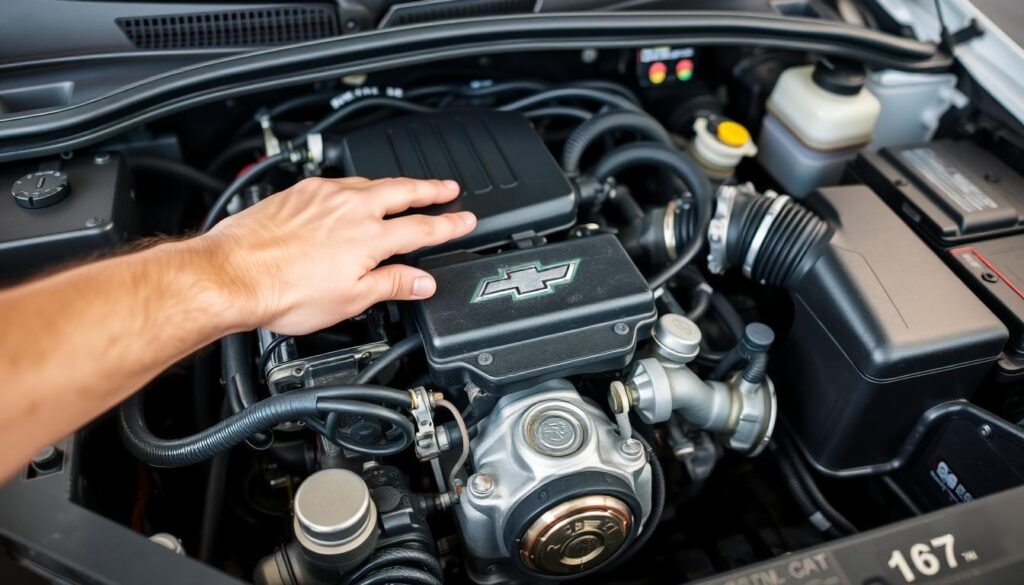
The Chevy Traverse is generally reliable but might have engine issues. It’s vital to know about engine parts that fail and the risks.
By staying on top of maintenance, you can keep your car safe and extend its life.
Common Engine Components That Fail
Some engine parts in a Chevy Traverse are more likely to fail and affect your car’s performance. Here are important parts to watch:
- Bearings: Worn bearings can lead to increased friction and overheating.
- Timing Chains: A failed timing chain may cause the engine timing to go awry, resulting in costly repairs.
- Gaskets: Gasket failures can lead to oil leaks and coolant loss, adversely affecting engine efficiency.
Potential Risks Associated with Engine Failure
Engine failure is more than a mechanical issue. It can be a serious safety risk. If an engine part fails while you’re driving, it could lead to big problems:
- Loss of power: Sudden loss of engine power can impair your ability to control the vehicle.
- Increased repair costs: Delayed maintenance often leads to more extensive and costly repairs.
- Safety hazards: Engine failure can jeopardize the safety of occupants and other road users.
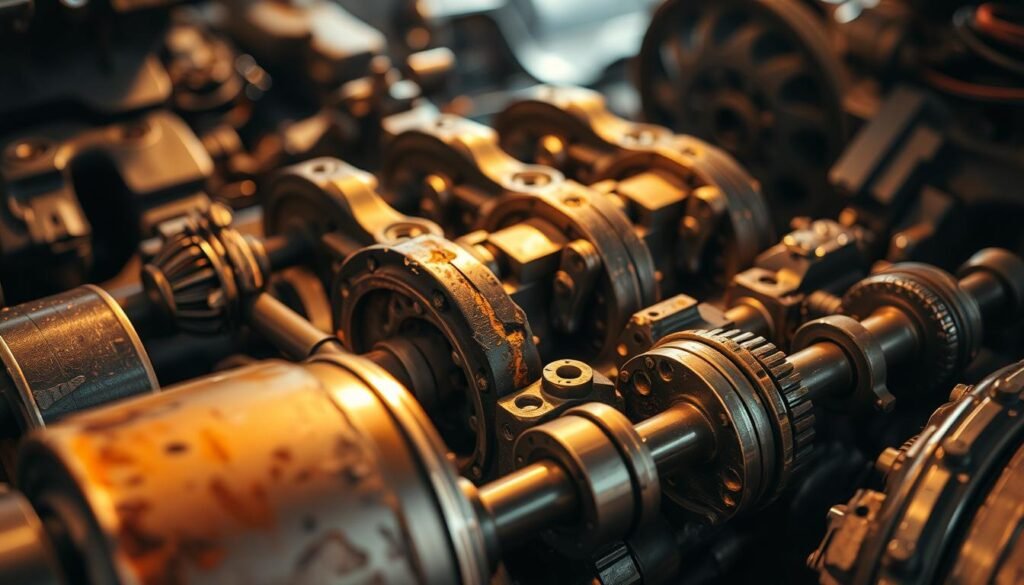
Chevy Traverse Engine Repair Costs
Knowing the cost to fix a Chevy Traverse engine can help you plan for future issues. The cost for common problems varies a lot, so it’s key to be informed.
When fixing an engine, costs can be minor or run into big money for overhauls.
Average Repair Costs For Common Issues
Typically, fixing a Chevy Traverse engine ranges from $5,200 to $6,300 for big problems. Fixing the transmission might cost more than $3,200, based on how bad the issue is.
Here’s a look at typical repair costs:
| Repair Type | Average Cost |
|---|---|
| Engine Overhaul | $5,500 |
| Transmission Repair | $3,200 |
| Timing Belt Replacement | $900 |
| Fuel Injector Replacement | $1,250 |
| Water Pump Replacement | $750 |
Cost Comparison by Model Years
Looking at costs by model year shows trends in repair expenses. The 2010 and 2011 models often need more repairs and cost more to fix.
On the other hand, newer models are more reliable and cheaper to repair. This info is crucial for anyone thinking about buying a Chevy Traverse from different years.
| Model Year | Average Repair Cost | Repair Frequency |
|---|---|---|
| 2010 | $6,300 | High |
| 2011 | $6,000 | High |
| 2015 | $5,200 | Moderate |
| 2018 | $4,800 | Low |
| 2021 | $4,500 | Low |
Chevy Traverse Engine Recalls and Reliability
Some Chevy Traverse models faced big recalls due to safety concerns. These concerns include transmission failures. They could risk the vehicle’s control.
Though there haven’t been engine recalls for the 2010 and 2011 models, staying informed is key. It’s wise to look into any Chevy Traverse recalls and their effects.
Notable Recalls For Engine Problems
Engine failures haven’t been the main focus for Chevy Traverse recalls. But the 2009 to 2012 models have had other serious issues.
Consumers often report problems that might point to engine troubles. Some major recalls for these years are:
- Transmission failures that led to safety hazards.
- Electrical system problems causing stalling.
- Insufficient software updates affecting performance.
Evaluation of Chevy Traverse Engine Reliability Over The Years
The Chevy Traverse’s engine reliability shows varied results over time. Newer models tend to be seen as more reliable than older ones.
Yet, the 2009 to 2012 models have many reports of engine issues. This shows why it’s vital to look at both customer reviews and past performance.
Before buying, consider the recalls and engine reliability closely. Knowing these details can improve your experience and give you peace of mind.
Preventing Chevy Traverse Engine Issues
To keep your Chevy Traverse’s engine running well, a regular maintenance routine is key. Doing so helps prevent issues and makes your car more reliable.
Regular Maintenance Tips
Keeping up with routine checks can help you avoid engine problems. Here’s what you should do:
- Regularly check and replace air filters to maintain optimal airflow.
- Inspect belts and hoses periodically for signs of wear or damage.
- Monitor fluid levels, including transmission and coolant, to ensure everything is functioning correctly.
Importance of Timely Oil Changes
It’s crucial to understand why changing your oil regularly matters. It keeps your engine running smoothly.
Not changing your oil can cause sludge to build up, which wears down the engine. Always check your owner’s manual for when to change your oil.
Make sure to use the right type of oil. This keeps your engine well-lubricated, cuts down on friction, and extends its life.
Latest Reviews on Chevy Traverse Engine Issues
Looking at what Chevy Traverse owners say helps us understand common engine problems.
Many are upset about their cars stopping or the engine shutting off unexpectedly. It seems like some years have more issues, which could mean more repair costs for the owners.
Owner Experiences and Complaints
Many drivers say engine problems like rough idling or suddenly losing power make driving tough. These issues happen more in older models.
Owners find these problems not just annoying but also expensive to fix, depending on how bad they are.
Expert Recommendations For Prospective Buyers
Experts suggest reading Chevy Traverse owner reviews before buying one. Knowing about the engine problems can help you choose a better model.
They recommend looking at models made after 2013 for fewer issues and better reliability.
Conclusion
The Chevy Traverse stands out for being spacious and adaptable. Yet, it has faced several engine problems over different models.
This chevy traverse engine problems summary sheds light on these issues. It’s crucial for potential buyers or current owners.
Knowing early signs of engine trouble, like odd sounds and dashboard alerts, is key. This knowledge lets you act fast to fix issues.
Keeping up with regular checks ensures your Traverse stays in top shape. This way, you get to enjoy its perks without hassle.
Being aware of the Chevy Traverse’s engine issues is vital. Taking steps to prevent these problems boosts your vehicle’s lifespan and driving joy.
Stay on top of common issues. This proactive approach keeps you ready for the road ahead.
FAQs
Q: What are the common engine problems in the Chevy Traverse?
A: The Chevy Traverse often faces engine issues like abnormal noises and losing power. Problems with bearings and the timing chain are also common, especially in the 2009 to 2012 models.
Q: What are the typical repair costs for Chevy Traverse engine issues?
A: Fixing big engine problems in a Chevy Traverse can cost between ,200 and ,300. Fixing the transmission might go over ,200.
Q: Are there specific model years more prone to engine failures?
A: Yes, the 2009 to 2012 Traverse models, especially those from 2010 and 2011, are more likely to have engine failures.
Q: What signs indicate that my Chevy Traverse engine might be malfunctioning?
A: Watch out for weird noises like knocking or grinding. Pay attention to “Check Engine” lights on the dash. Also, if the engine power drops while you’re driving, there might be a problem.
Q: How can I troubleshoot engine issues in my Chevy Traverse?
A: First, check the oil level and how it looks. Be alert for strange sounds or if the car’s performance drops. Note any warnings on the dashboard. For serious problems, get help from a pro.
Q: Are there recalls related to engine problems in the Chevy Traverse?
A: There have been some recalls for different issues, but none specifically for engine problems in the 2010 and 2011 Traverse models by the NHTSA.
Q: What maintenance practices can help prevent engine issues in my Chevy Traverse?
A: Keep up with regular maintenance, change the oil on time, and check for wear on engine parts like belts and hoses.
Q: How reliable is the Chevy Traverse in terms of engine performance?
A: Reliability varies. Newer models are usually more dependable. But, models from 2009-2012 often have engine problems. It’s wise to look into this before buying.