
Chevy StabiliTrak Sensor Location Intelligent Guide & Better 7 Tips
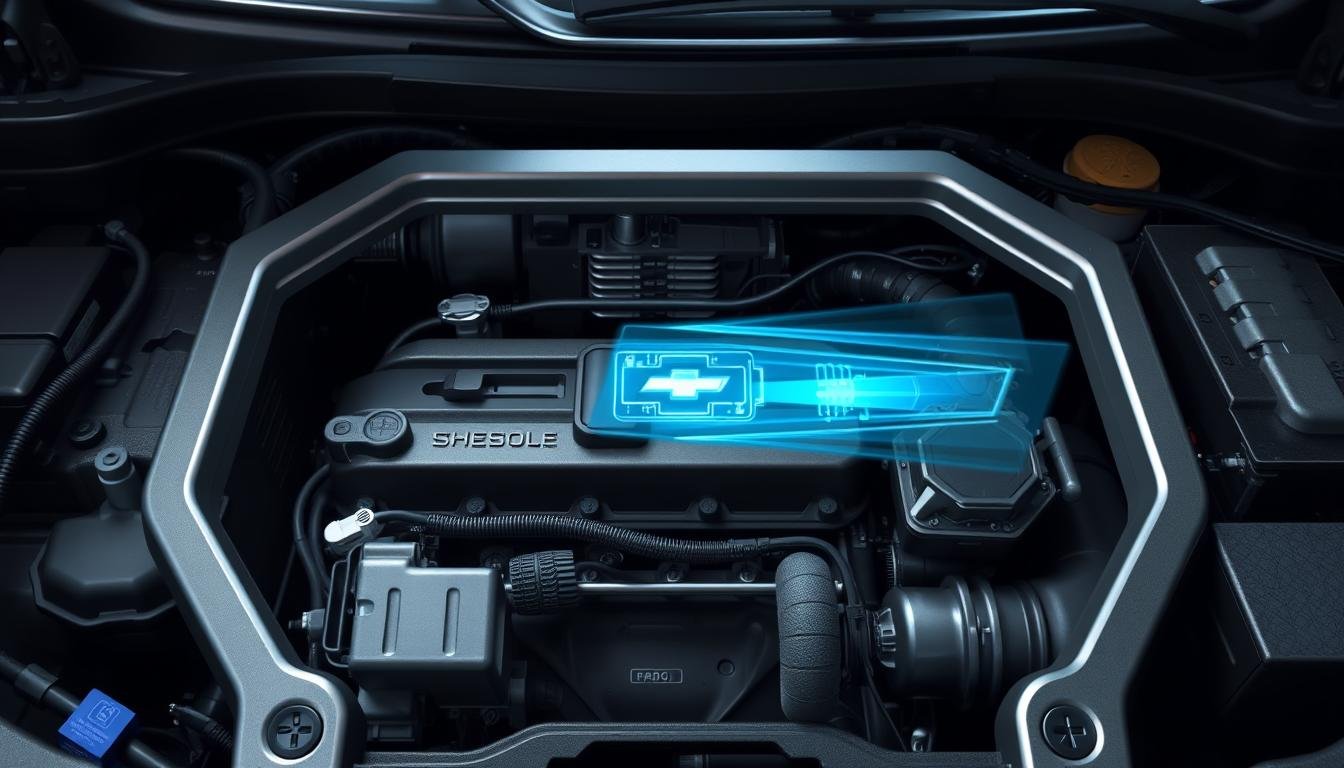
Finding the Chevy StabiliTrak sensor location is key to keeping your car stable. This system helps your car handle better and stay safe by fixing the brakes and engine power if the car starts to slip.
Knowing where the sensors are helps you fix any issues right away, including changing the sensor if needed.
Knowing where the sensors are helps you fix any issues right away, including changing the sensor if needed.
This guide will show you where to find the Chevy stability control sensors. We’ll talk about signs of StabiliTrak problems and how to fix them.
You’ll learn how to check electrical parts, test the battery, and find the sensors in different Chevy models. With this info, you can solve issues early and keep your car dependable on the road.
What is The Chevy StabiliTrak System
The Chevy StabiliTrak system is a high-tech feature aimed at making driving safer. It improves how well your car handles and grips the road. You’ll find out how it works and what makes it so effective here.
What is StabiliTrak?
StabiliTrak is a smart system in many Chevy cars. It watches how your car moves and uses data from sensors.
If it spots traction or stability issues, it quickly adjusts power and applies brakes to keep you in control.
How StabiliTrak Enhances Vehicle Stability
The main job of the Chevy StabiliTrak system is to stop your car from skidding or losing control.
It cuts down engine power and hits the brakes in a smart way. This keeps you safely on your path, especially when roads are wet or slippery.
Key Components of The StabiliTrak System
A few important parts make the Chevy StabiliTrak system work well:
- Wheel Speed Sensors: They check how fast each wheel is turning.
- Steering Angle Sensor: It looks at how you turn the steering wheel.
- Yaw Rate Sensor: This measures how your car is turning or spinning.
These parts send information to the electronic control unit (ECU). The ECU makes quick changes to keep the car stable and performing its best.
Chevy Stabilitrak Sensor Location
Knowing where the stabilitrak sensor is in your Chevy is key for keeping it running smoothly.
These sensors are important because they help keep the car stable. Let’s look at where you can find these sensors in Chevy cars.
Common Locations For Sensors in Chevy Vehicles
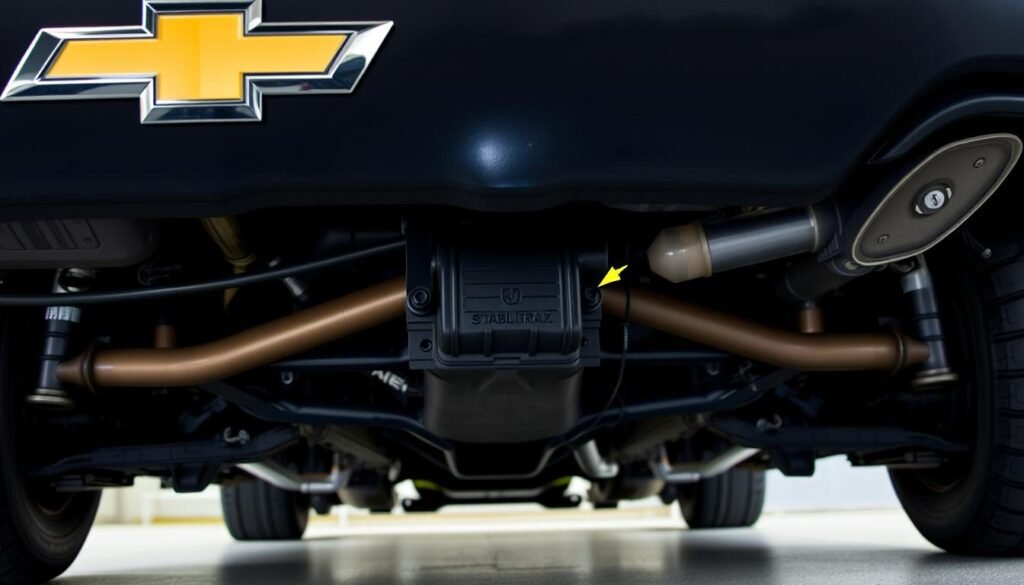
The stabilitrak sensors in Chevy cars are placed in a few important spots. This ensures the car works at its best.
- Near the wheel hubs: Positioned to monitor wheel speed and detect slippage.
- Embedded within brake components: Helps track brake pressure and stability during operation.
- At the control unit: Central processing point for interpreting sensor data and making adjustments.
Different Models and Their Unique Sensor Locations
Where these sensors are can vary depending on the Chevy model. Here are some examples:
| Model | Sensor Location |
|---|---|
| Chevy Silverado | Wheel hub assemblies and ABS control module |
| Chevy Malibu | Wheel speed sensors integrated into the brake assembly |
| Chevy Equinox | Front and rear wheel hubs, as well as the engine control module |
Identifying Common Symptoms of StabiliTrak Issues
Knowing the signs of StabiliTrak issues can improve your drive and keep you safe. Watch for changes in how your car performs.
This could be a clue to chevy stabilitrak problems. Spotting these signs early can stop bigger issues.
Dashboard Warning Lights
The chevy stabilitrak warning light on your dashboard is a key warning sign. It tells you there might be a problem with the StabiliTrak system.
If you see this light, look into it immediately. Ignoring it is not wise.
Changes in Vehicle Handling
Changes in how your vehicle handles are another symptom of StabiliTrak issues. You may notice your car is not as responsive.
Or it might feel less stable, or the wheels spin unexpectedly when you speed up. These signs need checking out.
Feeling of Instability While Driving
An unstable feeling while driving should raise alarm. This is especially true if it happens as you turn or drive on wet roads.
It suggests there might be an issue with the StabiliTrak system. For your safety, it’s important to get it looked at quickly.

Diagnosing StabiliTrak Problems
Figuring out StabiliTrak issues needs a careful look and the correct tools. An OBD-II scanner greatly helps in this task.
It plugs into your car’s diagnostic port. This lets you see vital error codes about the StabiliTrak system. Knowing these codes helps pinpoint the problem.
How To Use an OBD-II Scanner
To start tackling stabilitrak problems, do the following:
- Find your car’s OBD-II port, usually under the dashboard.
- Plug the scanner into the port.
- Switch on the ignition without cranking the engine.
- Follow what the scanner says to get error codes.
- Write down any codes it shows.
Common Error Codes Related To StabiliTrak
Knowing common error codes helps find sensor issues. Look out for these important codes:
| Error Code | Meaning |
|---|---|
| C0475 | Steering Angle Sensor Problem |
| C1234 | Wheel Speed Sensor Fault |
| C0455 | StabiliTrak System Disabled |
| C0561 | Electronic Brake Control Communication Issue |
Knowing what these codes mean helps fix your StabiliTrak system quickly. Fixing issues early saves time and makes driving safer.

Steps To Troubleshoot StabiliTrak Issues
Fixing StabiliTrak problems can be easy with the right steps. First, look at the electrical connections for any corrosion or lost connections.
This can mess up the system. Then, check your battery’s health. It should show volts between 12.4 and 12.6. Finally, examine the wheel speed sensors for damage or disconnection.
These sensors give important info to the StabiliTrak system. Each of these steps is key in solving StabiliTrak issues.
Inspecting Electrical Connections
Begin by checking all electrical connections closely. Look for:
- Signs of corrosion on terminals
- Loose or disconnected wires
- Damaged connectors that may hinder proper function
Checking Battery Condition and Performance
A good battery is essential for StabiliTrak to work right. Make sure to:
- Use a multimeter to check the voltage
- Inspect for any swelling or leaks around the battery
- Confirm that terminals are clean and secure
Inspecting Wheel Speed Sensors
Wheel speed sensors are crucial for your car’s stability control. When inspecting, be sure to:
- Look for any visible damage or wear
- Ensure they are properly connected without any dirt or debris hindering performance
- Test their functionality using a diagnostic tool if necessary

Stabilitrak Sensor Replacement Tips
Keeping your Chevy’s StabiliTrak system in top shape is key for the best vehicle performance. Knowing when it’s time for a stabilitrak sensor replacement is vital.
This affects your vehicle’s control and safety. If the warning light keeps turning on or if the vehicle starts to handle differently, it’s a sign you might need a new chevy stabilitrak sensor.
When To Replace A StabiliTrak Sensor
You should think about replacing a StabiliTrak sensor if:
- The StabiliTrak warning light is always on.
- The vehicle’s grip or steadiness changes suddenly while driving.
- The vehicle acts weirdly when turning or taking corners.
It’s important to check these issues to keep your Chevy running smoothly.
How To Replace Different Types of Sensors
Replacing a stabilitrak sensor can depend on its kind. Here are the steps to follow:
- Look in your vehicle’s manual to find out where the sensor is and how to replace it.
- Turn off the vehicle and unplug the battery before you start to avoid electrical problems.
- Take off any covers or panels to get to the sensor.
- Gently remove the old sensor, being careful not to harm anything around it.
- Put in the new chevy stabilitrak sensor, making sure it’s tight, using the manual’s guidelines.
- Hook the battery back up and reset the system so it recognizes the new sensor.
Cost Considerations For StabiliTrak Repairs
Knowing how much StabiliTrak repairs cost is key for car owners. The price can change a lot based on the sensor type and how bad the problem is. Simple fixes may cost you $50 to $150.
But, replacing a broken sensor or part can cost between $300 to $800. For big repairs on the whole system, you might pay more than $1,500.
Learning Repair Costs Based on Sensor Type
The cost of a specific stabilitrak sensor varies with the part that’s broken. Here’s a look at the usual costs for different sensors:
| Sensor Type | Average Cost |
|---|---|
| Wheel Speed Sensor | $150 – $400 |
| Steering Angle Sensor | $200 – $500 |
| Yaw Rate Sensor | $250 – $600 |
| Complete StabiliTrak System Repair | $1,000 – $1,500+ |
Factors Influencing Overall Repair Costs
Many things can change the cost of StabiliTrak repairs. Important factors include:
- Labor Rates: They change by location and repair shop.
- Vehicle Model: Some cars have costlier sensors due to their demand or availability.
- Diagnostic Fees: The initial check-up cost can vary a lot among mechanics.
- Parts Quality: Original manufacturer parts are usually more expensive than aftermarket parts.
Preventive Measures For StabiliTrak System Maintenance
To keep your StabiliTrak system working well, it’s key to take preventive steps. Make regular inspections a part of taking care of your car.
Stick to the vehicle’s maintenance plan, including checks on the electric system, sensors, and brakes. Paying attention regularly helps spot issues early, avoiding bigger problems later.
The Importance of Regular Inspections
Checking the StabiliTrak system often makes it more reliable. You should look at:
- Electrical connections for signs of wear or corrosion
- Battery condition and performance
- Wheel speed sensors for functionality
Keeping up with maintenance avoids surprise failures and keeps the system working right. This means your vehicle stays stable.
Driving Habits That Affect Stability Control
How you drive has a big impact on the StabiliTrak system. Keep these tips in mind:
- Avoid sudden turns that can make the vehicle unstable
- Don’t speed up too fast, as it may set off system warnings
- Brake gently to keep control over traction
By following these driving tips, you help control stability and make your vehicle’s systems last longer.
Plus, taking care of your StabiliTrak system not only boosts safety but also prevents expensive repairs later.
Common Chevy StabiliTrak Problems and Solutions
Owners of Chevy vehicles often run into problems with the StabiliTrak system. Knowing about these issues can help you fix them better.
You might face anything from small sensor glitches to bigger electrical issues. Spotting these problems early is key to keeping your car safe and running well.
Identifying Persistent Issues in Chevy Models
There are some usual signs of StabiliTrak issues, including:
- Dashboard warning lights illuminating
- Loss of traction control
- Inconsistent braking performance
If you keep having these problems, it could point to something more serious. Like, a broken wheel speed sensor can mess up the StabiliTrak’s performance.
Getting your car checked regularly can help find and fix these issues quickly.
Professional vs. DIY Repairs
Sometimes, it’s hard to know if you should fix StabiliTrak issues yourself or see a pro. You might handle simple tasks, such as resetting the system or swapping out a sensor, on your own.
Consider the following:
- Professional mechanics have special tools for diagnosing problems.
- Fixing complex electrical issues safely may need expert knowledge.
- Doing it yourself can save money but might cause bigger problems if done wrong.
If you decide to make repairs, make sure you have what you need and know what you’re doing.
If you’re not sure, a pro can offer the knowledge to fix any StabiliTrak issues effectively.
| Problem Type | Symptoms | Possible Solutions |
|---|---|---|
| Sensor Malfunction | Warning lights, traction issues | Reset system, replace sensor |
| Wiring Issues | Inconsistent performance | Inspect and repair wiring |
| Mechanical Failures | Braking problems, instability | Professional diagnostics and repairs |
Conclusion
It’s key for Chevy owners to get the Chevy StabiliTrak system. Knowing the location of the chevy stabilitrak sensor and how this system works boosts your car’s performance and safety.
This know-how helps spot early signs of trouble, avoiding bigger problems later on. Keeping up with maintenance helps your stability control system work right.
Using troubleshooting tips and knowing how to replace sensors means you can keep your car in top shape on your own.
Being aware of how to care for the StabiliTrak system makes your drive safer. Learning about the chevy stabilitrak sensor and how the control system works makes driving safer and more fun.
Having the right knowledge and skills ensures your car’s stability system is always at its best. This means better performance and safety on the road.
FAQs
Q: Where is the Chevy StabiliTrak sensor located?
A: The sensor is usually near the wheel hubs, within brake parts, and by the control unit. Location can vary by model, like the Chevy Silverado or Equinox.
Q: What does the Chevy StabiliTrak warning light indicate?
A: The warning light shows a stability control system issue. This could impact how the car handles and its traction.
Q: How do I diagnose StabiliTrak issues in my Chevy?
A: Use an OBD-II scanner for error codes to check StabiliTrak problems. Know codes like C0475 and C1234 for sensor issues.
Q: When should I replace a StabiliTrak sensor?
A: Change the sensor if the warning light is often on or if you have driving troubles. These can be reduced car control or odd wheel spin while driving.
Q: What is the typical cost for StabiliTrak sensor replacement?
A: Sensor replacement costs between 0 and 0. The price depends on sensor type and issue complexity.
Q: How can I ensure the longevity of my Chevy StabiliTrak system?
A: Keep the electrical system, sensors, and brakes in check. Also, driving safely will help your StabiliTrak system last longer.
Q: What common problems are associated with the Chevy StabiliTrak system?
A: Frequent issues are sensor malfunctions and wiring troubles. If problems keep up, see a skilled mechanic.


