
Chevy Impala Years To Avoid – Better 9 Buyer’s Guide
When looking for a Chevy Impala to buy, know which years to avoid between 2000 and 2020. This guide will guide you through used Impalas, giving you the info you need.
You’ll learn about their problems, reliability, and what other owners say. This helps you avoid regrets when buying a used Chevy Impala.
The Chevy Impala has been big in the U.S. car scene since 1958. Yet, not every model year is good.
This guide points out the bad years, often seen as unreliable. We’ll talk about what makes these years bad and help you make a smart choice.
In this guide, we mainly look at the recent generations of the Impala. We’ll check out what makes some years worse to buy than others.
Join us as we dive deep into the details, getting you ready to pick a good used Chevy Impala. You’ll feel more confident, avoiding any nasty surprises later.
Introduction To The Chevy Impala
The Chevrolet Impala is a prime example of full-size sedans that left their mark. For over sixty years, the Impala has changed a lot.
It meets ever-changing needs while offering features loved by many. This overview shows why it’s known for spacious insides, smooth driving, and a blend of function and style.
It’s perfect for families and also loved for its sleek look and strong features. During its time, the Impala stood out for its performance and changing styles.
Many picked it for being reliable and comfortable. It stood strong against other big sedans.
Even after stopping production in 2020, the Impala’s legacy lives on in the used car scene.
It still offers much for buyers. Learning about its history shows how it stayed important, with features that car buyers still want.
History of The Chevy Impala
The Chevy Impala first appeared in 1958, becoming GM’s top sedan. It quickly caught everyone’s eye, leading to high sales.
In 1965, it made a huge splash by selling over a million units. The Impala SS came out then, adding a sporty edge.
The Impala has changed a lot over time, fitting new trends in cars. What buyers liked influenced its design a lot.
These changes brought us the classic Impalas, with their cool style and great performance.
Impalas have been everything from family cars to police cruisers, showing their wide appeal.
With each new version, they got more comfy, high-tech, and safe. Knowing the Impala’s past helps us appreciate its place in American car history.
What is Chevy Impala Generations?
The Chevy Impala has grown over many generations. Each one shows new designs and technical updates.
With more than ten generations, the story of the Impala covers style shifts, tech improvements, and better performance.
From 2000 to 2005, the eighth generation focused on modern looks and usefulness. These years brought attention to the comfort and safety of passengers.
It offered a basic V6 engine and a stronger V8, meeting various customer wants. Next, the ninth generation (2006-2013) brought sleeker designs and updated features.
It had better infotainment systems and fuel efficiency. The design got sleeker, and safety got much better, matching the growing demands for modern cars.
The tenth generation (2014-2020) brought a big change with more tech and connectivity.
This era focused on the needs of today’s drivers. It made safety and comfort more important than ever.
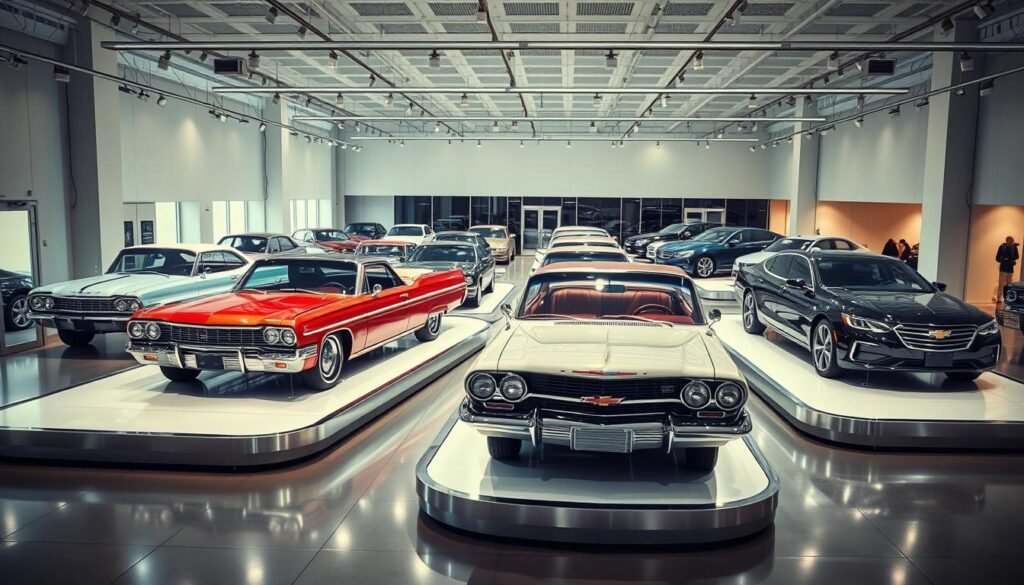
Learning about these Chevy Impala generations helps understand what to look for when buying.
Each generation suits different tastes, showing various strengths and weaknesses. Knowing these changes helps buyers make informed choices.
Chevy Impala Years To Avoid
Some Chevy Impala models come with issues leading to high costs for owners. It helps to know which years of the Chevy Impala to skip.
This could prevent future headaches. The problem years are mostly in the eighth and ninth generations.
Major Reasons To Avoid These Years
Models from 2000 to 2005, especially those from 2002 and 2004, have many problems. Owners have faced cracked intake manifolds causing overheating.
They’ve also dealt with electrical issues. This makes the 2002 and 2004 models less trustworthy.
The ninth-generation models from 2006 to 2013 have their own troubles too. They’re known for transmission failures, poor quality, and rust problems.
These issues make it clear why buyers should be careful about these years.
Cars with High Owner Complaints
The Chevy Impala years to avoid are well-known due to lots of owner complaints. These are mainly about the eighth-generation models.
Owners share their struggles with ongoing mechanical problems. This stands as a warning to those thinking about buying an older Impala, especially one that may need lots of repairs.
Chevy Impala Models To Steer Clear Of
Some Chevy Impala models are known for being unreliable. If you’re buying a used car, it’s important to know which Impalas to avoid.
The models from 2001 to 2005 have lots of complaints about their performance. The 2006 and 2007 models, as well as the 2011 Impala, have issues with their engines and transmissions.
The 2014 model is also one to watch out for. It has many recalls and a high number of complaints from owners. This indicates ongoing problems that could lead to expensive repairs.
Buyers should do their homework on these years. Look into the likelihood of mechanical failures before making a purchase.
When looking for a used Impala, avoid the years with lots of complaints and issues. Being aware of these problematic models can prevent headaches and save money in the future.
Common Problems in Chevy Impala Years
Knowing common issues with different Chevy Impala generations helps in making smart choices. It lets you look closely at possible buys, so you dodge high repair costs later.
The eighth generation (2000 to 2005) has quite a few problems. The ninth generation (2006 to 2013) also faces its challenges.
Eighth Generation Model Issues
The eighth generation of Chevy Impala has its set of problems. Owners often point out:
- Electrical malfunctions that can lead to various component failures
- Engine overheating, which might result in extensive repair costs
- Frequent failures in the air conditioning system, specifically with the compressor
These issues with the eighth generation can raise maintenance costs and lower the car’s dependability.
Ninth Generation Model Issues
Though more reliable, the ninth generation still has its issues. They include:
- Transmission failures that could hinder vehicle performance
- Subpar interior design, leading to wear and tear more quickly than anticipated
Knowing about these issues with the ninth generation helps you evaluate cars better, making sure you get a good deal.
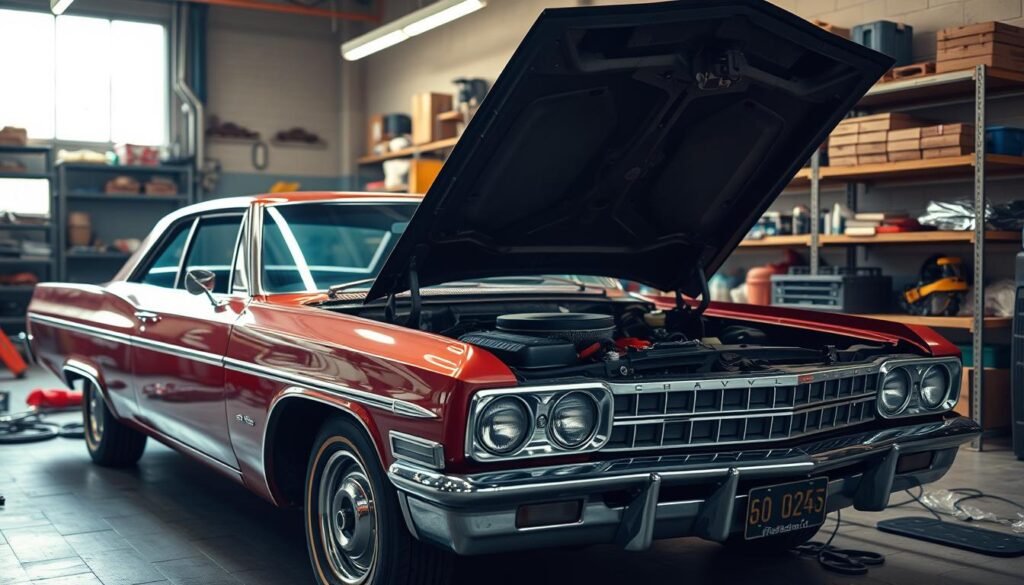
Chevy Impala Trouble Years
The Chevy Impala has had its tough years that shoppers should know about. The models from 2000 to 2005 are known for not being very reliable and costing a lot to fix.
Then, from 2006 to 2008, there were a lot of recalls that hurt the car’s quality. Even more, the 2014 model had major recalls.
These included big safety issues, making it a model with many recalls. Owners have often talked about engine and reliability problems in these cars. Reviews show there are big issues with these years.
Knowing these problem years of the Chevy Impala can guide you in choosing the right car. It helps you make a smart choice when looking for a dependable car.
| Model Year | Reliability Score | Recalls | Common Complaints |
|---|---|---|---|
| 2000-2005 | 2.5/5 | High | Engine failure, transmission issues |
| 2006-2008 | 3/5 | Numerous | Steering problems, electrical faults |
| 2014 | 2/5 | Significant | Engine performance, safety concerns |
Comparative Analysis of Chevy Impala Reliability
Looking into Chevy Impala’s reliability scores is really useful for buyers. By looking at different years, you can see which cars are most reliable.
The models made between 2014 and 2020 are notably more reliable than the older ones. The first year of a new car model usually has lower scores because of starting issues.
The 2014 Impala had some early problems, but knowing this helps you choose a good used car.
| Model Year | Reliability Score | Notes |
|---|---|---|
| 2014 | 3.5/5 | Initial issues noted, improving in later years. |
| 2015 | 4.2/5 | Improved performance and reliability. |
| 2016 | 4.5/5 | Continued reliability and performance enhancements. |
| 2017 | 4.3/5 | Consistent reliability metrics. |
| 2018 | 4.4/5 | Well-regarded for its reliability. |
| 2019 | 4.6/5 | High ratings, minimal reported issues. |
| 2020 | 4.5/5 | Reliable choice backed by solid scores. |
This analysis shows which Impala models offer the best mix of performance and reliability.
Choosing models from later years means a better driving experience. You’ll enjoy your car for longer and worry less about fixing it.
Positive Alternatives To Avoided Model Years
If you’re avoiding some Chevy Impala years, there are great full-size sedans as alternatives.
They offer comfort and reliability without the issues found in the less dependable Impalas. The Toyota Avalon, Ford Taurus, and Chrysler 300 are top choices.
They have the good parts of the Impala but offer a better experience. The Toyota Avalon shines with its classy look and roomy inside.
It mixes luxury and value, making it perfect for those who want a fancy car. The Ford Taurus has strong performance and top-notch safety features.
This adds to your confidence while driving. The Chrysler 300 stands out with its unique style and powerful engines. It’s an exciting option in the full-size sedan market.
These sedans have what you like in the Chevy Impala but avoid its issues. Looking at these dependable full-size sedans ensures you get quality and comfort in your new car.
Conclusion
The Chevy Impala can be a great add to your garage. But it’s vital to know which years to skip. Knowing the common issues with some models helps you make a smart buy.
It leads to a happier car ownership journey. When it comes to buying a used Chevy Impala, knowing your stuff is your best tool.
This guide has shown that the right knowledge helps you avoid regret. It ensures you pick a car that’s good for your wallet and your life.
In the end, it means you can look forward to many years of smooth driving in a great full-size sedan. Remember these important tips as you search for the perfect Chevy Impala.
Armed with good info, your chances of landing a solid car go up. It’s about making an investment that pays off for your future on the road.
FAQs
Q: What are the Chevy Impala years to avoid?
A: Avoid the years 2000-2005, especially 2002 and 2004. Also, steer clear of 2006-2008 and 2014. These years had reliability problems and a lot of complaints from owners.
Q: Which Chevy Impala models have the most problems?
A: Stay away from the 2001-2005 models. Also, the years 2006, 2007, and 2011 had big issues with their engines and transmissions.
Q: Are there specific issues known in certain generations of the Chevy Impala?
A: Yes, the eighth-generation models (2000-2005) often face electrical problems and their engines overheat. The ninth-generation models (2006-2013) have trouble with their transmissions and the overall quality isn’t great.
Q: What major repairs can I expect with the trouble years?
A: Be ready for expensive repairs with the problem years. This is especially true for the 2002, 2004, and 2014 models. The main issues are with the engine, transmission, and electrical systems.
Q: How do reliability scores differ across the Chevy Impala generations?
A: The most recent generations, particularly the tenth generation (2014-2020), usually have better reliability scores. Earlier models often had a lot of problems.
Q: Are there any recommended alternatives to the Chevy Impala?
A: Yes, try looking at the Toyota Avalon, Ford Taurus, or Chrysler 300 as alternatives. They offer good benefits without the same risks.
Q: What should I do if I already own a problematic Chevy Impala?
A: If you have one of these cars, make sure to keep up with regular maintenance. Stay aware of common issues. And talk to a trustworthy mechanic quickly if you need repairs.


