

Chevy 6.6 Gas Problems: Essential Common Issues & Fixes
Many Chevy 6.6 gas engine owners face problems, especially with the Chevy Silverado and GMC Sierra. Knowing the typical issues can save time and money.
You can spot problems early. This engine has had recalls, so it’s crucial to know about upkeep and how to fix issues.
This guide will show you what to watch for with your Chevy 6.6 engine. You’ll learn about engine failure signs and when it’s not running right.
Spotting these early means you can fix things before they get worse and expensive. We’ll look at big worries like using too much oil and give you tips to fix problems.
Keeping your vehicle well-maintained means it’ll run smoothly for a long time. By paying attention to Chevy 6.6 gas issues and doing regular checks, your engine will stay strong.
Now, let’s get into the details of these problems and how you can solve them.
Introduction To Chevy 6.6 Gas Engine Issues
The Chevy 6.6 gas engine is known for its good performance and reliability. But sometimes, problems pop up that worry owners about chevy 6.6 gas engine issues.
It’s important to spot these problems early to keep your vehicle running well.
Some issues with the Chevrolet 6.6 include using too much oil, engine failure, and uneven performance.
Knowing about these Chevrolet 6.6 problems helps you act early to fix them. Keeping up with regular checks and maintenance is key for a smooth ride and avoiding big problems down the road.
Being aware of what could go wrong helps you make smart choices about your vehicle’s care and repair.
Armed with the right info, you can handle any issues with your Chevy 6.6 engine confidently.
Common Symptoms of Chevy 6.6 Gas Problems
Spotting symptoms of chevy 6.6 gas problems early can save you from expensive repairs. Looking out for warning signs is crucial.
If you notice the check engine light, feel a loss of power, or hear weird noises, pay attention. Also, seeing exhaust smoke is a bad sign, showing deeper engine problems.
Signs of Engine Failure
As your vehicle gets older, certain signs of engine failure might show up. These need quick action to prevent worse damage:
- Check Engine Light: An illuminated warning can signify various issues needing diagnostics.
- Unusual Sounds: Knocking, whining, or grinding sounds often indicate serious internal problems.
- Excessive Exhaust Smoke: Blue or black smoke can point to oil burning or fuel issues.
- Loss of Power: Sudden drops in engine power can suggest failing components.
Indicators of Potential Issues with Performance
Keeping an eye on chevy 6.6 performance issues is smart. Signs that things are going downhill include:
- Stalling: Unexpected stalling during acceleration can signal fuel delivery issues.
- Overheating: Frequent overheating may indicate cooling system problems or low coolant levels.
- Poor Fuel Efficiency: A noticeable decrease in miles per gallon can signify engine inefficiencies.
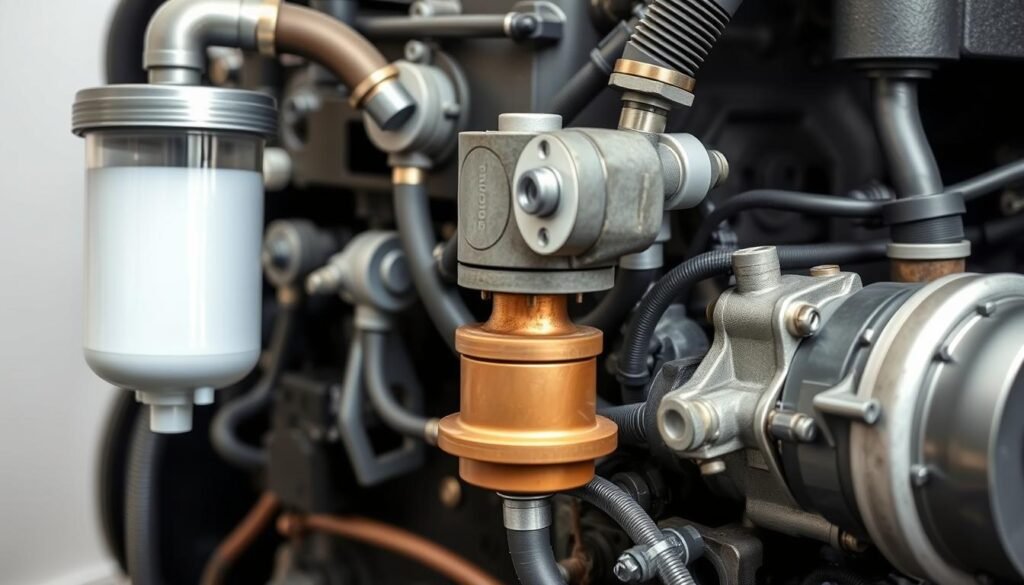
Spotting these symptoms quickly lets you tackle issues before they turn into big engine problems. Regular checks help keep your Chevy 6.6 running smoothly for longer.
What is Excessive Oil Consumption?
Many vehicle owners deal with the issue of excessive oil consumption in Chevy 6.6 engines.
It’s important to know why this happens to diagnose and fix the issue properly. By understanding the root causes, you can act early and prevent worse engine problems.
Causes of Oil Consumption in Chevy 6.6 Engines
There are a few reasons why your Chevy 6.6 engine might be using too much oil. These include:
- Worn Seals: Seals can wear out over time, leading to oil leaks.
- Piston Rings: If piston rings are damaged or worn, oil can slip into the combustion chamber. This causes your engine to use more oil.
- Engine Wear: The normal wear and tear of driving can break down engine parts. This makes the engine burn oil faster.
- PCV System Malfunctions: Problems with the Positive Crankcase Ventilation system can also increase oil usage.
Impact of Oil Consumption on Engine Health
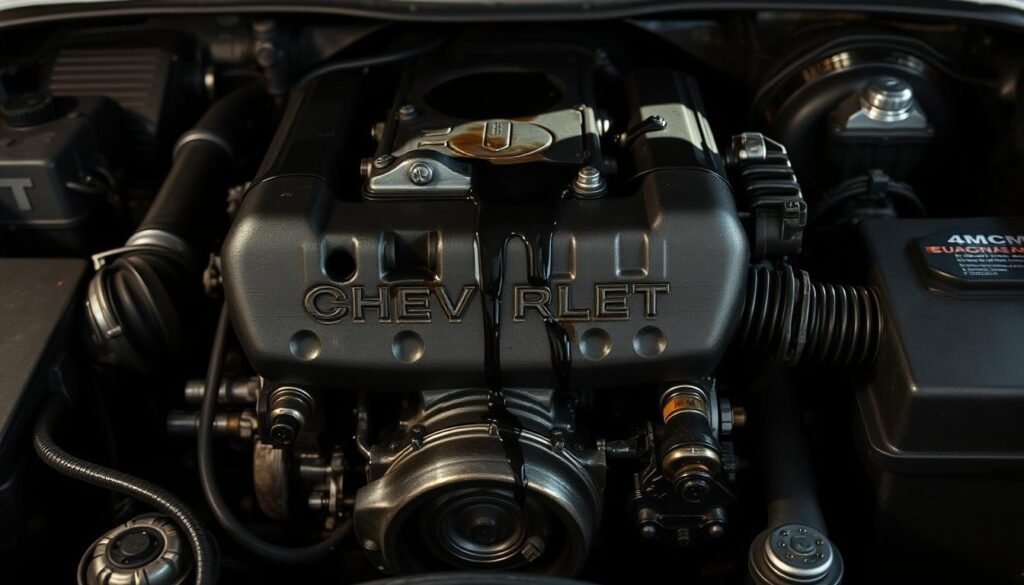
Using too much oil can really harm your engine’s performance and its overall lifespan.
You might notice your car accelerating slower, using more fuel, or even starting to rust. Ignoring these warning signs can lead to serious engine damage and expensive repairs.
Common Chevy 6.6 Gas Problems
The Chevy 6.6 gas engine has some issues you should know about. These issues can lead to bigger problems if not fixed quickly.
Let’s talk about engine failure, strange engine noises, and exhaust leaks.
Engine Failure Overview
Engine failure is a big worry for Chevy 6.6 gas engine owners. You might notice sudden power loss, too much vibration, or warning lights.
Fixing these problems can be cheap or very expensive. Ignoring them could cost even more later on.
Strange Noises from the Engine
Hearing odd sounds from your engine is an early sign of trouble. Knocking, rattling, or hissing sounds are bad news.
They mean your engine might fail soon or have other big issues. It’s best to get it checked right away.
Exhaust System Leaks
Exhaust leaks are dangerous and can hurt your car’s performance. They can let bad fumes inside and lower your engine’s power.
If your car gets louder when speeding up or uses more fuel, you might have a leak. Fixing it makes your car safer and run better.
| Problem | Symptoms | Potential Costs |
|---|---|---|
| Engine Failure | Loss of power, dashboard warning lights, excessive vibration | $500 to $5000+ depending on severity |
| Strange Noises | Knocking, rattling, hissing | $100 to $3000+ based on issue |
| Exhaust Leaks | Increased noise, reduced fuel efficiency, fumes in cabin | $200 to $2000+ depending on repair needs |
Diagnosing Chevy 6.6 Gas Issues
When your Chevy 6.6 gas engine starts acting up, finding the problem fast can save money.
It’s key to check your vehicle carefully for any signs of trouble. Doing this early helps avoid bigger problems later, keeping your engine running well.
How To Identify Specific Problems
Start by looking for common signs that your Chevy 6.6 is having issues. This includes odd sounds, performance drops, or warning lights. You can:
- Check the oil levels and its condition.
- Look for fuel leaks.
- Listen for strange engine noises.
- Watch the exhaust for odd smoke.
These steps can lead you to what’s causing the trouble. For more clear-cut answers, use tools that read your car’s error codes.
Importance of Professional Diagnostics
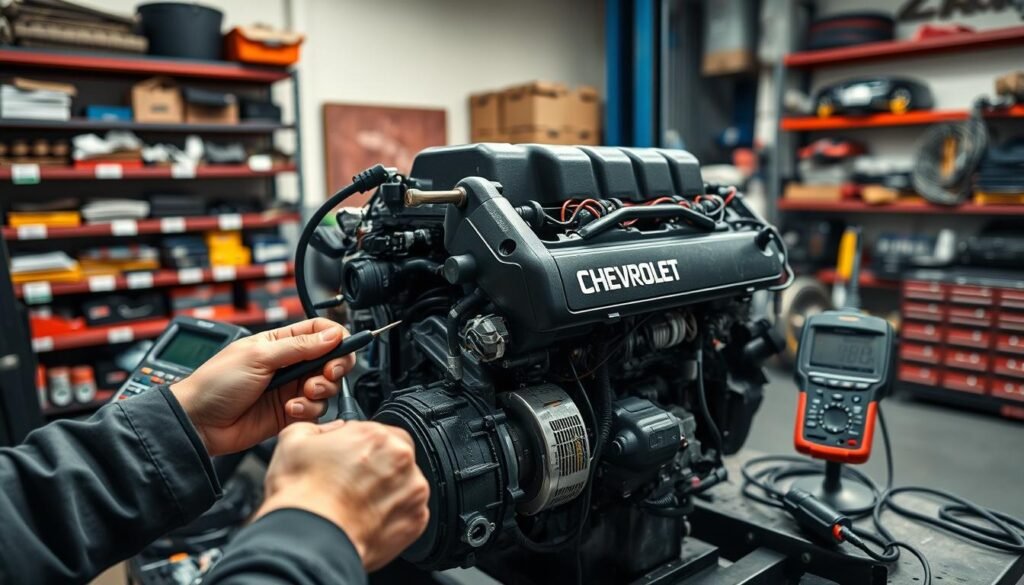
Doing some checks yourself is okay, but experts are crucial. They have the training and tools to find hidden issues.
This means they can figure out complex problems and make sure the diagnosis is right.
So, using professional help not only spots problems better but also saves future expenses.
Chevy 6.6 Gas Engine Troubleshooting Tips
Keeping your Chevy 6.6 gas engine in top shape needs a hands-on approach. Doing so ensures it runs well for a long time.
Spotting problems early by using smart troubleshooting steps helps. This can lower the risk of big damages.
Regular checks and proper care keep the engine healthy. Here are key points to check during maintenance.
Regular Maintenance Recommendations
- Change the oil and filter every 3,000 to 5,000 miles to keep the engine clean and running smoothly.
- Inspect spark plugs for wear and replace them as needed, as they play a vital role in engine performance.
- Keep an eye on your air filter; a clean filter helps enhance fuel efficiency and overall performance.
- Check the cooling system regularly to avoid overheating issues.
- Schedule periodic engine diagnostics to catch any potential issues early.
Tips For Maintaining Oil Levels
Keeping the right oil level is key for your Chevy 6.6 gas engine’s health. Here’s how to make sure it’s correct:
- Check the oil level weekly using the dipstick, and top off if it’s low.
- Monitor for any oil leaks under your vehicle. Addressing leaks promptly can prevent major problems.
- Use the recommended oil type for your engine to enhance lubrication and performance.
- Regularly change your oil according to the manufacturer’s recommendations to minimize sludge build-up.
- Maintain records of oil changes to ensure you are adhering to your maintenance schedule.
Repair Options For Chevy 6.6 Gas Engine Issues
When fixing Chevy 6.6 gas engines, knowing the right steps can save time and cash. We’ll look at common problems such as too much oil use, timing chain needs, and spark plug care.
Addressing Excessive Oil Consumption
Many Chevy 6.6 drivers deal with too much oil use. To solve this, figure out why it’s happening. Usual steps include:
- Checking for leaks in the oil pan and seals.
- Inspecting the engine for worn piston rings.
- Examining valve guides for wear and tear.
- Monitoring oil levels regularly to detect changes early.
These actions can make your engine last longer and run better.
Timing Chain Inspection and Repair
The timing chain is key to your Chevy 6.6 gas engine working right. Keeping the timing chain in good shape prevents big engine problems.
Here are some tips:
- Listen for unusual noises indicating chain wear.
- Check for timing chain slack or misalignment.
- Consult a professional mechanic for timing chain replacement when necessary.
Good timing chain care keeps your engine running smoothly.
Importance of Spark Plug Maintenance
Don’t ignore spark plug maintenance in your repair plans. Spark plugs are crucial for your engine’s best performance.
To keep them in check:
- Replace spark plugs as per manufacturer recommendations.
- Inspect connections for corrosion and contaminants.
- Ensure correct spark plug gap for efficient combustion.
Not keeping up with spark plugs can cause engine issues and more stress on it.
Addressing Chevy 6.6 Gas Problems
Keeping your Chevy 6.6 gas engine in good shape requires preventative maintenance.
Paying close attention to your vehicle helps avoid big problems later. By dealing with small problems early, you can prevent them from getting worse.
Best Practices For Preventative Maintenance
- Conduct routine oil changes every 5,000 to 7,500 miles to keep engine components lubricated.
- Regularly inspect and replace air filters to ensure optimal airflow and engine performance.
- Keep an eye on fluid levels, including coolant, transmission, and brake fluids.
- Examine belts and hoses periodically for signs of wear and tear.
- Ensure your tires are properly inflated to improve fuel efficiency and handling.
How To Handle Minor Issues Before They Escalate?
Fixing chevy 6.6 gas problems early can help you save time and money. It’s important to watch out for any minor issues and act quickly.
Below are some strategies to manage these concerns effectively:
- Monitor engine performance and listen for unusual sounds, which may indicate underlying issues.
- Check for warning lights on your dashboard and address them immediately.
- Take note of any changes in fuel efficiency and investigate potential causes.
- Act on strange smells or leaks as soon as you detect them.
- Consult with a professional mechanic if you are unsure how to proceed with any concern.
Long-term Maintenance Strategies For Chevy 6.6 Engines
Maintaining your Chevy 6.6 engine is more than just fixing things when they break. It’s about keeping your engine running smoothly for a long time.
A good maintenance plan can help your vehicle last longer and perform better. This means checking your engine and monitoring its performance regularly.
Routine Checks and Inspections
It’s important to check your engine often to avoid big problems later. Here’s what you should look at:
- Oil Levels: Keep the oil at the right level for smooth running.
- Coolant Levels: Watch the coolant to stop overheating and keep the engine cool.
- Fluid Leaks: Look for leaks that could mean something is wrong.
- Battery Condition: Check the battery and connections to make sure your car starts.
- Tire Condition: Make sure your tires are inflated right and have enough tread.
Monitoring Performance and Fuel Efficiency
Keeping an eye on how your engine is doing can give you clues about its health. Watch these things to spot any problems:
- Fuel Consumption: Notice if you’re using more gas than usual.
- Engine Noise: Listen for strange sounds that could mean trouble.
- Acceleration Response: See if your car is slow to speed up, which could be a bad sign.
- Emissions: Check the exhaust for any signs that the engine isn’t working right.
Conclusion
Summing up Chevy 6.6 gas problems, it’s very important for owners to know the common issues.
These can range from using too much oil to not running smoothly. Spotting these signs early can really help keep your car running well for longer.
Keeping up with regular maintenance is key to stopping bigger problems. Also, watching how your engine runs is a must.
Look for any changes that could signal a problem. Fixing issues fast and sticking to maintenance plans not only makes your car last longer but also run better.
If you’re ever unsure, it’s smart to get help from a pro. They can make sure your Chevy 6.6 is in great shape. Remember these tips, and you’ll likely enjoy a much smoother ride.
FAQs
Q: What are the common problems associated with the Chevy 6.6 gas engine?
A: The Chevy 6.6 gas engine often faces issues like using too much oil, risk of engine failure, weird noises, and leaks in the exhaust system.
Q: How can I diagnose issues with my Chevy 6.6 gas engine?
A: Watch for warning signs such as the check engine light turning on, decreased power, odd sounds, and smoke from the exhaust. It’s best to get a pro to check it for a clear diagnosis.
Q: What causes excessive oil consumption in the Chevy 6.6 engine?
A: High oil use mainly comes from old seals, worn piston rings, and overall engine wear. Catching these issues early can stop bigger problems later.
Q: How do I troubleshoot my Chevy 6.6 gas engine?
A: Keeping up with regular maintenance is key. Always change your oil on time, replace filters as needed, and check for any wear. It’s also crucial to keep the oil at the right level.
Q: What repair options are available for Chevy 6.6 gas engine problems?
A: For fixing issues like high oil use, you can seal leaks, check and repair the timing chain, and make sure the spark plugs are okay.
Q: What preventative maintenance practices should I follow for my Chevy 6.6 engine?
A: Make sure to do regular checks, quickly handle small problems, and follow a set maintenance schedule. This will help your engine last longer.
Q: Why is long-term maintenance important for my Chevy 6.6 engine?
A: Staying on top of regular checks and watching how your engine performs keeps it running smoothly. This way, you get better fuel efficiency and ensure your engine lasts.


