Common Issues with 5.3-Liter Chevy Engine Problems Better Info
The 5.3-liter Chevy engine is popular for its performance and reliability. However, it can face issues like coolant loss, misfiring, and more.
Spotting these problems early is key to keeping your vehicle running well. You’ll learn the signs of issues like coolant leaks and misfires in this article.
We’ll show you what causes these problems and how to find them. Knowing this helps you fix issues early, saving time and money. Being informed means your engine stays in top shape.
Overview of The 5.3-Liter Chevy Engine
The 5.3-liter chevy engine is a big part of General Motors’ Gen III and IV V8 engine series. You can find it in many vehicles, from big trucks to SUVs.
It’s known for its strong build, offering great power and fuel efficiency. An interesting part of the 5.3-liter chevy engine is its Active Fuel Management (AFM) system.
This cool tech adjusts fuel use depending on how you drive, making the engine more efficient. Looking into the 5.3-liter chevy engines shows why they’re so liked.
They have advanced cylinder heads that boost their performance. Knowing about these parts helps with upkeep and figuring out problems as they come up.
This info gives you the confidence to tackle common issues with this engine.
Common Issues with 5.3-Liter Chevy Engines
The 5.3-liter Chevy engine is known for being reliable. But it does have some common issues.
Knowing these problems helps you fix them early. This keeps your car running well.
Introduction to Common Problems
Owners of vehicles with the 5.3-liter Chevy engine often face issues. Coolant loss is one due to cracks in the cylinder heads.
This is common in models from 1999 to 2007. Misfires could happen too, often because of Active Fuel Management lifters. This makes the ride less smooth.
Knowing Impact on Performance
Now, let’s look at how these issues change how your engine works:
- Coolant Loss: This can make the engine overheat. That may harm other parts of the engine.
- Misfires: They make the engine run unevenly. This leads to a bumpy ride and more gas use.
- Oil Consumption: Using too much oil wears out the engine. This can be expensive to fix over time.
Keeping an eye on these problems helps avoid big repair bills. It ensures your car stays in good shape.
Coolant Loss in The 5.3-Liter Chevy Engine
Coolant loss in the 5.3-liter Chevy engine can cause serious engine trouble. It’s key to know the potential reasons for quick problem-solving.
Various factors can lead to coolant loss, so recognizing the signs early is important.
Causes of Coolant Loss
A big reason for coolant loss is cracked cylinder heads. These cracks let coolant leak, causing low levels in the system.
Other issues might be faulty gaskets, water pump leaks, or damaged hoses. Checking these parts carefully can pinpoint the leak’s source.
Signs of Coolant Leak
Watch out for signs of coolant loss. These signs include:
- Engine overheating
- Needing to refill coolant often
- Visible puddles or stains under the car
- Check engine light coming on
If you notice these, it’s time to check for a coolant leak.
Cost of Repairing Coolant Issues
Fixing coolant problems can cost between $300 to $900. The price changes based on what needs fixing, like the cylinder head or cooling system.
You’ll need a mechanic to diagnose the issue for an exact quote. This ensures the right repairs for the 5.3-liter Chevy engine.
Misfiring Issues in the 5.3-Liter Chevy Engine
Many people with 5.3-liter Chevy engines face misfiring problems. These issues often come from failures in the Active Fuel Management lifter.
This can hurt engine compression. To fix these issues, it’s key to know the common causes, see the symptoms, and understand repair costs.
What Causes Engine Misfires?
Several factors lead to misfires in the 5.3-liter Chevy engine. Important causes include:
- Faulty spark plugs or ignition coils
- Fuel delivery issues, like clogged fuel injectors
- Active Fuel Management lifter failures
- Vacuum leaks that mess with the air-fuel mix
- Bad sensor readings that throw off the engine’s control
Symptoms of Misfiring
If you own a car, you need to watch for signs of engine misfiring. Look out for:
- Loud noises from the engine when it’s running
- The car idles roughly or accelerates in jerks
- A decrease in how far you can go on fuel
- Check engine light coming on the dashboard
- Vibrations you can feel inside the car
Repair Costs for Misfiring Problems
The price to fix misfiring problems varies. Repairs might cost between $100 and $1,000. What you’ll spend depends on:
| Repair Type | Estimated Cost |
|---|---|
| Spark plug replacement | $100 – $200 |
| Ignition coil replacement | $150 – $300 |
| Fuel injector cleaning/replacement | $200 – $600 |
| Active Fuel Management lifter replacement | $500 – $1,000 |
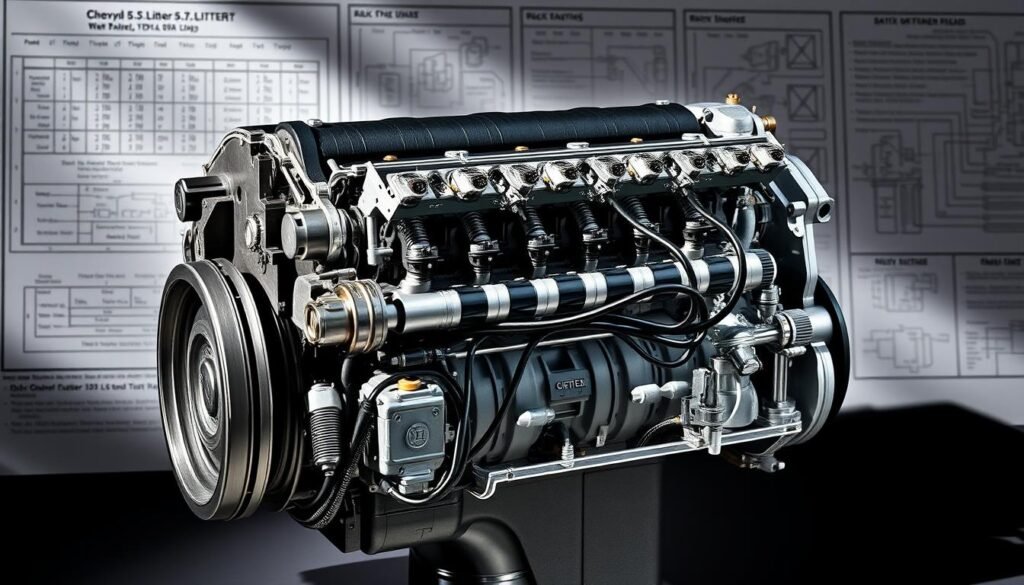
Major Oil Consumption in the 5.3-Liter Chevy Engine
Major oil consumption in 5.3-liter Chevy engines is common, especially for models made between 2010 and 2014.
It’s important to know why this happens to keep your car running well. The Active Fuel Management system and faulty valves are mainly to blame for using too much oil.
You might find your engine needs a quart of oil every 1,500 miles, showing there’s a problem to fix.
Knowing Oil Consumption Problems
When oil use gets higher than usual, it’s a big problem. For 5.3-liter Chevy engines, this usually comes from parts not working right or the system not being efficient.
By checking regularly, you can spot when oil use is too high and do something about it early.
Common Causes of Major Oil Consumption
- Faulty piston rings
- Worn-out valve seals
- Issues with the Active Fuel Management system
- Improper oil viscosity or quality
These things often lead to a lot of oil use in 5.3-liter Chevy engines. Ignoring this problem can cause worse damage to the engine and expensive repairs later.
Associated Repair Costs
Fixing oil consumption problems in 5.3-liter Chevy engines can be pricey. Repairs usually cost about $1,000 to replace bad parts. To save money, finding the problem early and fixing it is wise.
Diagnosing 5.3-Liter Chevy Engine Troubles
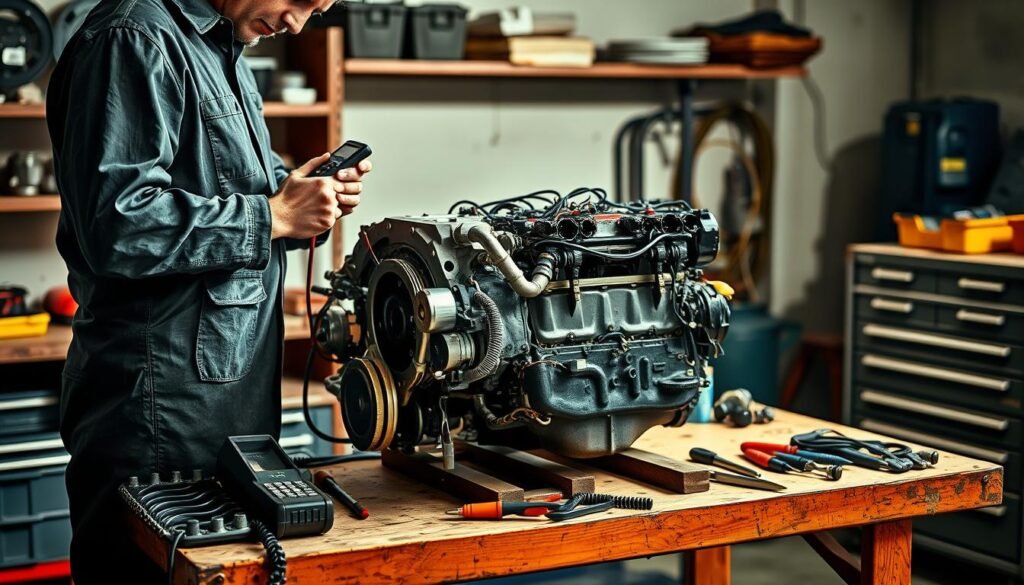
To figure out issues with a 5.3-liter Chevy engine, it’s important to be thorough. You should always check the fluids, watch how the engine is running, and listen for odd sounds.
Catching problems early by doing these things can help fix them reliably. Using the latest diagnostic tools can really help find what’s wrong.
These tools give you live data and can show exactly where a problem might be. Working with expert mechanics means any issues found will be fixed right, saving you money later.
In your diagnosis process, pay attention to the following key factors:
- Fluid leaks and levels
- Engine noise and vibrations
- Performance dips and responsiveness
- Indicator lights on the dashboard
By following these steps, you can better diagnose troubles with a 5.3-liter Chevy engine. This helps keep the engine working well.
| Diagnostic Aspect | What to Check | Possible Issues |
|---|---|---|
| Fluid Levels | Engine oil, coolant, transmission fluid | Leaks, low levels, contamination |
| Performance | Acceleration, idling, power loss | Possible misfires, fuel delivery problems |
| Auditory Signs | Unusual noises when idling or accelerating | Mechanical issues, worn components |
| Dashboard Alerts | Check engine light, oil pressure warning | Various sensor issues, oil pressure drop |
Issues with Intake Manifolds
The intake manifold in a 5.3-liter Chevy engine plays a big role but can face issues. Problems like cracks or leaks mostly come from its plastic material.
Spotting these issues early helps fix them quick. You might notice your car idling roughly or see the check engine light on.
Intake Manifold Problems Explained
Cracks and leaks are common problems with intake manifolds in 5.3-liter Chevy engines. Heat and pressure can break down the plastic, causing air leaks.
These leaks can make your engine act up, like idling weird or RPMs going up and down. It’s important to check regularly for these problems to keep your car running smoothly.
Diagnosing Intake Manifold Failures
Figuring out intake manifold problems in a 5.3-liter Chevy engine takes a few steps. Start by looking over the manifold for any cracks or odd shapes.
Then, use a vacuum gauge to check engine pressure for any off readings. Testing like this helps you know what’s wrong.
Fixing intake manifold problems might cost you around $550, depending on the issue.
Fuel Pressure Regulator Issues in The 5.3-Liter Chevy Engine
The fuel pressure regulator is key for your 5.3-liter Chevy engine to get the right amount of fuel.
When this regulator has problems, your car won’t perform well. It’s important to handle these issues fast to avoid major engine problems.
How Fuel Pressure Impacts Performance
Fuel pressure is crucial for the engine to work efficiently. A good regulator keeps the pressure steady, which is important for the car to accelerate well and idle smoothly. If the pressure is off, it can lead to:
- Poor acceleration
- Hard starting
- Decreased fuel economy
- Rough idling
Common Symptoms of Fuel Pressure Regulator Failures
To spot a bad fuel pressure regulator, watch for certain signs. Keep an eye out for:
- Engine stalling
- Fuel leaks around the regulator
- Black smoke from exhaust
- Check engine light activation
Fixing fuel pressure regulator problems in the 5.3-liter Chevy engine improves the car’s performance. It also helps prevent bigger issues caused by engine inefficiencies.
Engine Sludge Problems in the 5.3-Liter Chevy Engine
People with a 5.3-liter Chevy engine often worry about engine sludge. Knowing why sludge happens in these engines can help prevent costly fixes.
Sludge forms when oil breaks down and mixes with dirt. This can slow down your engine and cause it to fail.
What Causes Engine Sludge?
Many things lead to engine sludge:
- Poor engine oil quality
- Infrequent oil changes
- Excessive idling
- Overheating of the engine
- Driving in severe conditions
These factors make engine oil worse, creating sludge that blocks the engine’s inner workings.
Preventing Engine Sludge Buildup
There are ways to stop sludge from building up in your Chevy’s engine. It’s important to keep up with maintenance and pick the best oil:
- Change the oil every 5,000 to 7,500 miles.
- Choose high-quality synthetic oil for better protection.
- Keep an eye on the engine’s temperature to stay within safe limits.
- Try to limit how much you idle, as it breaks down oil.
- Get the engine cleaned regularly to remove any sludge buildup.
Spark Plug Issues in The 5.3-Liter Chevy Engine
Spark plug failures often hit 5.3-liter Chevy engines, causing performance drops.
Knowing why these spark plug issues happen can help keep your engine running smoothly.
By checking the spark plugs regularly, you can fix any issues early. This helps in spotting problems in your 5.3-liter Chevy engine quickly.
Common Causes of Spark Plug Problems
Several things can cause spark plug problems, like:
- Poorly designed PCV systems causing early fouling.
- Overheating due to excessive engine temperatures.
- Faulty ignition systems leading to inconsistent fuel combustion.
- Contaminated fuel affecting the efficiency of the combustion process.
Signs of Spark Plug Failures
Spotting spark plug failures early can stop other engine issues. Watch for these signs:
- Difficulty starting the engine, which may indicate spark plug malfunction.
- Reduced fuel efficiency, often a result of incomplete combustion.
- Rough idling and hesitation during acceleration.
- Increased exhaust emissions, signaling inefficient combustion.

Malfunctioning Sensor Issues
Sensors in the 5.3-liter Chevy engine are crucial. They monitor engine activities. But when they mess up, they can give out bad data.
This leads to wrong fixes that make your work harder. When sensors go wrong, the engine acts up, uses more fuel, and dashboard lights may come on.
For instance, if the oxygen sensor is not working right, it might say the engine is too rich or too lean. This can make you do repairs that weren’t needed.
Ignoring these sensor problems can cause bigger issues later. It’s important to fix these issues quickly. Doing so keeps the engine running well and prevents harm to other parts.
Reliable Solutions For 5.3-Liter Chevy Engine Problems
Finding reliable fixes for 5.3-liter Chevy engine problems starts with consistent care. Regular maintenance extends your engine’s life and prevents troubles.
Always check fluid levels and change the oil as recommended. Use diagnostic tools to quickly find trouble codes. This leads to the right repairs.
Engaging a pro mechanic with Chevy experience offers precise fixes. Their knowledge is key for common issues.
For repairs, choose parts that meet OEM standards for better performance. Learn from the manufacturer’s guidelines and service manuals.
They show how to maintain and troubleshoot efficiently. This way, you keep your engine running well and reliable.
Conclusion
Fixing common 5.3-liter Chevy engine problems is key to keeping your vehicle running well and extending its engine life.
Knowing what to look out for helps you address issues early, avoiding expensive repairs. It’s crucial to keep up with regular maintenance.
Understanding your engine’s specific issues, like losing coolant, misfiring, and using too much oil, lets you handle problems swiftly.
It’s smart to rely on professionals for check-ups and repairs. This keeps your car dependable.
To conclude, staying ahead of 5.3-liter Chevy engine problems means your car stays in great shape.
Regularly check how your vehicle is running. This way, you’re ready to fix any problem right away.
FAQs
Q: What are the common issues with 5.3-liter Chevy engines?
A: These engines often lose coolant due to cracked cylinder heads. They also have engine misfires, major oil consumption, and problems with the intake manifold.
Q: How can I troubleshoot 5.3-liter Chevy engine problems?
A: Start by checking the fluid levels and listening for unusual sounds. Using diagnostic tools helps too. For more detailed analysis, it’s best to see a certified mechanic.
Q: What are the symptoms of coolant loss in a 5.3-liter Chevy engine?
A: If your engine is overheating, the check engine light comes on, or you see coolant leaking, you’re likely losing coolant.
Q: Why do 5.3-liter Chevy engines experience major oil consumption?
A: Faulty valves and problems with the Active Fuel Management system can cause a lot of oil loss.
Q: What causes engine misfires in the 5.3-liter Chevy engine?
A: Misfires often result from Active Fuel Management lifter failures. This issue messes up engine compression and makes the engine run roughly.
Q: How can I fix intake manifold problems in my 5.3-liter Chevy engine?
A: To fix intake manifold issues, you might need to replace cracked manifolds or faulty gaskets. Getting a professional to inspect and replace them is usually necessary.
Q: What are the signs of spark plug failures in the 5.3-liter Chevy engine?
A: Trouble starting the engine, less fuel efficiency, and erratic engine behavior signal spark plug issues. It’s wise to inspect them regularly and replace them on time.
Q: How can engine sludge buildup be prevented?
A: Keep engine sludge away by changing oil regularly, using quality oil, and maintaining your engine properly to stop oil from breaking down.