
What Is Ford Flex Fuel Explained? Eco-Friendly Options
What is Ford Flex Fuel? It’s an eco-friendly choice for drivers. You can mix gasoline and ethanol in your car with it. This option is great for those wanting to drive greener.
We’re here to delve into Ford’s flexible fuel vehicles (FFVs) and how they embrace this tech. First, let’s see how these cars operate and what sets Ford Flex Fuel apart.
We’ll discuss the mix in Ford Flex Fuel, including various ethanol blends. Plus, we’ll cover the perks of flex fuel, like how it helps the planet and saves money.
By this article’s end, you’ll fully grasp Ford Flex Fuel and its benefits for eco-smart driving.
If you’re thinking about getting a new car or looking at fuel choices for your Ford, this info is key. Ready to learn more about flexible fuel vehicles? Let’s start!
Larning Flex Fuel Vehicles
Getting to know flex fuel vehicles is key for car owners as technology moves forward.
These cars can use different mixes of gasoline and ethanol. This means more choices at the gas station and access to cool technology.
What Are Flexible Fuel Vehicles (FFVs)?
Flexible fuel vehicles, or FFVs, can run on a mix of gasoline and up to 83% ethanol, called E85. By 2022, there were more than 20.9 million FFVs in the U.S. showing more people are choosing eco-friendly cars.
Many people might not know they have an FFV because these cars don’t look different from others. If you know you have one, you can pick better fuel and help the planet.
How Flex Fuel Vehicles Work?
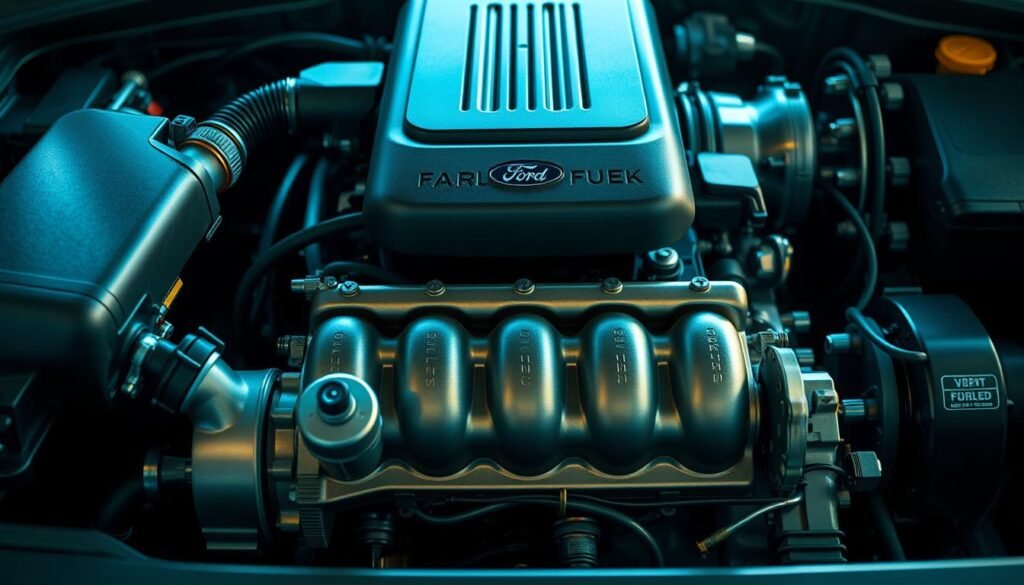
Flex fuel vehicles have advanced engines that adapt to different fuel types easily. They use special sensors to figure out how much ethanol is in the fuel.
The engine then adjusts how it works to match the fuel mix. This lets you smoothly switch between standard gasoline and ethanol blends, improving how your car runs and its fuel use without extra work from you.
What Is Ford Flex Fuel Explained?
Ford Flex Fuel combines renewable ethanol and traditional gasoline for better sustainability and performance.
It comes in various blends to meet different needs and help the environment. Knowing about these blends can improve your drive and make you more eco-friendly.
Composition of Ford Flex Fuel
Ford Flex Fuel is made with ethanol from plants like corn and sugarcane, mixed with gasoline.
The E85 blend, which has 85% ethanol, boosts the fuel’s octane level and can increase engine horsepower.
By using Ford Flex Fuel, you get to enjoy improved performance and help reduce environmental harm.
Type of Ethanol Blends
Ford Flex Fuel offers ethanol blends from E10 to E85 to suit various driving needs. Each blend has its benefits, like better engine performance and lower emissions.
E85 is great for flexible fuel vehicles, enhancing their power while cutting down on pollution.
It’s good to know about these blends to choose the best one for your vehicle, considering availability, cost, and compatibility.
| Type of Ethanol Blend | Ethanol Percentage | Gasoline Percentage | Typical Use |
|---|---|---|---|
| E10 | 10% | 90% | Common vehicles, regular driving |
| E85 | 85% | 15% | Flexible fuel vehicles, enhanced performance |
Benefits of Flex Fuel
Choosing Ford Flex Fuel options brings lots of positives for the planet and your wallet. Knowing these advantages helps you pick what’s best for your values and money.
Environmental Impact
Flex fuel greatly cuts down on harmful greenhouse gas emissions. With ethanol as a key ingredient, it burns cleaner than regular gasoline. This results in less carbon dioxide in the air.
By picking flex fuel, you help fight climate change. It’s a good step toward reducing the bad effects cars have on the planet.
Financial Advantages
Using flex fuel can save you money. E85 and similar ethanol blends are often cheaper than standard gasoline. This helps you keep more money in your pocket.
The fuel economy of E85 might be slightly lower. You might need more of it to go the same distance.
But, the cheaper price usually makes up for it. Choosing flex fuel can lead to savings over time.

| Aspect | Conventional Gasoline | Flex Fuel (E85) |
|---|---|---|
| Average Price per Gallon | $3.40 | $2.80 |
| CO2 Emissions (grams/mile) | 404 | 376 |
| Fuel Economy (mpg) | 25 | 22 |
| Annual Cost (15,000 miles) | $2,040 | $1,818 |
compromising the benefits of flex fuel empowers you. It enables you to make choices that boost your car’s efficiency. At the same time, it supports the environment and your wallet.
Ford Flex Fuel Technology
Ford has made a big step towards eco-friendly driving with its flex fuel technology. This started with the Taurus FFV in 1994.
These systems let cars use both gasoline and ethanol. This makes using renewable fuels easier without hurting car performance.
How Ford Implements Flex Fuel in Their Engines?
Modern Ford cars use high-tech sensors and settings. This ensures they run well on any mix of gasoline and ethanol.
Ford’s flex fuel technology changes engine settings on the go. This means cars run smoothly and efficiently, no matter the fuel. It also supports using renewable fuels without losing the joy of driving.
Comparison of Flex Fuel and Regular Gasoline
There are a few key differences between Ford’s flex fuel and regular gasoline. Flex fuel can boost engine performance because it usually has a higher octane rating.
However, it might not go as far, meaning you could need more of it. Below is a table comparing these fuels to help you decide:
| Feature | Ford Flex Fuel | Regular Gasoline |
|---|---|---|
| Octane Rating | Higher | Lower |
| Fuel Economy | Potentially lower | Generally higher |
| Environmental Impact | More eco-friendly | Less eco-friendly |
| Performance | Enhanced | Standard |
Flex Fuel Compatibility
Learning how to recognize flex fuel vehicles can make your driving better. It improves your car’s performance.
Look for certain signs to know if a vehicle is flex-fuel compatible. This knowledge helps in using flex fuel technology well.
Identifying Flex Fuel Vehicles
It’s easy to spot flex fuel vehicles if you know the signs. Look for these clues:
- A yellow gas cap
- Labels inside the fuel door showing flex fuel use is okay
- Info and car details at Fueleconomy.gov
These steps confirm if your vehicle can use ethanol blends and other fuels. It lets you get the most from your FFV.
Key Features of FFVs
FFVs have special features not found in regular cars. They have:
- Fuel systems that handle different ethanol mixtures
- Engine settings that get better results with flex fuel
- Sensors that adjust fuel mix for the best burn
Though FFVs are similar to regular cars, they switch to flex fuel easily. This doesn’t lower their power or efficiency. Knowing these points helps you use your car’s full potential.

Flex Fuel Efficiency
Flex fuel vehicles give us a good look at their real-world performance. Though they might use more E85 than regular gas, they offer better power and speed.
This makes driving them a more exciting experience in different situations.
Performance Metrics of Flex Fuel
Flex fuel vehicles bring unique benefits to the table. Even if they use a bit more fuel, the extra torque and horsepower from ethanol blends really improve your drive.
Below, you’ll find how they stack up against standard gasoline vehicles in terms of power and fuel use.
| Vehicle Type | Torque (lb-ft) | Horsepower | Fuel Efficiency (mpg E85) |
|---|---|---|---|
| Flex Fuel Vehicle | 320 | 250 | 20 |
| Gasoline Vehicle | 280 | 200 | 25 |
Real-World Fuel Economy Compared to Gasoline
In the real world, flex fuel vehicles and traditional gasoline ones perform differently. E85 tends to cover 17% less distance per gallon because of its ethanol.
This is important for those trying to save money. Yet, the lower cost of E85 means flex fuel remains a cost-effective choice.

Ford Flex Fuel Models
Ford has a wide array of flex fuel vehicles, meeting diverse needs. These range from personal cars to commercial vans. The Ford F-150, Explorer, E-Series, and Transit show the versatility of flex fuel.
Featured Flex Fuel Vehicles From Ford
The most notable ford flex fuel options include:
- Ford F-150: This powerful truck is perfect for business needs.
- Ford Explorer: An SUV that combines comfort with space for family trips.
- Ford E-Series: Great for companies needing a reliable cargo van.
- Ford Transit: Ideal for commercial fleets, known for its flexible design and efficiency.
Commercial vs. Personal Use Models
Choosing between commercial and personal vehicles depends on your needs. Ford’s F-Series trucks are tough, ideal for heavy-duty commercial tasks.
For family use, the Ford Explorer offers comfort and green fuel options. This helps you pick the right vehicle for your daily needs.
Flex Fuel Availability
The way we get flex fuel is changing because more people and companies see the value in alternative fuels.
The increase in flexible fuel vehicles (FFVs) is tied to new market trends. With more gas stations offering flex fuel, you now have better options for fueling your car.
Current Market Trends
Flex fuel at gas stations is becoming more common. Many fuel retailers now offer E85 and other ethanol blends.
This change meets the growing demand for green alternatives and shows a dedication to eco-friendly practices.
More car makers are making flex fuel vehicles, which makes flex fuel easier to find.
Future Outlook For Flex Fuel Stations
The outlook for flex fuel stations looks positive. Experts think there will be many more stations with flex fuel options soon.
This growth is helped by government support and a move towards renewable energy.
Better infrastructure will make flex fuel easier to get and encourage more drivers to choose eco-friendly fuels.
Conclusion
Ford Flex Fuel is a great choice compared to regular gasoline. It helps the planet and saves you money.
Knowing how flex fuel vehicles work and what models you can choose from lets you pick wisely. You get to decide what kind of fuel you want to use.
The flex fuel market is getting bigger, making green cars easier to find. Choosing flex fuel helps lower pollution and can save you cash on fuel.
Now’s a perfect time to check out Ford’s flex fuel options. Starting with Ford’s flex fuel vehicles, you can drive in a more eco-friendly way. Make a move to a greener future today.
FAQs
Q: What is Ford Flex Fuel?
A: Ford Flex Fuel lets your car run on a mix of gasoline and ethanol. The most common mix is E85, with up to 85% ethanol.
Q: What are the benefits of using flex fuel?
A: Flex fuel helps reduce harmful emissions and may cost less. It also has a high octane rating, boosting engine performance.
Q: How do I know if my vehicle is compatible with flex fuel?
A: Look for a yellow gas cap or labels inside the fuel door to see if your car is an FFV. You can also use Fueleconomy.gov to check.
Q: How does Ford Flex Fuel technology work?
A: Ford Flex Fuel engines have sensors to adjust fuel and spark timing based on ethanol content. This allows smooth switches between gasoline and ethanol blends.
Q: What is the fuel efficiency of flex fuel vehicles compared to regular gasoline?
A: Flex fuel vehicles might use more E85 than gasoline to go the same distance. However, the cost of flex fuel often makes up for this, making it a good choice financially.
Q: Are there different types of ethanol blends available for Ford Flex Fuel?
A: Yes, ethanol blends range from E10 (10% ethanol) to E85 (85% ethanol). Each has different benefits and costs, with E85 being the best for FFVs.
Q: What Ford models are available with flex fuel capability?
A: Ford has flex fuel options like the F-150, Explorer, E-Series, and Transit. These cater to various personal and commercial needs.
Q: What is the future outlook for flex fuel availability?
A: More flex fuel stations are expected to pop up. This growth is thanks to increasing demand for greener fuel choices.