Ford Mustang Years To Avoid Buyer’s Guide
When looking to buy a Mustang, knowing the least reliable years is key. This guide gives you the scoop on choosing a trustworthy muscle car.
The Ford Mustang stands out for its strong performance and cool looks. But, some years don’t match up in terms of lasting quality.
This guide points out the years with big problems to steer clear of. We’ll talk about the model years that gave owners trouble, what went wrong, and how different Mustang generations stack up.
This way, you can pick a Ford Mustang that makes you happy instead of giving you problems.
Keep reading to get the lowdown on Mustang generations, typical issues they face, and when it’s best to buy this iconic muscle car.
Introduction To The Ford Mustang
The Ford Mustang years to avoid is a key part of American car culture, known for its sports car performance.
Since launching in 1965, this iconic muscle car has won over fans with its cool design and strong engines.
It has changed over time but kept its original appeal to speed and style lovers. Learning about the Ford Mustang history makes you value it more.
It started as a pony car and now shines among modern sports cars. Each new model brought cool features and tech updates, keeping it ahead in the market.
Knowing the Mustang’s history helps if you’re buying a used one. It tells you which models to skip to avoid trouble and extra costs.
Thanks to its focus on performance and innovation, the Ford Mustang is a top pick for exciting drives.
What is The Generations of Ford Mustang?
The Ford Mustang’s history is long and rich, covering many years and generations. Each generation of the Mustang shows how cars have changed, what people like, and how culture has shifted.
Knowing these differences lets you see how the Mustang has evolved over time. The first generation began in 1965 and went until 1973.
It made the Mustang a big name in cars. It was small, stylish, and had a lot of power. The second generation, from 1974 to 1978, responded to new challenges.
It had to change for new market demands and worries about gas. The third generation started in 1979 and ended in 1993.
It was a big change designed to attract younger people. The cars had better aerodynamics and looked more aggressive.
Then, the fourth generation came around in 1994. This brought in a sleeker look and better technology. These changes made the cars more reliable and fun to drive.
From 2005 to 2014, the fifth generation took a look back at the early Mustangs. People loved its powerful engines and how well it handled.
The current, sixth generation started in 2015. It’s known for its top-notch technology and performance. This has kept the Mustang’s legacy strong.
| Generation | Years | Key Features |
|---|---|---|
| First | 1965-1973 | Classic design, V8 engines |
| Second | 1974-1978 | Compact, fuel-efficient |
| Third | 1979-1993 | Aerodynamic design, sporty appeal |
| Fourth | 1994-2004 | Refined design, improved technology |
| Fifth | 2005-2014 | Back to classic styling, powerful engines |
| Sixth | 2015-Present | Modern tech, enhanced performance |
Knowing about the different generations of the Ford Mustang helps you when you’re thinking of getting one.
Each generation has unique features and strengths for different tastes. This knowledge helps you choose wisely.
Common Reliability Concerns with Ford Mustang
The Ford Mustang is not just a car; it’s a symbol of strength and speed. But it’s important to know that some models might not be as reliable as you’d hope.
If you’re thinking about buying one, knowing about these issues can help you choose wisely.
Some Mustangs may have problems with their transmissions, leading to costly fixes. Electrical issues are also common, from lights to the sound system not working right.
Rust can be a problem too, especially in places with lots of snow and salt on the roads. To avoid buying a lemon, really look into the car’s past fixes.
This will show you if it’s had these common issues before. Being smart and asking thorough questions when you check out the car can save you a lot of trouble later.
| Common Issues | Description | Potential Solutions |
|---|---|---|
| Transmission Failures | Issues with slipping gears or unresponsive shifting. | Regular fluid checks and prompt repairs. |
| Electrical Problems | Malfunctions in lights, infotainment, and battery life. | Routine diagnostics and replacing faulty components. |
| Body Corrosion | Rust forming on panels, undermining structural integrity. | Regular washing and application of protective coatings. |
Best Years For Buying A Used Ford Mustang
When looking for a used Ford Mustang, focus on years known for great performance and few problems. The years 2005, 2008, and 2014 are highly recommended.
These models are popular for their reliability and how much drivers enjoy them. The 2005 Ford Mustang started a new era of design, offering power plus style.
People love its strong performance and timeless look. The 2008 version added more horsepower and better handling.
This made it very popular. The 2014 model brought in new technology and features, making it a great choice.
To choose the best used Mustang, consider reliability, maintenance records, and how happy owners are.
Here’s a table summarizing the key points of the recommended years:
| Model Year | Key Features | Consumer Satisfaction Rating | Common Complaints |
|---|---|---|---|
| 2005 | Classic styling, V6 and V8 options | 4.5/5 | Minor electrical issues |
| 2008 | Enhanced power, improved suspension | 4.7/5 | Fuel efficiency concerns |
| 2014 | Upgraded technology, new engine options | 4.6/5 | Infrequent paint issues |
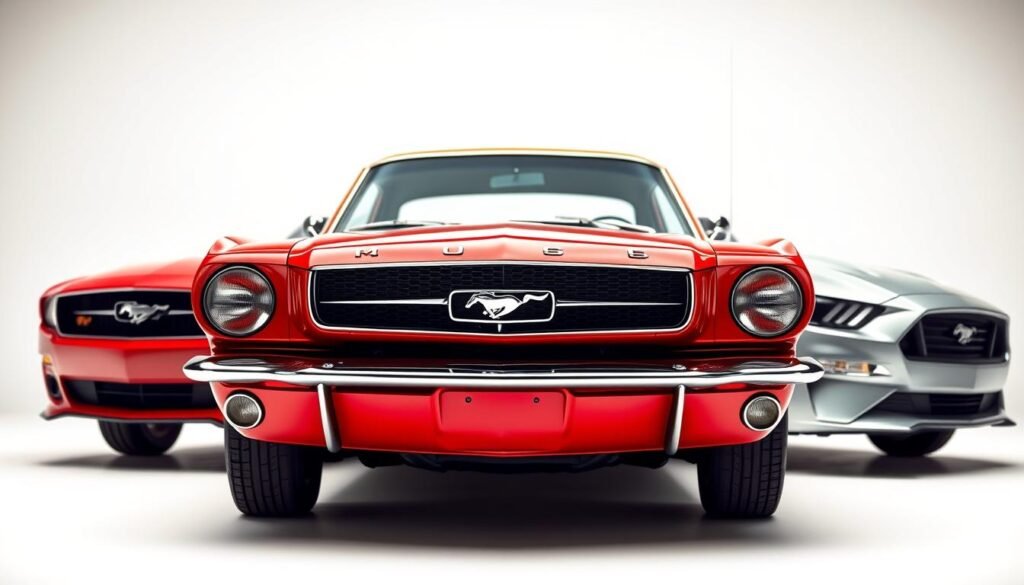
Ford Mustang Years To Avoid
When shopping for a used Ford Mustang, know which years to pass on. Some models have a bad reputation due to reliability problems.
Avoid Mustangs from 2005, 2006, 2010-2012, and 2015-2016. These years have issues that make them risky choices.
Overview of The Most Problematic Model Years
The 2005 and 2006 Mustangs rank as some of the least reliable. They have had transmission failures and performance issues.
Then, the Mustangs from 2010 to 2012 had problems with their paint and body. Their finishes often peeled or faded.
Mustangs from 2015 to 2016 also bring worries. They have had engine performance issues, making them less dependable.
Key Issues To Watch Out For
- 2005-2006: Common problems include transmission faults and inconsistent power delivery.
- 2010-2012: Look out for notorious paint peeling and cosmetic deterioration.
- 2015-2016: Reports of engine issues and lack of reliability in critical components.
Always check the service history and maintenance records before buying. This helps dodge the issues known with these troublesome Mustang years.
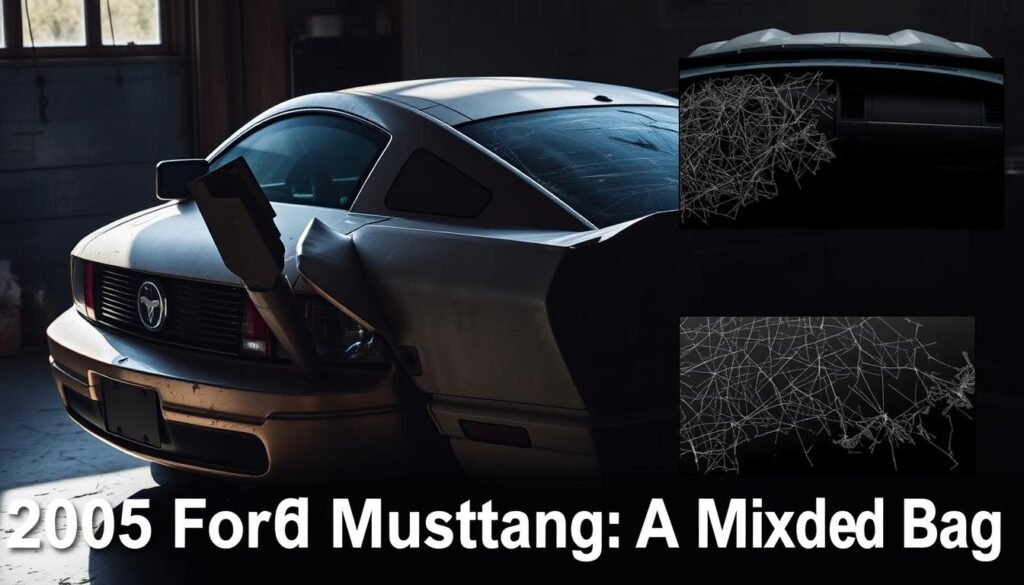
2005 Ford Mustang – A Mixed Bag
The 2005 Ford Mustang is known for its cool design and strong performance. But, it has its problems that buyers should think about. Over 1,000 complaints show that people have mixed feelings.
Many complaints talk about the transmission and paint quality. Knowing these issues can help you decide if this car is right for you.
Common Complaints
Lots of people have complained about the 2005 Ford Mustang. One major problem is with the transmission, especially the risk of it failing after 60,000 miles.
This issue could cost a lot to fix if it’s not caught early. Another big complaint is about the paint. People don’t like the oxidized paint that makes the car look bad.
Potential Red Flags
There are some warnings to watch out for. If you test drive the car and notice the gears slipping or rough shifting, be careful. Also, check the paint for fading or peeling.
Knowing these things can help you make a smart choice about the 2005 Ford Mustang.
Why You Should Skip The 2006 Ford Mustang?
The 2006 Ford Mustang is not recommended due to many owner complaints about serious problems.
This year’s model is especially troublesome compared to others in the Mustang series. Knowing about these issues is crucial if you’re thinking about buying a used Mustang.
Major Recalls and Performance Issues
Most of the complaints about the 2006 Ford Mustang are alarming, including a major recall for Takata airbags.
This issue raised serious safety concerns. There are also many other problems that affect the car’s performance.
- Paint oxidation: The paint often fades and peels, ruining the car’s look.
- Rust problems: In places with bad weather, rust is a big problem.
- Engine performance issues: Some drivers have found the engine doesn’t work as it should, making driving less fun.
The 2006 Ford Mustang has many issues, making people see it as unreliable and unsafe.
Because of its many recalls and performance problems, it might not be a good choice for your next car.
2010-2012 Ford Mustang: Paint and Body Troubles
The 2010-2012 Ford Mustang models often show paint and body flaws. These flaws impact how long they last and how they look.
People have pointed out different 2010-2012 ford mustang issues, especially with the paint.
These problems can also affect the car’s reliability. Knowing about these issues can help you make a smart choice when buying.
Specific Complaints and Defects
Owners have found a lot of paint bubbling and rust starting early on these Mustangs. These problems make the car look less appealing.
This is a big deal for those wanting a nice-looking sports car. Here’s what’s often wrong:
- Bubbling paint on various body panels
- Rust forming beneath the paint surface
- Fading of paint colors over time
- Inconsistent paint application from the factory
- Chipping paint on edges and seams
Knowing about these paint problems in advance can prevent future trouble and expense.
A detailed check on these issues helps you know what you’re buying. It can also give you a chance to talk about getting these issues fixed before you buy.

2015-2016 Ford Mustang: Lack of Reliability
The 2015-2016 Ford Mustang is exciting to drive but has reliability issues to consider.
Owners have pointed out problems with paint and engine performance. Knowing these may affect your decision on these models.
Paint Peeling and Engine Issues
Peeling paint is a big complaint from Mustang owners. The paint on the car’s exterior doesn’t hold up, hurting its looks over time.
This issue has left many car fans unhappy, expecting better from such a famous car. Engine problems are also something to look out for.
Despite having powerful engines, some Mustangs, especially EcoBoost models, have stalled.
These engine troubles can lower the Mustang’s performance and reliability, affecting how you enjoy driving it.
- Peeling Paint Issues: Deterioration of the paint finish over time.
- Engine Problems: Occasional stalling, primarily in EcoBoost models.
It’s important to think about these issues when looking at the 2015-2016 Ford Mustang.
Considering the possible drawbacks and the car’s great performance will guide your decision.
What Makes The 2014 Ford Mustang A Top Choice?
The 2014 Ford Mustang is a favorite among car fans and shoppers wanting a trustworthy ride. This year’s model is famous for its great performance and dependability.
It offers a range of V6 and V8 engines, providing strong power and quick response. This makes it a highly recommended choice.
This Mustang is known for its reliability. Owners face few problems, showing the car’s quality design.
Though there are some minor paint issues, these don’t take away from the car’s overall dependability.
The 2014 Mustang’s reliability scores prove it is a smart choice for those valuing both looks and performance in a sporty car.
If you want a car that’s reliable, powerful, and has timeless style, the 2014 Ford Mustang is an excellent pick.
Its awards and owner satisfaction highlight it as a top pick in the secondhand car market today.
Learning Maintenance Costs For Ford Mustang
If you have a Ford Mustang, it’s smart to know the costs of keeping it running. How much you spend varies a lot.
It depends on the car’s model year, how you drive, and its maintenance history. It’s key to be ready so you can handle your money well and still enjoy driving this cool sports car.
Keeping your Mustang in great shape is important. You’ll need to do things like oil changes, tire rotations, and checking the brakes.
The cost for these can be between $500 and $1,500 a year. This depends on how old your car is and its condition.
Sometimes your Mustang might need bigger repairs. Things like fixing the transmission, suspension, or electrical stuff can cost a lot.
You could end up spending a few hundred to several thousand dollars. It’s a good idea to have some money set aside for these kinds of repairs.
This is especially true since Mustangs are high-performance cars. Don’t forget about insurance. The cost can change a lot too.
It depends on the Mustang model, your driving record, and where you live. Insurance usually costs between $1,200 and $2,500 a year for a Mustang.
Getting quotes from different insurance companies can help you find the best deal for your car.
| Expense Type | Estimated Cost |
|---|---|
| Routine Maintenance | $500 – $1,500 per year |
| Common Repairs | $200 – $2,000+ per repair |
| Insurance Premiums | $1,200 – $2,500 per year |
Knowing about these costs is powerful. It helps you plan for owning a Ford Mustang. By managing upkeep and insurance well, you get to enjoy your Mustang without worry. And you protect your investment too.
Conclusion
It’s key to know which Ford Mustang years to avoid if you’re thinking of buying one. This guide helps you make smart choices, so you can dodge models with known issues.
Knowing the bad years helps avoid cost and disappointment. When looking for a Mustang, aim for the ones known for their strength on the road.
Picking the right model means you’ll get to enjoy all the thrill the Mustang offers. Plus, you’ll worry less about future problems.
Learning about each model year’s pros and cons will lead you to a satisfying buy. Shopping for a Mustang should be exciting and fill you with confidence.
Armed with this guide, you’ll be able to sift through your options more wisely. You’ll make a choice that fits both your dreams and driving needs. Jump into the Mustang world with clear eyes and enjoy every minute.
FAQs
Q: Which Ford Mustang years should I avoid?
A: You should steer clear of the 2005, 2006, and 2010-2012 models. They often have issues like transmission failures and problems with the paint.
Q: What problems are commonly reported with the 2005 Ford Mustang?
A: Owners of the 2005 model have reported problems with the transmission and paint. There are also recalls, notably for the body paint quality.
Q: Are there specific reliability concerns associated with the 2006 model?
A: Indeed, the 2006 model faces Takata airbag recalls, paint fading, and various performance issues as shared by owners.
Q: What should I know about the 2010-2012 Ford Mustang models?
A: The 2010 to 2012 models often have issues with paint bubbling and rust. These problems can lower their beauty and resale value.
Q: Why are the 2015-2016 Ford Mustangs considered unreliable?
A: Even with strong engines, these models have troubles like paint peeling and the EcoBoost versions might stall.
Q: What makes the 2014 Ford Mustang a better purchase?
A: The 2014 model is praised for its dependability and power. The V6 and V8 options are especially good, making it a great choice among used cars.
Q: How can I identify potential issues in a used Ford Mustang?
A: Watch for paint problems, explore the recall history, and ask about past repairs. This will help figure out if the Mustang you’re looking at is reliable.
Q: What maintenance costs should I expect with a Ford Mustang?
A: Be ready for regular upkeep, possible repairs, and insurance fees. These costs will change based on the year of the model and its condition.