Common Ford 2.3 EcoBoost Problems Essential Engine Issues
The Ford 2.3 EcoBoost problems is known for its power and efficiency. But it faces several common engine .
These include head gasket failures, carbon build-up, overheating, turbocharger issues, and spark plug or ignition coil failures.
Being aware of these issues is key for keeping your car in top shape. We’ll explain the causes of these issues and what signs to look for.
Also, we’ll cover helpful ways to fix these problems. Taking early action can save you both time and money. Plus, it helps your engine run better.
Now, let’s explore the common issues with the Ford 2.3 EcoBoost. With the right information, you can address these challenges successfully.
Overview of The Ford 2.3 EcoBoost Engine
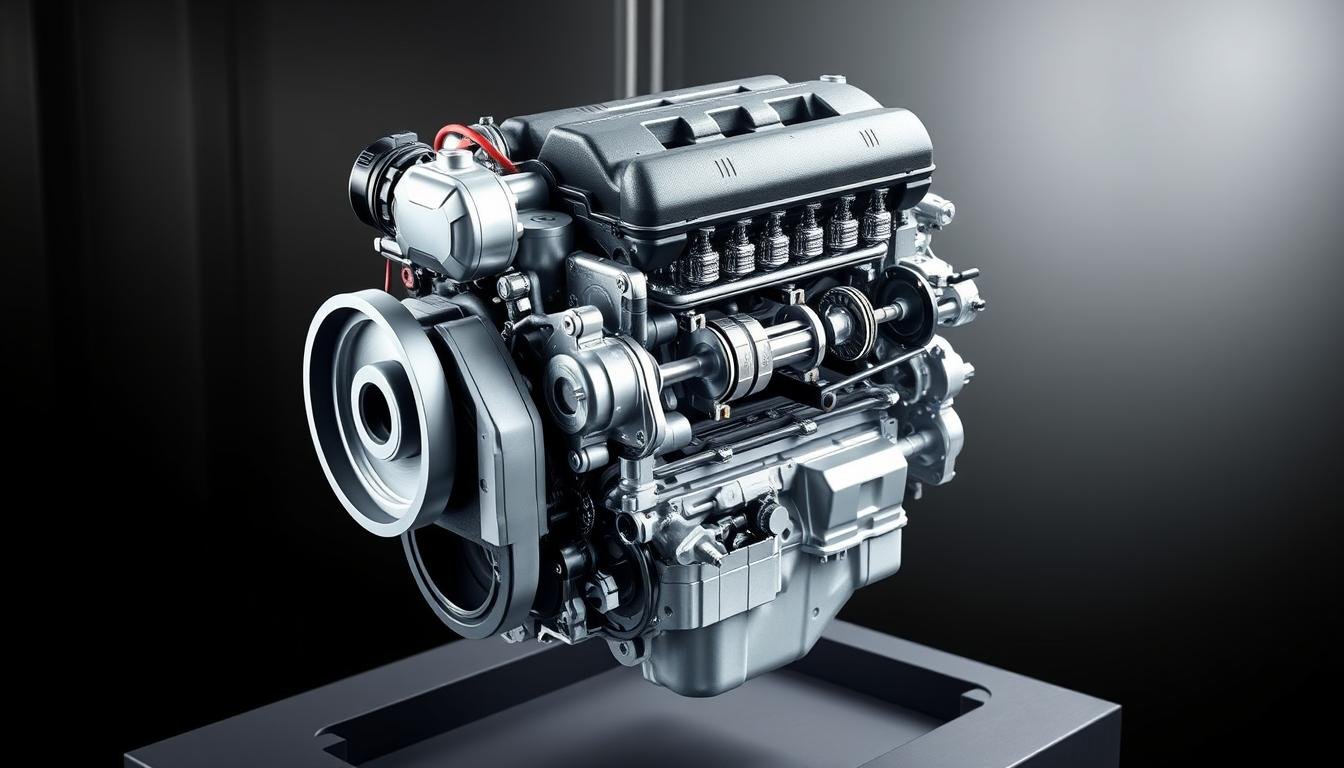
The Ford 2.3 EcoBoost engine is strong and turbocharged. It’s made to deliver top-notch performance.
Its body is crafted from tough aluminum, making it both strong and durable. Depending on the model, it can offer between 280 to 350 horsepower.
This shows how adaptable it is for different driving needs. This engine uses cutting-edge technology.
It has a twin-scroll turbocharger and a design with double overhead camshafts. This setup improves the engine’s speed and fuel use.
It also helps in cutting down on harmful emissions. This makes the engine better for the environment.
But, this high-tech engine does need regular checks. This is because its complex design can put strain on its parts.
By keeping an eye on its condition, you can enjoy its power for a long time. This blend of performance and care makes it a top pick for both car lovers and regular drivers.
Common Ford 2.3 EcoBoost Problems
If you own a Ford 2.3 EcoBoost, it’s key to know the usual engine troubles. The most significant problem is head gasket failures.
The head gasket is essential for keeping oil and coolant separate. When it fails, several problems can happen.
Head Gasket Failures
Early Ford 2.3 EcoBoost models often have head gasket failures. High temperatures and pressures cause these issues.
Coolant leaks from these failures may lead to overheating and more engine damage. The Focus RS models are especially prone to these defects.
Fixing a head gasket requires a lot of work and highlights the need for engine care.
Symptoms of Head Gasket Problems
Knowing the signs of head gasket issues can prevent bigger problems. Look out for these warning signs:
- Overheating engine
- Loss of coolant without visible leaks
- White smoke from the exhaust
- Milky oil, indicating coolant contamination
- Bubbling in the radiator or coolant reservoir
Being alert to these symptoms can help you spot head gasket failures early. This might save you a lot on repairs.

| Symptom | Description |
|---|---|
| Overheating Engine | Engine temperature gauges indicate heightened temperatures, which can damage components. |
| Coolant Loss | Significant drop in coolant level without visible leaks points to a gasket issue. |
| White Smoke | White smoke from the exhaust suggests coolant is entering the combustion chamber. |
| Milky Oil | Oil mixed with coolant appears milky, indicating gasket failure. |
| Bubbling in Radiator | Bubbles forming in the radiator may imply exhaust gases leaking into the cooling system. |
Learning Carbon Build-up Issues
Many Ford 2.3 EcoBoost engine owners face a big problem: carbon build-up. This happens because the engine uses direct injection.
It means fuel goes straight into the combustion chamber, missing the intake valves.
These valves don’t get cleaned, so carbon starts to pile up. Knowing what causes this and how it affects your engine is important.
Causes of Carbon Build-up
Here are the main reasons why carbon builds up in Ford 2.3 EcoBoost engines:
- Direct injection design that limits fuel washing over intake valves
- Oil blow-by from the crankcase ventilation system
- Frequent short trips that prevent the engine from reaching optimal temperature
These factors make a perfect setting for carbon to gather, leading to possible engine troubles later.
How Carbon Build-up Affects Performance
When carbon accumulates in these Ford engines, it leads to some problems, like:
- Reduced fuel efficiency due to poor air-fuel mixture
- Loss of engine power resulting from obstructed airflow
- Increased emissions as the engine struggles to operate efficiently
To avoid these issues, regular maintenance is essential. It helps to keep the engine running well and extends your vehicle’s lifespan.

Overheating Concerns in 2.3 EcoBoost Engines
Overheating in the Ford 2.3 EcoBoost engine can lead to big performance drops. It’s key to spot overheating signs early. This helps avoid major engine damage.
Symptoms of Overheating
If your engine overheats, you might see several signs:
- Temperature gauge reading higher than normal
- Coolant loss, noticeable by low levels in the reservoir
- Steam or smoke coming from under the hood
- Engine entering limp mode, causing reduced power and performance
These signs mean your engine is overheating and needs quick checking.
Potential Causes of Engine Overheating
Knowing why overheating happens can help you keep your Ford 2.3 EcoBoost running well. Common causes include:
- Low coolant levels because of leaks or evaporation
- A broken thermostat that stops coolant from moving around
- A clogged or damaged radiator that blocks air flow
- A broken water pump that doesn’t move coolant right
Dealing with these issues early helps lower risks related to overheating.

Troubleshooting Turbocharger Issues
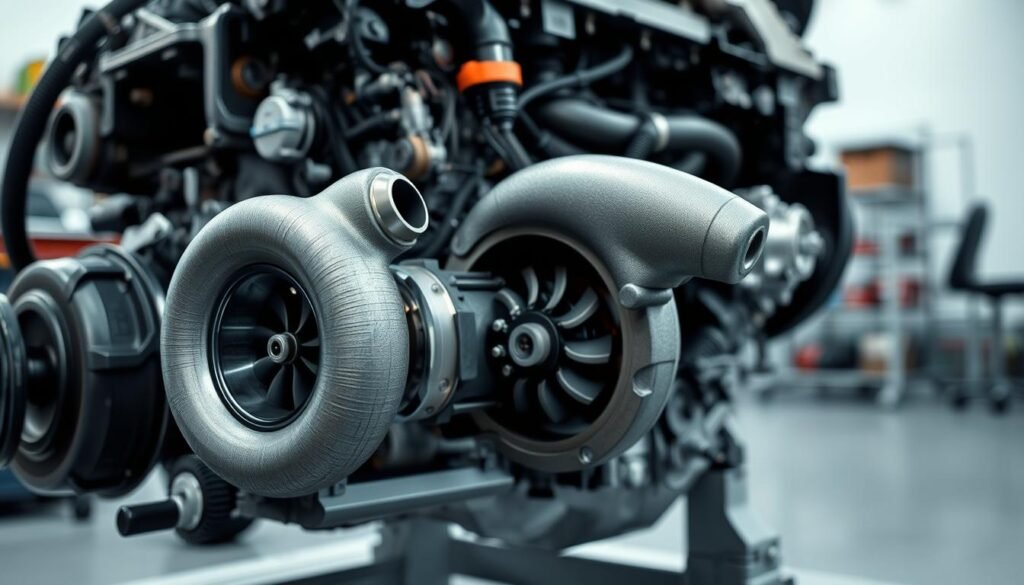
Finding problems with turbochargers in Ford 2.3 EcoBoost engines means knowing how they work.
You might face issues like oil leaks, bearing failures, and wastegate problems. It’s crucial to fix these quickly for the best engine performance.
Identifying Turbocharger Problems
Learn the signs of possible turbo trouble in the Ford 2.3 EcoBoost. Signs of trouble include:
- Odd noises when you speed up, like whining or grinding.
- Loss of power or acceleration, key for smooth driving.
- A lot of exhaust smoke, a hint at oil leaks in the turbo.
- The check engine light comes on, hinting at turbo issues.
Common Symptoms of Turbo Failure
Knowing what turbo failure looks like helps fix it quickly. Common warning signs are:
- Slower acceleration and weaker vehicle performance.
- More fuel use because the turbo isn’t working right.
- Oil leaks by the turbo, which can cause more engine problems.
- Strange sounds, suggesting bearing problems or other damage in the turbo.
Deal with these problems in the Ford 2.3 EcoBoost turbocharger carefully and quickly. This ensures your engine performs well.
Issues with Spark Plug and Ignition Coil Failure
Taking care of the ignition system is key for the Ford 2.3 EcoBoost engine. If spark plug problems are ignored, the engine may not run well.
It could misfire or idle roughly. Knowing when there’s a problem means you can fix it fast, keeping your car in top shape.
Signs of Spark Plug Problems
If spark plugs wear out, you’ll notice changes in how your car drives. You might see:
- Poor acceleration, showing the engine isn’t as powerful.
- Vibration when the car is idling, meaning the engine isn’t running smoothly.
- Using more fuel because the engine isn’t burning fuel completely, costing you more money.
Spark plug issues in the Ford 2.3 EcoBoost engine often come from not taking care of the engine or bad ignition parts.
You should check the spark plugs and ignition coils regularly, as the maker suggests.
Fixing issues early helps avoid bigger engine problems and improves your car’s performance.
| Symptoms | Likely Causes |
|---|---|
| Poor acceleration | Worn spark plugs, faulty ignition coils |
| Rough idle | Dirty spark plugs, misfiring |
| Decreased fuel economy | Bad combustion because of old plugs |
| Engine misfires | Worn electrode, big gap, broken ignition coil |
Addressing Performance Concerns with the Ford 2.3 EcoBoost
Having issues with the Ford 2.3 EcoBoost can change how you feel driving. You may notice less power and not as good gas mileage.
It’s key to figure out and fix these problems quickly. Waiting too long can make things worse, leading to bigger, more expensive repairs.
Keeping up with regular check-ups can quickly solve any performance worries.
Impact of Performance Issues on Daily Driving
When the Ford 2.3 EcoBoost is not performing well, you’ll see various signs. Here are some common ones:
- Decreased acceleration and responsiveness
- Lower fuel economy, which means more money spent on gas
- Strange engine noises or shaking, hinting at more serious issues
Knowing how these issues affect your car is important for keeping it running well. Taking care of them early can make sure your car performs its best. This makes driving more enjoyable.
| Performance Issue | Potential Impact | Recommended Action |
|---|---|---|
| Reduced Power | Car feels slow, hard to speed up or overtake | Check for codes, inspect turbo, and clean air filter |
| Poor Fuel Efficiency | Your gas bill goes up over time | Look at fuel injectors and stick to regular check-ups |
| Engine Noise | Could mean serious engine problems if ignored | See a mechanic right away |
Being alert to possible issues with the Ford 2.3 EcoBoost and acting on them can make your car last longer and run better.
How to Resolve Ford 2.3 EcoBoost Troubles
Fixing Ford 2.3 EcoBoost issues needs a focused plan. Knowing the specific engine problems helps. This way, you can fix them to make the engine better and last longer.
Effective Fixes for Common Issues
- Head Gasket Failures: For head gasket issues, replacing it is usually needed. It’s important to follow the maker’s advice for this repair.
- Carbon Build-up: Clearing carbon build-up works with methods like walnut blasting or chemical cleaners. Doing these regularly keeps the engine running smoothly.
- Overheating Prevention: Checking coolant levels and the cooling system often prevents overheating. This step is key to keeping your engine safe.
- Turbocharger Maintenance: For turbo problems, make sure it’s well-oiled and the air intake is clean. This keeps the turbo working well.
- Spark Plug and Ignition Coil Checks: Checking spark plugs and ignition coils often is crucial. Replace any that are worn to keep the engine sharp and efficient.
Is There a Recall for Ford’s 2.3 EcoBoost Engine?
Right now, there’s no recall for the Ford 2.3 EcoBoost engine. But, if you own a car with this engine, it’s key to stay up-to-date.
Although there’s no official recall, some models have had legal action taken against them due to coolant leaks.
If you own a Ford, let your dealer know if you have any issues. Make it a habit to check for recall news or service info on your car.
The car world changes fast, so new safety or performance updates may pop up.
Financial Aspects of Repairing Ford 2.3 EcoBoost Issues
Fixing your Ford 2.3 EcoBoost requires understanding costs. These vary based on warranty coverage. Knowing about different warranties helps budget for surprise costs.
Compromising Warranty and Coverage
Ford’s warranties might cover your 2.3 EcoBoost repairs. If it’s still under warranty, you might not pay for certain issues. It’s crucial to know what’s covered as plans differ.
- Standard manufacturer warranty: Typically covers a wide range of defects.
- Extended warranty plans: Offer additional coverage beyond the original warranty period.
- Powertrain warranty: Focuses on engine and transmission components.
Know what issues the warranty or recall affects, like head gasket or turbo troubles. Sometimes, legal aid can help with repair costs or claims.
| Warranty Type | Coverage Duration | Components Covered |
|---|---|---|
| Basic Warranty | 3 years/36,000 miles | Defects in materials and workmanship |
| Powertrain Warranty | 5 years/60,000 miles | Engine, transmission, and drivetrain |
| Corrosion Warranty | 5 years/unlimited miles | Corrosion damage on body panels |
| Roadside Assistance | 5 years/60,000 miles | Towing, fuel delivery, lockout services |
Conclusion
The Ford 2.3 EcoBoost engine pairs power with efficiency well. Yet, it has issues like head gasket failures and turbocharger problems.
Knowing these common problems helps keep your car reliable. Taking steps early prevents these issues from getting worse.
Keep up with regular check-ups to avoid big repairs. This way, you save money and keep your car running well.
If problems keep happening, it’s smart to get help from a certified technician. They make sure your car is fixed right.
Knowing about your Ford 2.3 EcoBoost’s issues means you’re ready to handle them. With expert help, you’ll enjoy a smooth drive and your car will last longer.
FAQs
Q: What are common issues with the Ford 2.3 EcoBoost engine?
A: The main problems include head gasket failures, carbon build-up, and overheating. Also, issues with turbochargers, spark plugs, and ignition coils are common.
Q: How can I identify if my Ford 2.3 EcoBoost is overheating?
A: Look for a high temperature reading on the gauge and coolant loss. You might also see steam or smoke. The engine might go into limp mode.
Q: What could cause carbon build-up in my 2.3 EcoBoost engine?
A: The build-up usually comes from the direct fuel injection system, oil blow-by, and short trips. These short drives don’t let the engine warm up properly.
Q: How can I troubleshoot turbocharger issues in the Ford 2.3 EcoBoost?
A: Check for oil leaks and bearing failures. Also, look into wastegate problems. A loss of power or slow acceleration are signs too.
Q: What are the symptoms of spark plug failure in the 2.3 EcoBoost engine?
A: Look out for engine misfires, rough idling, and poor acceleration. Bad fuel economy is another warning due to incomplete combustion.
Q: Are there preventative measures to avoid head gasket failures?
A: To avoid failures, keep up with regular maintenance. Also, monitor coolant levels. Act fast if you see the engine overheating.
Q: Is there a recall for issues with the Ford 2.3 EcoBoost engine?
A: There’s no official recall now. But some models are involved in lawsuits over coolant leaks.
Q: What should I do if I experience a performance issue with my 2.3 EcoBoost engine?
A: If you face issues, don’t delay maintenance checks. Also, see a certified technician for a full check and fixes.