Honda Civic Tpms Light: Better 9 Causes & Fixes
The Honda Civic TPMS light tells you if your tire pressure is low. Seeing the Honda Civic TPMS warning light on your dashboard means you should act fast.
This way, you stay safe and avoid harm to your car. We’ll cover why the Honda Civic TPMS might not work right, including low tire pressure and sensor issues.
You’ll also learn to reset the TPMS and keep your tire pressure perfect. Next, we’ll explain the Tire Pressure Monitoring System in detail. We’ll guide you through resetting the TPMS and how to troubleshoot.
Learning these parts improves your drive and saves money on repairs. By paying a bit of attention, you can turn off that TPMS light and drive safer.
What is The Honda Civic Tire Pressure Monitoring System (TPMS)?
The Tire Pressure Monitoring System (TPMS) in your Honda Civic is key for keeping you safe on the road. It has sensors in each tire, including the spare in some models.
These honda civic tpms sensors check the tire pressure all the time, giving data to the car’s computer.
If the tire pressure gets too low, the TPMS turns on a warning light on your dashboard. This warning helps stop tire blowouts and saves gas.
It’s important to understand how the tire pressure monitoring system honda civic works to stay safe while driving.
Knowing about issues with a honda civic tpms sensor is crucial. If you ignore low tire pressure, it can cause uneven tire wear and poor driving control.
It also uses more gas. So, you should always check your tires and pay attention to the TPMS alerts to drive safely.
The Importance of TPMS in Your Honda Civic
Keeping the right tire pressure is key for your Honda Civic’s performance and safety. The TPMS is super important because it warns you about tire problems early.
This alert lets you fix issues quickly, preventing dangerous situations. Following the tire safety guidelines for your Honda Civic improves how your car drives and saves gas.
If your tires are not pumped enough, you’ll spend more on fuel. Also, if you maintain the TPMS well, it will give timely warnings when tire pressure changes.
Having a TPMS that works well keeps your tires in good shape longer. It prompts you to check your tires often, saving you money and trouble later.
By caring for your TPMS, you make driving safer for everyone on the road.
Common Causes of The Honda Civic TPMS Light Activation
The TPMS light in your Honda Civic warns you about tire pressure issues. It’s vital to know why it turns on for quick fixes. Here are two main reasons it might light up.
Low Tire Pressure
Low tire pressure is a common cause. It can drop from changes in temperature, leaks, or air escaping slowly.
It’s important to check your tires regularly. This keeps them at the right pressure, making your car safer and more fuel-efficient.
Always check your tires at least once a month, especially when the weather changes a lot.
TPMS Sensor Malfunction
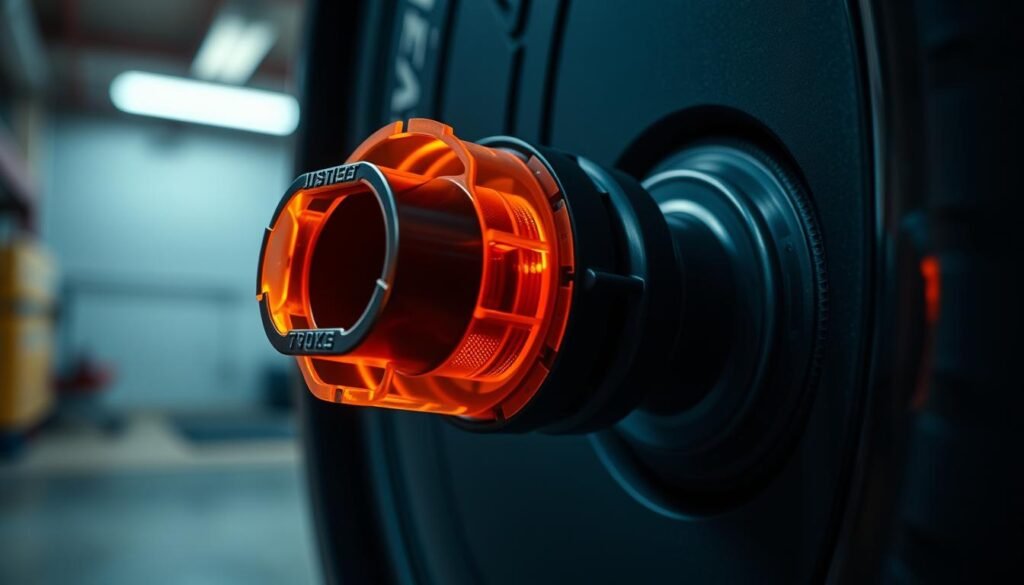
Sometimes, even with the right tire pressure, the TPMS light stays on. This could mean there’s a problem with tpms sensor honda civic.
Each tire has a sensor that sends pressure information. If a sensor gets damaged or the wiring has issues, it can mess up the system.
Getting regular checks can spot these issues early. This helps make sure your TPMS works well.
How To Reset The Honda Civic TPMS Light?
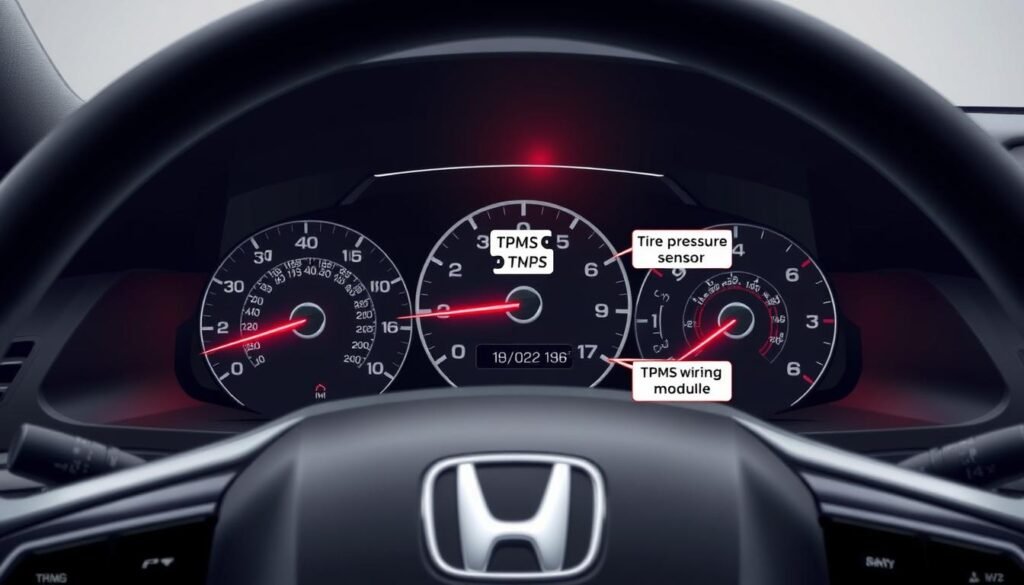
Resetting the Honda Civic TPMS light is a must after you’ve fixed the problem that turned it on. For newer models that have a touchscreen, just do these steps:
- Access the “Settings” menu on the touchscreen.
- Select “Vehicle” from the options shown.
- Tap on “TPMS Calibration.”
- Choose the “Calibrate” option to reset it.
For older Honda Civics, the tpms reset method is a bit different:
- Use the steering wheel buttons to get to vehicle settings.
- Look for the TPMS calibration option.
- Verify the reset to finish the job.
Before you try the reset, make sure all tires are filled to the right pressure. Getting this right is key for the reset to work. It keeps problems from coming back.
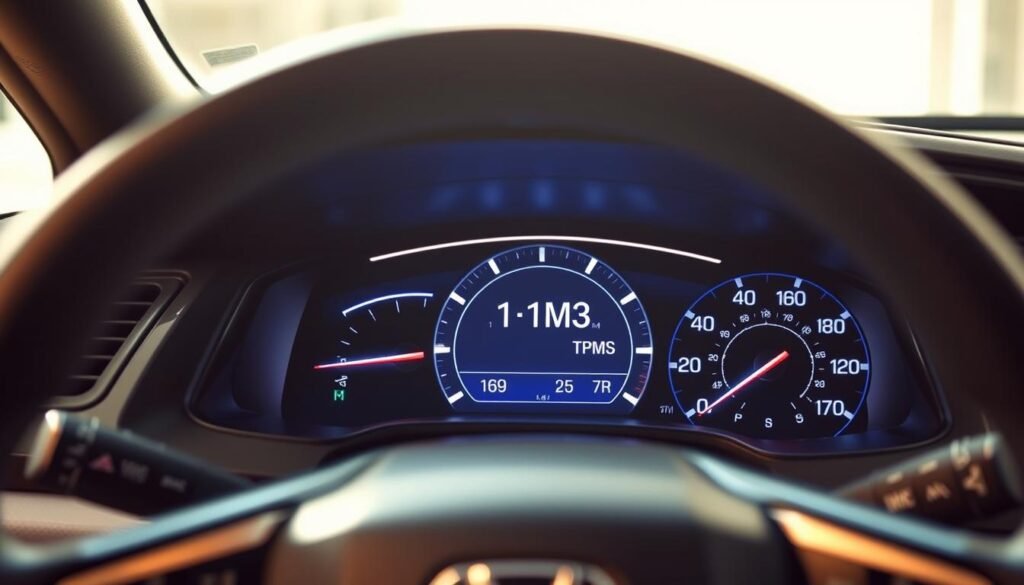
Honda Civic TPMS Light: Causes & Fixes
Seeing the TPMS light turn on in your Honda Civic means you need to pay attention.
Whether your Civic is old or new determines the reset steps. Each model year of the Honda Civic has specific reset instructions to follow.
TPMS Reset Procedure For Newer Models
For the latest Honda Civics, resetting involves the touchscreen. Here is how to do it:
- Turn on your car and head to the settings on the touchscreen.
- Click ‘Vehicle Settings’ and then ‘TPMS Calibration.’
- Pick ‘New Honda Civic TPMS Reset’ and confirm the process.
- Wait until the system resets and the TPMS light goes off before you drive.
TPMS Reset Procedure For Older Models
Older Honda Civics have a slightly different way to reset. Just follow these simple steps:
- Switch the ignition to “On,” but don’t start the engine.
- Find the TPMS reset button, close to the steering wheel.
- Hold the button until the TPMS light flashes three times, then let go.
- Now start your car and check if the light stays off while driving.
If the TPMS light doesn’t go off, your system might need a closer look.
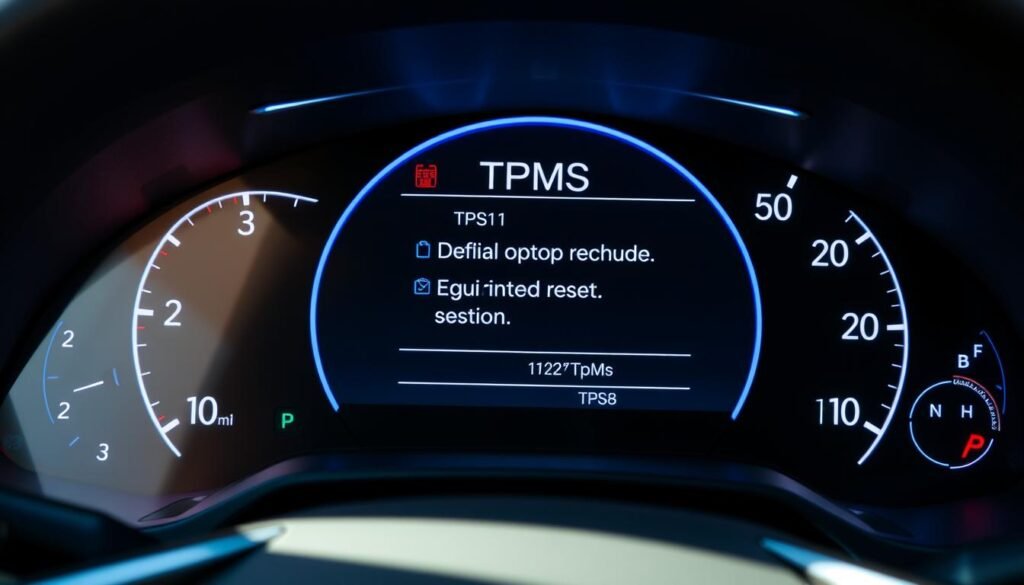
| Model Type | Reset Method | Key Steps |
|---|---|---|
| Newer Honda Civics | Touchscreen Reset | Access Vehicle Settings > TPMS Calibration |
| Older Honda Civics | Manual Button Reset | Ignition On > Press TPMS Reset Button |
TPMS Troubleshooting Steps For Honda Civic Owners
Your Honda Civic’s TPMS is key for keeping tires in shape and you safe on the road. Start by checking the tires’ health and pressure.
Knowing how to check the tire pressure honda civic helps spot troubles early. If the pressure is okay, you might have issues with the honda civic tpms sensor that need looking into.
Checking Tire Health and Pressure
First, you’ll need a good tire pressure gauge. Here’s what to do:
- Make sure the gauge reads in PSI.
- Find the right pressure levels on the driver’s side door jamb.
- Check the pressure of each tire and note any differences.
Keeping an eye on your Honda Civic’s tire pressure avoids blowouts and helps tires last longer. If the TPMS light stays on even with the right pressure, it’s time to check other things.
Identifying Sensor Issues
Look for obvious damage like cuts, bubbles, or a lot of wear on your tires. Some problems might be hidden and need an expert to find honda civic tpms sensor issues.
Usual checks involve:
- Using a special TPMS tool to look for errors.
- Resetting the TPMS in your car’s menu.
- Checking if the sensor batteries are weak, as this affects performance.
By following these tpms troubleshooting honda civic steps, you can quickly tackle issues with the tire pressure system.
Maintaining TPMS For Optimal Performance
Keeping your Honda Civic’s TPMS in check is key for safety and a better drive. Regularly checking the sensors and tire pressure ensures everything is as it should be.
Make it a point to check tire pressure each month, especially with changing seasons. This keeps the TPMS reliable for your Honda Civic.
After you adjust your tires—like inflating, rotating, or getting new ones—make sure to calibrate the TPMS. This ensures its readings are pinpoint accurate.
Set up a regular check-up routine for your TPMS to avoid sudden warnings. By paying attention to these steps, your Honda Civic will perform well at all times.
Conclusion
Managing your Honda Civic’s TPMS light is key for safety and performance. This guide gave a thorough overview of why the TPMS light may turn on.
It talked about low tire pressure and sensor issues. Knowing these things helps you fix problems with your Honda Civic’s TPMS.
Check your tires often and know how to reset the TPMS for safety. Doing this helps you find small problems before they get bigger. This means a safer drive.
Knowing about your car’s tire monitoring system lets you drive more confidently. A good TPMS not just keeps your Honda Civic safe. It also keeps you safe on the road.
FAQs
Q: What should I do if the Honda Civic TPMS light stays on after inflating my tires?
A: If the TPMS light stays on, it could mean a sensor issue. Check the sensors for any damage. If you find any, or if the light remains on, visit a skilled technician for more help.
Q: How often should I check my Honda Civic’s tire pressure?
A: You should check your tire pressure at least once every month. Also, check it when the weather changes a lot. This prevents the TPMS light from coming on and keeps your car safe.
Q: What causes the Honda Civic TPMS light to activate?
A: Several things can turn on the TPMS light. Low tire pressure, a bad TPMS sensor, or wiring problems are common causes. Fixing low tire pressure fast and checking the TPMS system are key steps.
Q: How can I reset the TPMS light on my Honda Civic?
A: To reset the TPMS light, make sure all tires have the right air pressure first. On new models, go to “Settings” on the screen, pick “Vehicle,” then “TPMS Calibration,” and click “Calibrate.” Older cars might need you to use buttons on the steering wheel or a special reset button.
Q: What if my Honda Civic TPMS light won’t turn off after following the reset procedure?
A: If the TPMS light stays on after you try to reset it, the system might still have a problem. You might need to look more into possible sensor or wiring issues. Check your manual or see a technician for help.
Q: How does temperature affect the tire pressure in my Honda Civic?
A: When it gets colder, tire pressure goes down. About 1 PSI drops for every 10°F decrease in temperature. Keeping your tires inflated right during the cold or hot months stops the TPMS light from turning on.
Q: Can a flat tire cause the TPMS light to activate?
A: Yes, a flat tire will make the TPMS light come on because the pressure gets too low. When you get a flat, inflate or change the tire right away. After that, you might need to reset your TPMS system.